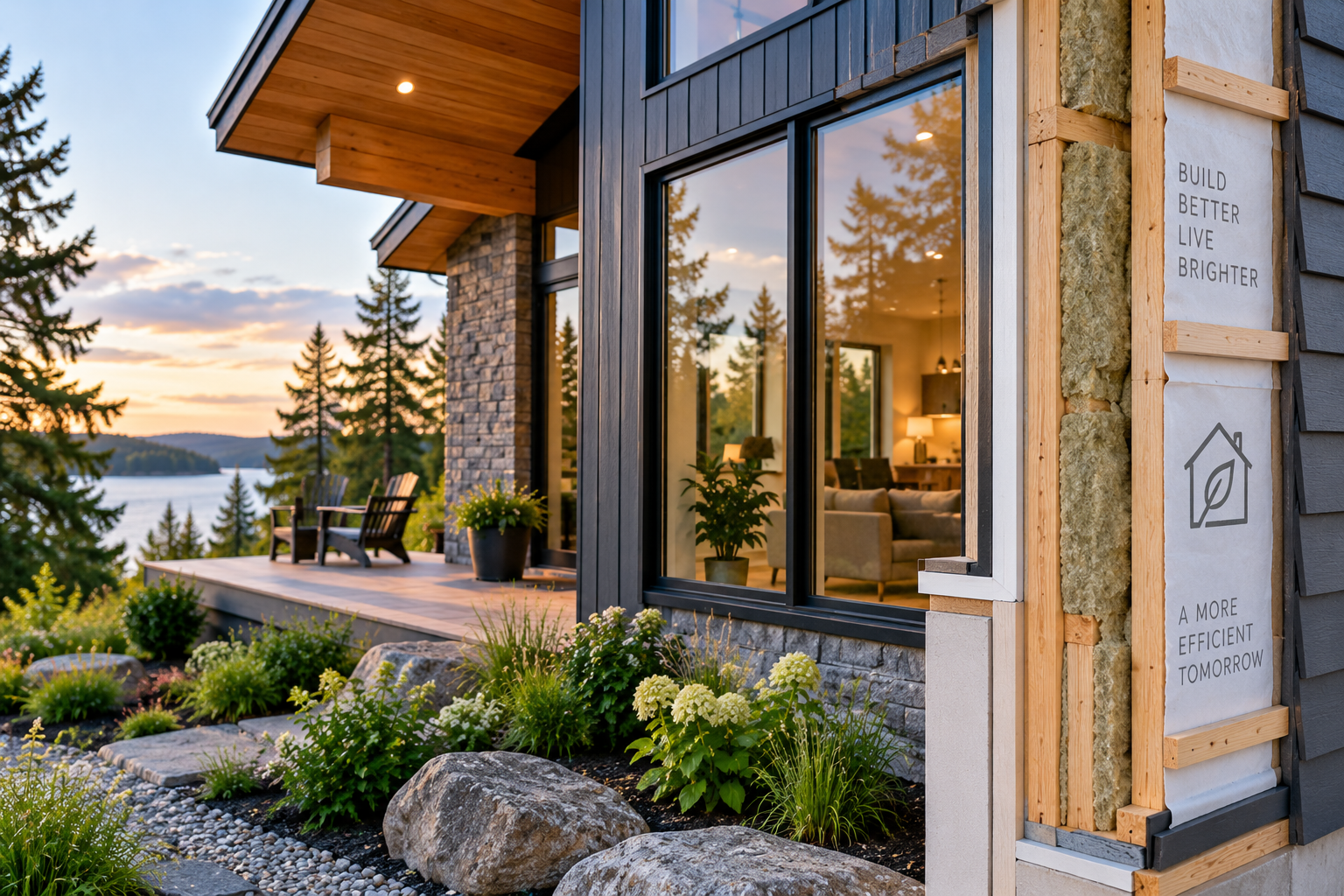
SMARTER, GREENER HOMES

Understand how a home uses energy — and what actually makes a difference.

From insulation and air sealing to heat pumps, windows, solar design and energy-efficient upgrades, understanding how a home works can help you make better decisions when buying, selling or improving one.

EXPLORE THE GUIDES ↓
Understanding the Home, Not Just the Features

When people talk about energy-efficient or “green” homes, the conversation often focuses on individual features — heat pumps, solar panels, insulation, triple-pane windows or high-efficiency heating systems. But no single feature tells you how efficiently a home will actually perform.

A home works as a system. Its insulation, air sealing, windows, orientation, heating and ventilation all affect how much energy it needs and how comfortable it is to live in.

That's the idea behind Smarter, Greener Homes — a collection of practical articles designed to help homeowners and home buyers better understand energy efficiency, green building and the features that can affect a home's performance.

Rob Schellenberger, REALTOR® is a Canadian Certified Green Representative (CCGR), a certification from the Canadian Real Estate Association (CREA) covering areas including high-performance homes and energy efficiency, renewable energy and electrification, climate and environmental hazards, and environmental practices.

Based in Nova Scotia with RE/MAX Banner Real Estate, Rob works with local buyers and sellers as well as people relocating to the province from elsewhere in Canada and abroad.

The goal isn't to convince you that every home needs the latest green technology. It's to help you understand what actually matters.

Explore Smarter, Greener Homes

Start with the topic that interests you. These guides explore how homes use energy, how different building components affect performance, and what to consider when buying or improving a home.

How Your Home Uses Energy

How Much Energy Does a House Actually Use?

Learn why energy consumption can tell you more than the dollar amount on a utility bill—and how to make sense of different energy sources.

Where Does Your Heating Dollar Actually Go?

Understand how heat moves through walls, windows, roofs, basements and air leaks—and why the building envelope matters.

What Makes One House More Expensive to Heat Than Another?

Two similar-looking homes can have very different heating costs. Explore the factors that make the difference.

The Building Envelope

Insulation: What do R-values actually mean?

Understand what R-values measure, why more insulation isn't always the whole answer, and how installation and thermal bridging affect performance.
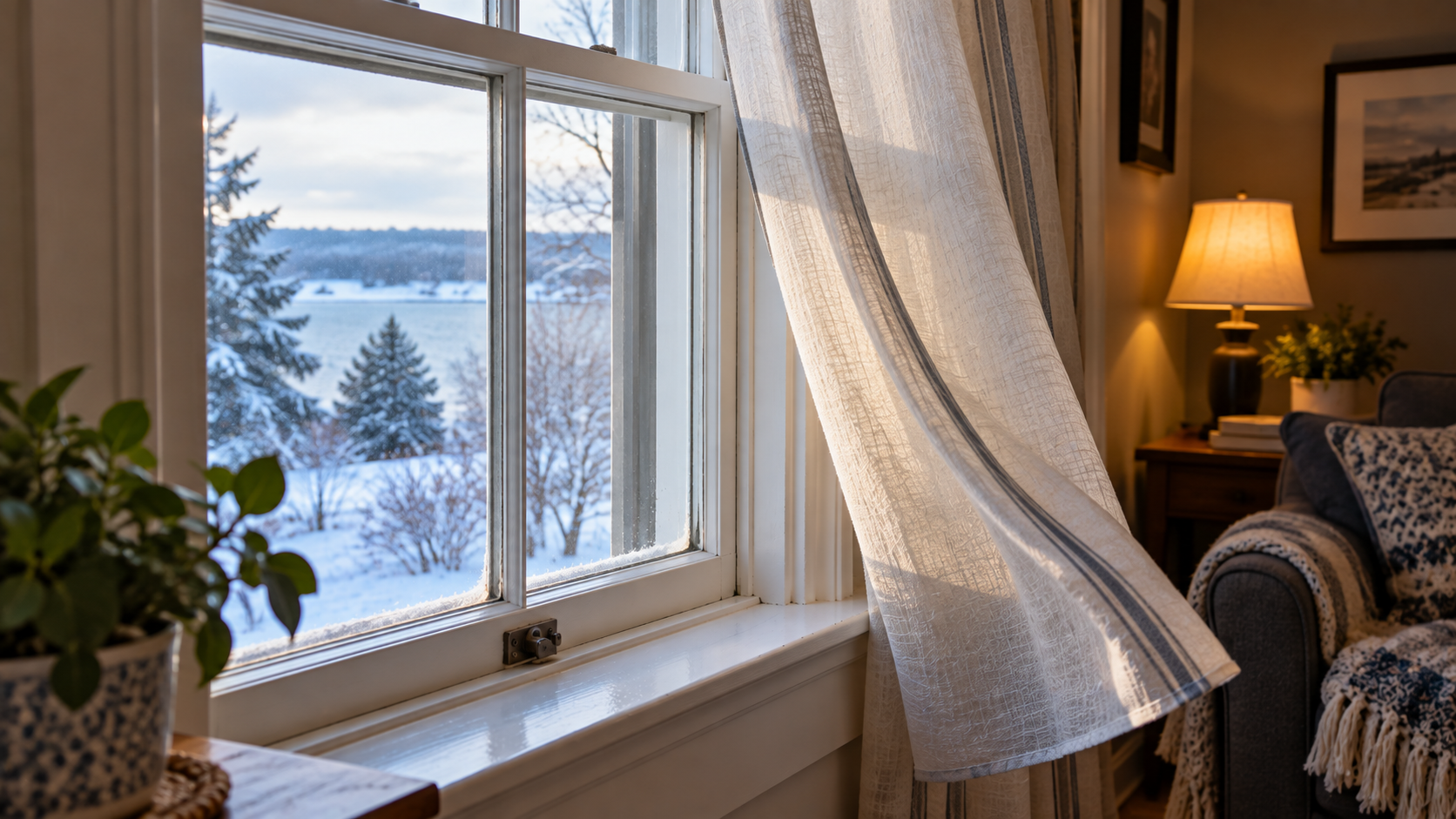
Your house may be leaking money — Understanding air sealing

Learn the difference between insulation and air sealing, where houses commonly leak, and why controlling air movement matters.

Triple-pane windows: Worth the extra cost?

Explore U-values, solar heat gain, comfort, condensation and the factors that determine whether better windows make sense.

Heating, Ventilation & Solar

Heat Pumps: Are They Really Cheaper to Run In Nova Scotia?

Learn how heat pumps work, what happens in cold weather, why sizing matters and what can affect operating costs.

Heat Recovery Ventilators: Why Does An Airtight House Need An HRV?

Understand why energy-efficient homes still need fresh air and how an HRV can provide controlled ventilation while recovering heat.

What Is a Passive Solar Home — And How Can It Reduce Energy Use?

Learn how orientation, windows, insulation, thermal mass and shading can allow the house itself to help reduce its energy needs.
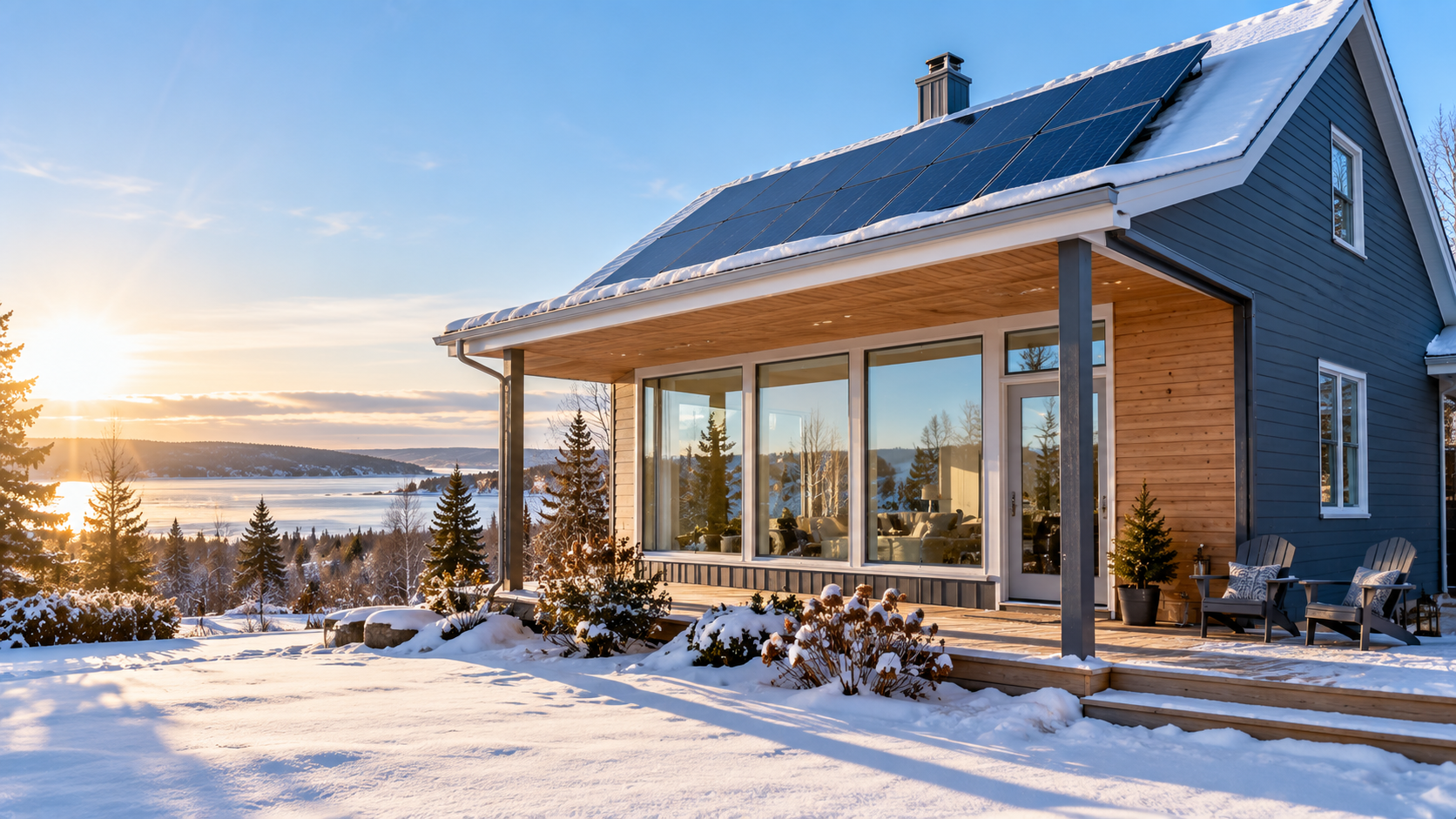
Solar Panels VS. Passive Solar: What's The Difference?

One produces energy; the other reduces how much energy the house needs. Learn how the two approaches differ—and how they can work together.
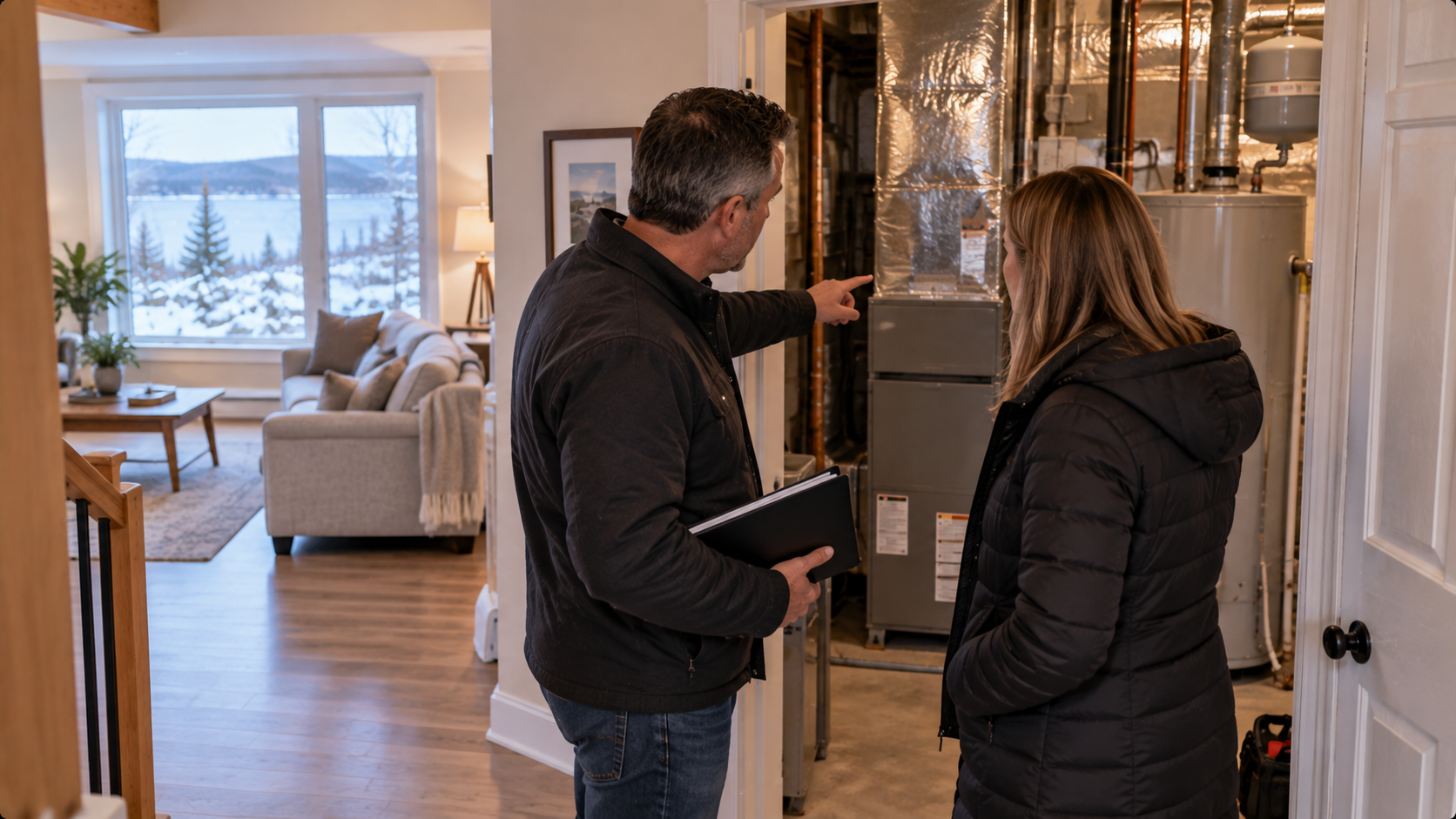
Buying & Improving a Home

Buying An Energy-Efficient Home? Here's What To Look For

A practical guide to evaluating the whole house rather than being distracted by one impressive “green” feature.

Is An Older Home Automatically Less Energy Efficient?

Learn why the year a house was built doesn't necessarily tell you how it performs today—and which upgrades matter.
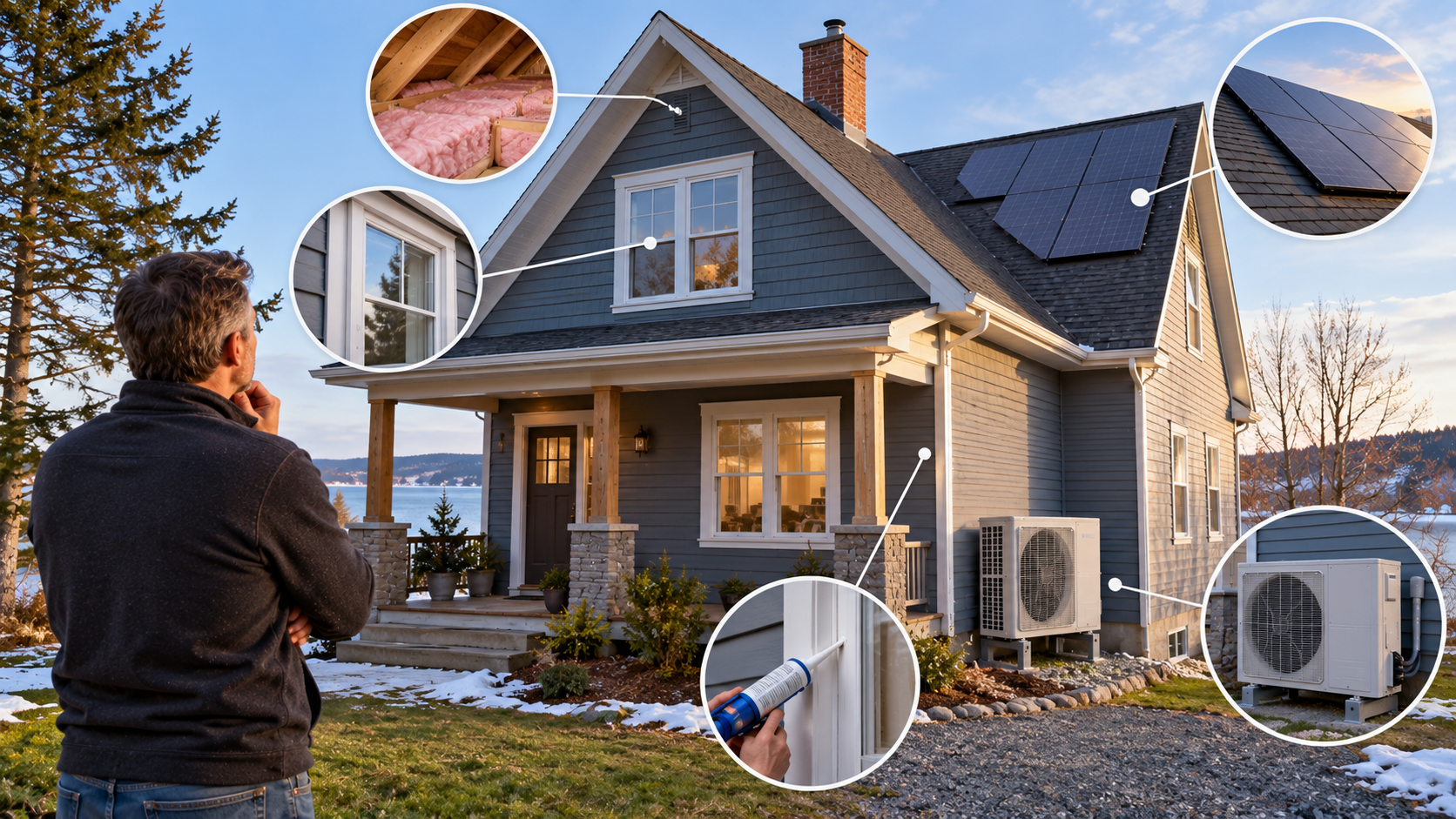
Energy-Efficient Upgrades: Which Ones Actually Pay Off?

Air sealing, insulation, windows, heat pumps or solar? Learn why the best investment depends on the weaknesses of the particular house.
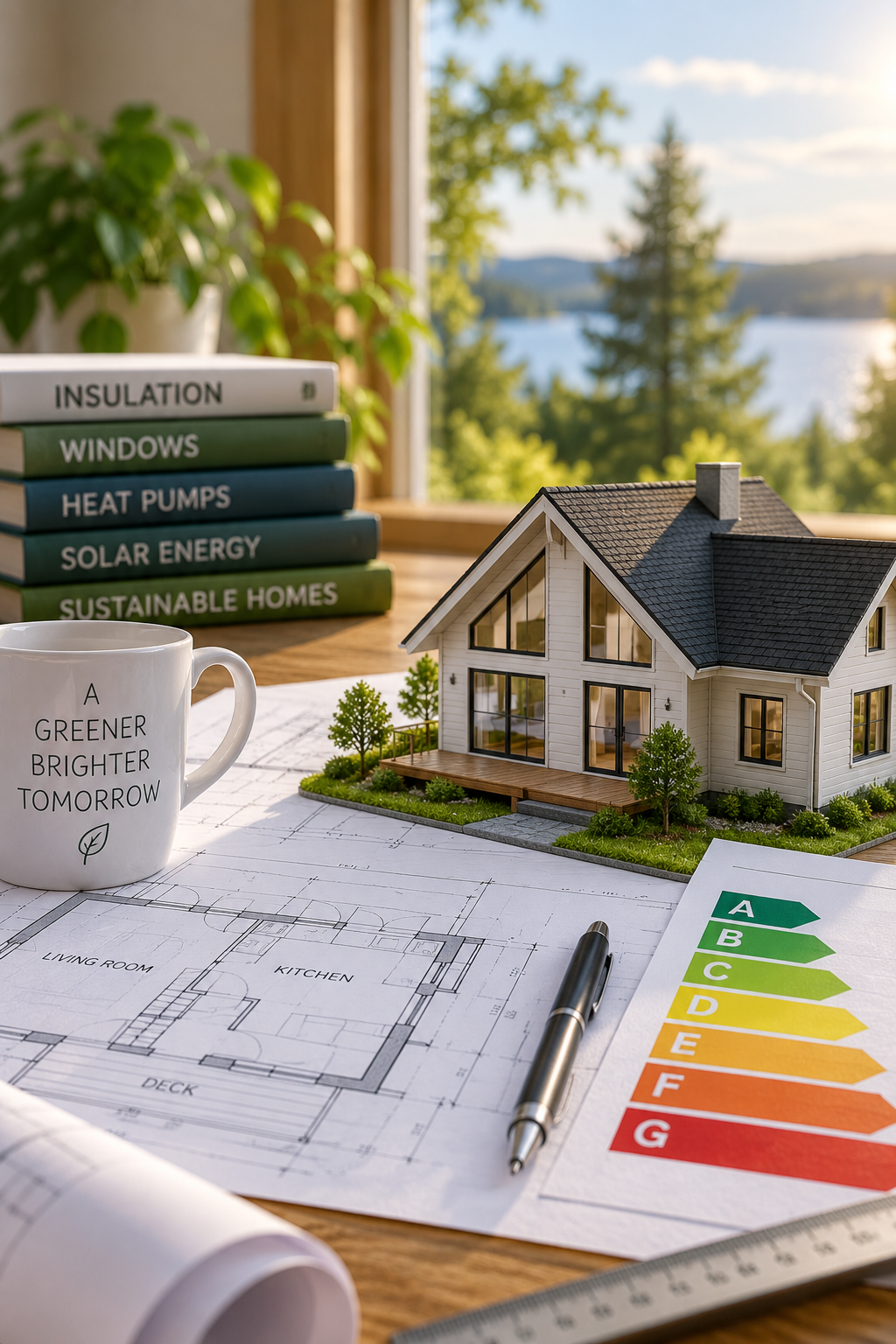
How to Think About Energy Efficiency

A Home Is a System

Energy efficiency isn't determined by one product or upgrade. A home's performance comes from how its different parts work together.

The building envelope controls heat loss.Insulation slows heat moving through walls, ceilings and floors. Air sealing controls unwanted air movement. Windows and doors affect both heat loss and solar gain.

Heating and ventilation work with the house.An efficient heating system can produce heat more efficiently, but the amount of heat a home needs depends heavily on the building around it. In a tighter home, controlled ventilation can provide fresh air without relying on uncontrolled leaks.

Energy demand and energy production are different.Passive solar design, insulation and air sealing can reduce the amount of energy a home needs. Solar panels can produce energy. Both can be valuable, but they solve different parts of the equation.

The best improvement depends on the house.New windows, more insulation, a heat pump or solar panels may all make sense in the right situation. The first question should be: Where is this particular house actually underperforming?

Understand the house first. Then evaluate the features.

Buying an Energy-Efficient Home

Look Beyond the Feature List

BUILDING ENVELOPE

How well insulated and air sealed is the home, and what type of windows are installed?

HEATING & VENTILATION

How is the home heated and ventilated, and how well do those systems work with the house?

ENERGY HISTORY

What does actual energy consumption show, and is an EnerGuide evaluation or other performance information available?

UPGRADES & DESIGN

Have efficiency upgrades been documented, and how do orientation, shading and solar gain affect the home?
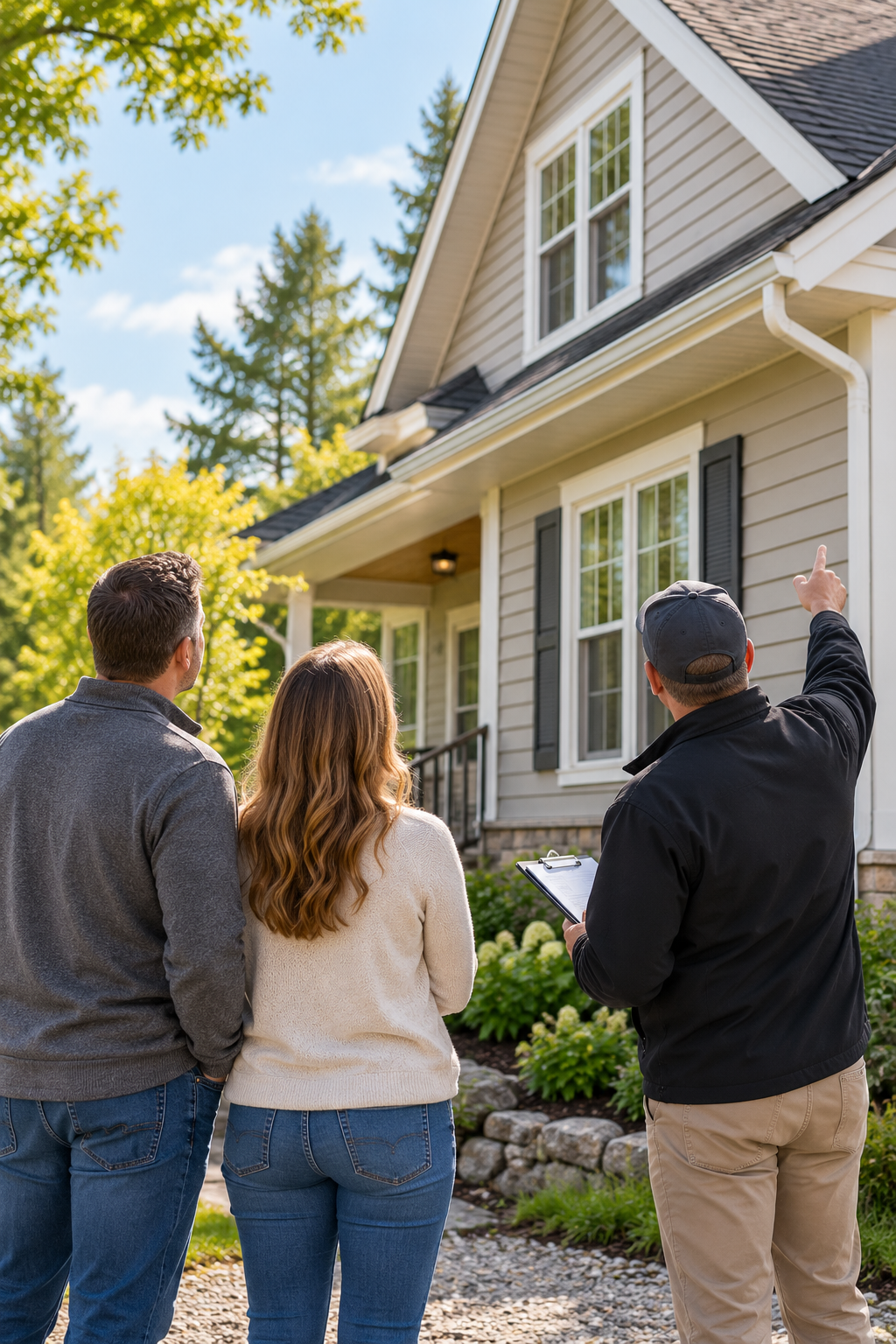

Don't buy the feature. Understand the house.

As a REALTOR® and Canadian Certified Green Representative (CCGR), I can help buyers recognize the energy-efficiency features of a home, understand the questions worth asking, and identify information that may deserve further investigation by the appropriate qualified professional.

Planning a Move to Nova Scotia?

Energy costs, heating systems, construction methods and even the terminology used in real-estate listings may be different from what you're accustomed to. I'm developing a dedicated relocation resource for buyers considering a move to Nova Scotia.

About the CCGR Certification

Specialized Knowledge for Energy-Efficient Homes

Rob Schellenberger, REALTOR® holds the Canadian Certified Green Representative (CCGR) certification from the Canadian Real Estate Association (CREA).

The CCGR certification focuses on areas including high-performance homes and energy efficiency, renewable energy and electrification, climate and environmental hazards, and environmental practices.

For buyers and sellers, that additional knowledge can be particularly useful when a property includes features such as enhanced insulation and air sealing, high-performance windows, heat pumps, solar systems, energy-efficient construction or other green-building features.

Learn more about the CCGR certification from CREA →

View Rob Schellenberger's REALTOR.ca profile →

Have Questions About an Energy-Efficient Home?

Every home is different. Whether you're buying, selling, relocating to Nova Scotia or simply trying to understand the features of a particular property, I'm happy to help you make sense of what you're seeing and identify the questions worth asking.

Buying or selling a home? Get in touch. I'm always here to help.