Moving to Nova Scotia: A home  Buyer's Guide

Rob Schellenberger Presents

Planning a move to Nova Scotia?

Get my free buyer's guide created specifically for people relocating to the province. Learn about Nova Scotia's different regions, the home-buying process, financing, rural properties, wells and septic, buying costs, and what to expect from your first search through closing day.

Buyer's Guide Form

Buyer's Guide
FREE DOWNLOAD

What You'll Find in the Guide

Moving to a new province involves more than finding the right house. This guide helps you understand some of the differences you may encounter when buying in Nova Scotia and what to expect throughout the process.

Choosing Where to Live

Explore Nova Scotia's different regions and some of the things to consider when deciding which community is right for you.

Buying from Out Of Province

Learn what to expect when planning your purchase from another province, including financing, house hunting and preparing for your move.

Wells, Septic and Rural Properties

Understand some of the additional considerations that come with rural properties, private wells and septic systems in Nova Scotia.

Heating & Older Homes

Learn about common heating systems, older homes and property features that may be different from what you are accustomed to.

Buying Costs & Property Taxes

Get an overview of expenses that can come with buying a Nova Scotia home, including closing costs and property-tax considerations.

Offers, Conditions & Closing

Understand what happens from making an offer through inspections, conditions, final preparations and closing day.

How to Choose Where to Live in Nova Scotia

Nova Scotia has many different kinds of communities and settings. Before narrowing your home search, consider how close you want to be to work, family, shops and other services; whether you picture yourself in a town or the countryside; and what kind of property and surroundings suit your day-to-day life.

Those priorities can help you compare regions and communities before focusing on specific homes. My work is based in the Annapolis Valley and surrounding areas. If the Valley is on your list, I can help you compare its towns and rural communities. Start with my Annapolis Valley home-buying guide.

Annapolis Valley community, farmland and surrounding landscape in Nova Scotia.

Moving to the Annapolis Valley?

The Annapolis Valley offers a mix of small towns, rural communities and larger centers, with everything from traditional neighbourhoods and historic homes to waterfront properties, acreages and country living.

For buyers moving from outside Nova Scotia, choosing the right community can be just as important as choosing the right home.  Communities such as Wolfville, Kentville, New Minas, Berwick, Greenwood, Middleton and Annapolis Royal each offer something a little different, while the surrounding rural areas provide even more options.

Having made the move from Ontario to Nova Scotia myself, I understand that many of the questions start well before you begin looking at houses. I help relocating buyers understand the communities, properties and practical considerations that can affect where they ultimately choose to call home.

I've Made the Move Too

Moving to Nova Scotia is a big decision, and I understand it from personal experience.  I relocated here from Ontario with my family and went through many of the same decisions about where to live, what to expect and how life here would be different.

Today, I help buyers making that same move. Whether you're still deciding which part of Nova Scotia is right for you or you're ready to start looking at homes, I can help you understand the communities, properties and buying process so you can make informed decisions along the way. Here’s what some of my past clients have said about working with me. 

Buying a Home in Nova Scotia While You’re Still Out of Province

Buying from a distance means you need a clear look at the home, including its less polished details. When I visit a property for an out-of-province buyer, I record a walkthrough video and take photos that document its condition—not just its most attractive angles. That may mean photographing wear or damage, such as a dog-chewed baseboard.

These walkthroughs help you decide what to ask about and whether the home is worth seeing in person. They don’t replace a professional inspection, but they can help identify details to investigate further. I can also help you compare communities and understand local features such as heating, private wells and septic systems. For the broader purchase process, see my Buying a Home in Nova Scotia guide.

Rob Schellenberger recording a home walkthrough video beside a damaged baseboard.

How Buying a Home in Nova Scotia Works When You’re Moving From Away

Buying from another province usually involves a few key stages. The details depend on your financing, the property and your moving timeline.

  1. Plan your budget and timing. Talk with a mortgage professional about pre-approval, the documents you’ll need and how your moving date may affect your purchase.
  2. Choose where to focus your search. Start with the part of Nova Scotia that fits your work, family and day-to-day needs, then narrow down the communities and property types that suit you.
  3. Review homes and their condition. When you can’t attend a viewing, I can visit the property, record a walkthrough video and take photos that show its condition. These can help you decide what to ask and whether to pursue the home; they don’t replace a professional inspection.
  4. Make an offer and work through the conditions. The right conditions depend on the home. Financing, inspection, water quality, well or septic reviews may be relevant. Discuss the offer and legal questions with the appropriate professionals.
  5. Complete the purchase and prepare for possession. Your lawyer handles the legal closing. Before taking possession, arrange the final walkthrough and the practical details for moving into the home.

For more detail on offers, conditions and closing, read my Buying a Home in Nova Scotia guide.

Planning a Home-Hunting Visit to Nova Scotia

If you’re travelling to Nova Scotia to look at homes, plan for more than a full schedule of showings. Decide which areas matter most, group appointments to limit unnecessary driving, and leave time to experience the communities between them. Drive the routes you expect to use and consider how everyday errands and services fit into your plans.

If your visit includes more than one region, allow enough time for the travel between them. And if you can’t visit every property in person, I can go to the home to record a walkthrough video and take condition photos, as described above.

For more detail on offers, conditions and closing, read my Buying a Home in Nova Scotia guide.

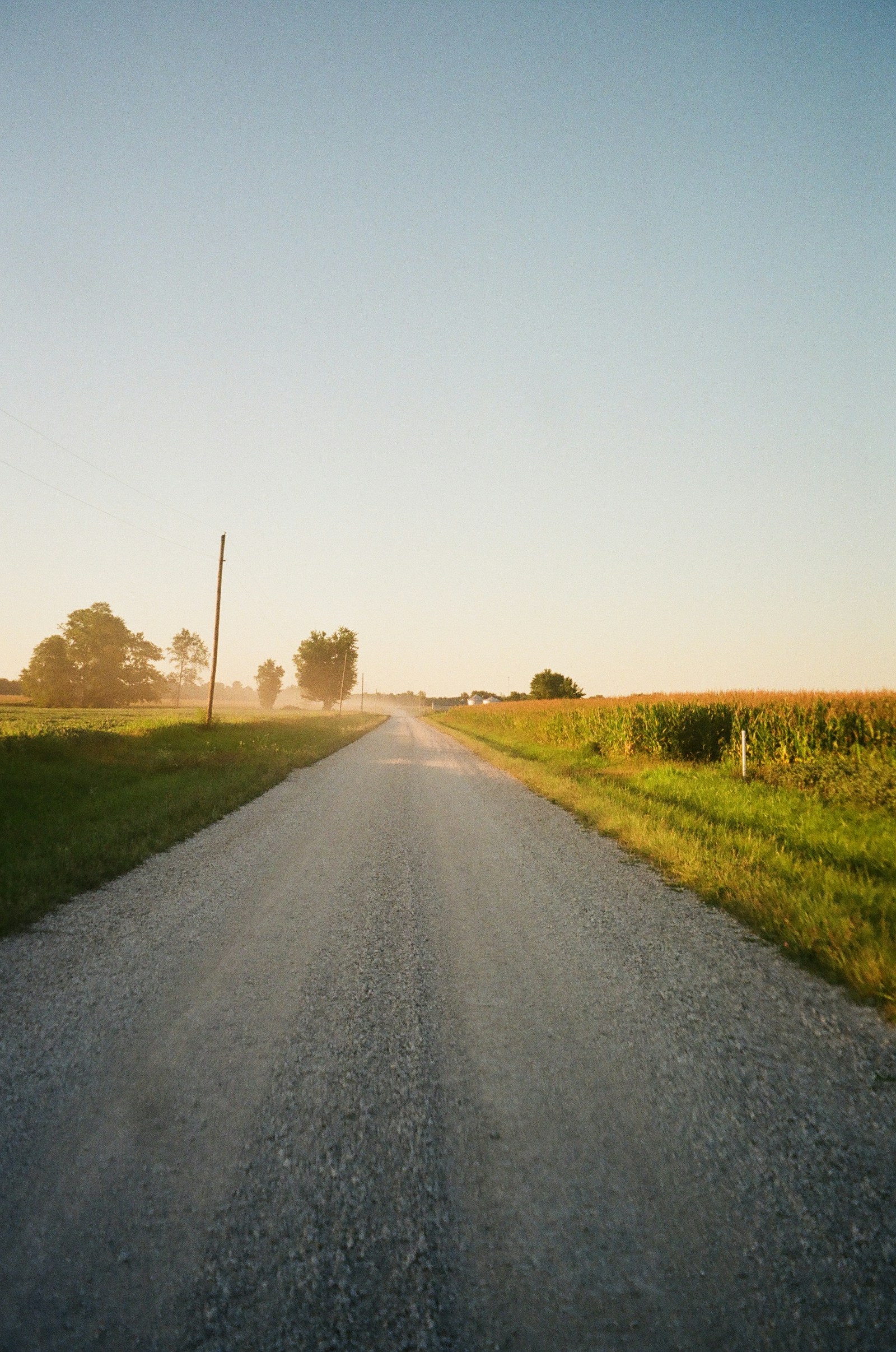
Paved country road through the Annapolis Valley countryside

How Much Time Should I Allow for a Home-Hunting Visit?

The time you need depends on how many communities you’re comparing, how far apart they are and whether you already know the areas. A visit focused on the Annapolis Valley will need a different schedule from one that includes more than one region. Leave time to experience the communities and drive the routes between showings, not just view homes. I can help organize the visit around your areas and priorities, and record walkthrough videos and condition photos for homes you can’t see in person.

Middleton & Area Family Health Center in Middleton, Nova Scotia

Healthcare and Primary Care After Your Move

Healthcare access is one of the practical details to consider as you plan a move. If you’re moving permanently from another province or territory, Nova Scotia Health Card coverage usually begins on the first day of the third month after you become a resident. Check the health coverage rules for people moving to Nova Scotia and confirm how your current coverage applies during the transition.

Finding primary care

Finding a family doctor or nurse practitioner may take time. If you’re new to Nova Scotia and don’t yet have a Nova Scotia Health Card, you need to call 811 to register with the Need a Family Practice Registry and find other primary care options. Nova Scotia Health also lists ways to access primary care while you’re looking for a provider.

As you compare places to live, check travel time to the healthcare services your household uses regularly, such as a pharmacy, hospital, or available primary care options. Services and travel times vary by community.

Schools and Child Care When Choosing Where to Live

If you’re moving with children, school options, transportation and child-care availability may affect which communities work for your family. For a broader look at how services and location affect your decision, read my guide to choosing where to live in Nova Scotia.

Acadia University campus in Wolfville, Nova Scotia

Checking public school options

Nova Scotia’s public school directory lists school locations, grade ranges and contact details. Once you have a property or area in mind, contact the relevant Regional Centre for Education to confirm the school, registration process, transportation and program details for that address.

Families considering French-first-language education can use the CSAP school finder and contact CSAP to confirm school options and eligibility.

Looking into child care

The province’s child-care information for families links to a directory of licensed facilities, family home child-care agencies and before-and-after programs. Contact providers directly to ask about openings, waitlists, hours and age groups; a directory listing doesn’t confirm that a space is available.

College and university options

For families with older teens or young adults, campus location may also matter when comparing communities. NSCC has locations across Nova Scotia, including the Annapolis Valley Campus in Middleton, Kingstec Campus in Kentville and COGS in Lawrencetown. Explore NSCC campuses and locations for campus details and programs.

Nova Scotia also has universities in several regions. Use the Nova Scotia university directory to visit institution websites and confirm current programs and locations.

Common Questions About Buying a Home in Nova Scotia

Can I buy a home in Nova Scotia before I move?

Yes. Many buyers begin their home search while they still live elsewhere. Financing, property reviews, offer conditions and your closing timeline all need to be planned around your move. If you expect to be out of province near closing, contact your Nova Scotia real estate lawyer early to confirm how your documents must be signed and delivered. I can complete the pre-closing walkthrough on your behalf and arrange for you to receive the keys when you arrive.

Should I rent first or buy when moving to Nova Scotia?

There’s no single right answer. Renting first can give you time to get to know communities before choosing where to live, especially if you haven’t visited or are still comparing areas. Buying sooner may make sense if you’ve researched the communities, know what you need in a home and have a clear moving timeline.

Consider the cost and practicality of temporary accommodation, moving twice and the time you’ll have to explore before making a decision. If you’re unsure, we can talk through your timing and priorities before you decide.

What should remote workers check before buying in Nova Scotia?

Remote work can give you more flexibility about where to live, but internet and cell service can vary by community and by address. Before making an offer, check with providers about service at the specific civic address and ask the current owner what connection they use. If your work depends on a reliable connection, also consider what you would do during a power or internet outage.

Could a provincial deed transfer tax apply if I’m moving here?

Nova Scotia’s Non-resident Provincial Deed Transfer Tax is currently 10% for qualifying residential purchases. Buyers who intend to move to Nova Scotia may qualify for an exemption, but eligibility and proof requirements matter. The rules were updated in 2026, so confirm your situation with your lawyer and check the current provincial tax rules.

Could there also be a municipal deed transfer tax?

Some municipalities charge a separate deed transfer tax, and rates vary by location. Check the provincial municipal tax information and rate list, then confirm the current rate with the municipality.

What other costs should I budget for?

Costs beyond your down payment depend on the property and where you’re buying. My guide, How Much Does It Really Cost to Buy a Home in Nova Scotia?, explains the expenses buyers may need to plan for.  

Is it less expensive to move from Ontario to Nova Scotia?

Homes may cost less in Nova Scotia than in many Ontario markets, but the purchase price alone doesn’t determine whether your move will be less expensive overall. Property taxes, heating, income taxes, commuting and maintenance can all affect your costs, and these vary by location and property. My article Moving to Nova Scotia from Ontario: Is It Actually Cheaper in 2026? looks at those costs and trade-offs.

Should I speak with a lender before I start looking?

Yes. A conversation with a mortgage lender or broker can help you understand your potential budget and what documents you may need. Explain your employment and move plans, including any expected job change, remote work, or income from outside Nova Scotia. Lenders set their own requirements, and pre-approval is not final mortgage approval. For more detail, read my guide to getting pre-approved for a mortgage.

What It’s Like to Buy From Away

“Rob worked with us for around a year, learning what we wanted from a house, location and helped us to navigate the housing market.”

— Nathan & Hayley C., first-time buyers who moved from British Columbia 

Ready to Talk About Your Move to Nova Scotia?

You don't have to have everything figured out before getting in touch. Whether you're still comparing communities, planning a future move or ready to start looking at properties, I'm happy to answer questions and help you understand your options.

Prefer to call? 902-300-8674

×

Do you have questions?

Call or text today.
I am always here to help!

902-300-8674