A home inspection rarely ends with the inspector saying, “Everything is perfect.”
Homes have maintenance items, aging components, previous repairs and defects. Even a well-maintained property will usually produce an inspection report containing observations and recommendations.
So the important question isn't whether the inspector found something.
It's:
What was found, how significant is it, and does it change your decision about buying the property?
When an inspection uncovers a concern, the next step is to understand the issue before deciding what—if anything—you want to do about it.
Finding a Problem Doesn't Automatically Mean the House Is a Bad Buy
An inspection report can look intimidating.
Several pages of observations, photographs and recommendations can make a house appear much worse on paper than it did during the showing.
But an inspection report isn't a pass-or-fail test.
A loose railing, aging roof, active plumbing leak and major foundation concern might all appear in the same report, but they don't carry the same significance.
Some findings are ordinary home maintenance.
Some are repairs you may want to budget for.
Some need further investigation.
And occasionally, an issue is significant enough to change whether you're comfortable buying the property at all.
The job after the inspection is to separate those categories rather than react to the length of the report.
Start With the Findings That Matter Most
When reviewing the inspection, it can help to concentrate first on concerns involving:
Safety
Active water intrusion
Structural issues
Major building systems
Significant deterioration
Problems that could affect insurance
Issues that could affect financing
Repairs that may involve substantial expense
Conditions that require specialist investigation
Something materially different from what you reasonably expected when making the offer
Cosmetic imperfections and routine maintenance still matter because you'll own them after closing.
But they don't necessarily deserve the same attention as an active roof leak, unsafe electrical condition or failing heating system.
Prioritize before you negotiate.
Make Sure You Understand What the Inspector Actually Said
Inspection reports often use cautious language.
An inspector might identify evidence of moisture, movement, deterioration or an installation that appears unusual and recommend further evaluation.
That doesn't necessarily mean the inspector has diagnosed the cause.
Before deciding what to do, make sure you understand:
What did the inspector observe?
Why does it matter?
Is the problem active or historical?
Does the inspector know the likely cause?
How urgent is it?
Is further investigation recommended?
If you're uncertain, talk to the inspector.
The conversation after the inspection can be just as valuable as the written report.
Sometimes the Next Step Is Another Inspection
A general home inspector identifies many conditions, but some questions require specialized expertise.
If the inspection reveals a potentially significant issue, the appropriate next step may be to bring in another professional.
Depending on the concern, that could mean:
A licensed electrician
A plumber
A heating or HVAC technician
A roofer
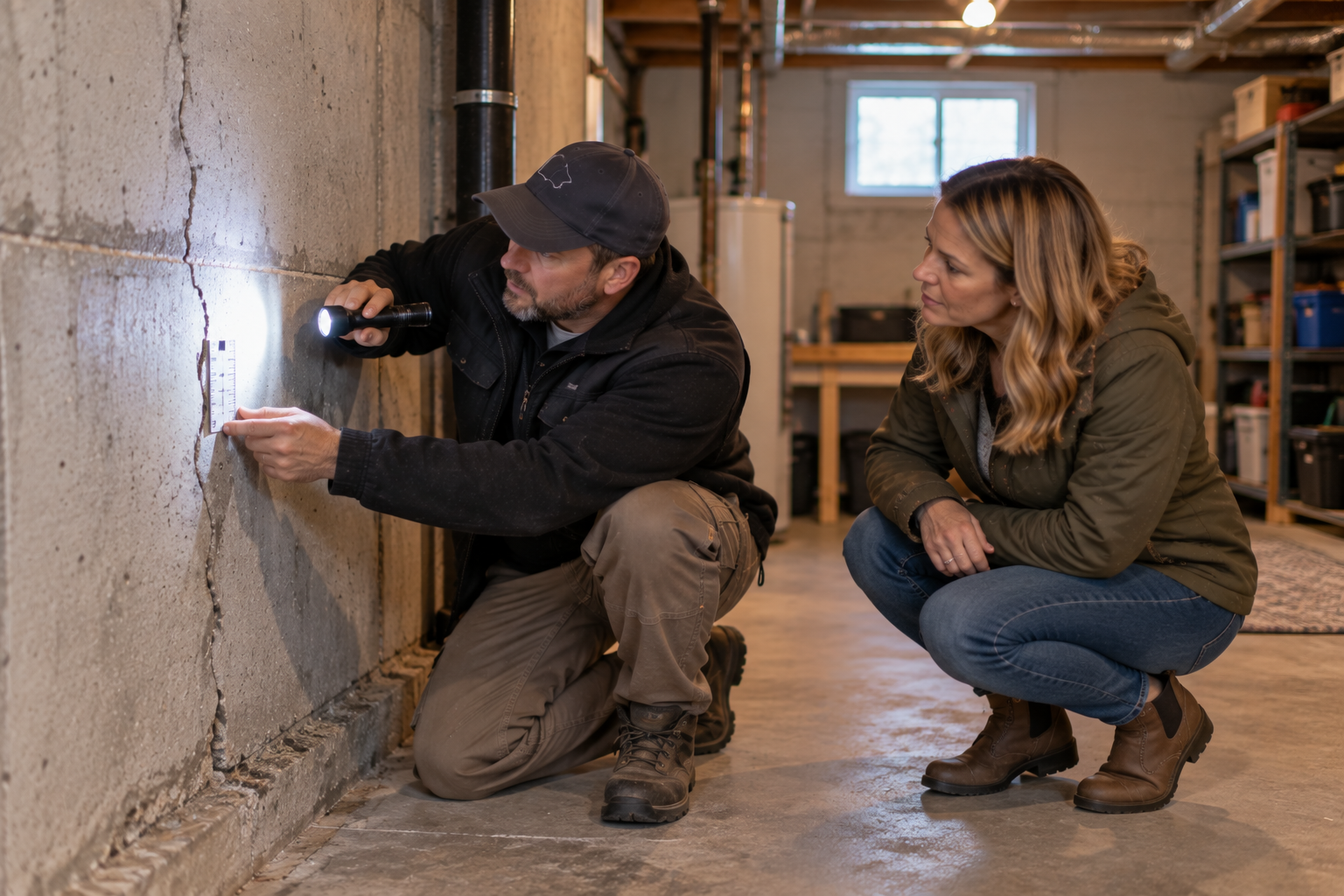
A structural engineer
A foundation specialist
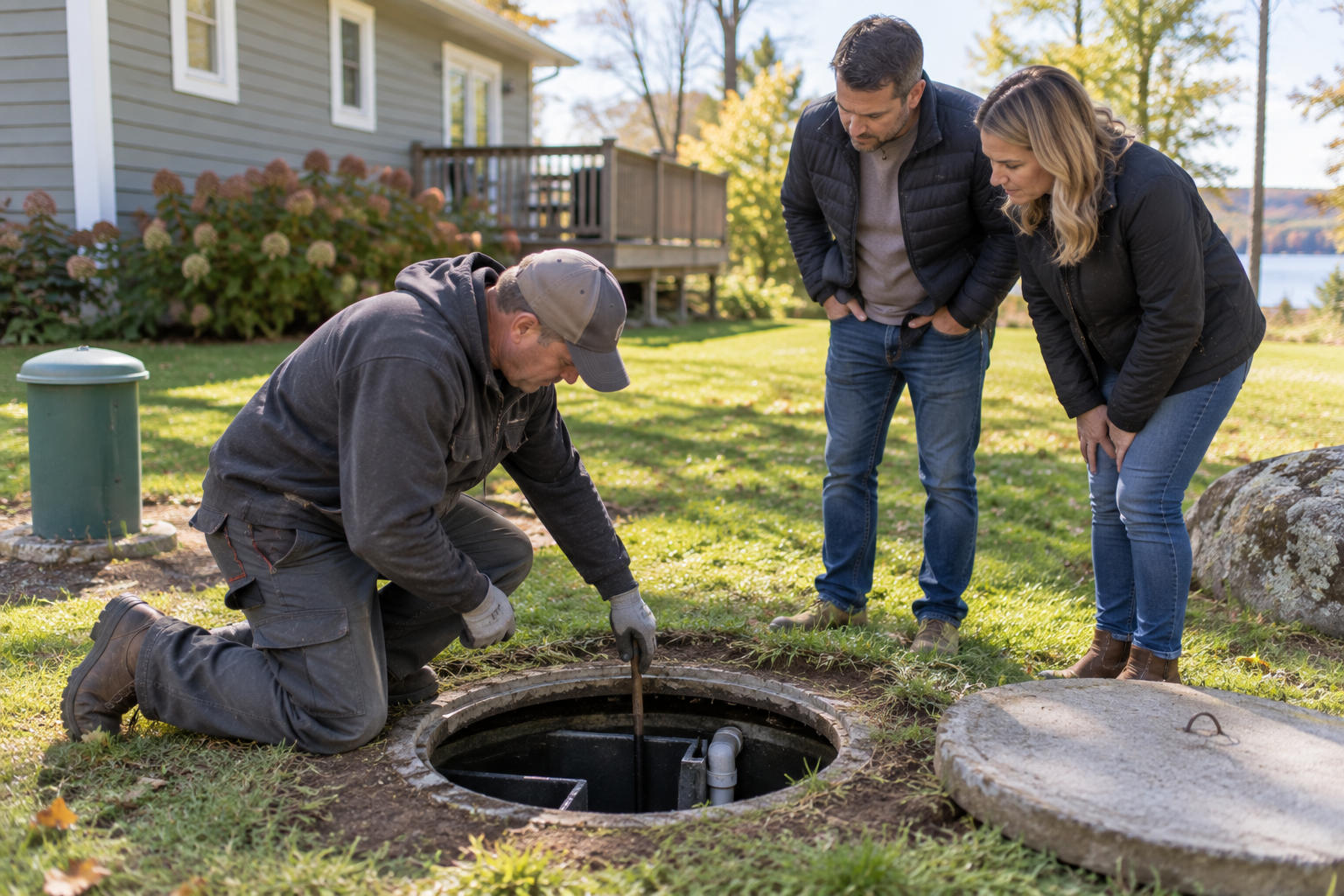
A septic professional
A well professional
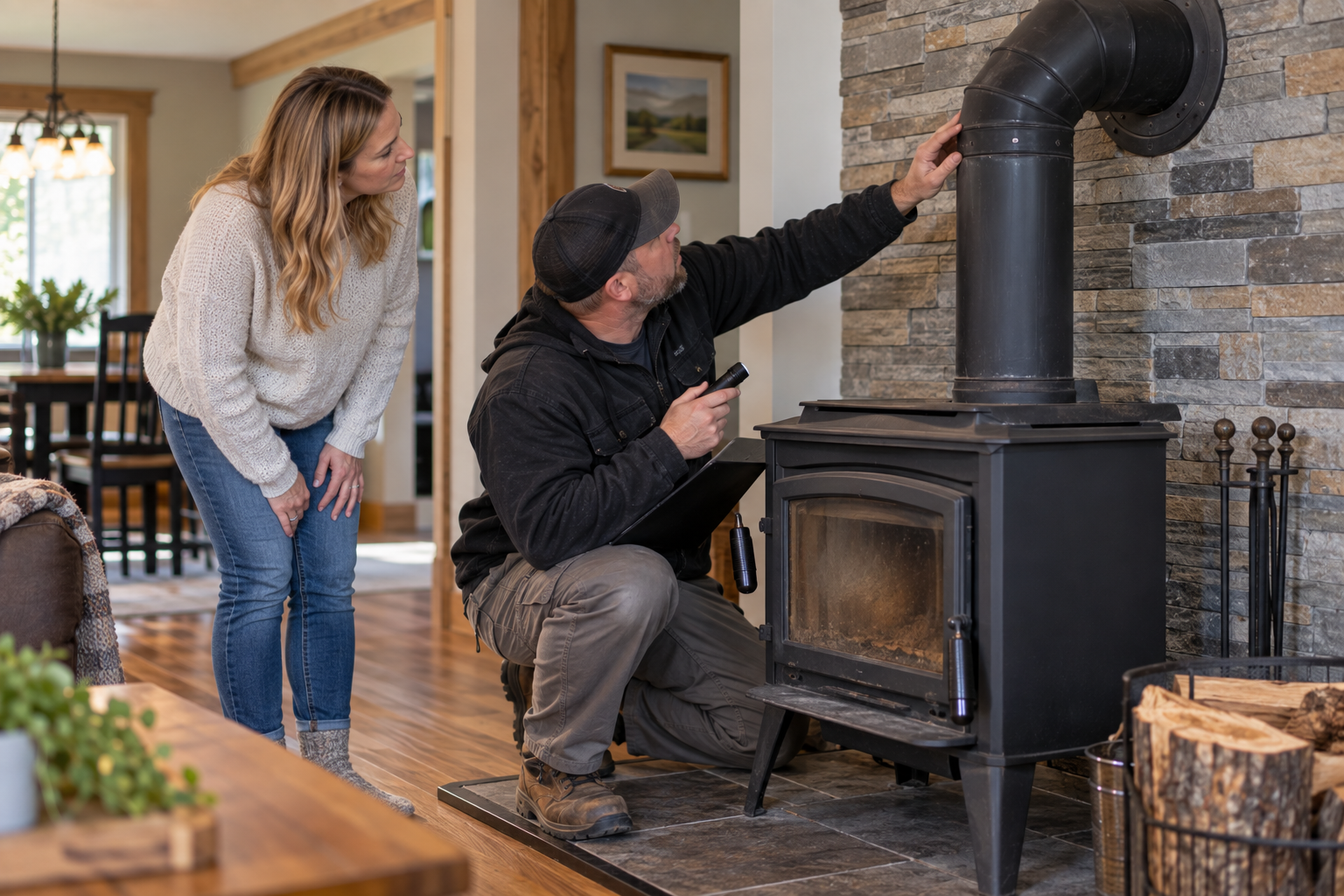
A WETT-certified professional
Another appropriately qualified specialist
The purpose is to turn an uncertain observation into better information.
For example, “possible structural movement” is difficult for a buyer to evaluate.
A qualified professional may be able to determine whether the condition is minor, historical, actively moving or something requiring substantial corrective work.
Better information usually leads to a better decision.
Don't Guess at Repair Costs
Once buyers see a problem, one of the first questions is usually:
How much will that cost to fix?
Sometimes there is an obvious answer.
Often there isn't.
A home inspector may be able to explain the nature of a problem, but that doesn't necessarily mean they should be expected to provide an exact repair estimate.
If the cost could materially affect your decision, consider obtaining information from the professional who would actually perform or specify the work.
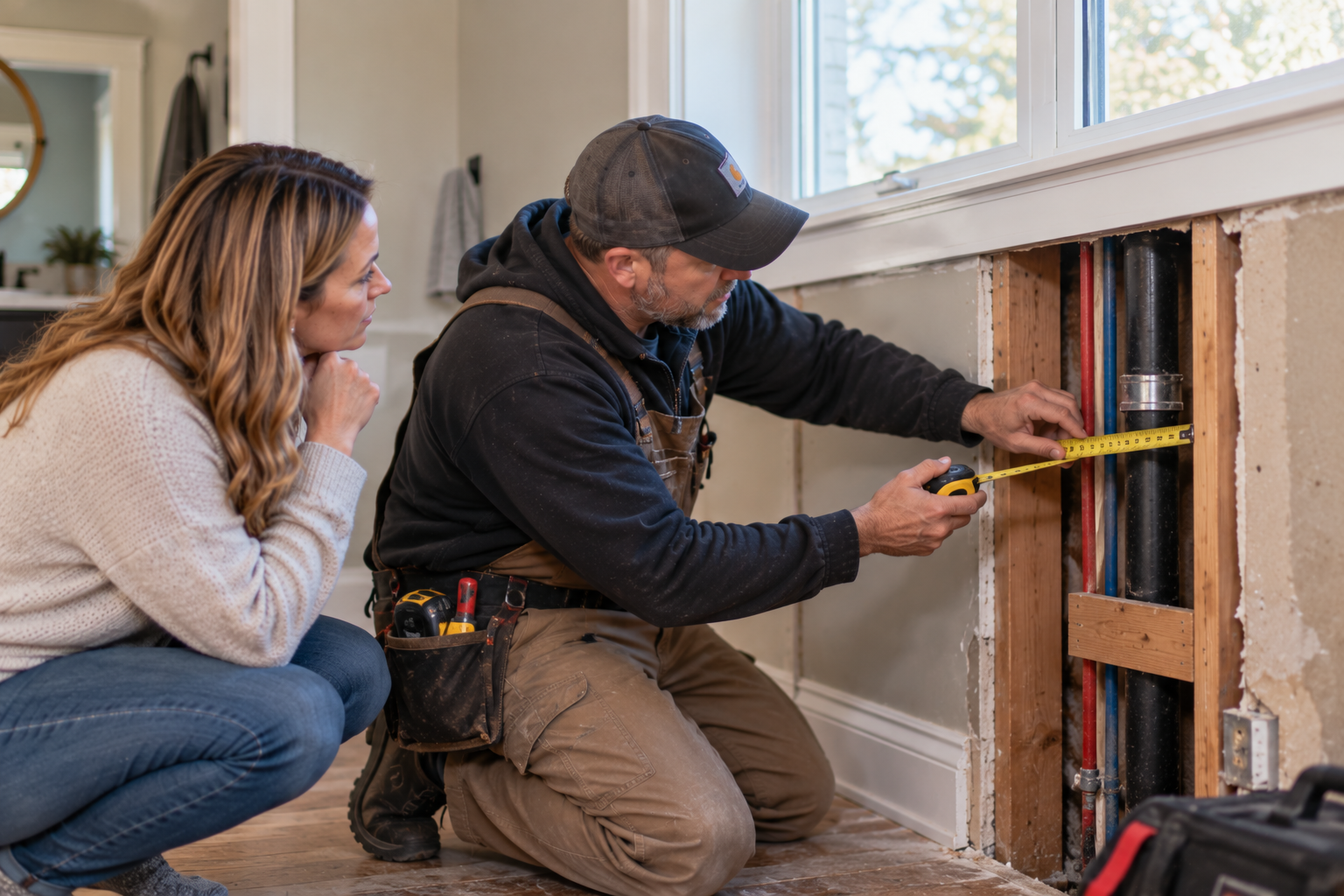
A contractor may see a different scope once finishes are removed.
A roofer may discover that decking needs replacement.
An electrician may find that what appeared to be a small repair involves a larger part of the system.
A foundation specialist may recommend monitoring rather than major work—or the opposite.
When the number matters, try to base your decision on something more reliable than a guess.
A Repair Estimate Isn't Always a Final Price
Even a contractor's estimate has limitations.
Some problems can't be fully understood until work begins.
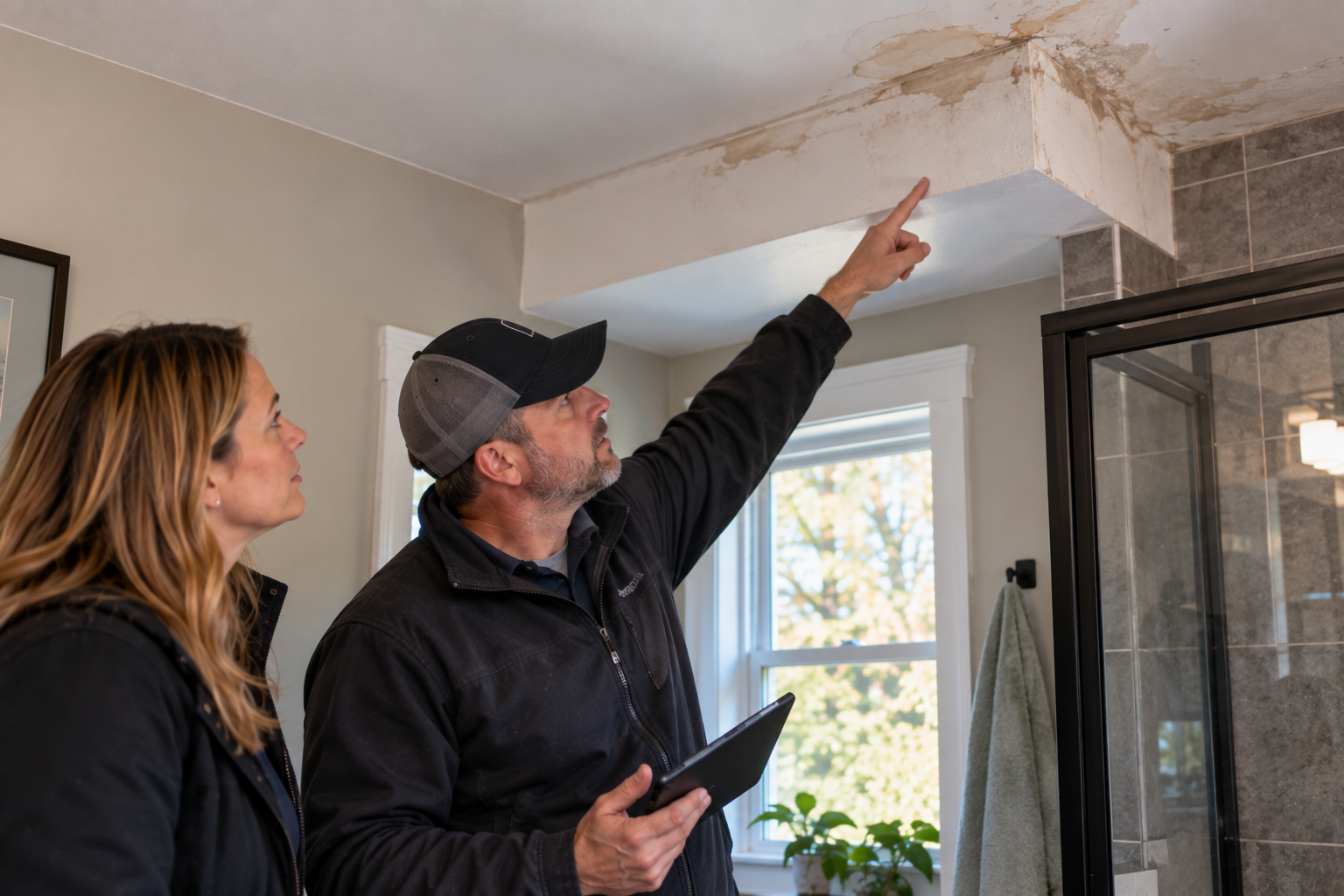
Water damage may extend farther than the visible stain.
Rot may be concealed behind siding.
A leaking shower may have damaged framing below.
An older electrical system may contain alterations that aren't visible until work starts.
That doesn't make estimates useless.
It means buyers should understand the difference between:
“This appears to be the likely cost based on what we can currently see”
and
“This is guaranteed to be the total cost.”
That distinction becomes especially important when you're deciding how much financial risk you're comfortable accepting.
You Don't Have to Ask the Seller to Fix Everything
An inspection isn't automatically a list of repairs for the seller.
A used home isn't expected to become a new home simply because it was inspected.
You may decide that many findings are ordinary ownership items you're comfortable taking on yourself.
A better question is:
Which findings materially change what I believed I was buying?
That helps keep the focus on significant concerns rather than every loose handle, worn finish or maintenance item in the report.
What Options Does a Buyer Have After an Inspection?
If your purchase is subject to a property-inspection condition and the inspection identifies problems, what happens next depends on the wording of your Agreement of Purchase and Sale, the findings, your condition deadline and what you're comfortable accepting.
In Nova Scotia, NSREC explains that when a buyer isn't satisfied with a condition but still wants to proceed, the buyer can propose an amendment to try to resolve the issue. A seller isn't required to accept that proposal.
Broadly, a buyer might decide to:
Accept the property as it is and proceed
Seek additional information before deciding
Propose that the seller complete a specific repair
Propose a change to the purchase price
Propose another solution appropriate to the issue
Propose additional time for further investigation
Decide not to proceed if the buyer remains unsatisfied with the applicable condition
The right approach depends on the property, the contract and the buyer's priorities.
There isn't one response that makes sense for every inspection finding. Nova Scotia Real Estate Commission
Asking for a Repair Is a Negotiation
Finding a defect doesn't automatically obligate the seller to repair it.
If a buyer proposes an amendment because of an inspection concern, the seller can accept it, reject it, ignore it or propose a different amendment.
If an amendment is accepted, its terms become part of the agreement.
If it isn't accepted, the original terms and deadlines remain in effect. Nova Scotia Real Estate Commission
That's important because buyers sometimes assume that once a problem is discovered, the next step is simply deciding how the seller will fix it.
It isn't.
The inspection provides information. What happens with that information may become a negotiation.
Repair, Price Reduction or Another Solution?
Different problems can lend themselves to different approaches.
Suppose the inspection reveals an active plumbing leak.
A buyer may prefer to have the leak professionally repaired before closing because allowing it to continue could cause additional damage.
Now suppose the roof is nearing the end of its useful life.
A buyer might prefer to take responsibility for replacing it after closing rather than having the seller choose the contractor and scope of work.
In another situation, the buyer and seller may agree to a change in price.
There is no universal rule that says a repair is better than a price adjustment—or the other way around.
Consider:
How urgent is the problem?
Could it worsen before closing?
Who should perform the work?
Does the buyer want control over the repair?
Does the issue affect insurance or financing?
Can the work reasonably be completed before closing?
Is the proposed solution clearly documented?
The nature of the problem should help shape the solution.
A Price Reduction Doesn't Put the Same Amount of Cash in Your Pocket
This is an important distinction.
If the purchase price is reduced by $10,000, that doesn't necessarily mean the buyer has an extra $10,000 available after closing to complete repairs.
Depending on the financing arrangement, much of that reduction may simply reduce the amount being borrowed.
If you're considering a price reduction because you expect to complete substantial work after closing, discuss the financing implications with your mortgage professional.
Purchase price and available renovation cash aren't the same thing.
Be Specific About Agreed Repairs
If the buyer and seller agree that work will be completed before closing, vague wording can create problems.
“Repair roof.”
“Fix electrical.”
“Repair leak.”
Those phrases can leave plenty of room for disagreement about what was actually promised.
The agreement should make the required outcome as clear as reasonably possible.
Depending on the situation, that could include matters such as:
The specific problem being addressed
Who is qualified to perform the work
Whether invoices or receipts are to be provided
When the work must be completed
Whether further documentation is required
Your REALTOR® can prepare the appropriate real-estate documentation, while technical specifications should come from the qualified professional where necessary.
The goal is for everyone to understand what has actually been agreed to.
Think Carefully Before Asking a Seller to Complete a Major Renovation
Sometimes a buyer would rather receive an appropriate negotiated adjustment and control the work after closing.
Why?
Because the buyer will be living with the repair.
If a roof needs replacing, the buyer may care about the contractor, materials, warranty and timing.
If a basement requires significant work, the buyer may want to coordinate it with future renovations.
If an older heating system needs replacement, the buyer may want to choose a completely different type of system.
Seller-completed work can make sense, particularly when a problem must be corrected before closing.
But “seller to repair” isn't automatically the best solution simply because it sounds convenient.
Some Problems Affect More Than the Repair Budget
An inspection finding may have consequences beyond the cost of fixing it.
Consider a problem involving:
An oil tank
A wood-burning system
Electrical wiring
A roof in poor condition
Significant water damage
A failed septic system
Structural concerns
The issue may affect whether an insurance company will insure the property.
It may affect financing.
It may require another professional.
It may affect whether the property is suitable for the buyer's intended use.
So before reducing every problem to a repair estimate, ask whether it creates another condition that also needs to be satisfied.
Insurance Should Be Considered Before You Waive Conditions
If an inspection reveals something that could affect insurability, contact your insurance provider before deciding how to proceed.
Don't assume you'll sort it out after closing.
Your insurer may want more information.
It may require a repair.
It may have conditions for coverage.
Or the issue may not create a problem at all.
The important thing is to find out while you still have the opportunity to make an informed decision under the terms of your agreement.
Financing Can Also Be Affected
Some inspection findings can intersect with mortgage financing.
A lender may have concerns about the condition or marketability of a property, particularly if another part of the financing process—such as an appraisal—identifies the issue as well.
If a substantial defect is discovered, keep your mortgage professional informed when appropriate.
And remember that a mortgage pre-approval isn't final approval of every property you might decide to buy.
The buyer must qualify.
The property also has to work for the financing.
What If the Seller Says No?
A buyer proposes a $15,000 price reduction.
The seller says no.
What happens?
The original agreement doesn't automatically change.
Under NSREC's current process, the seller may accept, reject or ignore the proposed amendment, or propose a different amendment. If the amendment isn't accepted, the original Agreement of Purchase and Sale remains in effect, including the original buyer-condition deadline. Nova Scotia Real Estate Commission
The buyer then has to decide what to do within the rights and timelines provided by the agreement.
That could mean proceeding under the original terms if satisfied.
It could mean considering a different negotiated solution.
Or, if the buyer remains unsatisfied with an applicable buyer's condition, it could mean not proceeding.
Making a request and having that request accepted are two different things.
The Clock Doesn't Stop Because You're Negotiating
This is one of the most important practical points.
If you're negotiating an inspection issue, your original condition deadline still matters unless an amendment changing that deadline has been accepted.
NSREC specifically advises that an amendment related to buyer conditions should be submitted early enough that the seller's response deadline occurs before the original buyer-condition deadline. That gives the buyer time to decide what to do if the seller doesn't accept the proposal. Nova Scotia Real Estate Commission
Waiting until the final moments can unnecessarily limit your options.
If further investigation is needed, start arranging it as soon as possible.
If you're considering an amendment, don't treat the condition deadline as though it has been paused.
What If You Need More Time?
Sometimes the inspection raises a question that can't reasonably be answered before the original deadline.
Perhaps a structural engineer isn't available for several days.
Maybe you're waiting for a contractor.
Perhaps a laboratory result hasn't arrived.
A buyer can propose an amendment requesting an extension of the buyer-condition deadline.
But again, it is a proposal.
The seller has to agree to the extension for the deadline to change.
Until an extension is accepted, the original deadline remains the deadline. Nova Scotia Real Estate Commission
Satisfied With the Inspection? Form 408 Still Matters
In Nova Scotia, being satisfied with your inspection isn't the end of the process.
For the buyer's conditions in the standard Agreement of Purchase and Sale that use the current satisfaction process, the buyer must provide Form 408: Buyer Waiver of Conditions confirming satisfaction and waiving the applicable conditions on or before the agreed deadline.
If all applicable conditions aren't properly waived by the deadline, the agreement is deemed terminated. Nova Scotia Real Estate Commission
That's why condition deadlines aren't administrative details.
They're part of the contract.
What If You're Not Comfortable Proceeding?
Sometimes additional investigation answers the question.
Sometimes a negotiated solution makes the buyer comfortable.
And sometimes the information changes the buyer's view of the property.
Under the standard Nova Scotia buyer-condition process, if a buyer determines before the condition deadline that they aren't satisfied with an applicable condition, the buyer may terminate in accordance with the agreement. If the buyer doesn't provide the required Form 408 waiving the applicable buyer conditions by the deadline, the agreement is deemed terminated. Nova Scotia Real Estate Commission
The exact rights and obligations depend on the agreement you've signed, so this isn't an area for assumptions.
Review the situation and the contract with your REALTOR®, and obtain legal advice when appropriate.
Don't Let the Deposit Become an Afterthought
If an agreement terminates, that doesn't necessarily mean a deposit sitting in a brokerage trust account is simply handed back immediately.
NSREC's current guidance explains that where trust funds are being held, their release is subject to its by-laws. The brokerage must continue holding the funds until the parties provide the required written direction or a court orders their disbursement. Form 440 can be used for a termination and release of deposit. Nova Scotia Real Estate Commission
For most buyers, the important takeaway is simple:
Follow the proper process rather than assuming the money automatically moves when the transaction terminates.
The Property Disclosure Statement Is Part of the Picture—Not a Replacement for Inspection
If the seller provided a Property Disclosure Statement (PDS), compare relevant inspection findings with what was disclosed.
The PDS records information based on the seller's knowledge of the property. NSREC describes it as a starting point for conversation and further investigation—not a substitute for independent inspection. Nova Scotia Real Estate Commission
Sometimes an inspection finding may lead to another question for the seller.
Perhaps there is evidence of a previous leak.
Maybe the inspector sees a repaired foundation crack.
Perhaps there are signs that a system was replaced or modified.
Your REALTOR® can ask appropriate follow-up questions through the seller's representative.
A Defect Discovered During Inspection Isn't Automatically a Disclosure Problem
This distinction matters.
A home inspection may discover something the seller genuinely didn't know about.
NSREC distinguishes between visible—or patent—defects and material latent defects that can't be identified through reasonable inspection. Sellers are required to disclose known material latent defects, but discovering a problem during an inspection doesn't by itself prove that the seller knew about it or failed to disclose it. Nova Scotia Real Estate Commission
If a significant issue raises legal questions about disclosure or representation, that's something to discuss with your lawyer.
Don't jump from:
“The inspector found a problem”
to
“The seller hid a problem.”
Those are very different conclusions.
Don't Lose Sight of the Whole House
Inspection negotiations can sometimes become so focused on one finding that buyers forget why they wanted the property in the first place.
Suppose a house needs a $7,000 repair.
That's significant.
But whether it changes the purchase decision depends on the property, the purchase price, your budget, your plans and what else you've learned.
Conversely, a problem doesn't have to carry a huge repair estimate to matter.
A recurring water issue may concern you because of how you intend to use the basement.
A wood-burning system may matter because your insurer won't accept it in its present condition.
A private road issue may affect your intended year-round use.
The decision isn't simply:
“How much does the repair cost?”
It's:
“Knowing what I know now, am I still comfortable buying this property on the terms available to me?”
Avoid Negotiating Just Because You Can
An inspection condition is there to help a buyer investigate the property and make an informed decision.
It shouldn't turn into an automatic second round of bargaining over every maintenance item.
A focused response is often much more useful.
Identify the issues that genuinely matter.
Understand them.
Get additional information where necessary.
Then decide whether you are comfortable proceeding, whether a reasonable amendment would address your concern or whether the information changes your decision about the property.
That keeps the inspection process centred on risk and informed decision-making, rather than treating the report as a shopping list.
Keep Your Long-Term Plans in Mind
Sometimes an inspection finding overlaps with work you were already planning.
If you intended to renovate the kitchen, some older plumbing may be less concerning because you already expected to change it.
If you planned to replace an older heating system, its remaining lifespan may simply become part of that budget.
If you wanted to finish the basement, moisture management may suddenly become much more important.
The same physical condition can matter differently to different buyers.
That's why inspection decisions should reflect your plans for the property, not just the existence of a defect.
What Should You Do After the Inspection Finds Problems?
A practical sequence is:
Understand the finding. Talk to the inspector if anything is unclear.
Prioritize it. Separate significant concerns from routine maintenance.
Investigate further if necessary. Bring in the appropriate specialist.
Understand the likely cost and implications. Consider repairs, insurance, financing and future plans.
Review your condition deadline. Know exactly how much time you have.
Decide what outcome would make you comfortable.
Discuss your options with your REALTOR®.
Document any agreed change properly.
Complete the required condition process before the deadline.
The order matters.
Understand first. Negotiate second.
The Inspection Isn't About Winning or Losing
It's easy for an inspection negotiation to become emotional.
The buyer may feel the seller should fix something.
The seller may feel the home was priced with its age and condition in mind.
Neither perspective changes the physical condition of the property.
The most productive question is usually:
What information do we now have, and what does the buyer need in order to make a comfortable decision?
Sometimes that results in a repair.
Sometimes a price change.
Sometimes no change at all.
And sometimes the buyer decides the property isn't the right one.
A successful inspection process isn't one where the buyer gets the largest concession.
It's one where the buyer reaches the condition deadline with enough information to make an informed decision about the home they're buying.
Part of the Buyer Resource Centre: Practical guides to help you prepare, evaluate a property and navigate the home-buying process in Nova Scotia.
.png)

























































.jpg)