Living room before and after preparing a home for sale

Preparing Your Home for the Market

Focus on What Actually Helps the Sale

Preparing a home for sale doesn’t necessarily mean renovating it. The goal is to present your property at its best while focusing your time and money on the things most likely to matter to buyers.

Start with the basics: decluttering, deep cleaning and taking care of obvious maintenance items. A clean, organized home can feel more spacious and makes it easier for buyers to picture themselves living there.

Before making larger updates, consider whether the cost is likely to improve the sale. Some improvements can help with presentation or buyer confidence, but not every renovation will return what you spend.

Before you spend money on renovations:
A conversation about your home, the local market and likely buyers can help determine which improvements are worth considering—and which may not be necessary.

Pricing Your Home

Price Is a Strategy, Not Just a Number

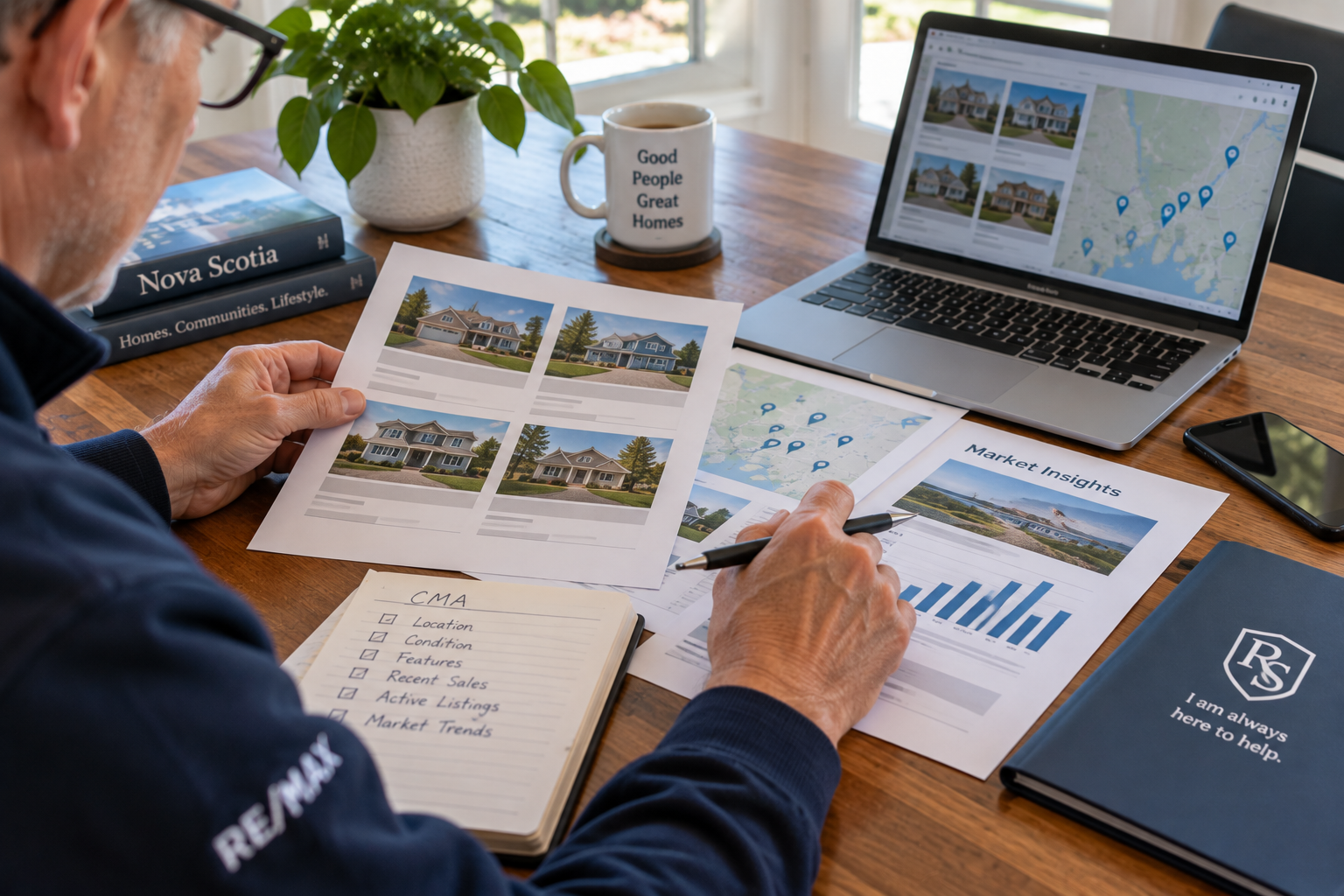
Determining an asking price starts with understanding how your home fits into the current market. A Comparative Market Analysis (CMA) looks at relevant recent sales and competing properties, while also considering your home’s location, condition, features and current market conditions.

The goal isn’t simply to choose the highest possible asking price. Pricing affects how buyers discover your property, how it compares with other homes and the amount of interest it receives when it first reaches the market.

An overpriced home can miss that important early period of buyer attention and may ultimately require price adjustments. A well-supported pricing strategy is designed to position your home competitively while protecting your negotiating position.

REALTOR reviewing comparable properties to help determine a home pricing strategy

Market value is about more than square footage.
Location, condition, features, recent sales, competing listings and current buyer activity all help determine where a property fits in the market.

Marketing Your Home

Selling Takes More Than Putting It on MLS®

A successful launch is about presenting your home properly and making it easy for the right buyers to discover it. That starts with quality photography and accurate, compelling property information that highlights the features that matter. 

Your property can then be promoted through MLS®, major real estate websites, social media and, where appropriate, video, print marketing and open houses. The right mix depends on the property, the market and the buyers we are trying to reach. 

Marketing also continues after launch. Buyer activity and feedback can provide useful information, allowing us to evaluate the strategy and adjust when necessary.

First impressions increasingly happen online.

A well-prepared home and strong photography help buyers understand the property and encourage them to take the next step and book a showing.

Homeowner reviewing the terms of an offer to purchase their home

Reviewing & Negotiating Offers

The Highest Offer Isn’t Always the Strongest Offer

Receiving an offer is exciting, but the price is only one part of the decision. An offer can also include conditions, a deposit, a proposed closing date, inclusions and other terms that can affect both the value and certainty of the sale. 

When an offer arrives, we’ll review the complete agreement together so you understand what the buyer is proposing and how each term could affect you. Depending on the offer and your goals, you may choose to accept it, reject it or propose changes through a counter-offer. 

If there is more than one offer, we’ll compare the complete picture—not simply which buyer offered the most money. Price, conditions, deposit, timing and certainty can all play a role in determining which offer best supports your priorities.

Look beyond the price.
A higher offer with challenging conditions may not necessarily be stronger than another offer with terms that provide greater certainty.

From Accepted Offer to Firm Sale

Understanding the Conditional Period

An accepted offer doesn’t always mean the sale is immediately firm. If the Agreement of Purchase and Sale includes buyer conditions, there will be a period during which the buyer works to satisfy those conditions.

Common conditions can involve financing and inspections, with the specific requirements and deadlines set out in the agreement. If an inspection raises concerns, the buyer may seek additional information, propose changes or use the rights provided by their condition.

01 — Offer Accepted

The agreement is signed and the important condition and deposit deadlines are established.

02 — Buyer Conditions

The buyer works through the conditions in the agreement. Inspections, financing and potentially an appraisal may be part of this stage.

03 — Sale Becomes Firm

Once the applicable conditions have been satisfied or waived as required, the property is generally considered sold and attention turns toward closing.

An inspection issue doesn’t automatically mean the sale is in trouble.
If a buyer raises concerns or requests changes, we’ll review what they are asking for and determine how best to respond or negotiate.

Preparing for Closing Day

The Final Steps Before You Hand Over the Home

Once the buyer’s conditions have been satisfied and the sale becomes firm, there may still be days or weeks before closing. During that time, you’ll be packing, coordinating your move, dealing with utilities and meeting with your lawyer to complete the required sale documents. 

Before closing, the buyer will complete a final walkthrough to confirm that the property is in the agreed-upon condition and that any negotiated repairs have been completed. The home should be clean and personal belongings removed in preparation for the new owners.

On closing day, the lawyers handle the transfer of funds and ownership. Once that process is complete, the sale closes and the remaining proceeds are distributed by your lawyer after applicable payouts and fees.

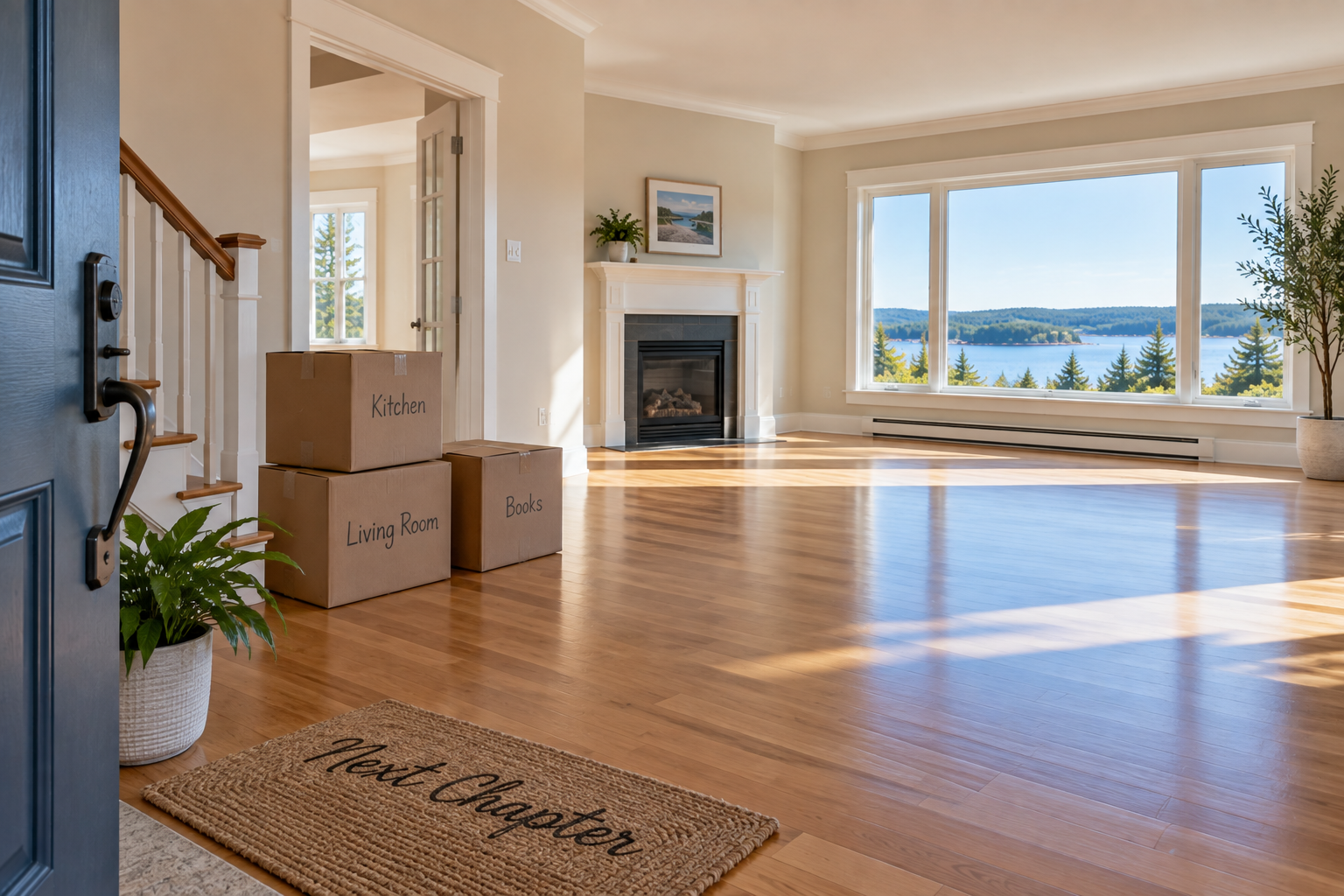
Home packed and ready for the final steps before closing day

One last check before you leave:
Make sure keys, garage remotes and any documentation the buyer will need are left behind as arranged.

Rob Schellenberger, Annapolis Valley REALTOR with RE/MAX Banner

Practical Guidance From the First Conversation to Closing

A Local Approach to Selling Your Nova Scotia Home

Every home and every seller’s situation is different. My role is to help you understand your options, make informed decisions and develop a selling strategy that fits your property, your timing and your goals.

As an Annapolis Valley REALTOR® with RE/MAX Banner Real Estate, I work with sellers throughout the Valley and surrounding areas. My approach combines local market knowledge with practical property insight—from preparing and pricing your home to reviewing offers, navigating conditions and getting you through closing.

And you don’t need to have everything figured out before we talk. If you’re simply wondering what your home may be worth or what you should do before selling, that’s a good place to start.

Not ready to sell yet? That’s okay. A home evaluation can also help you understand your current position and what you may want to consider before putting your home on the market.

Thinking About Selling Your Home?

Start With a Conversation About Your Property

You don’t need to be ready to list your home to start planning. A home evaluation is an opportunity to understand your property’s current market position, discuss your goals and timing, and identify anything you may want to consider before putting your home on the market.

When we meet, I can also provide you with my complete Nova Scotia Home Seller’s Guide, which goes into greater detail on preparing your home, pricing, marketing, offers, conditions and the closing process.