.png)

Choosing an asking price is one of the most important decisions when preparing to sell. It can influence which buyers find your home, how they compare it with other properties and the conversations that follow once it is on the market.
There isn’t one formula that sets the right price for every Annapolis Valley home. A useful pricing strategy considers the property, recent sales, current competition and what buyers are responding to in the market.
What Shapes a Home’s Market Position?
A home’s market position reflects more than its square footage or the number of bedrooms. Buyers may also consider its location, condition, layout, features, lot, services and the work they expect to take on after moving in.
Two homes with similar sizes can appeal to different buyers and occupy different positions in the market. A home in town, an older house, a newer property and a home with acreage may each need a different comparison set.
That’s why pricing starts with understanding the specific property—not relying on a broad average or a single recent sale.
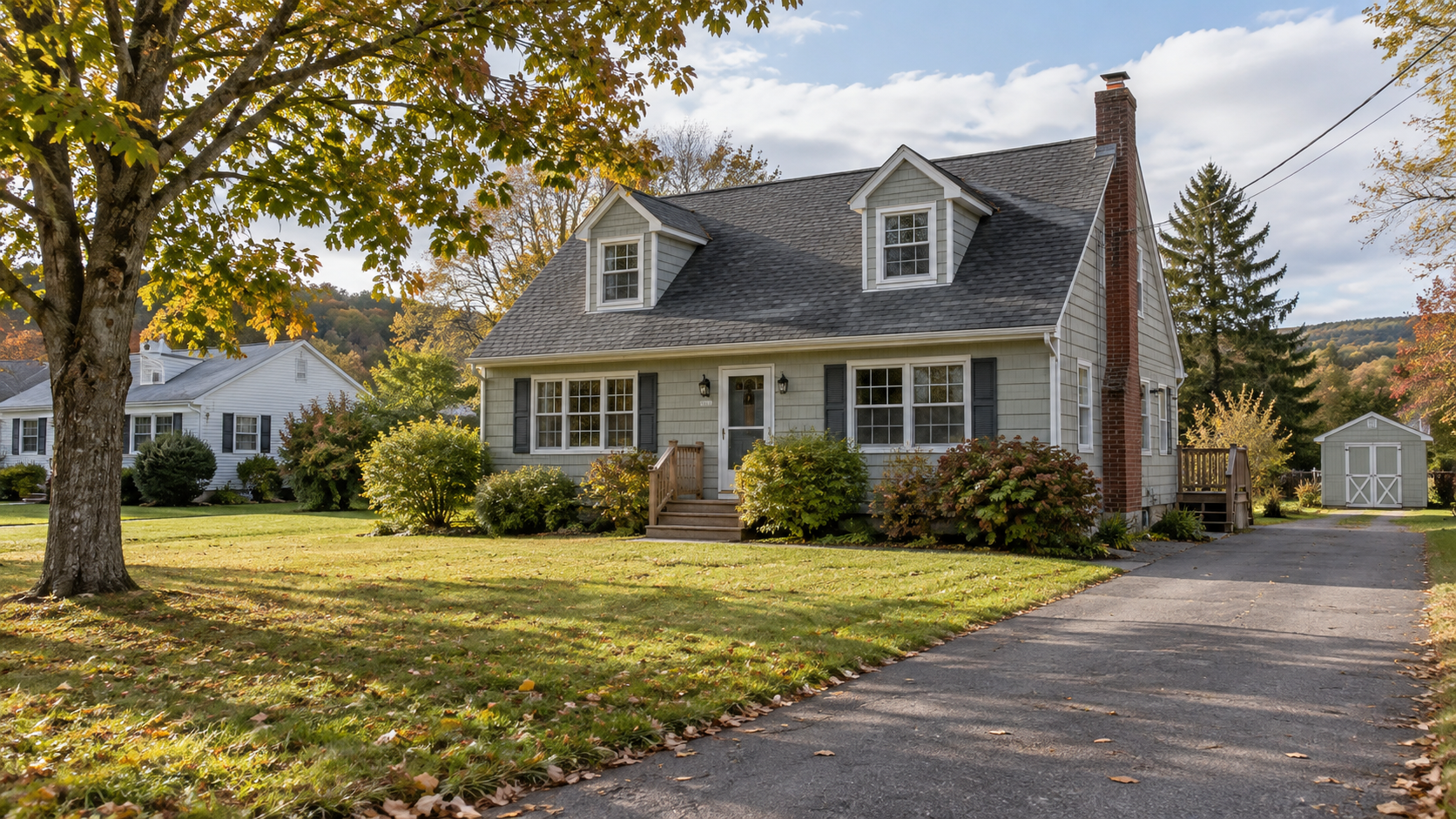
How a Comparative Market Analysis Helps
A Comparative Market Analysis, or CMA, is one way to study how your property fits into its current market. It considers relevant recent sales and homes currently competing for buyers, along with differences in location, condition, features and property type.
No two properties are identical. A CMA is not an appraisal or a guarantee of what a buyer will offer. It is a reasoned estimate that helps inform the asking-price decision.
The most useful comparisons help explain why a similar property may have sold for more or less. The sale price matters, but so do the property’s features, timing and the choices available to buyers at the time.

Price Also Affects How Buyers Find Your Home
Buyers often search within selected price ranges. An asking price can affect which searches include your property and how buyers compare it with other options.
That doesn’t mean there is one perfect price point or that a particular search range guarantees more interest. It means the asking price is part of how your home is positioned for buyers to consider.
Recent sales help show what buyers have paid. Active listings show what they can choose from now, though an asking price does not prove what a property will sell for.
Market Conditions Can Change
Buyer demand, available listings, interest rates, financing conditions and broader economic circumstances can all influence how buyers approach a purchase. Local market activity can also vary between communities and property types.
Season and timing may affect the number of buyers who are active, but there is no single season that guarantees a stronger result for every home. The relevant question is how your property fits the conditions and competition at the time you plan to sell.
That’s one reason a pricing discussion should use current information. The market when you first considered selling may not be the same market you face when you are ready to list.

The Risks of Getting the Price Wrong
A price that is higher than the available evidence may cause some buyers to rule out the property or focus on alternatives. If a home stays on the market while competing properties attract interest, buyers may start asking why. A later price reduction can also change how they interpret the listing.
Pricing below the evidence has different risks. It may fail to reflect the property’s features, condition or current competition, and it can leave the seller wondering whether a different strategy would have been more appropriate.
Neither outcome can be predicted with certainty. A supported asking price gives you a more informed starting point and a clearer basis for reviewing buyer response.
What Buyer Response Can Tell You
Once the home is listed, buyer activity provides new information. Online views, showing requests and feedback can help show whether the listing is reaching buyers and how they are responding to the property and its price.
One comment or one quiet day does not necessarily call for a change. It is more useful to look for patterns and consider them alongside current competition and any new sales.
If buyers are showing interest but raising similar concerns, that feedback may help clarify how they see the property. If your home is receiving little activity while comparable properties are drawing attention, it may be time to review the overall position.

Practical Steps for Sellers
When you’re considering an asking price:
Review recent sales of properties that are genuinely comparable to yours.
Compare your home with current listings buyers may also consider.
Look at your property’s location, condition, features and services.
Consider current market activity and your timing.
Listen for patterns in showing feedback and buyer response.
Revisit the strategy when new information gives you a reason to do so.
A CMA can provide a data-informed starting point, while local knowledge helps explain how the comparisons relate to your particular property.
Pricing Is Part of the Selling Plan
Price works alongside preparation, photography, marketing and the terms you are willing to consider. My role is to review the property and market information with you, explain how the comparisons apply and discuss whether any adjustments make sense as buyer response comes in.
My Selling Your Home in Nova Scotia guide explains how pricing fits into the broader selling process. You can also review 9 Home Selling Mistakes to Avoid in Nova Scotia while preparing to list.
If you’re thinking about selling, you can request a home evaluation. When we meet, I’ll review your property, recent sales, current competition and plans with you. I’ll also provide a copy of my Complete Home Seller Handbook to help you follow the process.
I’m always here to help.
.jpg)
Comments:
Post Your Comment: