.png)

Getting ready to sell involves more than deciding what to clean or repair. It also helps to gather information about the home, its systems, past work and the items that may stay with the property.
You may already have many of these details in a folder, email or service record. You don’t need to have everything assembled before we talk. Start with what you have, and we can identify what may be useful for your particular home.
What information should I gather before listing?
Start with the basic property information and any records you already have. This may include the civic address, property tax information, a survey or property plan, utility details, appliance manuals and warranties.
If you own more than one parcel, make a note of each parcel you believe is part of the sale. If you have a survey or plan, keep it with the other property information. Don’t rely on a fence or other visible feature to confirm a boundary.
The useful records will vary from one property to another. Gather what you have rather than delaying a conversation because you’re missing a particular document.

What should I keep about repairs and improvements?
Make a simple list of significant work completed during your ownership. Include the approximate date, the type of work and any contractor or service information you still have.
Receipts, warranties, permits, manuals and service records can help explain what was done and when. Heat-pump installation or service records, roof work, window replacement and major renovations are examples of information a buyer may ask about.
If you aren’t certain of a date or detail, don’t guess. Note that you’re unsure, and we can decide how best to describe the information accurately.
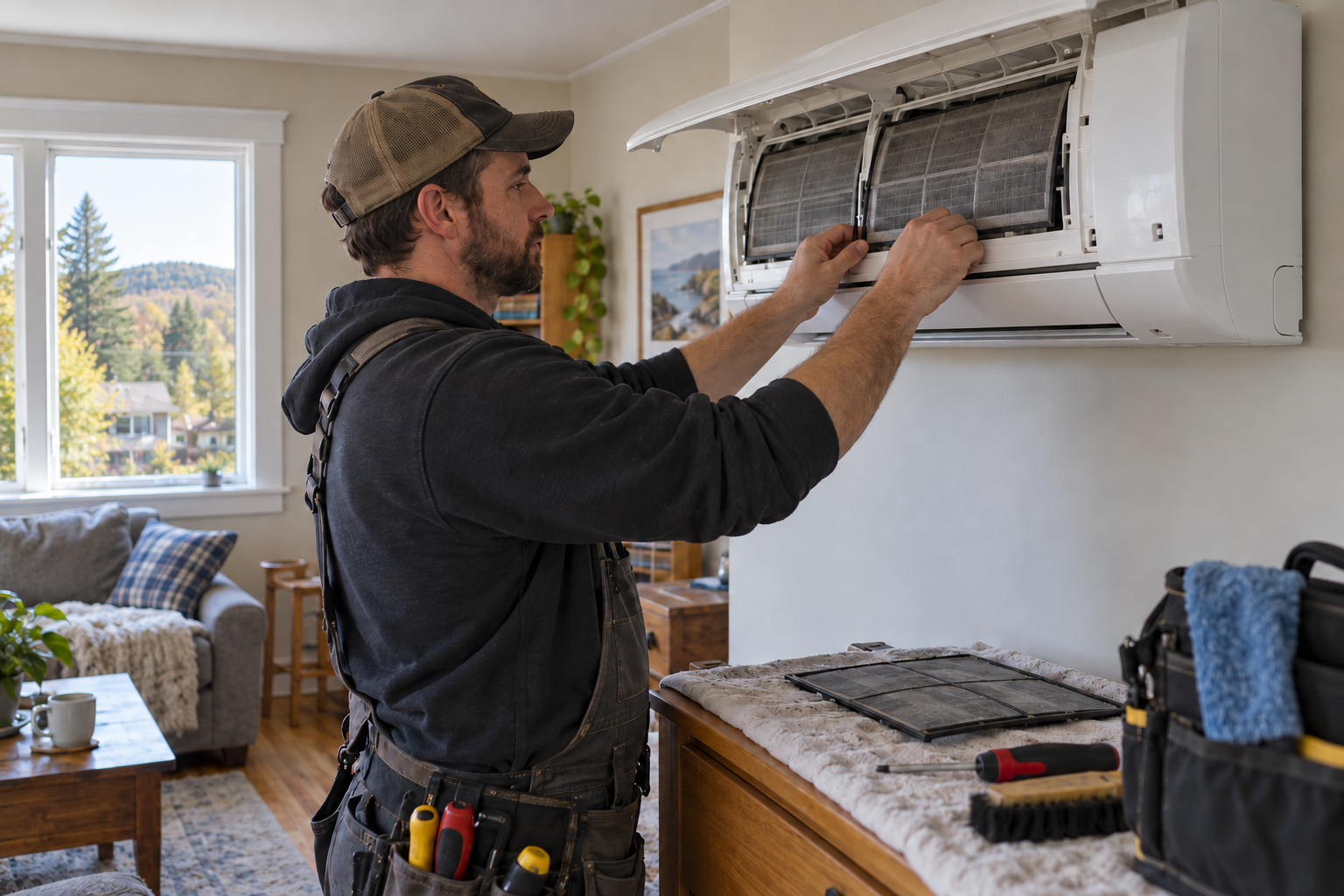
If your home has a private well
Private wells are found in rural areas and in some towns. If your home has one, gather any well installation, repair or service records you have. Water test results, pump or filter records and information about the well’s location may also be useful if available.
You don’t need to assume that every older record still exists or arrange new testing before we discuss the property. We can review what you have and consider whether anything else may be helpful for your listing.
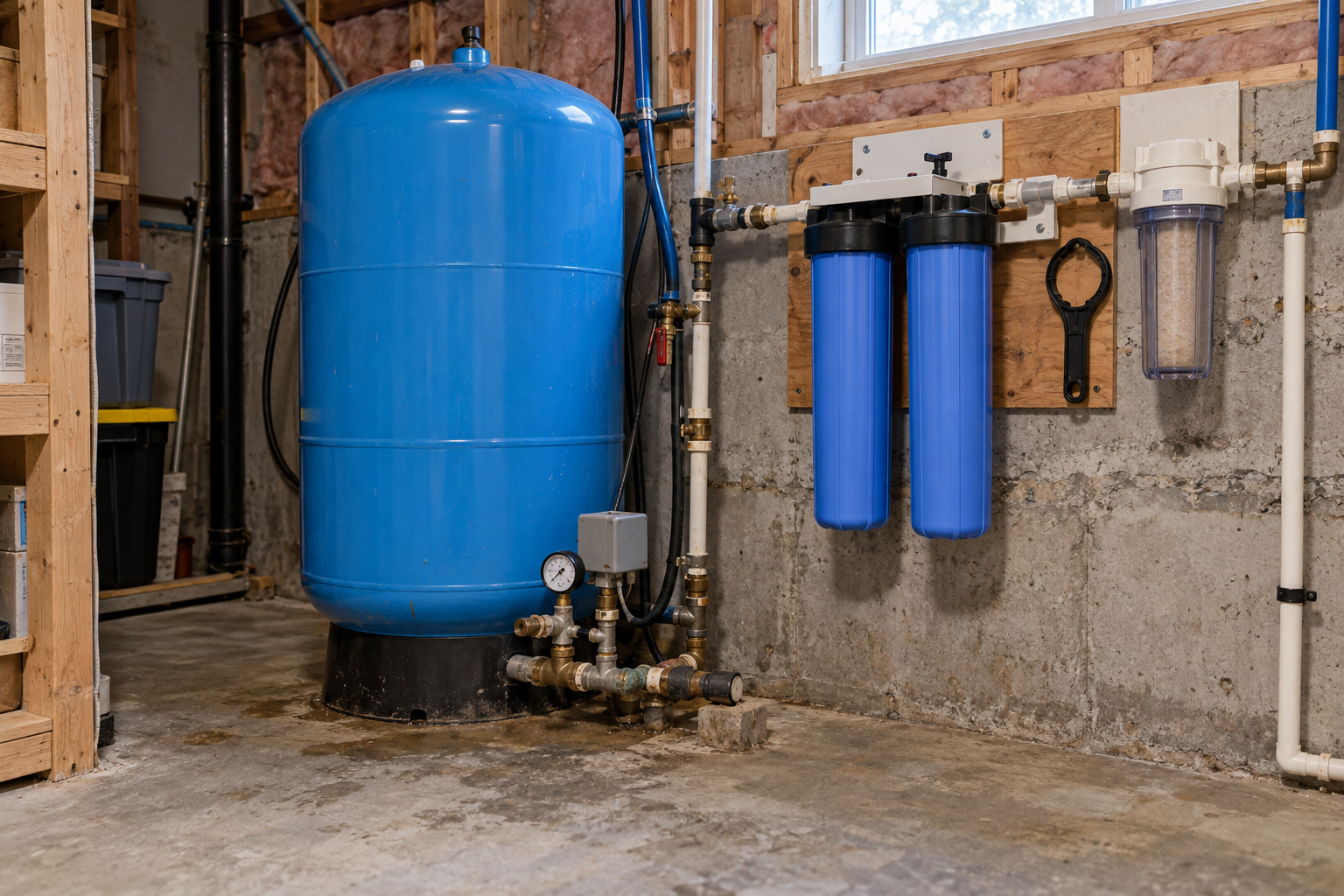
If your home has a septic system
If your home has a septic system, gather any records you have about its type, location, installation, repairs, pumping or maintenance. A plan showing the system’s location may also be useful if you have one.
Records can be helpful even if they’re not recent. If you don’t know where the system is located or can’t find its paperwork, make a note of that rather than guessing. We can discuss the information you have and whether further investigation makes sense.
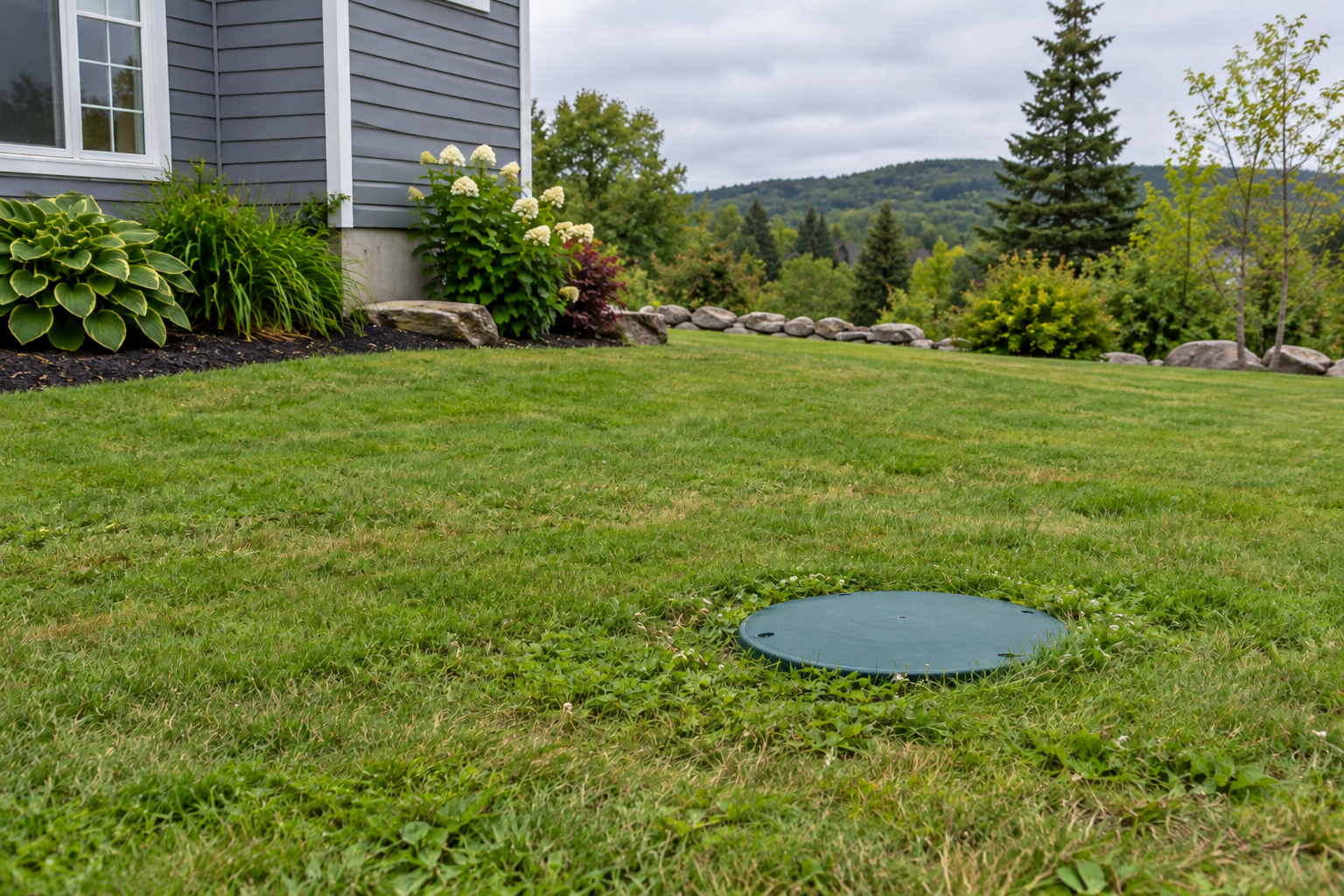
What if the property has heating equipment or leased items?
Make a note of the home’s main heating systems and any related service history you have. This may include heat pumps, oil or propane equipment, wood-burning appliances or other systems.
If equipment is rented or leased, gather the agreement and contact information for the provider. The same applies to other leased items or equipment connected with the property. Knowing what is owned, rented or subject to an agreement helps us describe it clearly.
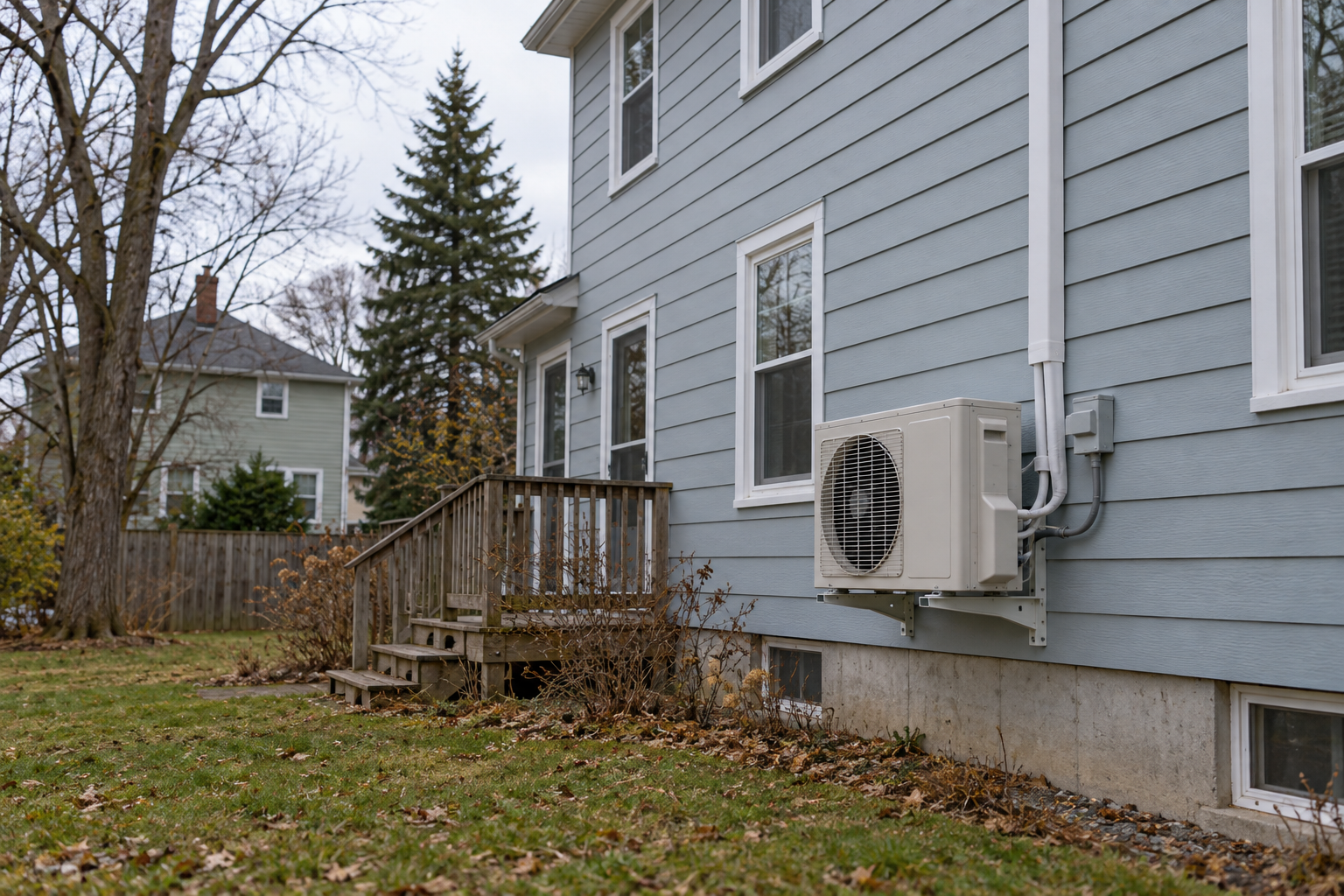
Does the property include land, access or outbuildings?
If the sale includes multiple parcels, an outbuilding or a private access arrangement, gather the information you already have about it. This might include property plans, road-maintenance agreements, access documents, building permits or records of work done to an outbuilding.
These details can matter for properties in town as well as those outside town boundaries. If the land, access or what’s included is unclear, don’t make assumptions. We can identify the question and decide who is best placed to answer it.

What items will stay with the home?
Before listing, make a note of the appliances, fixtures and other items you expect to include, along with anything you intend to take with you. Also note any rented or leased equipment.
This gives us a chance to clarify expectations before the listing details and sale terms are prepared. Specific items can be easy to overlook when they’re part of everyday life in the home.
How should I organize everything?
A folder—paper or digital—is a simple place to keep the information together. You can add service records, receipts, warranties, plans and notes as you find them.
You don’t have to turn it into a complete property history. Start with the records you have and a short list of anything you’re unsure about. That will give us a useful starting point when we talk about the home and your plans.
For an overview of the selling process, read Selling Your Home in Nova Scotia.
Start with what you have
Every property is different, and the useful information depends on the home and its features. A private well, septic system, leased equipment, extra parcel or outbuilding may call for different details than a home with municipal services and no additional structures.
If you’re planning a sale, a home evaluation gives us a chance to discuss your property, timing and what may be worth gathering before listing.
.jpg)
Comments:
Post Your Comment: