.png)

When you're planning to buy a home, the purchase price tends to get most of the attention.
But the price of the property isn't the only number you need to plan for.
In addition to your down payment, there can be costs for inspections, legal work, deed transfer tax, property adjustments, moving and other expenses before you ever receive the keys.
Some costs depend on the property. Others depend on where you're buying or how you're financing the purchase.
Understanding them before you start looking can help you answer a much more useful question than simply How much house can I afford?
How much money will I actually need to complete the purchase and comfortably move into the home?
Start With the Down Payment
Your down payment is the portion of the purchase price that you provide rather than finance through your mortgage.
How much you'll need depends on the purchase price, your mortgage and your individual circumstances.
For many buyers, the down payment will be the largest amount of cash required to purchase the property—but it shouldn't necessarily consume all of the money you've saved.
There are other expenses you'll need to pay along the way, and some of them can't simply be added to your mortgage.
If you're working toward a particular purchase price, your mortgage professional can help you understand the down payment requirements that apply to your financing.
Mortgage Loan Insurance May Affect the Cost of Your Mortgage
If your down payment is less than 20%, mortgage loan insurance will generally be required.
Mortgage loan insurance protects the lender, rather than the buyer, if the borrower defaults on the mortgage. The premium is based on the mortgage amount and the size of the down payment. The lender will typically pass that cost on to the borrower, and the premium can generally be paid upfront or added to the mortgage. Canada Mortgage and Housing Corporation
That means it may not always be another cheque you need to write on closing day, but it still affects the overall cost of financing the home.
Your mortgage professional can explain whether mortgage loan insurance applies to your purchase and how it affects your mortgage.
What About the Deposit With Your Offer?
The deposit and down payment aren't the same thing.
A deposit is submitted in connection with your Agreement of Purchase and Sale and demonstrates your commitment to the transaction.
If the purchase proceeds to closing, the deposit is credited toward the money required from you to complete the purchase—it isn't an additional amount on top of the purchase price.
But you still need to have the deposit funds available at the appropriate point in the transaction.
This is worth planning for before you make an offer. Having enough money saved for a down payment doesn't necessarily mean all of those funds are immediately accessible when a deposit is required.
Budget for Inspections and Property Investigations
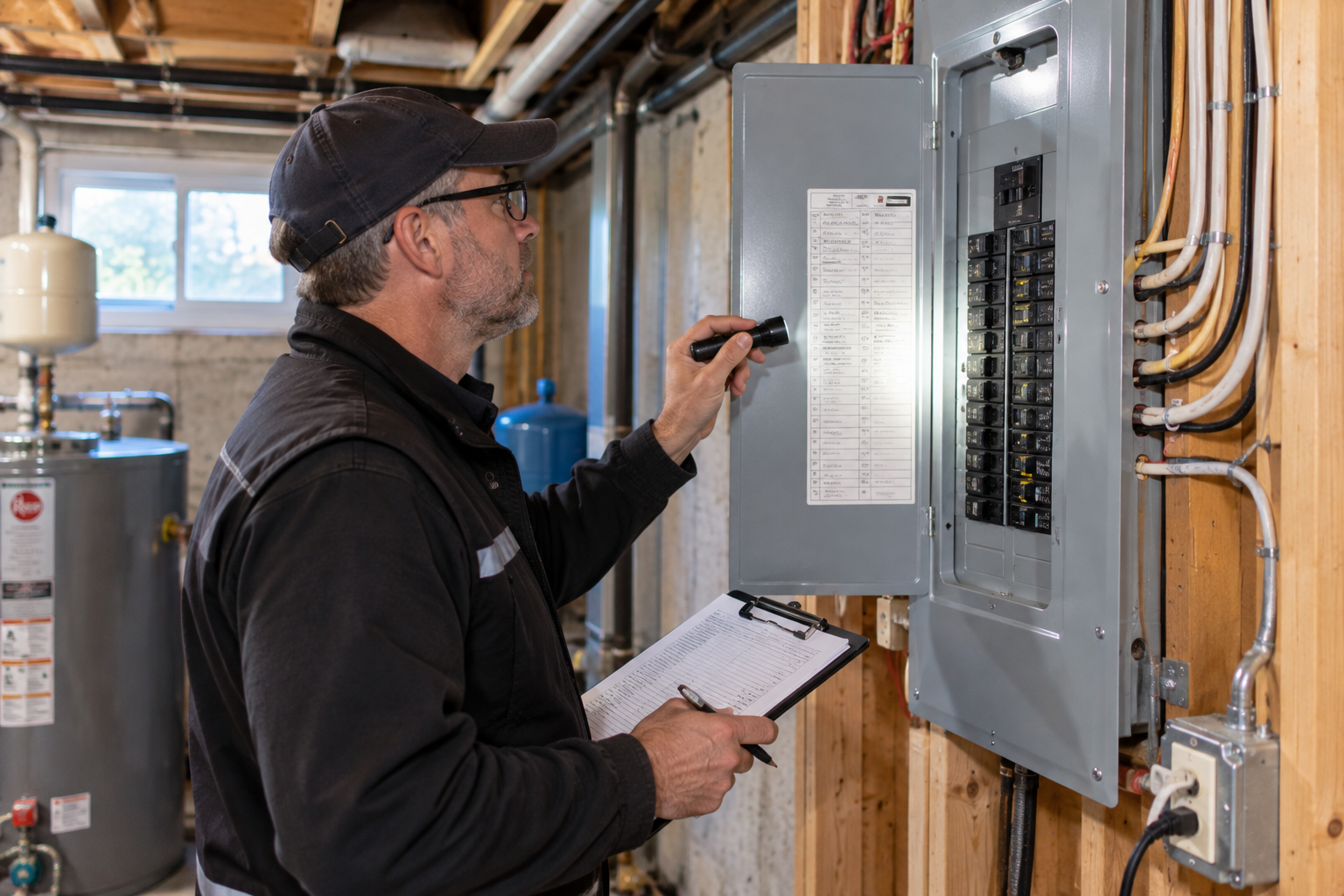
A home inspection is one of the more obvious costs buyers may encounter after an offer is accepted, but it isn't necessarily the only investigation worth considering.
Depending on the property, you might also need or choose to investigate things such as:
Well water quality or quantity
Septic system condition
Radon
Wood-burning appliances
Electrical systems
Oil tanks
Sewer lines
Structural concerns
Property boundaries
Environmental concerns
You won't need every test for every house.
The appropriate investigations depend on the property, its systems and anything identified during your initial review or home inspection.
These expenses are generally incurred before closing, so they should be part of the cash you've set aside for the purchase rather than something you expect to deal with after moving in.
You'll Need a Lawyer
A lawyer plays an important role in completing a real estate purchase in Nova Scotia.
Your lawyer's work may include reviewing title, preparing and registering documents, handling mortgage documentation, accounting for the money involved in the transaction and completing the legal transfer of the property.
Legal fees can vary depending on the lawyer, the transaction and the work required.
There can also be disbursements and registration-related expenses in addition to the lawyer's professional fee. For example, Nova Scotia's Land Registry currently charges fees for registering or recording documents. Government of Nova Scotia
Rather than relying on a generic online estimate, ask the lawyer you intend to use for an estimate of the legal fees and expected disbursements for your particular purchase.
Municipal Deed Transfer Tax Can Be a Significant Closing Cost
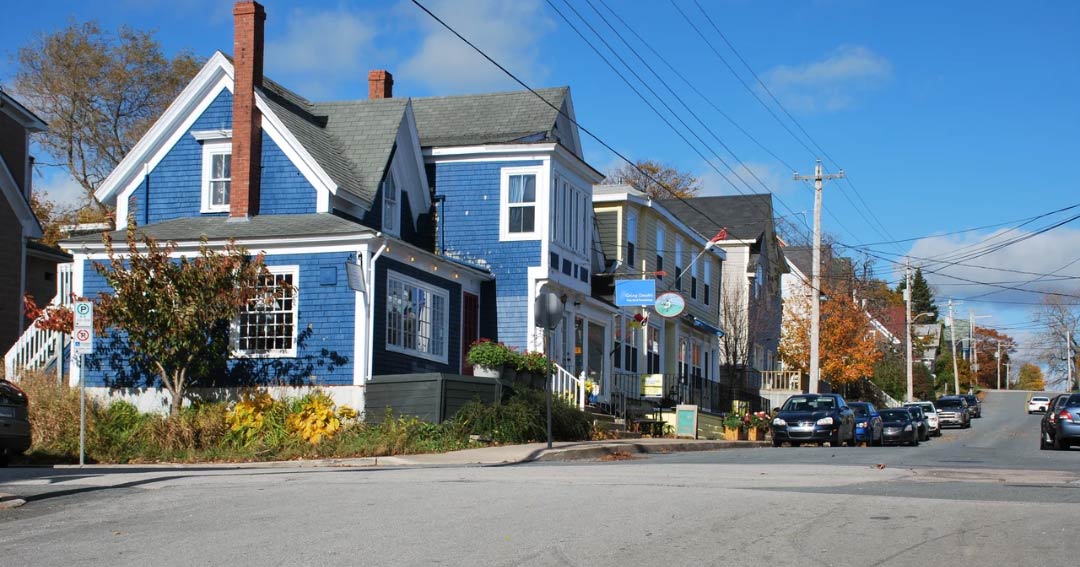
Nova Scotia municipalities can charge a Municipal Deed Transfer Tax when property changes ownership.
The important thing for buyers to understand is that there isn't one single province-wide municipal rate.
The rate is set by the municipality where the property is located and is calculated based on the sale price. Government of Nova Scotia
For example, the Province's April 2026 rate schedule lists a 1.5% Municipal Deed Transfer Tax for the Municipality of the County of Annapolis, the Town of Annapolis Royal and the Town of Middleton. Rates elsewhere in Nova Scotia can differ. Government of Nova Scotia
On a $350,000 purchase, a 1.5% municipal deed transfer tax would be:
$5,250
That's a substantial amount to discover late in the process.
When you're considering a property, confirm the applicable rate for that municipality rather than assuming it will be the same as somewhere else in Nova Scotia.
Moving to Nova Scotia? There May Be Another Deed Transfer Tax to Consider
This is especially important for buyers coming from outside Nova Scotia.
Nova Scotia also has a Non-resident Provincial Deed Transfer Tax that can apply when non-residents acquire qualifying residential property.
As of September 2026, the rate is 10%, generally calculated using the purchase price or assessed value, whichever is higher, and according to the ownership interest being transferred to non-residents. Government of Nova Scotia
There are exemptions, including provisions for people who intend to move to Nova Scotia and establish residency. The Province announced changes in August 2026 intended to give qualifying buyers more flexibility around proving that residency. Nova Scotia News
Because a 10% tax could represent a very large amount of money, don't make assumptions about whether you qualify for an exemption.
If you're moving to Nova Scotia, discuss your circumstances with your lawyer before closing so you understand how the rules apply to you.
What Are Closing Adjustments?
Some expenses associated with the property may have already been paid by the seller for a period extending beyond the closing date.
Others may need to be divided between buyer and seller.
These amounts can be accounted for through adjustments on closing.
Property taxes are a common example.
If the seller has already paid property taxes covering a period during which you'll own the home, an adjustment may be made so that each party ultimately pays their appropriate share.
Other adjustments can depend on the property and the terms of the transaction.
These aren't necessarily huge expenses individually, but they affect the final amount of money your lawyer will require from you to complete the purchase.
Don't Forget Home Insurance
You'll generally need to arrange home insurance before closing when you're financing the purchase.
The cost can vary considerably depending on the home and the coverage.
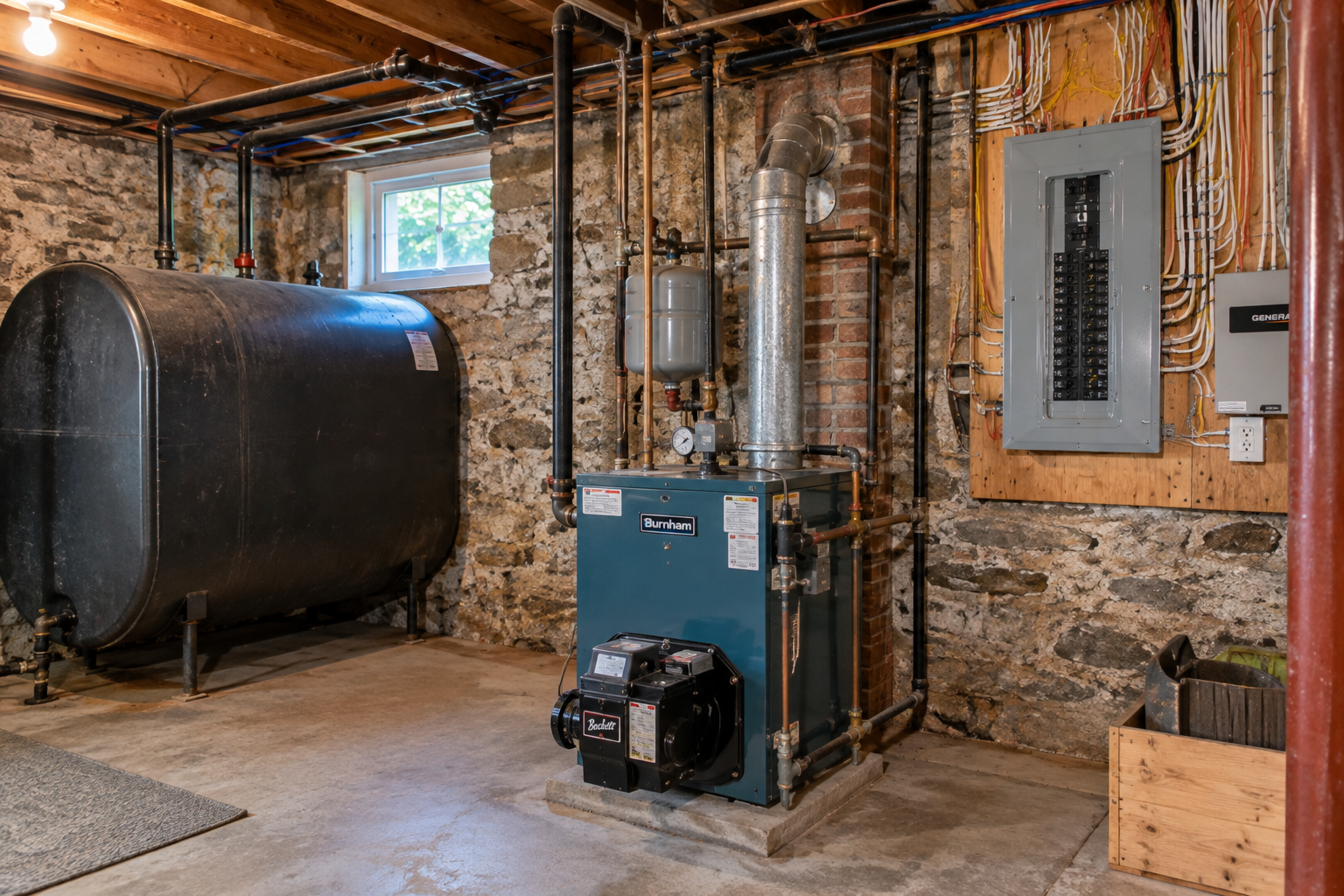
Factors such as the age and condition of the property, heating system, electrical system, roof, oil tank, wood-burning appliances and other characteristics can affect whether an insurer will cover a property and what that coverage costs.
This is one reason I recommend buyers investigate insurance before their conditions are satisfied, particularly when purchasing an older or unusual home.
The important question isn't simply:
“How much will insurance cost?”
It's also:
“Can I obtain acceptable insurance on this particular property?”
We'll explore that issue much more deeply in the Buyer Resource Centre's dedicated guide to home insurance.
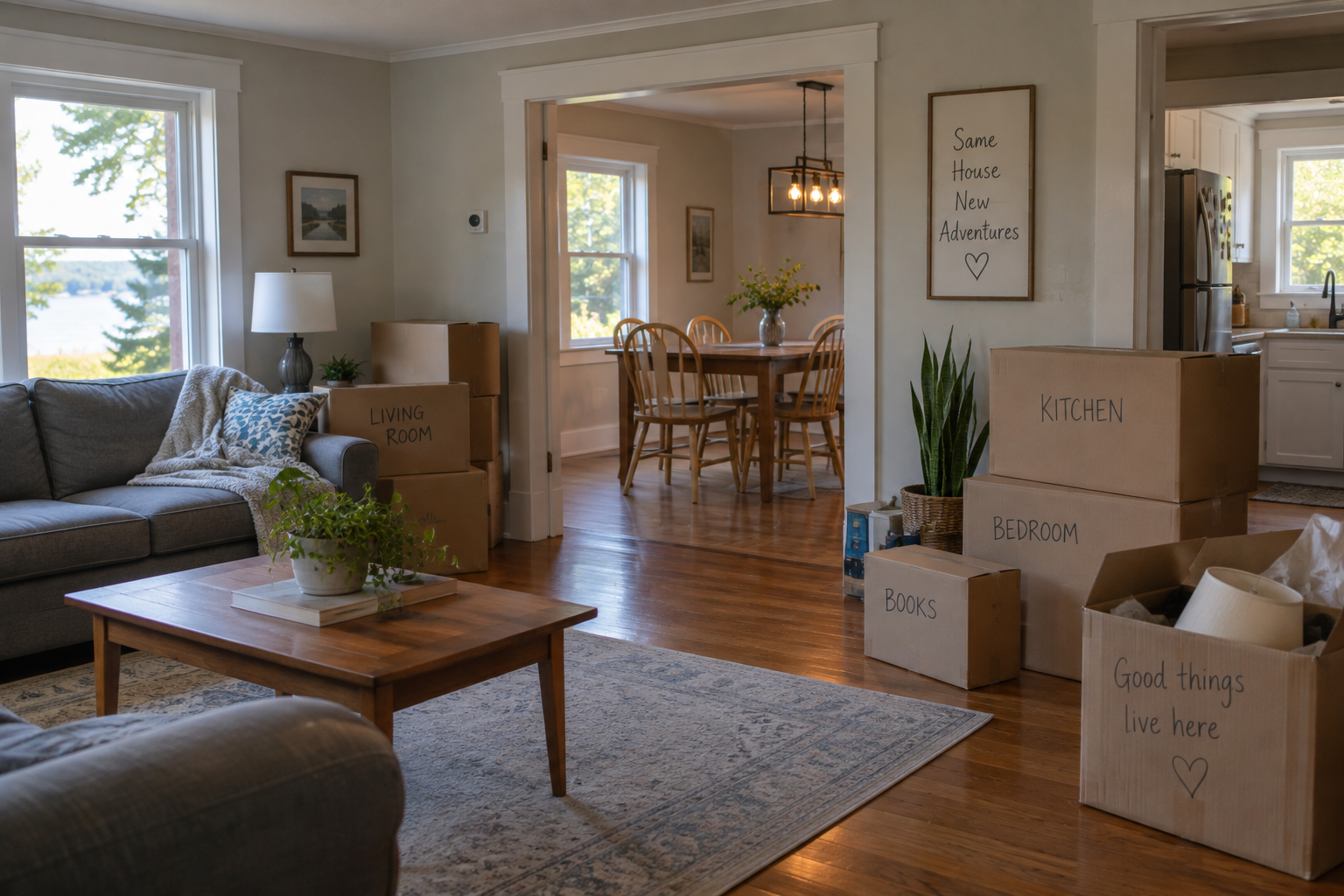
Moving Day Has Costs Too
Closing the transaction isn't the end of the expenses.
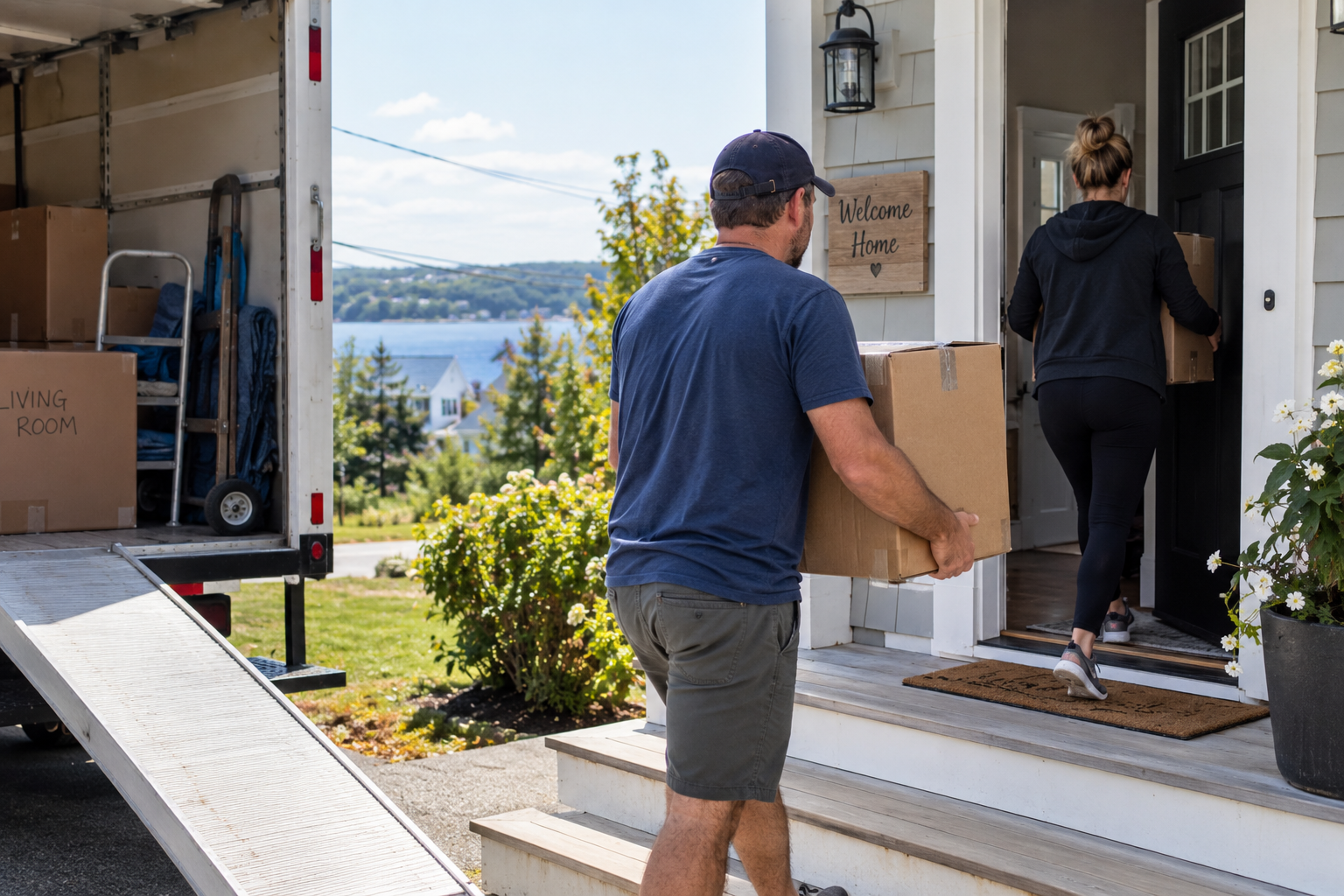
Depending on your move, you may need to budget for:
Professional movers or a rental truck
Travel
Temporary accommodation
Storage
Utility or service setup
Changing locks
Appliances or furnishings
Immediate maintenance
Snow removal or lawn equipment
Fuel or heating costs
Supplies for your first few days in the home
Someone relocating across Canada will obviously have a very different moving budget from someone buying a home ten minutes away.
The important thing is simply to include the move itself in your planning.
Leave Room for the House to Surprise You
Even a carefully inspected home can have expenses after closing.
You may discover that you need a tool you never owned before, want to replace a lock, need to service a heating system or suddenly realize how much it costs to equip a larger property.
An inspection can help you understand the condition of the home, but it doesn't make future maintenance disappear.
This is why using every available dollar for the down payment and closing costs can leave a new homeowner in an uncomfortable position.
If possible, plan to have some money remaining after the transaction is complete.
Owning the home is much easier when the first unexpected repair doesn't immediately become a financial emergency.
Purchase Costs and Ownership Costs Are Different
It's useful to separate your budget into two categories.
Costs to buy the home can include your down payment, inspections, legal expenses, deed transfer tax, closing adjustments and moving expenses.
Costs to own the home can include your mortgage payment, property taxes, insurance, heating, electricity, water and wastewater, maintenance and other recurring expenses.
CMHC recommends planning for both closing costs and the ongoing expenses of homeownership. Its current guidance notes that closing costs can amount to roughly 1.5% to 4% of the purchase price, although the actual amount depends on the transaction and location. Canada Mortgage and Housing Corporation
For a Nova Scotia buyer, that percentage should be treated as a planning guideline rather than a quote. Municipal deed transfer tax varies, property investigations differ, legal costs aren't identical and the non-resident provincial tax can dramatically change the calculation when it applies.
So, How Much Money Should You Have Available?
There isn't one percentage that works for every Nova Scotia home purchase.
A more useful approach is to build the budget from the actual pieces:
Down payment
Deposit timing
Inspection and testing costs
Legal fees and disbursements
Applicable deed transfer taxes
Closing adjustments
Moving costs
A reserve for the unexpected
Your mortgage professional can help you understand the financing and down-payment side.
Your lawyer can provide guidance on legal costs, taxes and closing requirements.
Your REALTOR® can help identify property-specific investigations and expenses that may need to be considered as you evaluate a home.
Together, those conversations can give you a much more realistic picture than simply estimating a percentage of the listing price.
Prepare for the Purchase, Not Just the Mortgage
Saving enough for a down payment is an important milestone.
But being financially prepared to buy a home means looking beyond the down payment.
When you account for the costs that happen before, during and immediately after closing, you can begin your home search with a much clearer idea of what you can comfortably purchase.
And when the right property comes along, you're less likely to discover that the expenses surrounding the transaction have stretched your budget further than you expected.
Part of the Buying a Home in Nova Scotia Buyer Resource Centre: Practical guides to help you prepare, evaluate a property and navigate the home-buying process.
.jpg)
Comments:
Post Your Comment: