.png)

Part of the Smarter, Greener Homes series: Practical guides to understanding energy efficiency, home performance and green-building features.
Two houses sit side by side.
They’re roughly the same size. They have a similar number of bedrooms. They were built around the same time.
Yet one homeowner could be spending considerably more to stay warm all winter.
Why?
When we think about heating costs, it's easy to focus on the heating system itself. Is it a heat pump? Oil furnace? Electric baseboard? Wood stove?
But the equipment producing the heat is only part of the equation.
How much heat a home needs—and how well it holds onto that heat—can be just as important as how the heat is produced.
That means two seemingly similar homes can perform very differently.
So, where does the difference come from?
1. Start With the Building Envelope
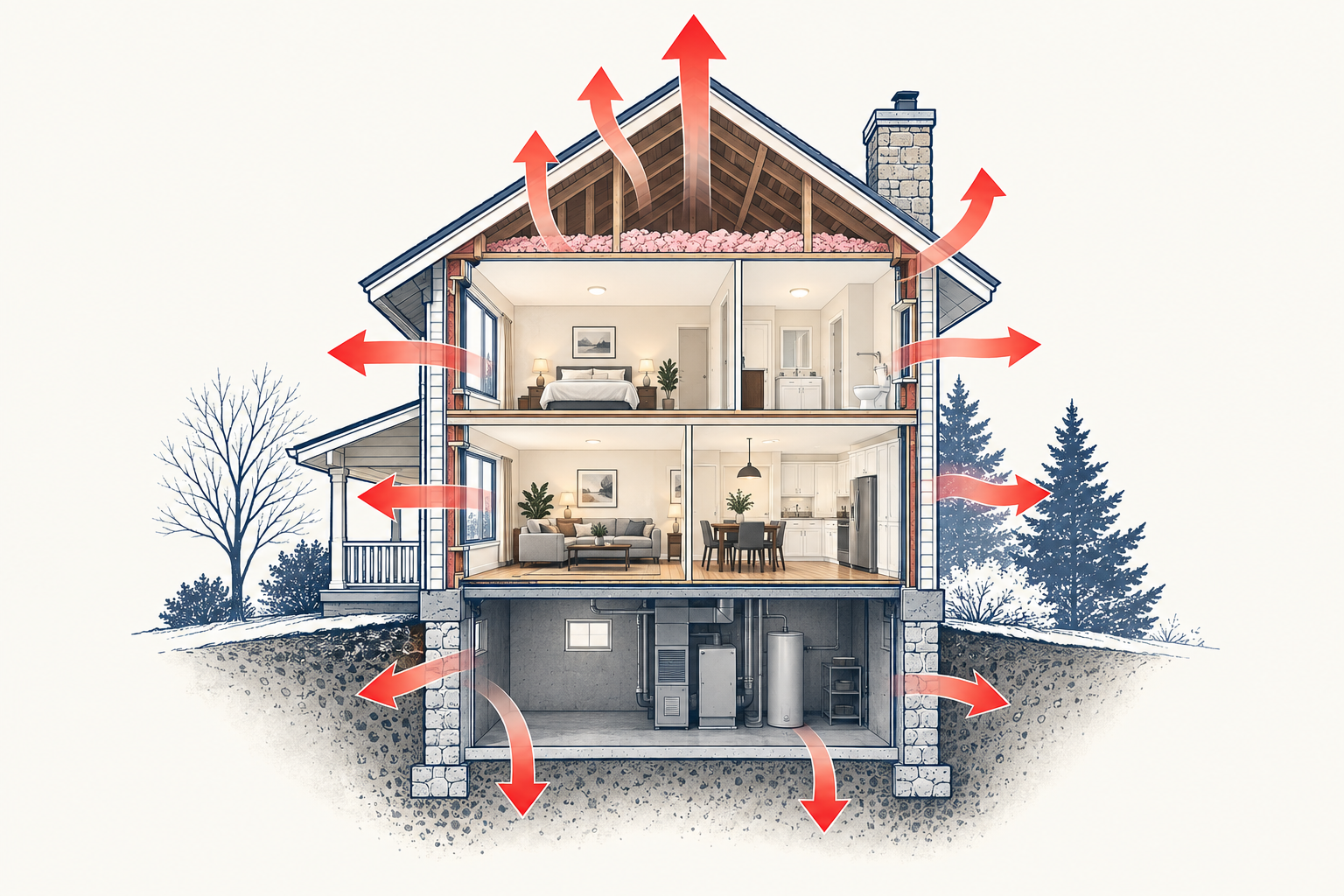
Think of your home's building envelope as everything separating the comfortable space inside from the weather outside.
That includes the:
roof and attic
exterior walls
foundation
windows
exterior doors
During a Nova Scotia winter, heat naturally moves from the warm interior of your home toward the colder outdoors.
A well-performing building envelope slows that process down. A poorly performing one makes your heating system continually replace heat that's escaping.
Natural Resources Canada describes a house as a system in which the building envelope, mechanical systems and occupants all interact. The envelope's job includes controlling the movement of heat, air and moisture between the home and the outdoors. Natural Resources Canada
The less heat your house loses, the less heat you have to buy.
And that brings us to one of the biggest parts of the envelope.
2. Insulation Slows Down Heat Loss
Most of us know insulation is important, but it's worth understanding what it actually does.
Insulation doesn't create heat.
It slows the movement of heat through the building envelope.
That's what an R-value measures: resistance to heat flow. Generally, the higher the R-value, the greater the resistance to heat transfer. Natural Resources Canada
Insulation can be found in several parts of a home, including:
attics and ceilings
exterior walls
basement walls
floors above unheated spaces
around foundations
Two otherwise similar homes can have very different levels of insulation depending on when they were built and what improvements have been made since.
But there's another important piece of the puzzle.
A well-insulated house can still be expensive to heat if it's leaking air.
3. Your House May Be Leaking Heat
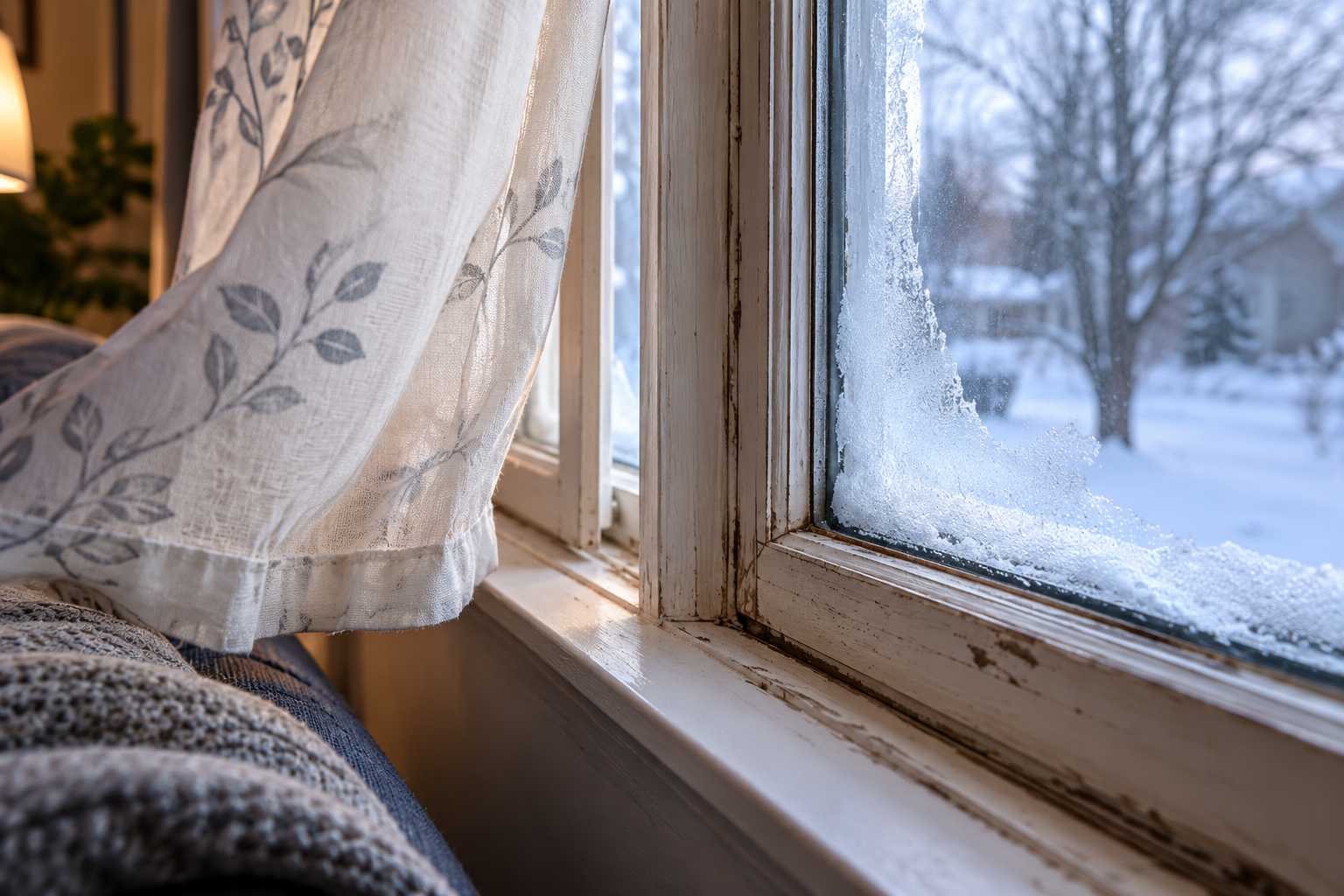
Have you ever sat near a window or exterior wall on a windy winter day and felt a draft?
That's uncontrolled air leakage.
Warm indoor air can escape through gaps and cracks in the building envelope while cold outside air finds its way in.
Potential leakage points can be surprisingly numerous: windows and doors, attic hatches, electrical penetrations, exhaust vents, foundation joints and even gaps around trim can contribute. Natural Resources Canada
Natural Resources Canada considers comprehensive air-leakage control one of the most important areas to consider when improving an existing home's energy performance. Its guidance notes that air leakage can account for a significant portion of heat loss in typical Canadian homes. Natural Resources Canada
This is also why simply adding more insulation isn't always the complete answer.
Insulation and air sealing need to work together.
Insulation helps slow heat moving through the house. Air sealing helps stop heated air from escaping through it.
4. Windows Can Make a Bigger Difference Than You Might Think
Windows give us natural light, views and ventilation—but they're also part of the building envelope.
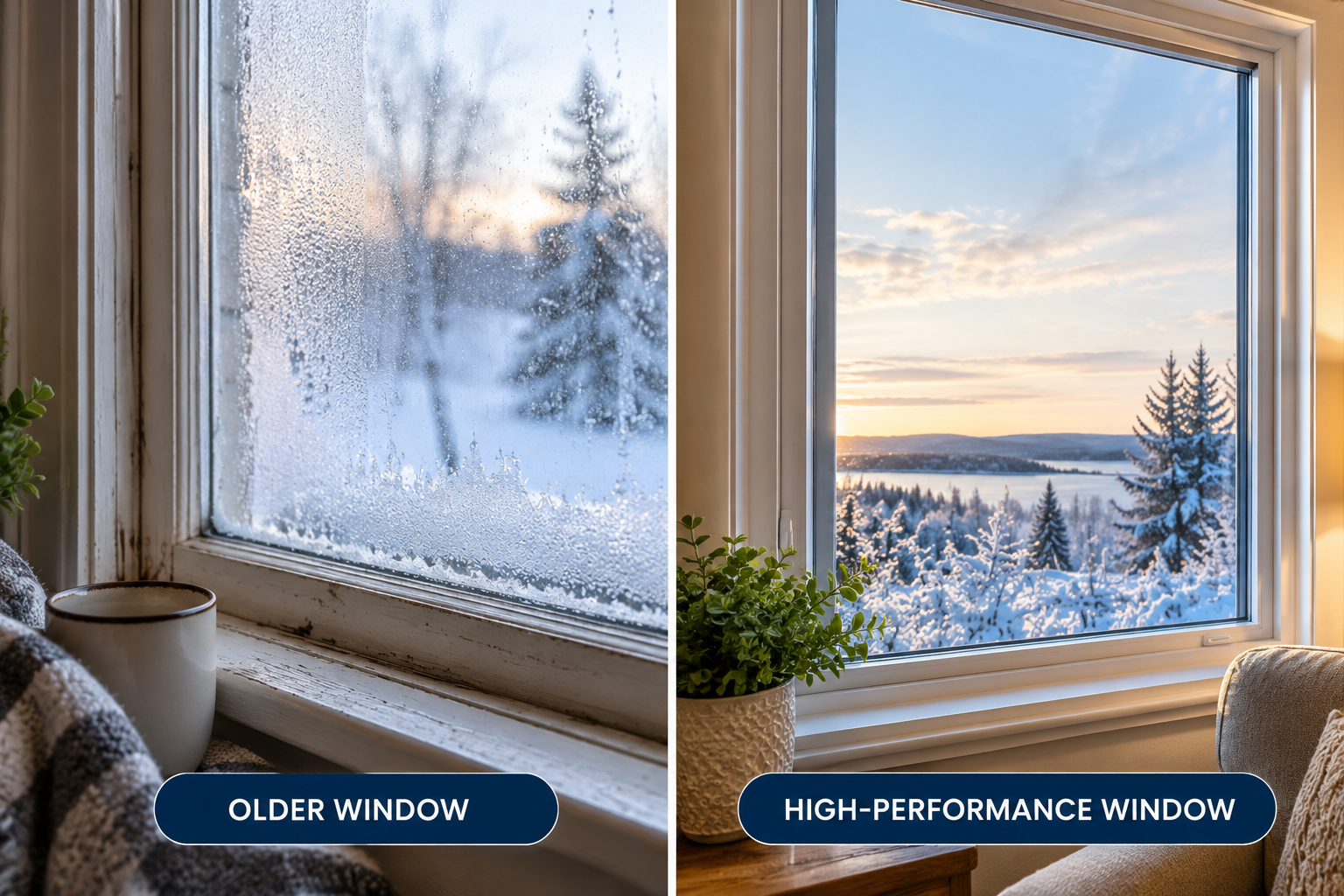
Natural Resources Canada says windows, doors and skylights can account for up to 35% of total house heat loss. Natural Resources Canada
But not all windows perform the same way.
Performance can be affected by things such as:
the number of panes
glass coatings
the space between panes
frame construction
installation
air leakage around the window
the window's orientation
Even comfort can be affected.
A room may technically be at the thermostat setting, but sitting next to a very cold window can still make you feel chilly. Better-performing windows generally have warmer interior surfaces and can reduce drafts, making the room feel more comfortable. Natural Resources Canada
That can affect how we use our heating systems too.
If a house feels cold or drafty, what's one of the first things we tend to do?
Turn up the thermostat.
5. Where the House Faces Can Matter Too
This is something we explored in the first article in this series about passive solar design.
Two otherwise similar homes can interact with the sun very differently.
Windows positioned to receive useful winter sunlight can provide solar heat gain during the heating season. Window size, orientation, shading and the characteristics of the glass all influence that balance. Natural Resources Canada
A house doesn't have to be a purpose-built passive solar home to benefit from sunlight.
Likewise, poorly managed solar gain can sometimes contribute to overheating, particularly at other times of year.
That's why orientation is another piece of the overall energy puzzle—not a magic solution on its own.
If you haven't read my first Smarter, Greener Homes article, you can read more about how passive solar homes use the sun to help reduce energy needs here.
What Is a Passive Solar Home — and How Can It Reduce Energy Use?
6. Then There's the Heating System Itself
Eventually, we get to the equipment actually producing the heat.
And yes—it matters.
Different heating systems convert and deliver energy differently. The age and efficiency of the equipment, how well it's maintained, how it's controlled and how heat is distributed throughout the house can all affect energy consumption and operating costs.
But there's an important relationship here.
The heating system has to make up for the heat the house loses.
Improve the building envelope and the heating demand can decrease. In fact, NRCan notes that well-insulated and air-sealed homes can use smaller space-heating and cooling systems. Natural Resources Canada
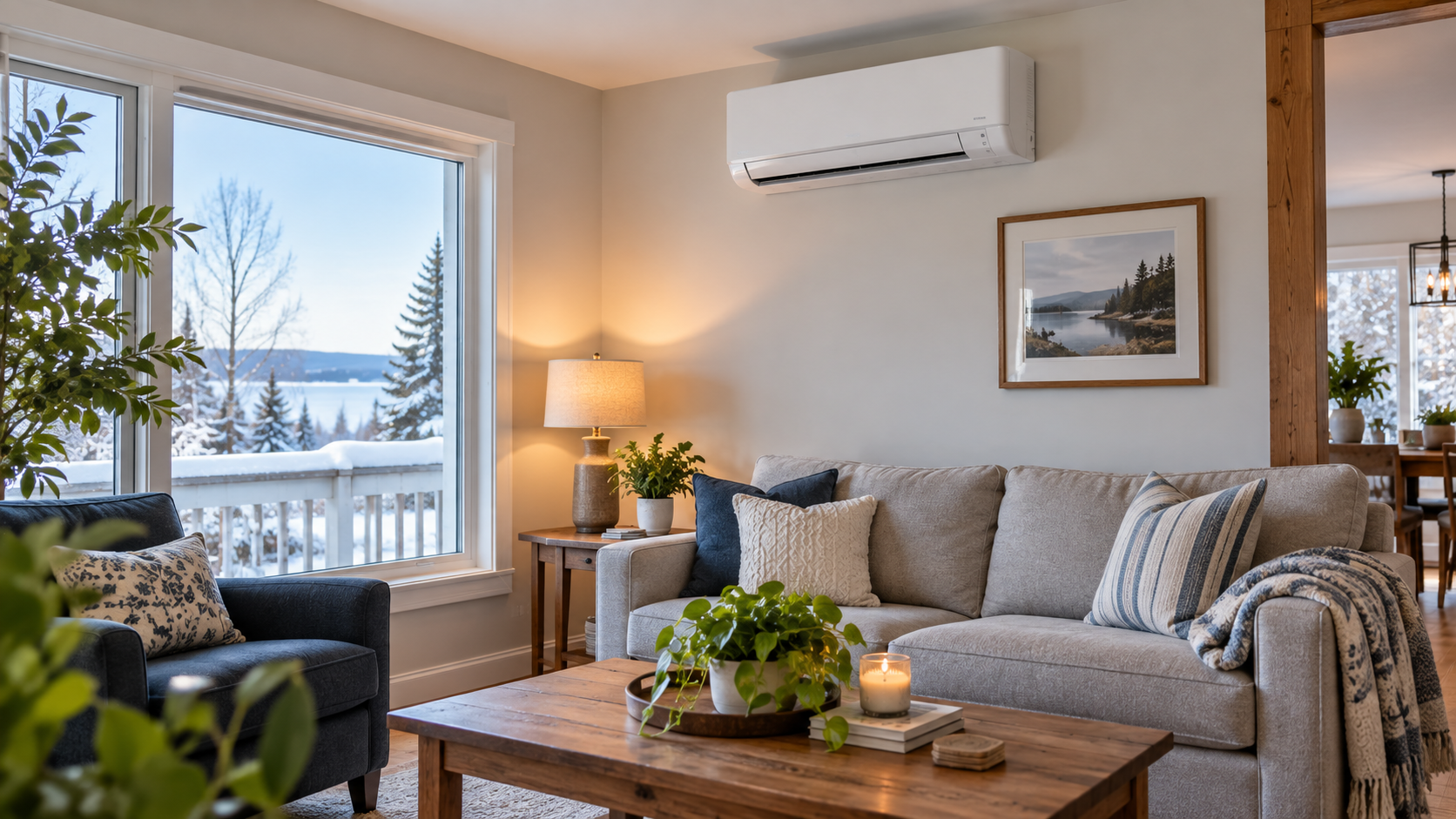
That's why I wouldn't judge a home's potential heating costs simply by seeing a heat pump on the wall or a particular type of furnace in the basement.
You need to consider the house around it.
7. Bigger Isn't Always Better
Size obviously matters.
All else being equal, heating 3,000 square feet generally requires more energy than heating 1,000 square feet.
But square footage alone doesn't tell you how energy efficient a home is.
A larger, well-insulated and relatively airtight home with efficient heating equipment may require less heating energy than you might expect.
Meanwhile, a smaller home with poor insulation, significant air leakage and inefficient equipment may require considerably more.
The shape and design of the house can matter as well. More exterior wall, roof and foundation area means more building envelope exposed to outdoor temperatures.
So when comparing houses, the question shouldn't simply be:
“How big is it?”
It should also be:
“How well does it use and retain energy?”
8. Don't Forget the People Living There
Here's where comparing utility bills gets tricky.
The house isn't the only variable.
The people living in it matter too.
One family might keep the thermostat at 22°C all winter. Another might prefer 19°C.
Someone may work from home every day while another house sits empty for ten hours.
Then consider:
number of occupants
thermostat settings
showers and hot-water use
appliance use
wood-stove use
use of supplemental heaters
whether every room is heated
how often doors are opened
vacations or extended absences
Even weather varies from one year to another.
That's why historical heating or electricity bills can be useful information when you're considering a home—but they aren't a guarantee of what your costs will be.
So, What Should Buyers Look For?
When you're viewing a home, the heating system is certainly worth paying attention to.
But don't stop there.
Look at the house as a whole.
Ask questions about:
insulation levels
window age and type
drafts or evidence of air leakage
heating equipment and its age
supplemental heat sources
renovations or energy upgrades
historical energy consumption, when available
Some of the most important energy-efficiency features in a home aren't particularly exciting to look at.
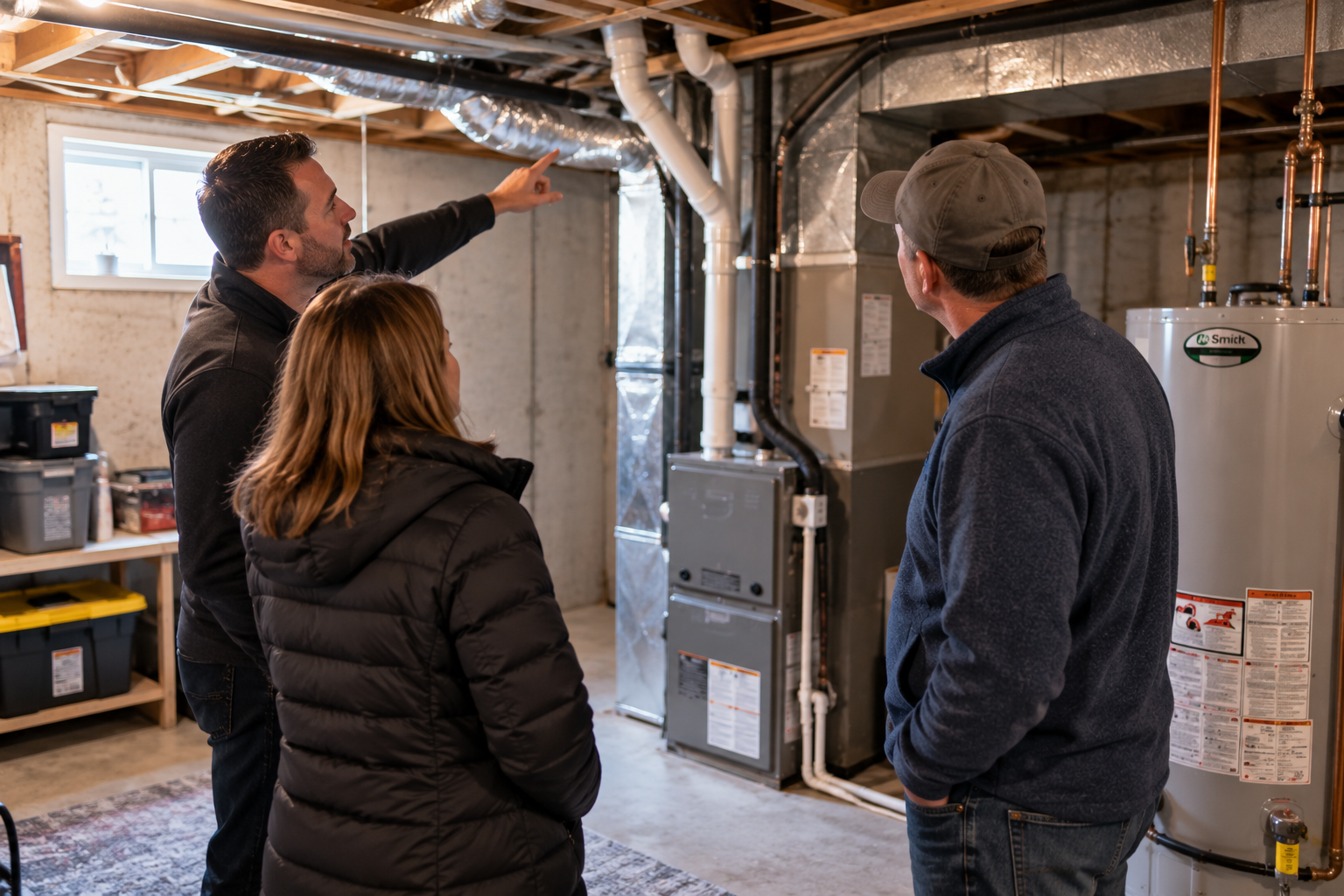
They're hidden in attics, walls, basements and mechanical rooms.
But those hidden features can have a very real effect on comfort and operating costs.
The Cheapest Heat Is the Heat You Don't Lose
When homeowners want to reduce heating costs, it's tempting to immediately start shopping for a more efficient heating system.
Sometimes that's exactly the right investment.
But sometimes the better question is:
Why does the house need so much heat in the first place?
Improving insulation, reducing uncontrolled air leakage, upgrading poorly performing windows or making other building-envelope improvements can reduce the amount of work the heating system has to do. NRCan's retrofit guidance similarly recommends considering the building envelope before—or alongside—changes to heating equipment. Natural Resources Canada
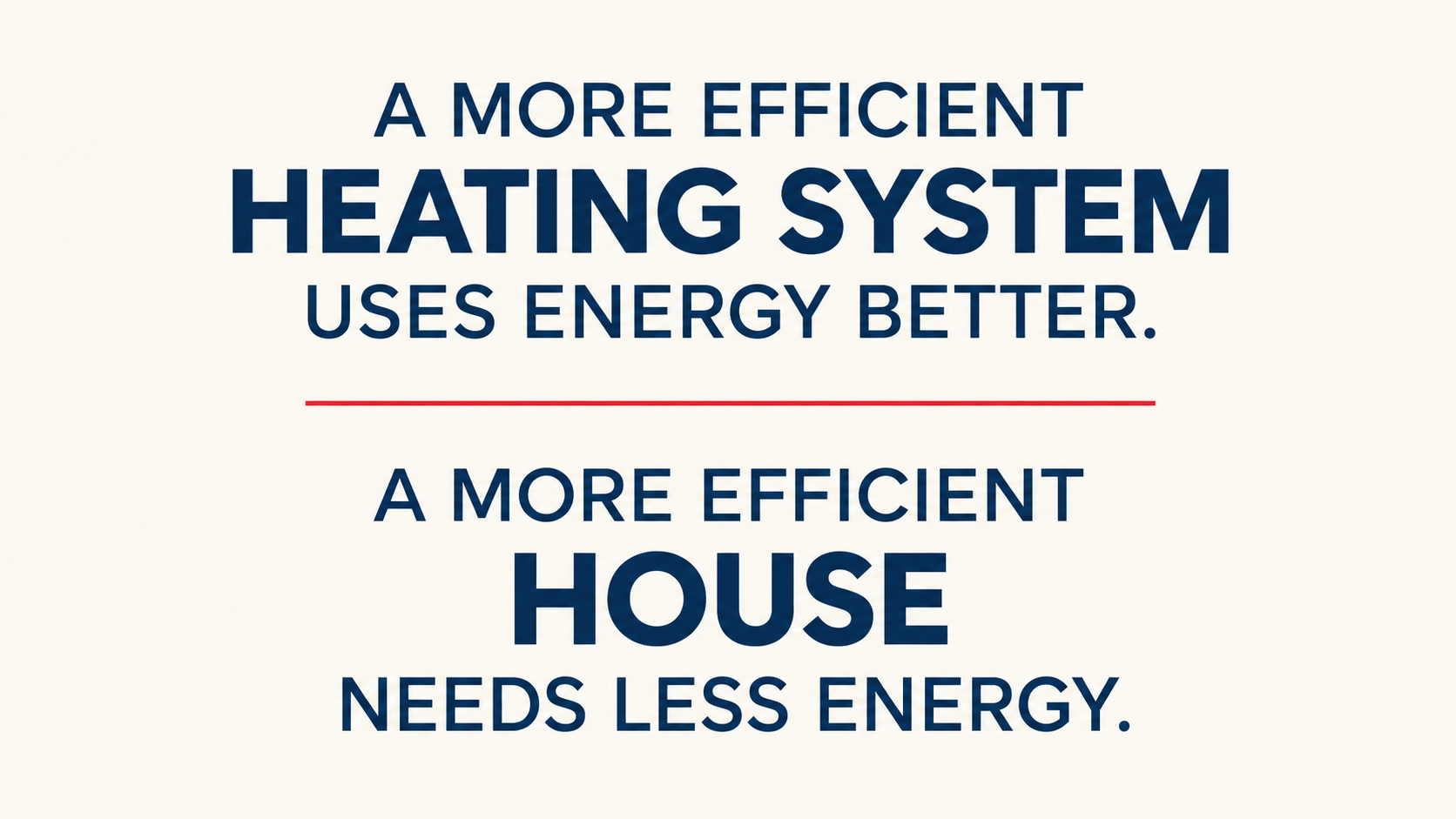
A more efficient heating system can produce heat more efficiently.
A more efficient house needs less of it.
Understanding that difference can help homeowners make better renovation decisions—and help buyers better understand the homes they're considering.
Smarter, Greener Homes
This article is part of my Smarter, Greener Homes series, where I'll be taking a practical look at energy efficiency, green building and the features that can affect how comfortable and economical a home is to operate.
As a Canadian Certified Green Representative (CCGR), I help buyers and sellers better understand features such as insulation, energy-efficient windows, heat pumps, passive solar design and other technologies that can affect a home's energy performance.
Next, we'll take a closer look at another topic that's particularly relevant here in Nova Scotia:
Heat pumps—and whether they're really cheaper to operate.
Have questions about an energy-efficient home you're considering buying or selling?
I'm always here to help.
Rob Schellenberger, REALTOR®
Canadian Certified Green Representative
RE/MAX Banner Real Estate
902-300-8674
robschellenberger.ca
.jpg)