RSS

After an Offer Is Accepted: Conditions and Closing in Nova Scotia

An accepted offer starts the next stage of the sale. During the buyer’s condition period, the buyer may arrange inspections and complete other steps set out in the Agreement of Purchase and Sale.

Once the buyer confirms their conditions and the sale is firm, we can focus on any agreed work, prepare for the move and get ready for closing. I’ll help keep the dates and next steps organized.

Buyer inspections happen during the condition period

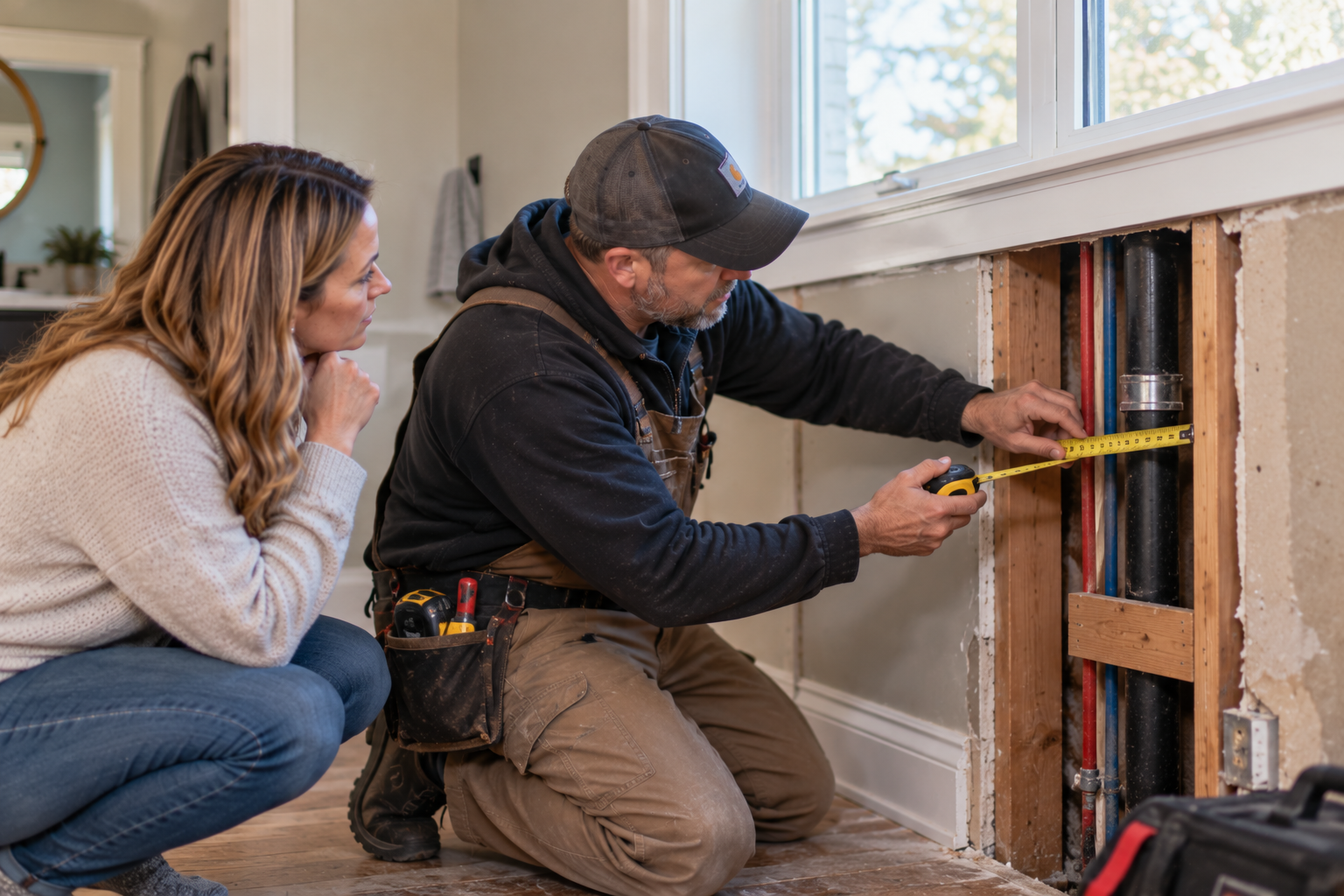
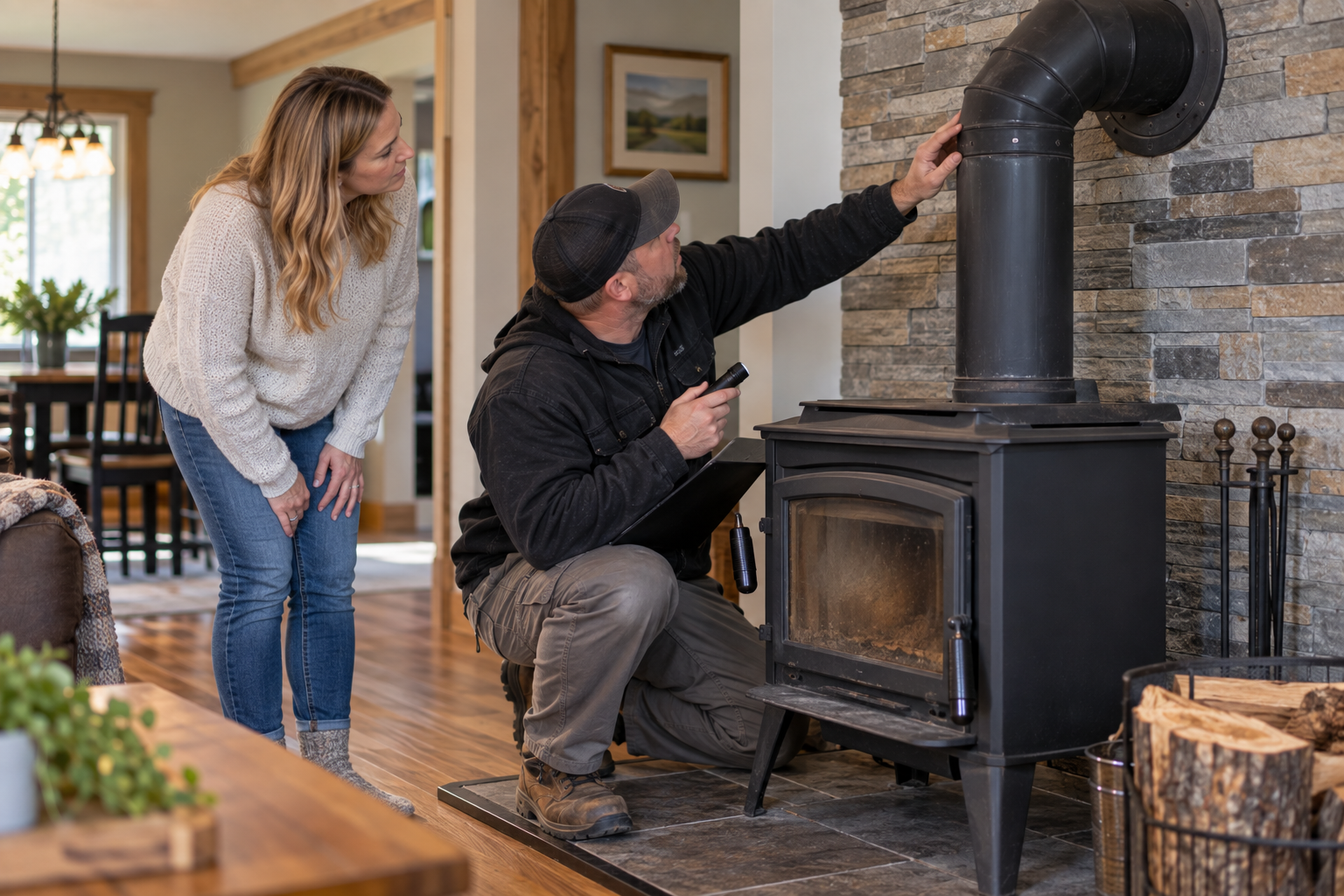
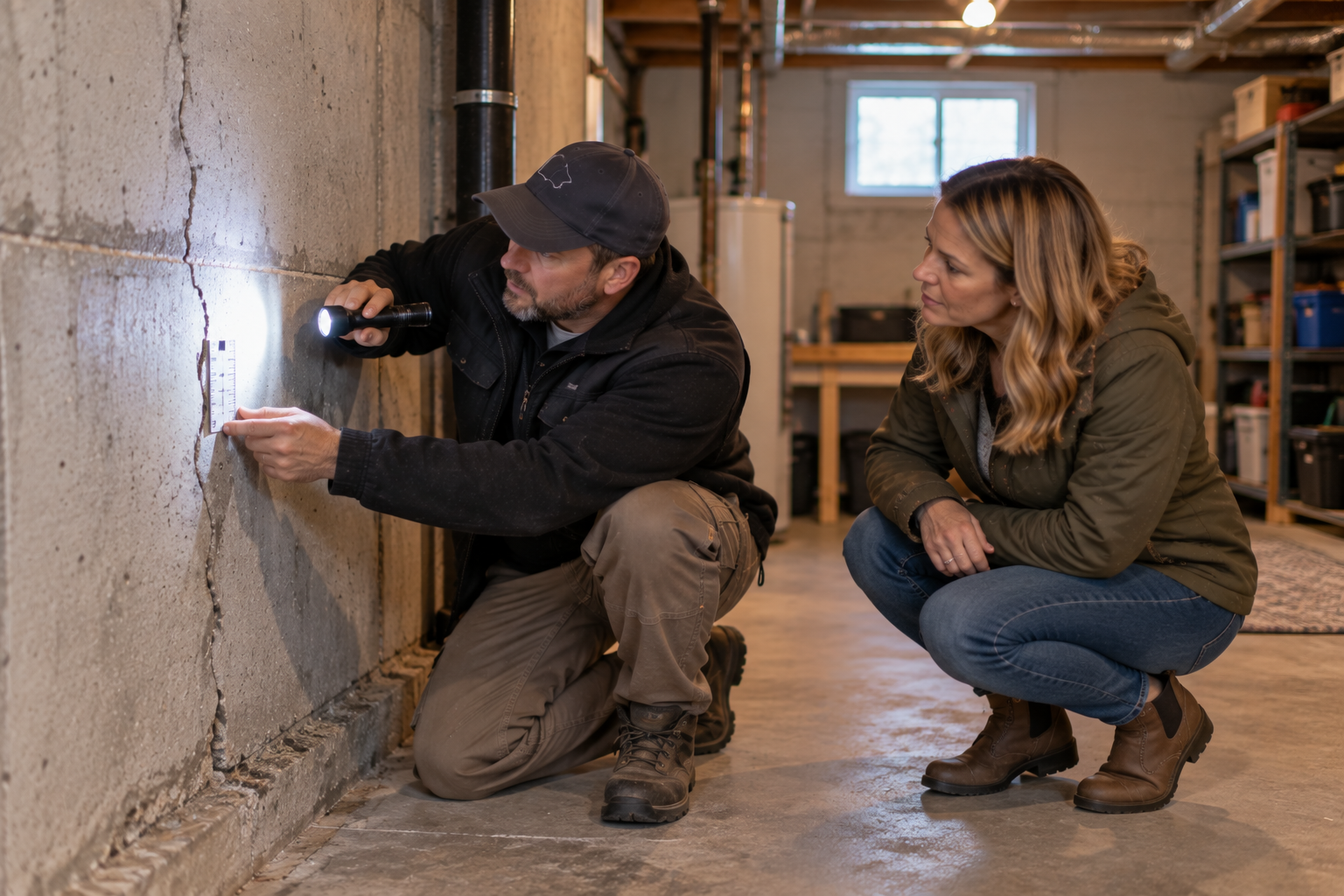
The buyer typically arranges inspections during the condition period. Depending on the property and the terms of the offer, these may include a home inspection, a well inspection or water test, and a septic inspection.

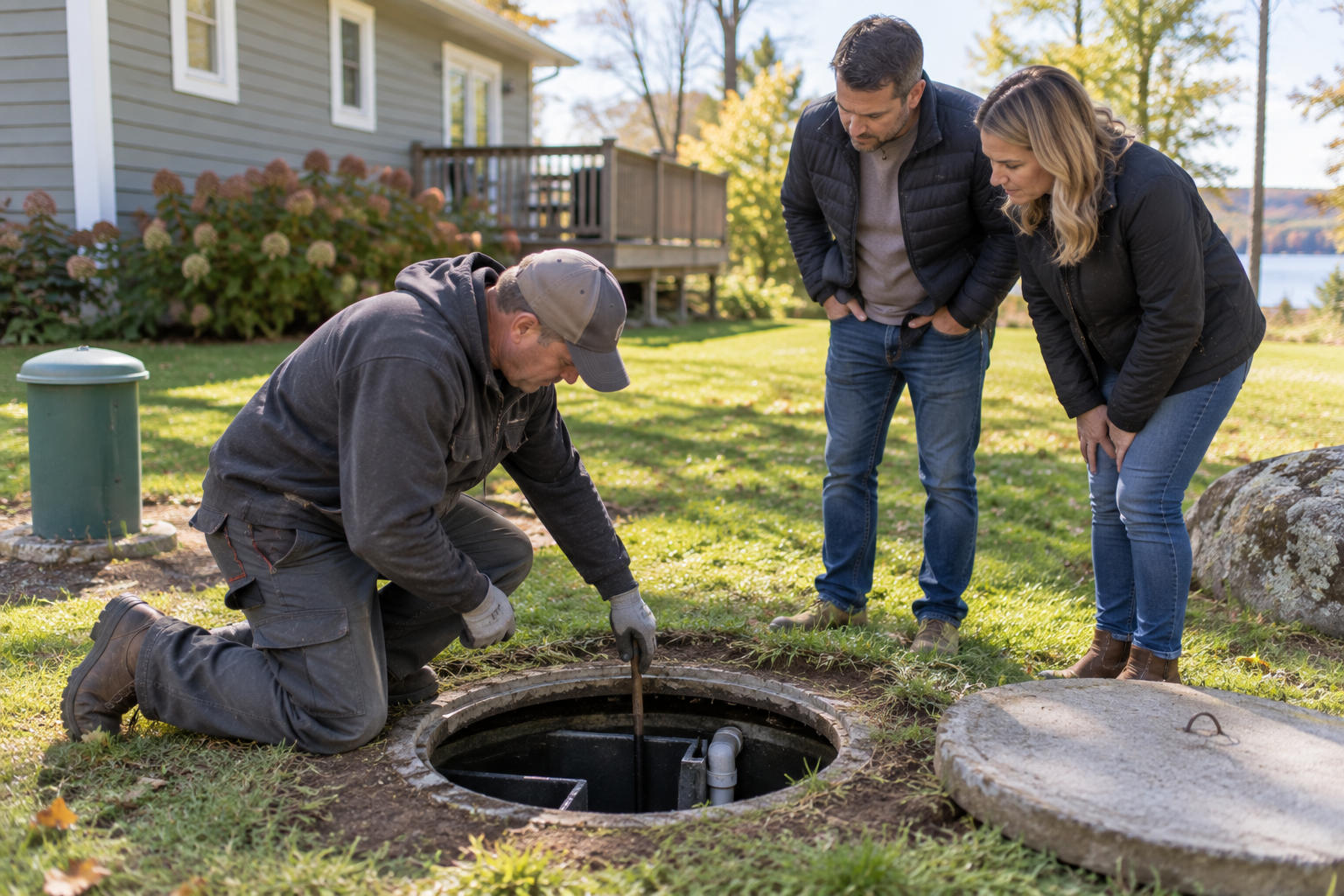
If the property has a well or septic system, you are responsible for exposing—digging up—and marking the locations so the inspector can find and access them. We’ll coordinate the timing and access with the buyer’s representative.

The offer may include a water and septic schedule or other specific terms. I’ll review those with you so we know what the agreement requires and when. The Nova Scotia Real Estate Commission’s overview of real estate forms explains the purpose of the Agreement of Purchase and Sale and related schedules.


Complete agreed work after conditions are confirmed

If the buyer’s inspections lead to repairs or updates that become part of the sale agreement, arrange that work after the buyer confirms their conditions and before closing—or by another deadline agreed to in writing.

If the property has a septic system, it will typically need to be pumped before closing. We’ll check the agreement for the required timing and any documentation the buyer is to receive. Keep invoices or other records for agreed repairs and septic work so they can be provided as required.

If there is a change to the property or an agreed item cannot be completed on time, tell me promptly so we can address it with the buyer’s representative.

Home maintenance professional tightening a kitchen cabinet handle.

Arrange insurance and electricity before closing

Once the buyer’s conditions are confirmed, contact your insurance provider. Tell them the expected closing date and ask when your coverage should end. Keep coverage in place until the sale has closed and possession has transferred, and confirm how an early move-out could affect your policy.

If Nova Scotia Power supplies electricity to the property, arrange to stop your service for the appropriate date before closing. Nova Scotia Power asks for 10 days’ notice, and moving out does not automatically close your account. Contact them as soon as the sale is firm; if the property is supplied by a municipal utility, contact that provider instead. See Nova Scotia Power’s instructions for starting, stopping or moving service.

Keep essential services available for any remaining access or work required by the agreement. In colder weather, check before changing the heat settings or shutting off service.


Prepare for the buyer’s pre-closing viewing

The buyer may have a final pre-closing viewing under the terms of the agreement. Sometimes this is called a pre-closing inspection, but it is not a second home inspection. The Nova Scotia Real Estate Commission describes it as a final look to confirm that the property’s condition has not changed since the buyer agreed to purchase it. See the Commission’s explanation of the final pre-closing viewing.

Before the viewing, complete agreed work, remove your belongings and garbage, and leave items included in the sale. I’ll coordinate access with the buyer’s representative.

If you notice new damage or another change before closing, tell me right away so we can address it promptly.

Empty home interior with clear floors and walkways, ready for inspection after the sellers have moved out.

Closing day and handing over the home

Your lawyer will guide you through the legal and financial steps and let you know what documents or information they need. Respond promptly to their requests, and ask them directly about the timing of the final accounting and sale proceeds.

Follow the agreement’s requirements for moving out and possession. Gather the keys, garage remotes and other access items for handover. I’ll confirm when the sale has closed and coordinate the handoff according to the agreement.

For the earlier offer-review stage, read Reviewing an Offer on Your Home in Nova Scotia. For the full selling process, visit my Selling Your Home in Nova Scotia guide.

I’ll help you keep track of what needs to happen between the accepted offer and closing day.

Read

Reviewing an Offer on Your Home in Nova Scotia

Receiving an offer is an important step, but the price is only one part of the decision. The conditions, deposit, closing date, included items and deadlines can all affect how the offer works for you.

I’ll review the written terms with you, explain how the pieces fit together and help you communicate your decision. We can compare an offer with your priorities and the plan we made for the sale.

Look at the whole offer

A strong offer is the one whose full terms fit your situation—not necessarily the one with the highest price.

When we review an offer, I’ll help you look at:

  • Price: How does it compare with your expectations and the market information we discussed?

  • Conditions: Has the buyer included conditions, such as financing, an inspection, or the sale of their current property? What are the deadlines?

  • Deposit: What amount is offered, when is it due, and what does the agreement say about it?

  • Closing date: Does the proposed date give you enough time to move and make your next arrangements?

  • Included or excluded items: Are fixtures, appliances or other items described clearly?

  • Other terms and deadlines: Are there requests or dates that affect your plans?

The written agreement matters. If something is unclear or an issue needs legal interpretation, I’ll help identify the question and involve your lawyer where appropriate.


Understand the conditions and timing

An offer may include conditions that give the buyer time to complete specific steps. The agreement should identify what the condition is and the deadline that applies. The wording and required notices matter, so we’ll read the actual terms rather than rely on assumptions about what a condition means.

A conditional offer is not the same as a completed sale with every step finished. We’ll keep track of the dates and required communication while the buyer works through the conditions. If a deadline or request raises a concern, we can discuss the available responses promptly.

Blank offer papers, a pen and a phone on a table during a home-sale discussion.

Decide whether to accept, reject or negotiate

You can accept an offer as written, reject it, or respond with different terms. A counteroffer may change the price, dates, included items or other terms. The buyer then decides whether to accept, reject or respond with another proposal.

Before deciding, we’ll consider what matters most to you. You might prefer a different closing date, clearer wording about an included item, or a change to another term. Negotiation should focus on the specific points you want addressed and the trade-offs involved.

The Nova Scotia Real Estate Commission explains the standard purchase and sale and counteroffer forms in its overview of Nova Scotia real estate forms.


After an offer is accepted

Once an offer is accepted, the Agreement of Purchase and Sale sets out the terms both parties must follow. If conditions remain, we’ll continue tracking the applicable deadlines and steps. I’ll keep you updated as the transaction moves forward and help coordinate communication with the buyer’s representative.

The offer-review stage follows the work that went into setting a price and bringing the home to market. You can revisit How to Price Your Home in the Annapolis Valley and From Pricing to Listing Day: How Your Nova Scotia Home Goes to Market.

When it’s time to sell, I’ll help you understand the offer in front of you, weigh the terms against your plans and decide how you want to respond. Visit my Selling Your Home in Nova Scotia guide to see the steps involved.

Read

From Pricing to Listing Day: How Your Nova Scotia Home Goes to Market

Putting a home on the market involves more than choosing an asking price and uploading a few photos. Before launch, the property details, presentation, timing and marketing plan all need to come together.

The process should fit the home and your plans. A property in town, an older home, an acreage and a waterfront property may each need a different approach to photography, information and marketing.


When Does Launch Planning Begin?

Launch planning starts before the listing appears online. We’ll discuss your timing, review the property and current competition, and decide what needs to be ready before the listing date.

That includes agreeing on a pricing strategy. My article How to Price Your Home in the Annapolis Valley explains how recent sales, competing properties and buyer response help inform that decision.

The timing also needs to work for you. We’ll discuss when you’d like the home to be available for showings, any scheduling limits and what needs to happen before photography.


Confirm the Details Before the Listing Is Written

A listing should describe the property clearly and accurately. Before launch, I’ll confirm the details that buyers are likely to look for, such as the home’s layout, features, services, heating, land and included items.

If there are property plans, service records, renovation details or other information that may help explain the home, we can review what you have. My article What to Prepare Before Listing covers records and property details that may be useful, depending on the home.

We’ll also clarify anything that could otherwise be easy to assume, such as what land or equipment is included and whether any items are rented or leased.

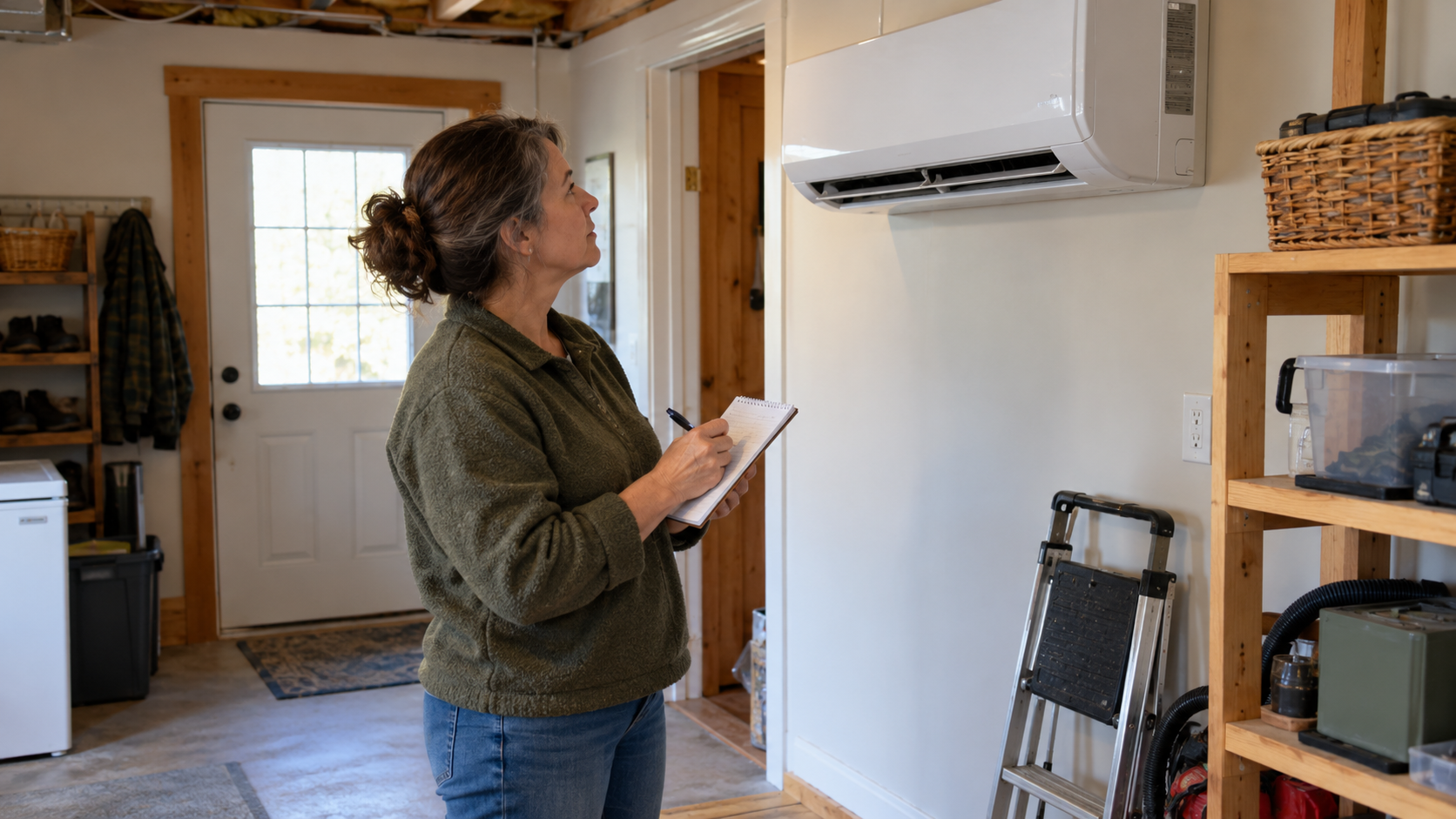
Homeowner checking a wall-mounted heat pump and recording a property detail before listing.

Prepare the Home for Photography

The goal of listing photography is to show the home accurately and help buyers understand the rooms, layout and important features. Preparation may involve tidying, cleaning, opening curtains, turning on appropriate lights and moving items that block a clear view.

Not every room needs to look staged, and preparation doesn’t automatically mean taking on a renovation. We can decide what is worth doing based on the home, its condition and your timing.

For more practical preparation ideas, read Preparing Your Home for Sale in Nova Scotia.


Choose Marketing That Fits the Property

Good listing information and photography are the foundation. Depending on the home, I may also recommend video, a virtual tour or drone imagery to help buyers understand the layout, land or surroundings.

Your listing is distributed through MLS® and major real estate websites. Social media and open houses may also be part of the plan when they suit the property and likely audience. Each tool has a purpose; the aim is to present the home clearly to the buyers who may be considering it.

REALTOR® photographing a wood staircase inside a home for its listing.

What Happens on Listing Day?

Before the listing goes live, I’ll check the details and media that are ready for publication. Once launched, buyers can view the listing online and contact their REALTOR® to arrange a showing.

We’ll make sure the showing instructions are clear, including any access details or practical considerations for the property. If your schedule, pets or other circumstances affect access, we’ll plan around them.


Make Showings Practical

Showings are a chance for buyers to experience the home in person after seeing it online. A simple routine can make it easier to keep the property presentable without having to reset everything each time.

Before a showing, put away personal documents and valuables, clear walkways, manage pets safely and leave access to the rooms and features buyers may want to see. If the property includes an outbuilding, gate or particular access route, we’ll make sure the instructions are understood.


Review the Early Response Together

After launch, we can review activity such as online attention, showing requests and feedback. These signals can help us understand whether the listing is reaching buyers and how they’re responding to the property and its price.

One comment or a quiet day doesn’t necessarily mean a change is needed. It’s more useful to look at patterns alongside current competition and any new sales.

If the response suggests we should revisit the plan, we can discuss the evidence and your priorities before deciding what to do.

REALTOR® and homeowner discussing showing feedback at a kitchen table.

The Plan Should Fit Your Home

No single marketing plan works for every property. The right mix depends on the home, its features, your timing and the buyers who may be interested in it.

My Selling Your Home in Nova Scotia guide covers preparation, pricing, marketing, offers, conditions and closing. If you’re considering a sale, a home evaluation gives us a chance to discuss your property and what a realistic launch plan could involve.

I’m always here to help.

Read

How to Price Your Home in the Annapolis Valley

Choosing an asking price is one of the most important decisions when preparing to sell. It can influence which buyers find your home, how they compare it with other properties and the conversations that follow once it is on the market.

There isn’t one formula that sets the right price for every Annapolis Valley home. A useful pricing strategy considers the property, recent sales, current competition and what buyers are responding to in the market.


What Shapes a Home’s Market Position?

A home’s market position reflects more than its square footage or the number of bedrooms. Buyers may also consider its location, condition, layout, features, lot, services and the work they expect to take on after moving in.

Two homes with similar sizes can appeal to different buyers and occupy different positions in the market. A home in town, an older house, a newer property and a home with acreage may each need a different comparison set.

That’s why pricing starts with understanding the specific property—not relying on a broad average or a single recent sale.

Annapolis Valley home and surrounding property

How a Comparative Market Analysis Helps

A Comparative Market Analysis, or CMA, is one way to study how your property fits into its current market. It considers relevant recent sales and homes currently competing for buyers, along with differences in location, condition, features and property type.

No two properties are identical. A CMA is not an appraisal or a guarantee of what a buyer will offer. It is a reasoned estimate that helps inform the asking-price decision.

The most useful comparisons help explain why a similar property may have sold for more or less. The sale price matters, but so do the property’s features, timing and the choices available to buyers at the time.

REALTOR® reviewing comparable home sales

Price Also Affects How Buyers Find Your Home

Buyers often search within selected price ranges. An asking price can affect which searches include your property and how buyers compare it with other options.

That doesn’t mean there is one perfect price point or that a particular search range guarantees more interest. It means the asking price is part of how your home is positioned for buyers to consider.

Recent sales help show what buyers have paid. Active listings show what they can choose from now, though an asking price does not prove what a property will sell for.


Market Conditions Can Change

Buyer demand, available listings, interest rates, financing conditions and broader economic circumstances can all influence how buyers approach a purchase. Local market activity can also vary between communities and property types.

Season and timing may affect the number of buyers who are active, but there is no single season that guarantees a stronger result for every home. The relevant question is how your property fits the conditions and competition at the time you plan to sell.

That’s one reason a pricing discussion should use current information. The market when you first considered selling may not be the same market you face when you are ready to list.

Hand using a blue pen to review charts showing market trends.

The Risks of Getting the Price Wrong

A price that is higher than the available evidence may cause some buyers to rule out the property or focus on alternatives. If a home stays on the market while competing properties attract interest, buyers may start asking why. A later price reduction can also change how they interpret the listing.

Pricing below the evidence has different risks. It may fail to reflect the property’s features, condition or current competition, and it can leave the seller wondering whether a different strategy would have been more appropriate.

Neither outcome can be predicted with certainty. A supported asking price gives you a more informed starting point and a clearer basis for reviewing buyer response.


What Buyer Response Can Tell You

Once the home is listed, buyer activity provides new information. Online views, showing requests and feedback can help show whether the listing is reaching buyers and how they are responding to the property and its price.

One comment or one quiet day does not necessarily call for a change. It is more useful to look for patterns and consider them alongside current competition and any new sales.

If buyers are showing interest but raising similar concerns, that feedback may help clarify how they see the property. If your home is receiving little activity while comparable properties are drawing attention, it may be time to review the overall position.

REALTOR® and homeowner discussing feedback at a kitchen table.

Practical Steps for Sellers

When you’re considering an asking price:

  1. Review recent sales of properties that are genuinely comparable to yours.

  2. Compare your home with current listings buyers may also consider.

  3. Look at your property’s location, condition, features and services.

  4. Consider current market activity and your timing.

  5. Listen for patterns in showing feedback and buyer response.

  6. Revisit the strategy when new information gives you a reason to do so.

A CMA can provide a data-informed starting point, while local knowledge helps explain how the comparisons relate to your particular property.


Pricing Is Part of the Selling Plan

Price works alongside preparation, photography, marketing and the terms you are willing to consider. My role is to review the property and market information with you, explain how the comparisons apply and discuss whether any adjustments make sense as buyer response comes in.

My Selling Your Home in Nova Scotia guide explains how pricing fits into the broader selling process. You can also review 9 Home Selling Mistakes to Avoid in Nova Scotia while preparing to list.

If you’re thinking about selling, you can request a home evaluation. When we meet, I’ll review your property, recent sales, current competition and plans with you. I’ll also provide a copy of my Complete Home Seller Handbook to help you follow the process.

I’m always here to help.

Read

What to Prepare Before Listing

Getting ready to sell involves more than deciding what to clean or repair. It also helps to gather information about the home, its systems, past work and the items that may stay with the property.

You may already have many of these details in a folder, email or service record. You don’t need to have everything assembled before we talk. Start with what you have, and we can identify what may be useful for your particular home.


What information should I gather before listing?

Start with the basic property information and any records you already have. This may include the civic address, property tax information, a survey or property plan, utility details, appliance manuals and warranties.

If you own more than one parcel, make a note of each parcel you believe is part of the sale. If you have a survey or plan, keep it with the other property information. Don’t rely on a fence or other visible feature to confirm a boundary.

The useful records will vary from one property to another. Gather what you have rather than delaying a conversation because you’re missing a particular document.

A homeowner and REALTOR® reviewing a room during a pre-listing walk-through.

What should I keep about repairs and improvements?

Make a simple list of significant work completed during your ownership. Include the approximate date, the type of work and any contractor or service information you still have.

Receipts, warranties, permits, manuals and service records can help explain what was done and when. Heat-pump installation or service records, roof work, window replacement and major renovations are examples of information a buyer may ask about.

If you aren’t certain of a date or detail, don’t guess. Note that you’re unsure, and we can decide how best to describe the information accurately.

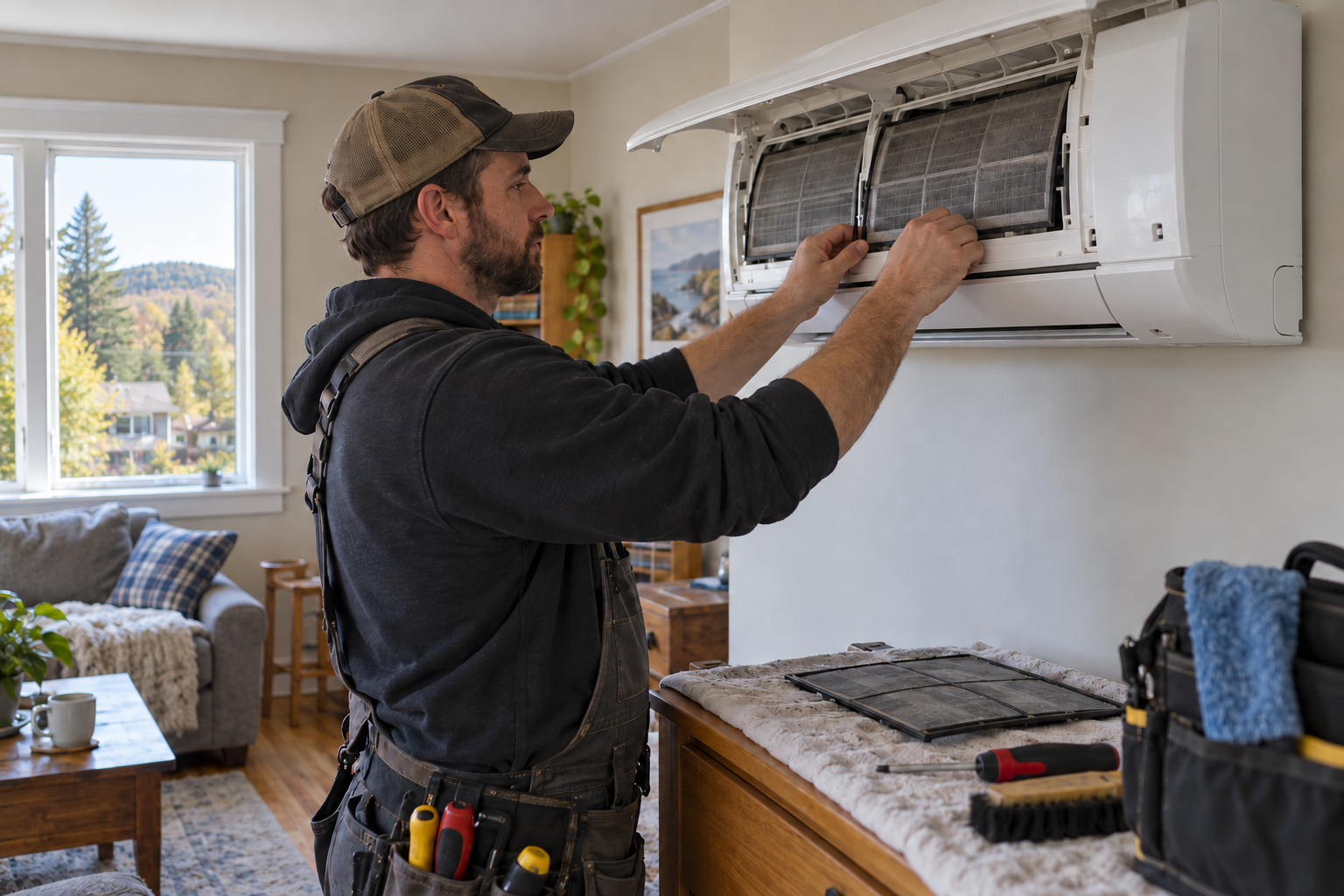
A home maintenance professional working on a heat pump in a house.

If your home has a private well

Private wells are found in rural areas and in some towns. If your home has one, gather any well installation, repair or service records you have. Water test results, pump or filter records and information about the well’s location may also be useful if available.

You don’t need to assume that every older record still exists or arrange new testing before we discuss the property. We can review what you have and consider whether anything else may be helpful for your listing.

A pressure tank and water-treatment equipment in a home with a private well.

If your home has a septic system

If your home has a septic system, gather any records you have about its type, location, installation, repairs, pumping or maintenance. A plan showing the system’s location may also be useful if you have one.

Records can be helpful even if they’re not recent. If you don’t know where the system is located or can’t find its paperwork, make a note of that rather than guessing. We can discuss the information you have and whether further investigation makes sense.

A green septic access cover visible in a residential lawn.

What if the property has heating equipment or leased items?

Make a note of the home’s main heating systems and any related service history you have. This may include heat pumps, oil or propane equipment, wood-burning appliances or other systems.

If equipment is rented or leased, gather the agreement and contact information for the provider. The same applies to other leased items or equipment connected with the property. Knowing what is owned, rented or subject to an agreement helps us describe it clearly.

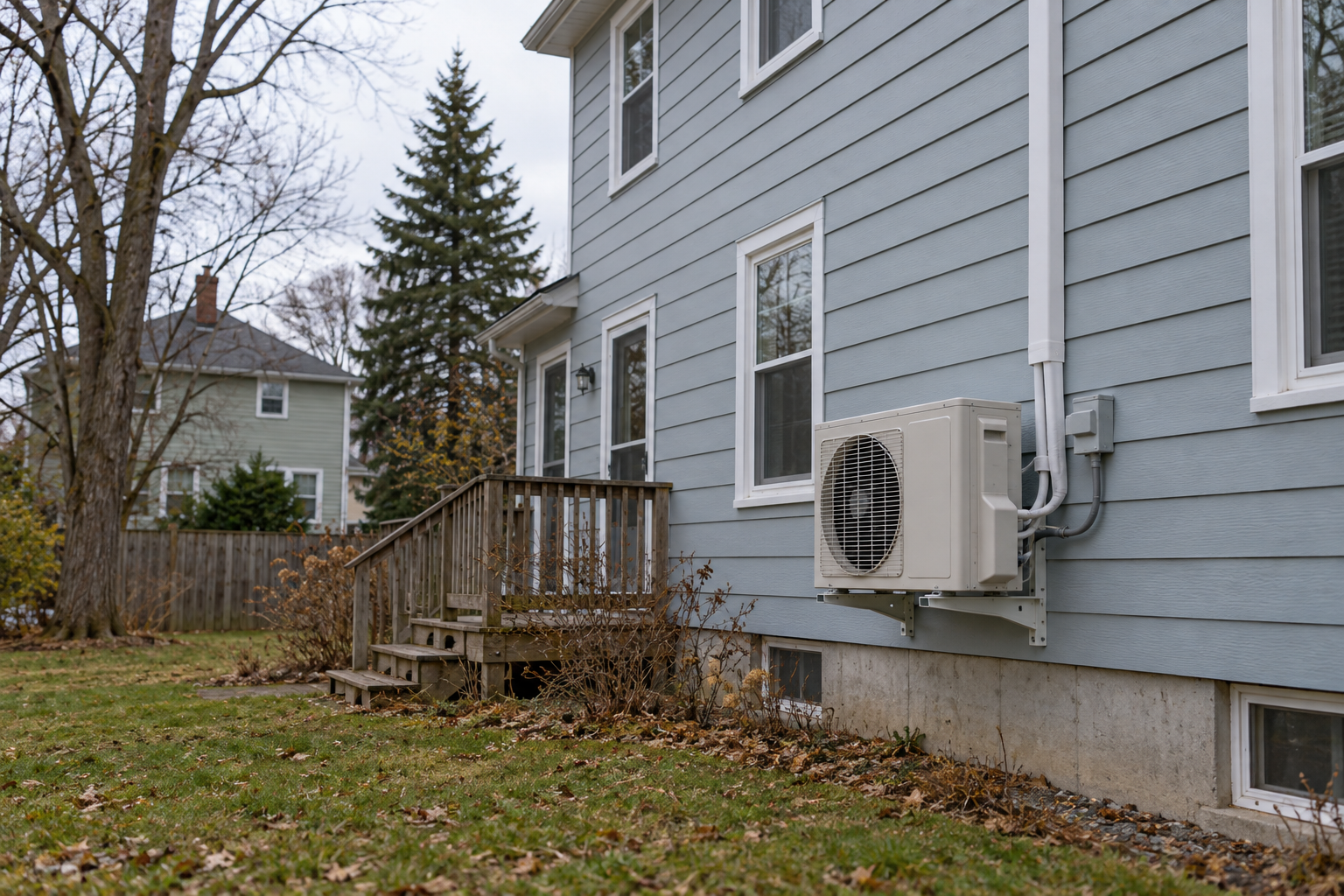
An outdoor heat-pump unit mounted on an ordinary home in an inland residential neighborhood.

Does the property include land, access or outbuildings?

If the sale includes multiple parcels, an outbuilding or a private access arrangement, gather the information you already have about it. This might include property plans, road-maintenance agreements, access documents, building permits or records of work done to an outbuilding.

These details can matter for properties in town as well as those outside town boundaries. If the land, access or what’s included is unclear, don’t make assumptions. We can identify the question and decide who is best placed to answer it.

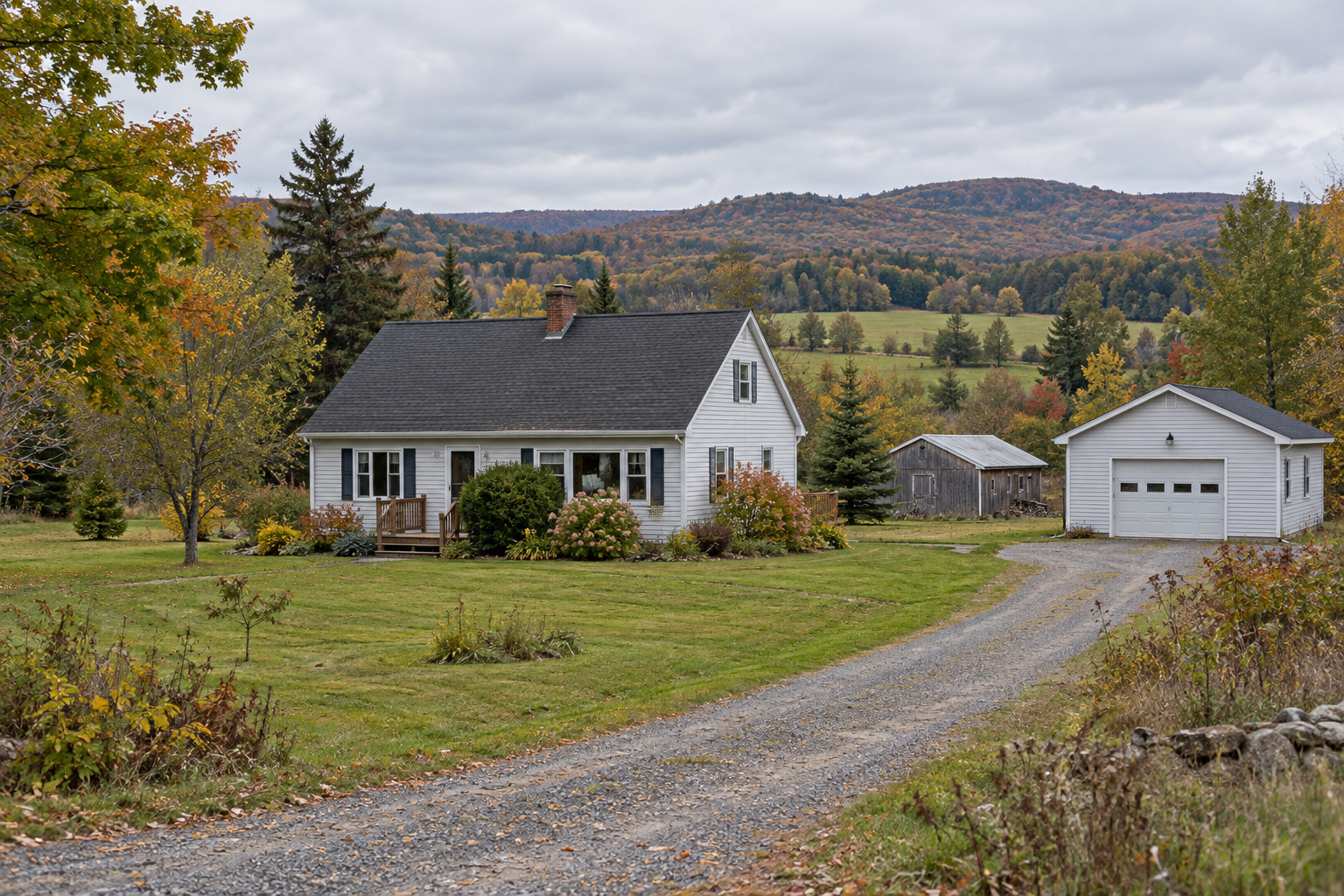
A driveway and outbuilding on a property in the Annapolis Valley.

What items will stay with the home?

Before listing, make a note of the appliances, fixtures and other items you expect to include, along with anything you intend to take with you. Also note any rented or leased equipment.

This gives us a chance to clarify expectations before the listing details and sale terms are prepared. Specific items can be easy to overlook when they’re part of everyday life in the home.


How should I organize everything?

A folder—paper or digital—is a simple place to keep the information together. You can add service records, receipts, warranties, plans and notes as you find them.

You don’t have to turn it into a complete property history. Start with the records you have and a short list of anything you’re unsure about. That will give us a useful starting point when we talk about the home and your plans.

For an overview of the selling process, read Selling Your Home in Nova Scotia.


Start with what you have

Every property is different, and the useful information depends on the home and its features. A private well, septic system, leased equipment, extra parcel or outbuilding may call for different details than a home with municipal services and no additional structures.

If you’re planning a sale, a home evaluation gives us a chance to discuss your property, timing and what may be worth gathering before listing.

Read

Preparing Your Home for Sale in Nova Scotia

Getting ready to sell doesn’t mean renovating every room or making your home look like somewhere else. The goal is to present it clearly, take care of the things that may distract buyers, and decide where your time and money are best spent.

The right preparation depends on the home, its condition, the likely buyers and your timing. Here’s a practical place to start for sellers in Nova Scotia and the Annapolis Valley.


Where should I start when preparing to sell?

Begin with a walk-through of your home as if you were seeing it for the first time. Look for things that may be difficult for buyers to overlook: unfinished repairs, cluttered surfaces, rooms that are hard to move through, or areas that need a good cleaning.

Make a short list and sort it into three groups:

  • Take care of: basic cleaning, easy maintenance and small repairs.

  • Consider: improvements that may help the home show better, depending on cost and condition.

  • Leave for now: projects that are expensive, disruptive or unlikely to make a meaningful difference.

You don’t need to have everything done before discussing a sale. A walk-through can help us identify what is worth addressing first and what may not be necessary.

A homeowner and real estate professional assess a room during a home-selling preparation walk-through using a short checklist.

Which repairs should I do before listing?

Start with visible maintenance and items that affect how the home functions. That might include a dripping tap, a loose handle, a burned-out bulb, a sticking door or a damaged screen. A clean, well-maintained home helps buyers focus on the property rather than a list of small distractions.

Before starting a larger renovation, consider its cost, the home’s current condition and what buyers are likely to value. A project can improve presentation without returning its full cost in the sale.

It’s also helpful to make a note of repairs, upgrades and work completed over time. If you know of an issue with the property, let’s discuss it early so we can describe the home accurately and determine what information should be available to buyers.

For other decisions that can make a sale harder than it needs to be, see 9 Home Selling Mistakes to Avoid in Nova Scotia.

Hands tightening a loose kitchen cabinet handle with a screwdriver.

How should I prepare for listing photos?

The photos are often a buyer’s first look inside your home. Preparation doesn’t require removing every personal item; it means making the rooms easy to see and understand.

Before the photographer arrives:

  • Clear kitchen counters and bathroom surfaces where practical.

  • Put away loose items, cords, laundry and everyday clutter.

  • Make beds and straighten cushions, towels and rugs.

  • Clean mirrors, windows and reflective surfaces.

  • Open curtains or blinds to let in natural light.

  • Replace burned-out bulbs and turn on lights where appropriate.

  • Move vehicles and bins away from the front of the home if possible.

  • Tidy the entry, porch and the areas immediately around the house.

The goal is a clear, accurate view of the home—not a staged look that misrepresents how it feels to live there. If a room has an important feature, make sure it isn’t hidden behind furniture or belongings.

A homeowner tidies a lived-in living room before listing photography.

What should I do before each showing?

It helps to have a simple routine you can repeat without having to reset the whole house each time.

Before a showing, put away personal documents, valuables and medications. Make sure pets are safely managed, clear walkways and leave access to rooms and features buyers may want to see. If there are special instructions for the property, such as a gate, outbuilding or access route, we can plan how to communicate those clearly.

You don’t need to make the home look perfect. A tidy, comfortable and accessible home gives buyers a better opportunity to focus on the property.

A tidy home entrance with a clear walkway prepared for a real estate showing.

What should Annapolis Valley sellers consider outside?

The season and property type can change what needs attention. In warmer months, mow or tidy the lawn, clear the entry and keep outdoor areas reasonably accessible. In wet or muddy weather, pay attention to the walkway and entrance. In winter, keep the approach safe and make sure visitors can reach the home.

For rural properties, consider the areas buyers may want to explore: the driveway, yard, outbuildings and access points. Clear paths where practical and make sure gates or other access arrangements are understood. The aim is to help buyers see the property clearly and move around it safely.

A clear walkway leading to a home entrance in the Annapolis Valley.

What should I avoid doing before I sell?

Avoid taking on a large project just because you assume every buyer expects it. The best next step may be a small repair, a thorough cleaning or simply removing clutter—not a major renovation.

Try not to leave all preparation until the last few days before photos. A little time to sort, clean and complete small jobs can make the process less stressful.

And don’t worry if you’re unsure what matters most. We can look at the home, talk about your timing and decide which preparation steps make sense for your situation.


A practical plan for your home

Every home needs a different level of preparation. What makes sense for a newer home in town may be different from what helps an older home, acreage or waterfront property show well.

For a broader overview of the process, read Selling Your Home in Nova Scotia. If you’re deciding what to tackle before listing, a home evaluation gives us a chance to discuss your property, timing and preparation priorities.


Want help deciding what to do first?

You don’t need to finish every project before we talk. We can walk through your home, discuss your timing and identify the preparation that makes the most sense for your property.

If you’d like to start with a conversation about your home, book a home evaluation.

Read

Nova Scotia’s Property Tax CAP: What Home Buyers Need to Know

The property taxes shown in a listing can look reassuring. But before you use that amount in your ownership budget, there is an important question to answer:

Does the seller’s tax bill reflect a capped assessment that will change after you buy?

Nova Scotia’s Capped Assessment Program, usually called CAP, can make the seller’s current taxes a poor guide to your future costs.

When we review a home, I’ll help you look beyond the advertised tax amount and identify what needs to be confirmed before you rely on it.


CAP Limits Assessment Growth, Not Your Entire Tax Bill

CAP limits annual growth in eligible taxable assessments using a rate tied to Nova Scotia’s Consumer Price Index. For 2026, the CAP rate is 2.6%. That is an assessment adjustment, not a municipal tax rate or a guarantee about the increase in your bill. PVSC’s 2026 assessment information.

Property Valuation Services Corporation, or PVSC, assesses properties and administers CAP. Municipalities set tax rates and issue tax bills. PVSC does not set those rates or collect property taxes. About PVSC.

That distinction matters when you are trying to understand a number in a listing. We need to look at both the assessment and the municipal charges applied to it.


Buyer reviewing property assessment information

Understand the Different Assessment Figures

A Property Assessment Notice may show several values:

  • Assessed value: PVSC’s valuation of the property for the assessment year.

  • Capped assessment: The value calculated under CAP, where applicable.

  • Taxable assessed value: The value used for property-tax purposes.

The notice is separate from the municipal tax bill. PVSC’s guide to your assessment notice.

Where CAP applies, taxable assessment is the lower of assessed value and capped assessment. PVSC’s CAP guide.

For a buyer, the useful question is whether there is a substantial gap between those figures. I’ll help you identify that gap and put it into the context of your purchase.


Buyer discussing home ownership questions before purchasing

What Happens After You Buy?

For an ordinary purchase from an unrelated seller, CAP is removed for the assessment year following the sale. It can apply again the following year if the new owner and property qualify.

For example, under the current rules:

TimingAssessment treatment
Purchase during 2026Sale occurs
2027 assessmentCalculated without the seller’s CAP
2028 assessmentNew owner’s CAP can apply if eligible

This follows the purchase timeline explained by PVSC. The seller’s capped value does not simply become your ongoing assessment. PVSC’s CAP guide.

We’ll consider the years after closing when building your budget, rather than relying only on the tax amount available when you make your offer.


A Simple Example Shows Why It Matters

The following figures are hypothetical. They illustrate the effect of a different taxable assessment; they are not a forecast for a particular property or municipality.

Assume a tax rate of $1.00 per $100 of taxable assessment, with no additional charges included.

ExampleTaxable assessmentTax at the illustrative rate
Seller’s capped assessment$200,000$2,000 annually
Buyer’s later uncapped assessment$350,000$3,500 annually
Difference$150,000$1,500 annually

That is $125 more per month to include in a household budget.

The calculation is:

Taxable assessment ÷ 100 × rate per $100

Municipal taxes can also include area rates and other applicable charges. For example, the Municipality of the County of Kings identifies both its general rate and community-specific area rates as part of the calculation. Kings County property-tax information.

The example holds the rate constant to show the assessment effect. Actual assessments, rates and charges may change.


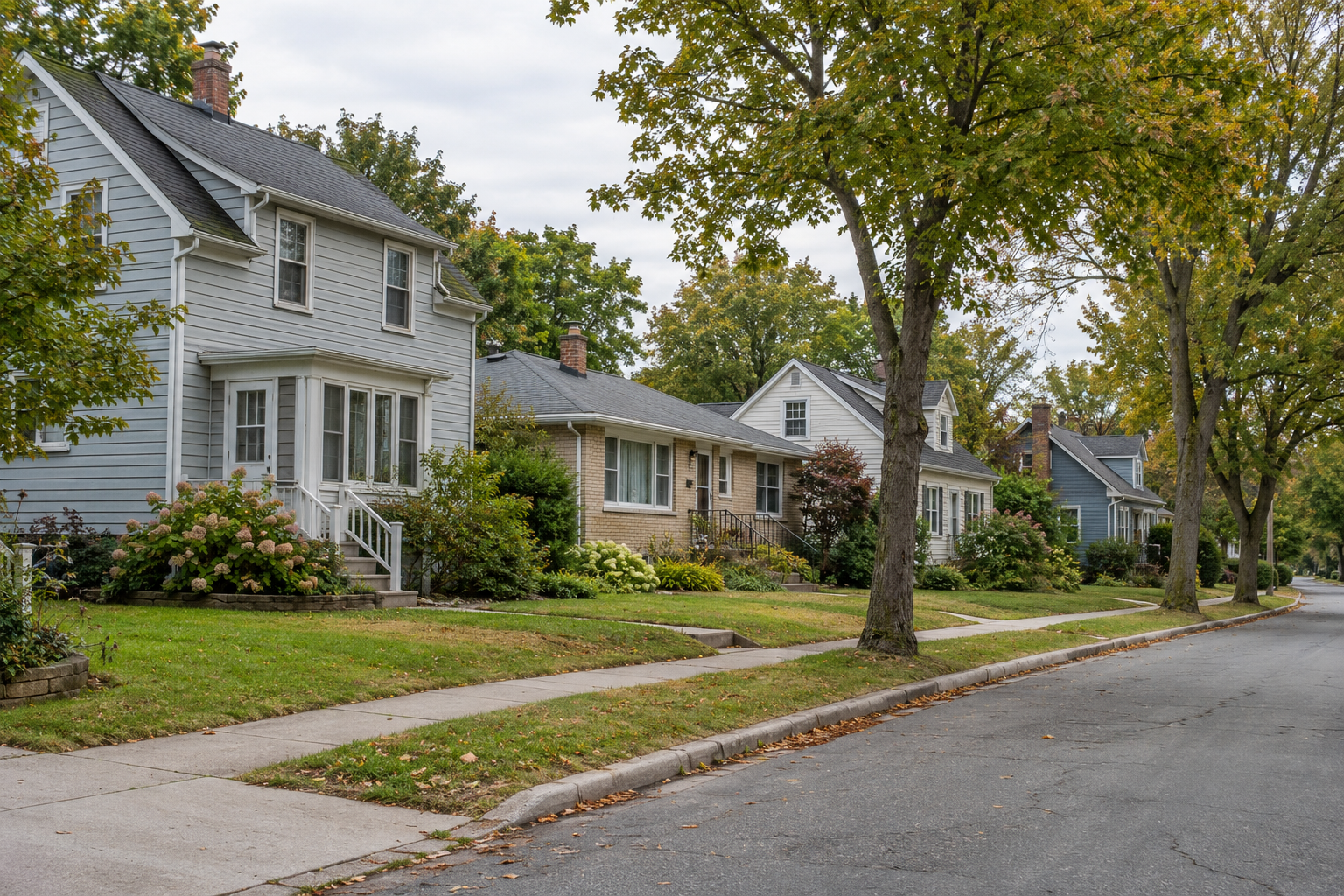
Different homes along an established residential street

Does the Assessment Become Your Purchase Price?

Do not assume that removing CAP means the next assessment will exactly equal the price you paid.

PVSC uses an annual valuation cycle. Its assessment reflects market value at a specified date and the property’s physical condition at another specified date. For example, 2026 assessments reflect market value as of January 1, 2025, and physical condition as of December 1, 2025. PVSC’s assessment timeline.

That timing is one reason an assessment and a current purchase price can differ.

When we review a property, I’ll keep the offer-price discussion separate from the tax estimate. Comparable sales help us consider an offer; the applicable assessment and municipal rates help us investigate taxes.

Neither the seller’s tax bill nor today’s assessment guarantees your future bill.


Eligibility Needs to Be Confirmed

General CAP requirements include at least 50% ownership by a Nova Scotia resident, qualifying property type and ownership duration. Condominiums must be owner-occupied. Certain family transfers have exceptions to the usual sale treatment.

New construction can also affect the calculation: its assessed value is added to the capped amount. PVSC’s CAP guide.

If you are relocating, buying with someone who lives outside Nova Scotia, purchasing through a company or considering a property with several uses, we’ll identify the questions to put directly to PVSC.

The same applies to a family transfer. Before relying on an exception, have PVSC and your lawyer confirm how the particular ownership arrangement will be treated.


Older home with an adjoining finished living space

Renovation Plans Belong in the Conversation

If you intend to add living space, finish an area or undertake substantial work, include assessment questions in your planning.

PVSC’s annual assessment process accounts for physical changes, including renovations, additions and demolition. PVSC’s assessment timeline.

I’ll help you flag planned work that deserves a conversation with PVSC. Ask how the proposed change could affect the assessment and when it would be reflected.

Avoid building your long-term budget around an assumption that the current assessment will continue unchanged after improvements.


Buyer gathering information about property taxes

How We’ll Check Taxes Before You Make an Offer

When we are considering a property, I’ll help you gather the available information and separate confirmed amounts from estimates.

We’ll work through these questions:

  • What year does the tax amount in the listing cover?

  • What are the current assessed, capped and taxable values?

  • What municipal and area rates apply to this address?

  • Are there separate charges that need to be included?

  • What should PVSC confirm about the purchase and CAP eligibility?

  • What allowance should you make for future changes?

PVSC provides a public assessment search by civic address or assessment account number. Find an assessment through PVSC.

The municipality can explain the rates and charges for the property. I’ll help you bring those pieces together into a working estimate, with any remaining uncertainty clearly identified.


Compare Homes Using Your Expected Costs

A home with lower advertised taxes is not necessarily the less expensive home for you to own.

When comparing properties, we’ll look beyond the seller’s current bill. A difference may reflect assessment history, municipal rates, services or other property-specific circumstances.

For a move within Nova Scotia, we’ll also review the property you are buying on its own merits. Your existing home’s tax amount is not a reliable budget for the next one.

This matters particularly when downsizing. A smaller home may reduce some expenses, but I’ll help you check the numbers before assuming every ownership cost will fall.

The guide How Much Does It Really Cost to Buy a Home in Nova Scotia? covers other expenses to include alongside property taxes.


Read Your Assessment Notice After the Purchase

When your notice arrives, check the property details, assessment figures and CAP treatment.

If something appears incorrect, contact PVSC promptly. An assessment appeal must be received within 31 days of the date on the notice; use the deadline printed on your own notice. PVSC’s assessment-notice guidance.

Keep the assessment notice and municipal tax bill together so you can understand how the figures connect.

Questions about valuation or CAP go to PVSC. Questions about the tax rate, billing or payment arrangements go to the municipality.


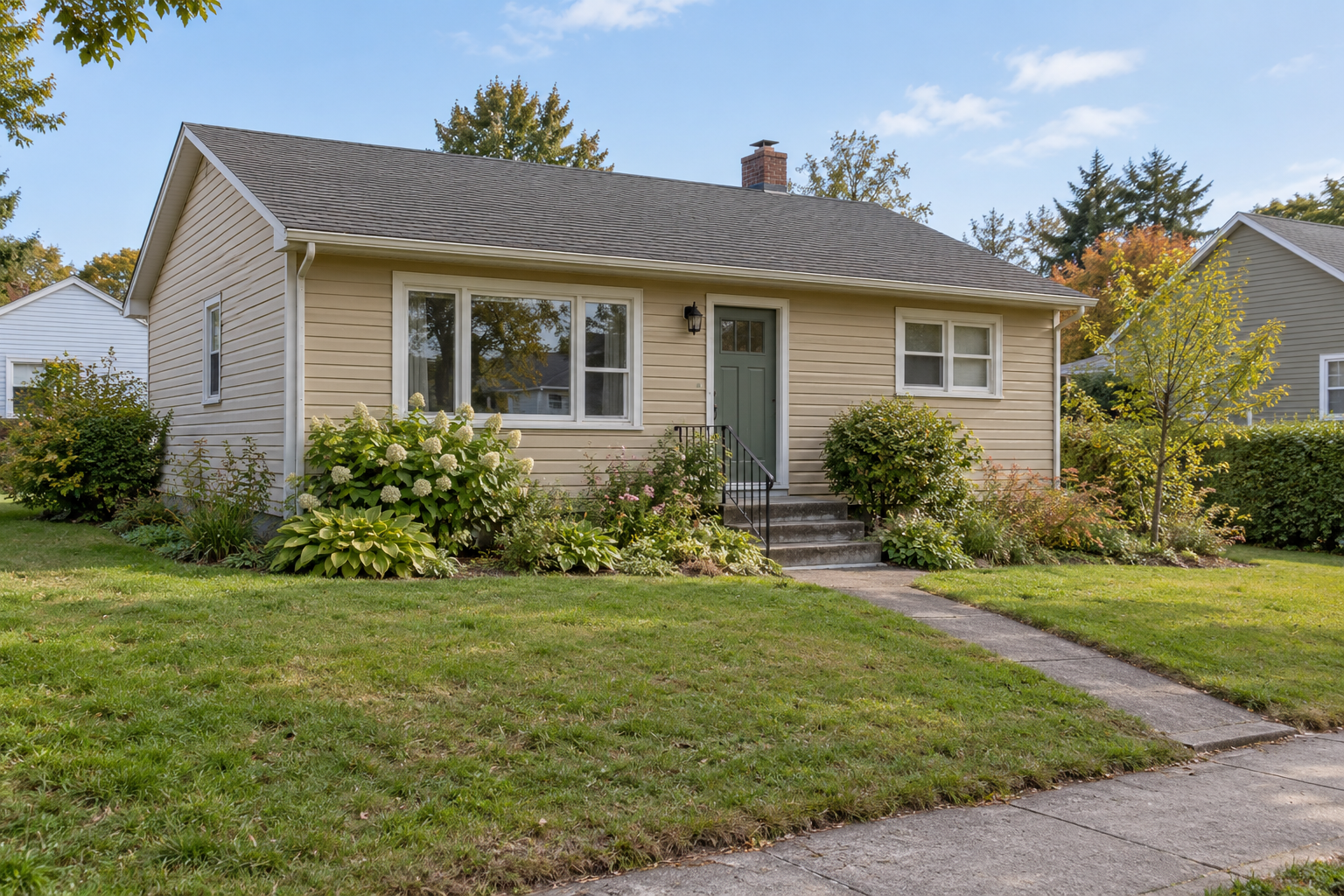
Modest home with a small established garden

Build Your Budget Around the Home You Are Buying

Property taxes deserve attention before you commit to a purchase, especially when the seller’s taxable assessment is substantially below the assessed value.

I’ll help you review the available information, identify the questions for PVSC and the municipality, and consider the result alongside your other ownership costs.

The seller’s tax bill is useful background. Your budget needs to reflect what may apply after you buy.

Considering a home in the Annapolis Valley or South Shore? Ask Rob about your next steps. We can review the property and identify the tax questions worth resolving before you make an offer.

Explore the Buyer Resource Centre for more practical guidance on buying and owning a home in Nova Scotia.

Read

Competing Offers: What Happens When More Than One Buyer Wants the Home?

Finding a home that feels right can quickly become more complicated when another buyer wants it too.

You may wonder whether to increase your price, change your conditions or make a decision faster than you expected. You may also have very little information about the other offers.

Understanding how competing offers work in Nova Scotia can help you make a clear decision while keeping your finances, property questions and priorities in view.

For the broader process, start with Making an Offer on a House in Nova Scotia: How the Process Works.


What Is a Competing-Offer Situation?

A competing-offer situation arises when a seller receives more than one written offer on the same property.

A busy showing schedule or someone saying they intend to offer is not the same as another written offer. The Nova Scotia Real Estate Commission specifically distinguishes verbal interest from competing written offers. NSREC guidance on competing offers.

I’ll help you separate what has actually been communicated from expectations about other buyers. A busy showing schedule can create urgency, but your decision should be based on confirmed information.


Buyer and REALTOR® discussing the competing-offer process

What Will You Know About the Other Offers?

In Nova Scotia, the seller directs their brokerage or designated agent on whether to disclose the existence of competing offers and the number received.

The listing representative must not disclose the contents of those offers. Knowing that competition exists does not entitle you to see another buyer’s price, conditions or closing date. NSREC By-law 737.

The Commission also prohibits indirect disclosure, such as telling a competing buyer where their offer ranks or that another offer is higher. NSREC guidance on offer confidentiality.

That leaves uncertainty. Your decision needs to be grounded in the property, your circumstances and the terms you are comfortable offering.


What Can the Seller Do?

The seller may accept an offer, counter one while setting others aside, or reject all of them. A properly structured backup agreement may also be considered.

You should not count on another opportunity to revise your offer. Prepare an offer you would be comfortable having accepted as written. NSREC guidance on the seller’s options.

It helps to think through your response before submitting. If the seller accepts, are you ready to proceed on those terms? If the seller counters, which parts would you reconsider?


Buyers considering how a home fits their needs

The Whole Offer Matters

Price deserves careful attention, but your offer contains several commitments.

Consider the proposed closing date, deposit arrangements, included items, conditions and the time available to complete them. A change that seems small during negotiations may have practical consequences later.

For example, an earlier closing date might require temporary accommodation, a change to your rental arrangements or a different financing plan. A larger deposit requires access to those funds when the agreement says they are due.

Before offering flexibility, check whether it works for you.

A term is only useful if you can carry it out.


Buyer reviewing purchase priorities before making an offer

Set Your Price Limit Before the Pressure Builds

Decide what you are comfortable paying before a competing-offer conversation becomes urgent.

We’ll review comparable sales alongside the home’s condition, location and likely ownership costs. We’ll also consider the work you already know you would want or need to do.

Then consider how the purchase would affect your everyday finances. What would remain available for closing costs, repairs and unexpected expenses?

The asking price is a reference point. Your decision also needs to reflect the property itself and your circumstances.

The guide How Much Does It Really Cost to Buy a Home in Nova Scotia? can help you think beyond the purchase price.

A useful question is: Would I still be comfortable with this purchase if I learned there had been less competition than I expected?


Mortgage Pre-Approval Does Not Approve Every Property

A mortgage pre-approval does not guarantee final financing. The lender still considers the property, and its valuation can affect the amount it will lend.

If you are considering a higher offer, speak with your mortgage professional about that specific price and property. Ask what would happen if the lender’s valuation were lower than your agreed purchase price, and whether additional cash might be required. Financial Consumer Agency of Canada: mortgage pre-approval.

Do not assume that room within a pre-approved maximum resolves every financing question.


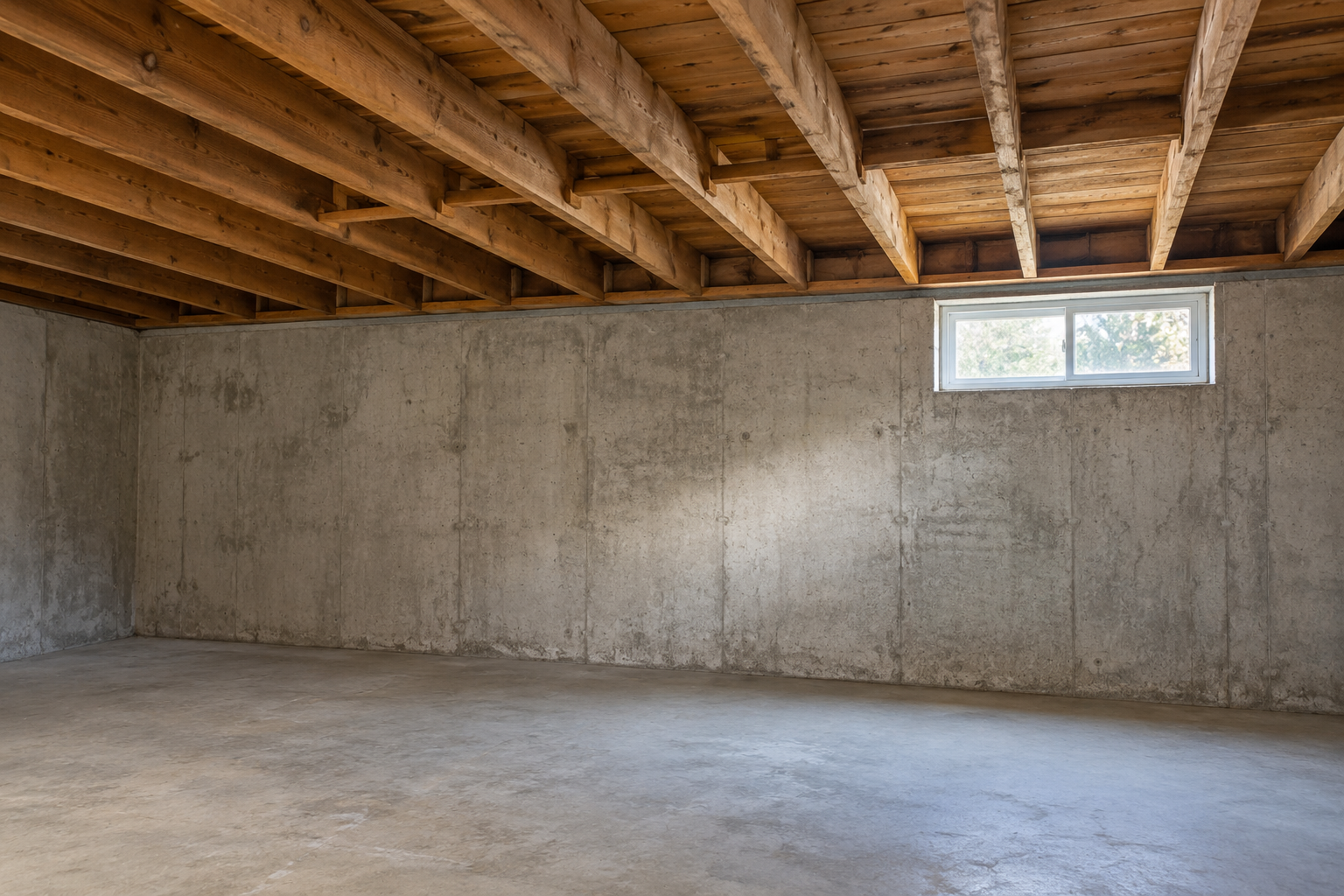
Basement framing and foundation in an older home

Conditions Should Reflect What You Still Need to Know

Competition can create pressure to remove an inspection condition or shorten the time available to investigate the home.

The Commission recommends a home inspection and cautions that a seller’s disclosure statement reflects the seller’s knowledge; it does not establish that every defect is known. NSREC guidance on home inspections.

Consider the questions still unanswered about this particular property. Can it be financed and insured on acceptable terms? What investigations remain outstanding? Are there documents your lawyer needs to review?

Our guide Conditions in a Real Estate Offer: What Nova Scotia Buyers Should Know explains how those questions relate to the agreement.

Before changing a condition, ask the relevant professional what the change would mean. If you are considering a shorter deadline, check actual appointment availability and turnaround times.

An unanswered question remains unanswered even when another buyer wants the home.


An Offer Review Date Is Not a Guarantee That the Seller Will Wait

A seller may set a date for reviewing offers. However, the Commission explains that the seller can consider an earlier offer, including one that expires before the announced review date.

This is often called a pre-emptive offer. The seller may accept it, reject it, counter it or leave it unanswered. NSREC guidance on offer review dates.

I’ll clarify the seller’s current instructions, explain your offer’s expiry time and keep you informed of changes communicated to me.


Escalation Clauses Are Not an Available Shortcut

You may encounter advice from other markets suggesting an offer that automatically increases above a competing offer.

The Nova Scotia Real Estate Commission states that licensees cannot use escalation clauses when preparing an Agreement of Purchase and Sale. Adding one in a schedule does not make it compliant. NSREC guidance on escalation clauses.

I’ll help you assess the available sales information and prepare an offer at a specific price you understand and are comfortable paying.


Buyer discussing an offer decision by phone

You Can Decide to Hold Your Position

Learning about competition does not mean you must increase your price or change your terms. We’ll review your options together, including keeping your offer as written. If you are considering withdrawing it, I’ll confirm its status and explain when legal advice is needed before you act.

You may decide the offer already reflects what the property is worth to you. You may also decide that a proposed change would leave too little financial room or too much uncertainty.

Those are reasonable limits to establish before the conversation becomes rushed.


If Your Offer Is Not Accepted

It is disappointing to miss a home you had begun imagining yourself living in.

Before changing your approach for the next property, review the experience. Were you comfortable with your price? Did you understand the terms? Did the home suit your needs well enough to justify the commitments you offered?

Avoid assuming that one unsuccessful offer means you should remove protections or stretch further next time.

If a backup agreement is proposed, I’ll walk you through its terms and help identify anything your lawyer should clarify. Before signing, you should understand when it could take effect, how long you would be committed and what it would mean for your continued search.


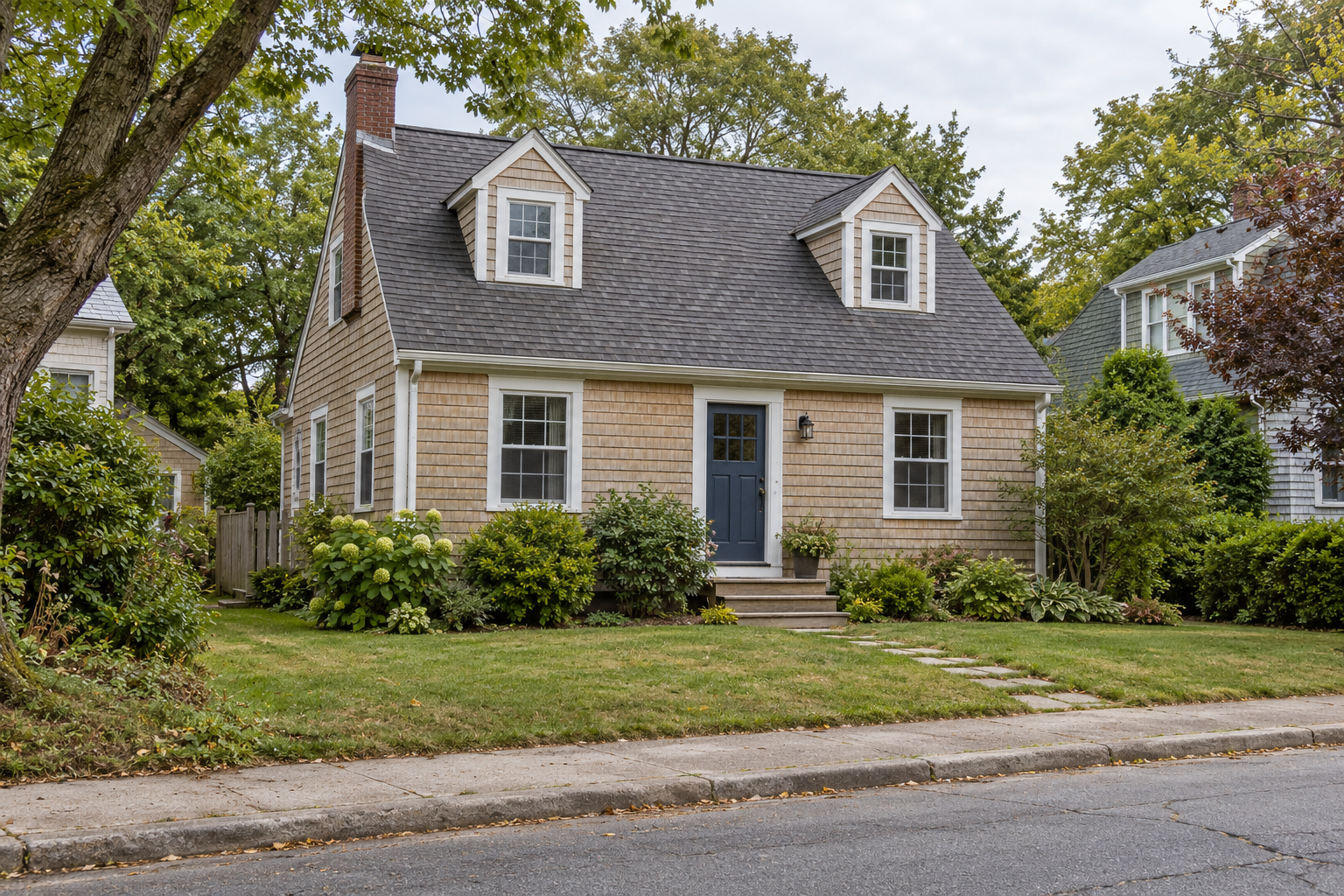
Maintained home in an established residential neighbourhood

Make an Offer You Can Live With

A competing-offer situation can move quickly. Preparing your limits in advance gives you more space to think when decisions are time-sensitive.

I’ll help you assess the property, review the available sales information and understand the commitments in your offer. We’ll discuss where you have flexibility and which questions still need answers from your lender, inspector, insurer or lawyer.

The right offer is one you understand and are prepared to carry through if accepted.

Considering an offer on a home in the Annapolis Valley or South Shore? Ask Rob about your next steps. We can work through the property, your priorities and the questions that matter before you decide how to proceed.

Explore the Buyer Resource Centre for more practical guidance on buying a home in Nova Scotia, from evaluating a property to preparing an offer and planning for ownership.

Read

Conditions in a Real Estate Offer: What Nova Scotia Buyers Should Know

You’ve found a home you want to buy.

But there are still things you need to confirm.

Will your lender approve the financing for this particular property? What will the inspection reveal? Can you obtain suitable insurance? If the home has a private well and septic system, what should you investigate?

Those questions are part of deciding whether you’re comfortable completing the purchase.

The conditions in your offer help establish what needs to be investigated or arranged, and when those decisions must be made.

Understanding them before you sign is an important part of buying a home in Nova Scotia.


What Is a Condition in a Real Estate Offer?

A condition makes the purchase subject to a specified requirement under the terms of the agreement.

For example, a buyer may need satisfactory financing, a property inspection or an opportunity to review information about the property.

The standard Nova Scotia Agreement of Purchase and Sale includes a buyer’s conditions section with options covering financing, property inspections, insurance and certain documents. The conditions selected and any additional wording need to reflect the transaction. NSREC’s standard purchase agreement

Before agreeing to a condition, understand:

  • What you need to obtain, investigate or review

  • Who is responsible for doing it

  • What deadline applies

  • What notice the agreement requires

  • What happens if the requirement isn’t satisfied

The wording matters as much as the name of the condition.


Start With the Questions This Property Raises

It is tempting to think of conditions as a standard checklist that gets attached to every offer.

A better starting point is the property itself.

An older rural home may raise questions about water, septic, heating, outbuildings and access.

A condominium may require careful review of documents about the corporation and its finances.

A home in a leased-land community involves a different ownership arrangement from a conventional freehold property.

Your own circumstances matter too.

Do you need mortgage financing?

Does the purchase depend on selling your existing home?

Are you buying because you intend to operate a business, add another dwelling or keep animals?

Explain those plans early.

Something that is essential to your decision should be discussed before the offer is prepared.


Buyer discussing mortgage requirements with a lending professional

A Financing Condition Deserves More Than a Pre-Approval

A mortgage pre-approval helps establish what you may be able to borrow, but it does not guarantee that your mortgage will ultimately be approved.

The Financial Consumer Agency of Canada explains that a lender may still decline the mortgage because of the property, its appraised value or other requirements. FCAC’s mortgage pre-approval guidance

During your financing investigation, ask your mortgage professional:

Has the lender reviewed this specific property and purchase price?

Is an appraisal required?

Are any documents still outstanding?

Are there requirements involving my down payment or existing home?

Is there anything unresolved that affects my ability to complete the purchase?

Try to obtain a clear explanation of what has been approved and what remains to be done.

A reassuring conversation is useful. Understanding the outstanding requirements is more useful when you’re deciding whether to waive a financing condition.


Home inspector examining kitchen plumbing while a buyer observes

An Inspection Condition Gives You Information to Evaluate

A showing helps you decide whether you like a home.

A home inspection gives you an opportunity to investigate its condition more closely.

NSREC strongly recommends a home inspection and notes that a seller’s Property Disclosure Statement reflects the seller’s knowledge, which may not include every defect. NSREC’s home-inspection guidance

Think beyond simply booking an appointment.

You also need time to receive the findings, ask questions and decide whether further investigation is appropriate.

If an inspector recommends an electrician, roofer or structural professional, that recommendation may introduce another step before you’re ready to make a decision.

My guide to home inspections explains what buyers should expect from the inspection itself.

For your offer, the practical question is:

Does the condition and its timeline allow the investigation this property may need?


Water sample being collected for testing during a property investigation

Some Properties Need Additional Testing

A general inspection may be only part of your due diligence.

Depending on the property, you may want to discuss:

  • Well-water testing

  • Water-supply information

  • Septic-system inspection

  • Wood-burning appliance inspection

  • Specialist assessment of a building component

  • Review of permits or renovation records

  • Investigation of access or boundary questions

NSREC provides a Water and Septic Schedule, along with other schedules for particular property types. These can add requirements beyond those in the main agreement. NSREC’s guide to real estate forms

Don’t assume that saying “home inspection” automatically addresses every concern.

Explain what you need to learn so the appropriate investigation and contract wording can be considered.

Beyond the Home Inspection explores the additional tests and investigations a buyer may need.


Older home showing roof, chimney and exterior electrical service

Insurance Should Be Investigated Early

Before committing to a purchase, find out whether you can obtain suitable insurance for the property and your intended use.

An insurer may ask about the home’s electrical system, heating equipment, roof and other features. The Insurance Bureau of Canada specifically identifies these as factors insurers consider. IBC’s explanation of home-insurance factors

When discussing coverage, ask:

Does this quote reflect the actual property information?

Is additional documentation required?

Would any work need to be completed?

Are there exclusions or limitations I should understand?

Does the proposed coverage fit how I plan to use the property?

Give the insurer accurate information about matters such as a wood stove, rental use or an expected period of vacancy.

The purpose is to understand the arrangement you can actually obtain before making your decision.


Reviewing Documents Is Part of the Investigation

Some important questions won’t be answered by walking through the house.

You may need to review a Property Disclosure Statement, equipment information, restrictive covenants or documents associated with the property type.

A PDS records information based on the seller’s knowledge. NSREC describes receiving it as the beginning of a conversation and directs buyer representatives to pursue relevant follow-up questions. NSREC’s disclosure guidance

Read the answers carefully.

A reference to a previous leak may deserve another question.

A description of leased equipment may lead you to ask about the contract.

A restriction affecting the property may matter if you’re planning a particular use.

Receiving a document and understanding its implications are separate steps.


Special Property Types Can Bring Additional Conditions

The documents needed for one purchase may be quite different from those needed for another.

NSREC’s forms include schedules for resale condominiums, vacant land, mini/mobile/manufactured homes and leased-land communities, and multi-unit residential income properties. NSREC’s guide to real estate forms

For a buyer, the practical lesson is to look beyond the main offer form.

Read the attached schedules.

Ask which information must be supplied and which matters require your review.

If you don’t understand something in a schedule, raise it before signing rather than assuming it is routine wording that won’t affect you.


What If You Need to Sell Your Current Home?

If buying depends on selling your existing property, explain that when discussing the offer.

NSREC has a Sale of Buyer’s Property Schedule for transactions where the sale of the buyer’s current property is made a condition of the purchase. NSREC’s explanation of the sale-of-property schedule

Before proceeding, discuss questions such as:

  • Does your home need to be listed, sold or closed?

  • What happens if another buyer becomes interested in the property you want?

  • Could you complete the purchase if your sale were delayed?

  • What financing would be available?

  • How do the two transactions’ dates fit together?

Don’t assume that a general financing discussion has resolved all the risks of coordinating two properties.

Your REALTOR®, mortgage professional and lawyer may each have a part in working through the arrangement.


Buyer discussing a purchase agreement with a lawyer

Lawyer Review Has Its Own Purpose

Legal questions deserve legal advice.

A lawyer can help you understand the agreement and the legal issues associated with the purchase.

Under the standard Nova Scotia APS, lawyer review concerns the wording and content of the agreement, with the lawyers acting reasonably. It has its own deadline and notice provisions. NSREC’s standard purchase agreement

Arrange legal representation early and make sure your lawyer receives the documents promptly.

Also explain anything unusual about your plans for the property.

If your concern is whether you can operate a business, build an addition or use an access route, say so explicitly. Don’t assume another professional knows why that issue is important to you.


Give Yourself Enough Time to Investigate

A short condition period can sound appealing during negotiation.

But the useful question is whether the work can actually be completed.

Before proposing a deadline, consider:

  • Inspector and specialist availability

  • Laboratory processing time

  • Documents your lender still needs

  • Insurer response times

  • Your lawyer’s availability

  • Access to the property

  • Weekends and holidays

  • Time to understand the results

For example, having an inspection on the final afternoon may leave very little opportunity to investigate a concern it uncovers.

Build the schedule around the work, including the possibility of follow-up questions.

A deadline should allow time for a decision, not just an appointment.


Buyer coordinating property investigations by phone

Use the Condition Period Actively

Once the offer is accepted, begin the agreed work promptly.

Send the purchase documents to your lender and lawyer.

Book inspections.

Contact your insurer.

Request outstanding information.

Keep track of what has arrived and what remains unresolved.

A simple working list can help:

Investigation or document

Person responsible

Expected completion

Outstanding questions

Decision required

This is particularly useful when several professionals are involved. One person’s part may be complete while another is still waiting for information.

Stay involved in the results. The professionals provide information and advice, but you need to understand what you’re being asked to accept.


Being Satisfied and Providing Notice Are Separate Steps

For conditions requiring Form 408, you must provide the completed form to the seller or seller’s representative by the agreed deadline, clearly waiving all applicable conditions.

If that does not happen, the agreement is deemed terminated.

Signing the form without delivering it is not enough. NSREC’s Form 408 guidance

Before authorizing the notice, ask your REALTOR® to explain exactly which conditions it covers.

Make sure your decision reflects the information you have received and any outstanding questions.


Not Every Condition Uses Form 408

The standard lawyer-review, title-investigation and condominium estoppel-certificate clauses use notice of dissatisfaction rather than Form 408.

Other schedules can have their own procedures.

Follow the wording and deadlines in your agreement. NSREC’s explanation of different notice procedures

For practical purposes, avoid treating the purchase as though it has one deadline and one form that settles everything.

Ask for a clear explanation of which steps belong to you, your REALTOR® and your lawyer.


What If You Need More Time or Find a Problem?

You can propose an amendment requesting an extension or another solution. The seller may accept, reject or ignore it, or propose different terms.

Until an amendment is accepted, the original terms and deadline remain in effect. A terminated agreement cannot be revived by amendment. NSREC’s guidance on amendments and deadlines

Raise delays and concerns as soon as they appear.

If you’re waiting for a specialist, make that known while there is still time to consider options.

If an inspection finding changes your view of the purchase, my guide The Inspection Found Problems — What Happens Next? explains the decisions that may follow.


What If You Remain Unsatisfied?

Under the standard buyer-condition process, a buyer who is unsatisfied may terminate before the deadline in accordance with the agreement.

Discuss the appropriate steps with your REALTOR® and obtain legal advice where needed. NSREC’s buyer-condition guidance

Explain the actual concern and the information behind your decision.

Don’t rely on assumptions about what a condition allows, particularly if the wording has been changed or the issue is disputed.


A Terminated Agreement Doesn’t Automatically Release the Deposit

Termination and release of money held in trust are separate matters.

NSREC explains that a brokerage must retain the deposit until it receives the required written mutual direction or a court order authorizing disbursement. This applies even where the funds are not being disputed. NSREC’s deposit guidance

If the purchase ends, ask what documentation is required and who is arranging it.

Understanding that process can prevent confusion about when the money will become available.


Be Careful About Removing a Condition Before You Have Answers

A decision to proceed should reflect what you know and the uncertainty you are prepared to accept.

Before waiving a condition, ask yourself:

Have I received the information I was waiting for?

Do I understand the findings?

Have I spoken with the appropriate professional?

Is there an unresolved issue that could affect my decision?

Am I relying on an assumption that still needs to be checked?

If you feel rushed, explain why.

Perhaps a report has arrived but you haven’t discussed it with the inspector. Perhaps the lender has responded but you don’t understand an outstanding requirement.

Identify the gap before making the decision.


Buyer taking another look through a home before deciding to proceed

Conditions Work Best When They Lead to Better Information

The purpose of this stage is to understand the purchase more fully.

Can you arrange the financing?

Does the property’s condition work for you?

Can you obtain suitable insurance?

Do the documents raise questions that need answers?

Are there additional investigations appropriate for this home?

A useful condition addresses a real question, allows time to investigate it and provides a clear process for deciding what happens next.

Before you agree to proceed, understand what you have learned—and what you are accepting.


Part of the Buying a Home in Nova Scotia Buyer Resource Centre: Practical guides to help you prepare, evaluate a property and navigate the home-buying process.

Read

Making an Offer on a House in Nova Scotia: How the Process Works

You’ve found a home you can picture yourself living in.

The location works. The rooms make sense. You’ve started thinking about where the furniture would go.

Then comes the question:

What happens if you want to make an offer?

Most buyers immediately think about price. But an offer also needs to address what you’re buying, what you need to investigate, when the purchase would close and the terms you’re prepared to accept.

Understanding those decisions before you sign can make the process feel much more manageable.


Start With What You Know—and What You Still Need to Find Out

Before deciding what to offer, take a moment to separate what you like about the property from what you actually know about it.

You may love the kitchen and the backyard.

But do you understand the heating system?

Have you considered the age of the roof?

Does the property have a private well or septic system?

Are there questions about access, boundaries, renovations or how you intend to use the property?

You won’t necessarily have every answer before making an offer. Some investigations may happen afterward under the conditions included in the agreement.

The important thing is to identify those unanswered questions early enough to address them properly.

The offer should reflect the particular home you’re buying and the information you still need.


Know Your Budget Before the Negotiation Starts

There are two numbers worth understanding before you make an offer:

What you may be able to borrow.

What you’re comfortable spending.

Those numbers aren’t always the same.

Think about the full cost of ownership, including heating, insurance, property taxes, maintenance and any work you expect to undertake.

Leave room for the costs of buying the home as well. Your down payment won’t be your only expense.

A mortgage pre-approval is useful preparation, but it can still be subject to requirements involving the property and its valuation. Discuss the home and your proposed purchase with your mortgage professional. NSREC’s home-buying guide

It is much easier to establish your financial limits before a counteroffer arrives than while you’re deciding whether to increase your price.


Buyer and REALTOR® comparing homes before deciding on an offer price

How Do You Decide What Price to Offer?

The asking price is a starting point for evaluating the property.

It doesn’t tell you, by itself, what you should offer.

Consider:

  • Recent sales of comparable properties

  • Differences in condition, size, land and location

  • The homes currently available to buyers

  • How long the property has been on the market

  • Any price changes

  • Work the property may need

  • Whether there is known competition

  • How well the home fits your needs and budget

Your REALTOR® can help you examine comparable sales and develop an offer strategy. NSREC’s explanation of the buyer representative’s role

A useful question is:

If I buy this home at this price, will I still be comfortable with the decision after the excitement of the negotiation has passed?


Should You Offer Below the Asking Price?

There isn’t a percentage below asking that makes sense for every property.

An offer below asking may be reasonable when the price is ambitious, the property has been available for some time or the evidence supports a lower value.

In another situation, a well-priced home may attract strong interest immediately.

The amount of a discount tells you very little without understanding the starting price.

A house purchased below asking can still be expensive for what it offers. A house purchased at asking can represent a sensible purchase.

Evaluate the property and the price together.


Your Offer Is Put Into Writing

In a typical Nova Scotia residential resale transaction, the offer is prepared using an Agreement of Purchase and Sale, often called the APS.

It identifies the parties, property, price and proposed terms. Additional schedules may be needed for the property or circumstances.

Once accepted, it becomes the purchase contract. NSREC’s guide to real estate forms

Treat the document as something you need to understand before signing.

If wording is unclear, ask what it means and how it applies to your purchase.

A conversation about what everyone intends is useful. The written agreement needs to accurately reflect those intentions.


Buyer reviewing the house, garage and surrounding property before making an offer

Be Clear About What You’re Buying

A showing can leave buyers with assumptions about what belongs to the property and what will remain.

Perhaps there is a second parcel of land beside the house.

Maybe an appliance caught your attention.

There could be a workshop full of equipment or a heating system that is leased rather than owned.

Before signing, clarify anything that matters to your decision.

Which land is included?

Which appliances and other items are included?

Is anything specifically excluded?

Does any equipment come with a rental, lease or other contract?

The current standard APS identifies the property by its civic information and property identification numbers, and provides for fixtures, specified chattels and equipment documentation. NSREC’s May 2026 standard forms

Don’t let an important inclusion depend on someone remembering a conversation several weeks later.


Buyer asking which appliances and fixtures are included in a home purchase

Fixtures and Chattels Deserve Attention

Fixtures are generally items attached to the property. Chattels are generally movable possessions.

That distinction can become less obvious when you start thinking about particular items.

A wall-mounted television and its bracket.

A freestanding cabinet beside built-in cabinetry.

Workshop equipment.

Decorative light fixtures.

An extra refrigerator in the garage.

If you want something included, or know the seller intends to remove it, have that addressed clearly.

The Legal Information Society of Nova Scotia recommends identifying the chattels you want included in your offer. Buying a home in Nova Scotia

Specific wording is easier to work with than assumptions about what normally stays.


The Deposit Is Part of the Purchase Price

The deposit is an amount paid according to the agreement and credited toward the purchase price when the transaction completes.

It is generally held in trust.

The agreement should identify the amount, recipient and deadline. Confirm the receiving brokerage’s accepted payment methods and allow time for the funds to arrive.

Under the standard Nova Scotia wording effective May 1, 2026, the seller may terminate if the deposit is not delivered as specified. An electronic deposit is considered received when it is available for deposit to the payee’s trust account. NSREC’s deposit guidance

A practical point follows from that:

Starting a transfer and meeting the deposit deadline may not be the same thing.

Arrange access to the money before promising a payment date.


Don’t Treat the Deposit as the Price of Changing Your Mind

Buyers sometimes assume that walking away from an accepted purchase simply means losing the deposit.

That is a dangerous assumption.

The current standard APS provides for forfeiture of the deposit on a buyer’s failure to complete, in addition to other claims the seller may have. The consequences depend on the agreement and circumstances. NSREC’s May 2026 standard forms

An accepted purchase deserves careful attention even while conditions remain outstanding.

If you’re considering not proceeding, review your rights and obligations with your REALTOR® and lawyer before acting.


Buyers planning the timing of their move before choosing a closing date

Choose a Closing Date That Works in Practice

The closing date affects more than when you book a moving truck.

Think about:

  • Your current lease or home sale

  • When your purchase funds will be available

  • Your lender’s requirements

  • The time needed for legal work

  • Moving arrangements

  • Any agreed work before closing

  • The seller’s proposed timing

A date that looks convenient on a calendar may create difficulties elsewhere.

For example, buying before your existing home sells may raise financing questions. Closing on the same day as your sale can create its own coordination challenges.

Explain your circumstances before the date is written into the offer.

Also clarify possession arrangements. Don’t assume that you can arrive with a moving truck first thing in the morning simply because it is closing day.


Rural home with a private well and outbuilding to investigate before purchase

Conditions Should Address Your Actual Needs

An offer can include conditions allowing you to investigate matters before committing to proceed without those protections.

Depending on the property and your circumstances, those matters may include financing, insurance, a home inspection, document review or additional testing.

The important question is:

What must I learn or arrange before I’m comfortable completing this purchase?

A private water supply may call for different investigation than municipal water.

A leased-land property may require information that doesn’t arise with a conventional freehold home.

If your purchase depends on selling your existing property, discuss that before preparing the offer.

Conditions and their wording should be selected for the transaction, with professional advice where needed. The appropriate agreement may include property-specific schedules. NSREC’s guide to real estate forms


Allow Enough Time to Do the Work

A condition deadline is only useful if the necessary work can realistically happen before it.

Before proposing a short timeline, consider whether you can:

  • Book the appropriate inspector

  • Arrange any specialist visits

  • Receive laboratory results

  • Supply documents to your lender

  • Obtain insurance information

  • Have your lawyer review the agreement

A routine inspection appointment and a structural engineer’s investigation may involve very different availability.

Weekends, holidays, travel and access to the property can also affect scheduling.

Choose a timeline that allows you to make an informed decision.


The Seller’s Response Deadline Is a Different Deadline

The offer includes a date and time until which it is open for acceptance.

That is separate from the deadline for investigating buyer conditions and from the closing date. The standard Nova Scotia form specifies Atlantic Time for the seller’s response. NSREC’s May 2026 standard forms

When discussing the offer, make sure everyone is clear about which deadline they mean.

This is particularly useful when buyers are travelling or signing from another time zone.

Avoid thinking of every date simply as “the deadline.” Each one has a different purpose.


What Can the Seller Do With Your Offer?

The seller can accept, reject, counter or choose not to respond.

A counteroffer proposes changes. It might involve price, dates, inclusions or other terms.

You then need to evaluate the counteroffer as a whole before deciding whether to accept it. NSREC’s explanation of offers and counteroffers

For example, a seller might move closer to your price while proposing an earlier closing.

The price may work for you, but the new date may not.

Read every change rather than concentrating only on the number.

And don’t assume there will always be another round of negotiation. Prepare each offer with a clear understanding of what you would be agreeing to if it were accepted.


A Strong Offer Is More Than a High Price

Price matters, but buyers and sellers can have different priorities.

One seller may need time to arrange their move.

Another may value an earlier closing.

A buyer may be flexible about possession but need sufficient time for property investigations.

Understanding those priorities can help identify terms that work for both parties.

That doesn’t mean giving up something important just to make an offer look attractive.

Flexibility is useful when it fits your circumstances.

It is less useful if it creates financing problems, rushed investigations or a moving arrangement you cannot manage.


What If There Are Competing Offers?

Competition can make an already significant decision feel more urgent.

Before changing your offer, revisit your own limits:

What is the highest price you’re comfortable paying?

Which investigations remain important?

Can you actually meet the proposed dates?

Would you be comfortable owning the property on these terms?

In Nova Scotia, the seller decides whether the existence of competing offers is disclosed. Don’t assume every competing-offer situation will provide the same information. NSREC’s competing-offer guidance

There is no universal strategy that guarantees success.

The goal is to make a considered purchase you can complete and live with comfortably.


Buyer carefully reviewing an offer before signing

Read the Entire Offer Before Signing

By the time an offer is ready, you may already have discussed its major points several times.

Read it anyway.

Check the names, property information, price, deposit, dates, inclusions, exclusions and attached schedules.

Pay particular attention to anything written specifically for your purchase.

Does it say what you intended?

Does it require something you can actually do?

Is an important concern missing?

If you’re signing electronically, take time to read the document before moving through the signature fields.

Understanding the agreement is part of making the offer.


Your Offer Was Accepted—Now Start the Next Stage

Acceptance means it is time to act on the agreement.

Organize the deposit payment, send the documents to the appropriate professionals and begin the investigations you’ve agreed to complete.

Arrange your home inspection promptly.

If something needs further evaluation, give yourself time to understand it before deciding how to proceed.

Keep a clear record of the dates and who is handling each task.

An accepted offer can feel like the biggest moment in the purchase, but much of the practical work still lies ahead.


Satisfying Conditions Requires the Correct Notice

For buyer conditions requiring Form 408, being satisfied is not enough by itself. The buyer must provide the seller or seller’s representative with the completed form waiving all applicable conditions by the agreed deadline.

Otherwise, the agreement is deemed terminated.

Other clauses—including the standard lawyer-review and title-investigation clauses—use different notice procedures. Follow the wording of your actual agreement. NSREC’s guidance on Form 408 and buyer conditions

This is why a general statement such as “everything is fine” should never replace checking what the contract requires.


What If an Investigation Reveals a Problem?

A finding may lead to further investigation or a proposed amendment.

For example, you might request a repair, price adjustment or additional time. The seller does not have to agree.

Proposing a change does not pause the original condition deadline. Unless an amendment is accepted in time to change it, that deadline remains in effect. NSREC’s guidance on amendments and condition deadlines

The Inspection Found Problems — What Happens Next? explores that stage in more detail.

For the offer itself, the lesson is straightforward: allow appropriate investigation and enough time to decide what the results mean to you.


Maintained detached home in an established residential neighbourhood

Make an Offer You Understand

A well-considered offer brings several decisions together.

The property you want to buy.

The price you’re comfortable paying.

The information you still need.

The items you expect to receive.

The dates you can meet.

The responsibilities you’re prepared to accept.

When those things are clear, negotiation becomes easier to evaluate. You can consider each response against your priorities instead of reacting only to the excitement or pressure of the moment.

The best starting point is an offer that accurately reflects what you want to buy—and the terms on which you’re prepared to buy it.


Part of the Buying a Home in Nova Scotia Buyer Resource Centre: Practical guides to help you prepare, evaluate a property and navigate the home-buying process.

Read

The Inspection Found Problems — What Happens Next?

A home inspection rarely ends with the inspector saying, “Everything is perfect.”

Homes have maintenance items, aging components, previous repairs and defects. Even a well-maintained property will usually produce an inspection report containing observations and recommendations.

So the important question isn't whether the inspector found something.

It's:

What was found, how significant is it, and does it change your decision about buying the property?

When an inspection uncovers a concern, the next step is to understand the issue before deciding what—if anything—you want to do about it.


Finding a Problem Doesn't Automatically Mean the House Is a Bad Buy

An inspection report can look intimidating.

Several pages of observations, photographs and recommendations can make a house appear much worse on paper than it did during the showing.

But an inspection report isn't a pass-or-fail test.

A loose railing, aging roof, active plumbing leak and major foundation concern might all appear in the same report, but they don't carry the same significance.

Some findings are ordinary home maintenance.

Some are repairs you may want to budget for.

Some need further investigation.

And occasionally, an issue is significant enough to change whether you're comfortable buying the property at all.

The job after the inspection is to separate those categories rather than react to the length of the report.


Start With the Findings That Matter Most

When reviewing the inspection, it can help to concentrate first on concerns involving:

  • Safety

  • Active water intrusion

  • Structural issues

  • Major building systems

  • Significant deterioration

  • Problems that could affect insurance

  • Issues that could affect financing

  • Repairs that may involve substantial expense

  • Conditions that require specialist investigation

  • Something materially different from what you reasonably expected when making the offer

Cosmetic imperfections and routine maintenance still matter because you'll own them after closing.

But they don't necessarily deserve the same attention as an active roof leak, unsafe electrical condition or failing heating system.

Prioritize before you negotiate.

Home inspector explaining a significant property concern to a buyer

Make Sure You Understand What the Inspector Actually Said

Inspection reports often use cautious language.

An inspector might identify evidence of moisture, movement, deterioration or an installation that appears unusual and recommend further evaluation.

That doesn't necessarily mean the inspector has diagnosed the cause.

Before deciding what to do, make sure you understand:

What did the inspector observe?

Why does it matter?

Is the problem active or historical?

Does the inspector know the likely cause?

How urgent is it?

Is further investigation recommended?

If you're uncertain, talk to the inspector.

The conversation after the inspection can be just as valuable as the written report.


Sometimes the Next Step Is Another Inspection

A general home inspector identifies many conditions, but some questions require specialized expertise.

If the inspection reveals a potentially significant issue, the appropriate next step may be to bring in another professional.

Depending on the concern, that could mean:

  • A licensed electrician

  • A plumber

  • A heating or HVAC technician

  • A roofer

  • A structural engineer

  • A foundation specialist

  • A septic professional

  • A well professional

  • A WETT-certified professional

  • Another appropriately qualified specialist

The purpose is to turn an uncertain observation into better information.

For example, “possible structural movement” is difficult for a buyer to evaluate.

A qualified professional may be able to determine whether the condition is minor, historical, actively moving or something requiring substantial corrective work.

Better information usually leads to a better decision.

Specialist investigating a concern identified during a home inspection

Don't Guess at Repair Costs

Once buyers see a problem, one of the first questions is usually:

How much will that cost to fix?

Sometimes there is an obvious answer.

Often there isn't.

A home inspector may be able to explain the nature of a problem, but that doesn't necessarily mean they should be expected to provide an exact repair estimate.

If the cost could materially affect your decision, consider obtaining information from the professional who would actually perform or specify the work.

A contractor may see a different scope once finishes are removed.

A roofer may discover that decking needs replacement.

An electrician may find that what appeared to be a small repair involves a larger part of the system.

A foundation specialist may recommend monitoring rather than major work—or the opposite.

When the number matters, try to base your decision on something more reliable than a guess.

Contractor evaluating a repair identified during a home inspection

A Repair Estimate Isn't Always a Final Price

Even a contractor's estimate has limitations.

Some problems can't be fully understood until work begins.

Water damage may extend farther than the visible stain.

Rot may be concealed behind siding.

A leaking shower may have damaged framing below.

An older electrical system may contain alterations that aren't visible until work starts.

That doesn't make estimates useless.

It means buyers should understand the difference between:

“This appears to be the likely cost based on what we can currently see”

and

“This is guaranteed to be the total cost.”

That distinction becomes especially important when you're deciding how much financial risk you're comfortable accepting.


You Don't Have to Ask the Seller to Fix Everything

An inspection isn't automatically a list of repairs for the seller.

A used home isn't expected to become a new home simply because it was inspected.

You may decide that many findings are ordinary ownership items you're comfortable taking on yourself.

A better question is:

Which findings materially change what I believed I was buying?

That helps keep the focus on significant concerns rather than every loose handle, worn finish or maintenance item in the report.


What Options Does a Buyer Have After an Inspection?

If your purchase is subject to a property-inspection condition and the inspection identifies problems, what happens next depends on the wording of your Agreement of Purchase and Sale, the findings, your condition deadline and what you're comfortable accepting.

In Nova Scotia, NSREC explains that when a buyer isn't satisfied with a condition but still wants to proceed, the buyer can propose an amendment to try to resolve the issue. A seller isn't required to accept that proposal.

Broadly, a buyer might decide to:

  • Accept the property as it is and proceed

  • Seek additional information before deciding

  • Propose that the seller complete a specific repair

  • Propose a change to the purchase price

  • Propose another solution appropriate to the issue

  • Propose additional time for further investigation

  • Decide not to proceed if the buyer remains unsatisfied with the applicable condition

The right approach depends on the property, the contract and the buyer's priorities.

There isn't one response that makes sense for every inspection finding. Nova Scotia Real Estate Commission


Asking for a Repair Is a Negotiation

Finding a defect doesn't automatically obligate the seller to repair it.

If a buyer proposes an amendment because of an inspection concern, the seller can accept it, reject it, ignore it or propose a different amendment.

If an amendment is accepted, its terms become part of the agreement.

If it isn't accepted, the original terms and deadlines remain in effect. Nova Scotia Real Estate Commission

That's important because buyers sometimes assume that once a problem is discovered, the next step is simply deciding how the seller will fix it.

It isn't.

The inspection provides information. What happens with that information may become a negotiation.


Repair, Price Reduction or Another Solution?

Different problems can lend themselves to different approaches.

Suppose the inspection reveals an active plumbing leak.

A buyer may prefer to have the leak professionally repaired before closing because allowing it to continue could cause additional damage.

Now suppose the roof is nearing the end of its useful life.

A buyer might prefer to take responsibility for replacing it after closing rather than having the seller choose the contractor and scope of work.

In another situation, the buyer and seller may agree to a change in price.

There is no universal rule that says a repair is better than a price adjustment—or the other way around.

Consider:

  • How urgent is the problem?

  • Could it worsen before closing?

  • Who should perform the work?

  • Does the buyer want control over the repair?

  • Does the issue affect insurance or financing?

  • Can the work reasonably be completed before closing?

  • Is the proposed solution clearly documented?

The nature of the problem should help shape the solution.

Home buyers discussing options after receiving an inspection report

A Price Reduction Doesn't Put the Same Amount of Cash in Your Pocket

This is an important distinction.

If the purchase price is reduced by $10,000, that doesn't necessarily mean the buyer has an extra $10,000 available after closing to complete repairs.

Depending on the financing arrangement, much of that reduction may simply reduce the amount being borrowed.

If you're considering a price reduction because you expect to complete substantial work after closing, discuss the financing implications with your mortgage professional.

Purchase price and available renovation cash aren't the same thing.


Be Specific About Agreed Repairs

If the buyer and seller agree that work will be completed before closing, vague wording can create problems.

“Repair roof.”

“Fix electrical.”

“Repair leak.”

Those phrases can leave plenty of room for disagreement about what was actually promised.

The agreement should make the required outcome as clear as reasonably possible.

Depending on the situation, that could include matters such as:

  • The specific problem being addressed

  • Who is qualified to perform the work

  • Whether invoices or receipts are to be provided

  • When the work must be completed

  • Whether further documentation is required

Your REALTOR® can prepare the appropriate real-estate documentation, while technical specifications should come from the qualified professional where necessary.

The goal is for everyone to understand what has actually been agreed to.


Think Carefully Before Asking a Seller to Complete a Major Renovation

Sometimes a buyer would rather receive an appropriate negotiated adjustment and control the work after closing.

Why?

Because the buyer will be living with the repair.

If a roof needs replacing, the buyer may care about the contractor, materials, warranty and timing.

If a basement requires significant work, the buyer may want to coordinate it with future renovations.

If an older heating system needs replacement, the buyer may want to choose a completely different type of system.

Seller-completed work can make sense, particularly when a problem must be corrected before closing.

But “seller to repair” isn't automatically the best solution simply because it sounds convenient.


Some Problems Affect More Than the Repair Budget

An inspection finding may have consequences beyond the cost of fixing it.

Consider a problem involving:

  • An oil tank

  • A wood-burning system

  • Electrical wiring

  • A roof in poor condition

  • Significant water damage

  • A failed septic system

  • Structural concerns

The issue may affect whether an insurance company will insure the property.

It may affect financing.

It may require another professional.

It may affect whether the property is suitable for the buyer's intended use.

So before reducing every problem to a repair estimate, ask whether it creates another condition that also needs to be satisfied.

Roof condition being evaluated after a home inspection

Insurance Should Be Considered Before You Waive Conditions

If an inspection reveals something that could affect insurability, contact your insurance provider before deciding how to proceed.

Don't assume you'll sort it out after closing.

Your insurer may want more information.

It may require a repair.

It may have conditions for coverage.

Or the issue may not create a problem at all.

The important thing is to find out while you still have the opportunity to make an informed decision under the terms of your agreement.


Financing Can Also Be Affected

Some inspection findings can intersect with mortgage financing.

A lender may have concerns about the condition or marketability of a property, particularly if another part of the financing process—such as an appraisal—identifies the issue as well.

If a substantial defect is discovered, keep your mortgage professional informed when appropriate.

And remember that a mortgage pre-approval isn't final approval of every property you might decide to buy.

The buyer must qualify.

The property also has to work for the financing.


What If the Seller Says No?

A buyer proposes a $15,000 price reduction.

The seller says no.

What happens?

The original agreement doesn't automatically change.

Under NSREC's current process, the seller may accept, reject or ignore the proposed amendment, or propose a different amendment. If the amendment isn't accepted, the original Agreement of Purchase and Sale remains in effect, including the original buyer-condition deadline. Nova Scotia Real Estate Commission

The buyer then has to decide what to do within the rights and timelines provided by the agreement.

That could mean proceeding under the original terms if satisfied.

It could mean considering a different negotiated solution.

Or, if the buyer remains unsatisfied with an applicable buyer's condition, it could mean not proceeding.

Making a request and having that request accepted are two different things.

Buyer reviewing inspection options with a real estate professional

The Clock Doesn't Stop Because You're Negotiating

This is one of the most important practical points.

If you're negotiating an inspection issue, your original condition deadline still matters unless an amendment changing that deadline has been accepted.

NSREC specifically advises that an amendment related to buyer conditions should be submitted early enough that the seller's response deadline occurs before the original buyer-condition deadline. That gives the buyer time to decide what to do if the seller doesn't accept the proposal. Nova Scotia Real Estate Commission

Waiting until the final moments can unnecessarily limit your options.

If further investigation is needed, start arranging it as soon as possible.

If you're considering an amendment, don't treat the condition deadline as though it has been paused.


What If You Need More Time?

Sometimes the inspection raises a question that can't reasonably be answered before the original deadline.

Perhaps a structural engineer isn't available for several days.

Maybe you're waiting for a contractor.

Perhaps a laboratory result hasn't arrived.

A buyer can propose an amendment requesting an extension of the buyer-condition deadline.

But again, it is a proposal.

The seller has to agree to the extension for the deadline to change.

Until an extension is accepted, the original deadline remains the deadline. Nova Scotia Real Estate Commission


Satisfied With the Inspection? Form 408 Still Matters

In Nova Scotia, being satisfied with your inspection isn't the end of the process.

For the buyer's conditions in the standard Agreement of Purchase and Sale that use the current satisfaction process, the buyer must provide Form 408: Buyer Waiver of Conditions confirming satisfaction and waiving the applicable conditions on or before the agreed deadline.

If all applicable conditions aren't properly waived by the deadline, the agreement is deemed terminated. Nova Scotia Real Estate Commission

That's why condition deadlines aren't administrative details.

They're part of the contract.


What If You're Not Comfortable Proceeding?

Sometimes additional investigation answers the question.

Sometimes a negotiated solution makes the buyer comfortable.

And sometimes the information changes the buyer's view of the property.

Under the standard Nova Scotia buyer-condition process, if a buyer determines before the condition deadline that they aren't satisfied with an applicable condition, the buyer may terminate in accordance with the agreement. If the buyer doesn't provide the required Form 408 waiving the applicable buyer conditions by the deadline, the agreement is deemed terminated. Nova Scotia Real Estate Commission

The exact rights and obligations depend on the agreement you've signed, so this isn't an area for assumptions.

Review the situation and the contract with your REALTOR®, and obtain legal advice when appropriate.


Don't Let the Deposit Become an Afterthought

If an agreement terminates, that doesn't necessarily mean a deposit sitting in a brokerage trust account is simply handed back immediately.

NSREC's current guidance explains that where trust funds are being held, their release is subject to its by-laws. The brokerage must continue holding the funds until the parties provide the required written direction or a court orders their disbursement. Form 440 can be used for a termination and release of deposit. Nova Scotia Real Estate Commission

For most buyers, the important takeaway is simple:

Follow the proper process rather than assuming the money automatically moves when the transaction terminates.


The Property Disclosure Statement Is Part of the Picture—Not a Replacement for Inspection

If the seller provided a Property Disclosure Statement (PDS), compare relevant inspection findings with what was disclosed.

The PDS records information based on the seller's knowledge of the property. NSREC describes it as a starting point for conversation and further investigation—not a substitute for independent inspection. Nova Scotia Real Estate Commission

Sometimes an inspection finding may lead to another question for the seller.

Perhaps there is evidence of a previous leak.

Maybe the inspector sees a repaired foundation crack.

Perhaps there are signs that a system was replaced or modified.

Your REALTOR® can ask appropriate follow-up questions through the seller's representative.


A Defect Discovered During Inspection Isn't Automatically a Disclosure Problem

This distinction matters.

A home inspection may discover something the seller genuinely didn't know about.

NSREC distinguishes between visible—or patent—defects and material latent defects that can't be identified through reasonable inspection. Sellers are required to disclose known material latent defects, but discovering a problem during an inspection doesn't by itself prove that the seller knew about it or failed to disclose it. Nova Scotia Real Estate Commission

If a significant issue raises legal questions about disclosure or representation, that's something to discuss with your lawyer.

Don't jump from:

“The inspector found a problem”

to

“The seller hid a problem.”

Those are very different conclusions.


Don't Lose Sight of the Whole House

Inspection negotiations can sometimes become so focused on one finding that buyers forget why they wanted the property in the first place.

Suppose a house needs a $7,000 repair.

That's significant.

But whether it changes the purchase decision depends on the property, the purchase price, your budget, your plans and what else you've learned.

Conversely, a problem doesn't have to carry a huge repair estimate to matter.

A recurring water issue may concern you because of how you intend to use the basement.

A wood-burning system may matter because your insurer won't accept it in its present condition.

A private road issue may affect your intended year-round use.

The decision isn't simply:

“How much does the repair cost?”

It's:

“Knowing what I know now, am I still comfortable buying this property on the terms available to me?”


Avoid Negotiating Just Because You Can

An inspection condition is there to help a buyer investigate the property and make an informed decision.

It shouldn't turn into an automatic second round of bargaining over every maintenance item.

A focused response is often much more useful.

Identify the issues that genuinely matter.

Understand them.

Get additional information where necessary.

Then decide whether you are comfortable proceeding, whether a reasonable amendment would address your concern or whether the information changes your decision about the property.

That keeps the inspection process centred on risk and informed decision-making, rather than treating the report as a shopping list.


Keep Your Long-Term Plans in Mind

Sometimes an inspection finding overlaps with work you were already planning.

If you intended to renovate the kitchen, some older plumbing may be less concerning because you already expected to change it.

If you planned to replace an older heating system, its remaining lifespan may simply become part of that budget.

If you wanted to finish the basement, moisture management may suddenly become much more important.

The same physical condition can matter differently to different buyers.

That's why inspection decisions should reflect your plans for the property, not just the existence of a defect.


What Should You Do After the Inspection Finds Problems?

A practical sequence is:

  1. Understand the finding. Talk to the inspector if anything is unclear.

  2. Prioritize it. Separate significant concerns from routine maintenance.

  3. Investigate further if necessary. Bring in the appropriate specialist.

  4. Understand the likely cost and implications. Consider repairs, insurance, financing and future plans.

  5. Review your condition deadline. Know exactly how much time you have.

  6. Decide what outcome would make you comfortable.

  7. Discuss your options with your REALTOR®.

  8. Document any agreed change properly.

  9. Complete the required condition process before the deadline.

The order matters.

Understand first. Negotiate second.

Buyer taking a closer look at a home after the inspection

The Inspection Isn't About Winning or Losing

It's easy for an inspection negotiation to become emotional.

The buyer may feel the seller should fix something.

The seller may feel the home was priced with its age and condition in mind.

Neither perspective changes the physical condition of the property.

The most productive question is usually:

What information do we now have, and what does the buyer need in order to make a comfortable decision?

Sometimes that results in a repair.

Sometimes a price change.

Sometimes no change at all.

And sometimes the buyer decides the property isn't the right one.

A successful inspection process isn't one where the buyer gets the largest concession.

It's one where the buyer reaches the condition deadline with enough information to make an informed decision about the home they're buying.


Part of the Buyer Resource Centre: Practical guides to help you prepare, evaluate a property and navigate the home-buying process in Nova Scotia.

Read

Beyond the Home Inspection: Tests and Investigations a Buyer May Need

A home inspection can tell you a great deal about a property.

But it doesn't answer every question.

Some parts of a home require specialized knowledge, equipment, laboratory testing or access that falls outside the scope of a standard home inspection. Other concerns may only become apparent after the inspector identifies something that deserves a closer look.

This is particularly relevant in Nova Scotia, where a property may have a private well, septic system, wood heat, an oil tank or other features requiring their own investigation.

The goal isn't to order every test available.

It's to figure out which investigations make sense for the particular property you're considering buying.


Start With the Home Inspection—Then Follow the Evidence

For many buyers, the general home inspection is the starting point.

A home inspector looks at the visible and accessible components of the property and may identify areas that deserve additional investigation.

That could mean an electrician examining a concern at the electrical panel.

It could mean a heating technician evaluating a boiler.

It could mean a structural engineer looking at unusual foundation movement.

Or the property itself may have features—such as a private well or septic system—that you planned to investigate separately from the beginning.

Think of due diligence as a process.

The first investigation may answer some questions while showing you which questions still need answers.


Not Every Property Needs the Same Due Diligence

A newer subdivision home on municipal water and sewer presents a different set of questions from a 150-year-old rural property with a drilled well, septic system, wood stove and several outbuildings.

A waterfront cottage presents different questions again.

So does vacant land.

So does a house that has undergone extensive renovations.

This is why a checklist can only take you so far.

Your due diligence should respond to the property, its systems, its history and what you intend to do with it.


Private Well Water Should Be Tested

If the property has a private well, don't assume clear, odourless water means the water is safe.

Nova Scotia says more than 40% of households obtain their drinking water from private wells and recommends regular testing for both bacteria and chemical contaminants. The province specifically notes that you can't determine whether well water is safe based on its appearance, smell or taste. Government of Nova Scotia

For ongoing ownership, Nova Scotia recommends testing well water at least annually for bacteria and every five years for chemical contaminants. Government of Nova Scotia

During a real estate purchase, water testing can help you understand the water supply before you take ownership.

Depending on the circumstances, testing may include:

  • Total coliform and E. coli

  • General chemistry

  • Metals

  • Arsenic

  • Uranium

  • Manganese

  • Other parameters appropriate to the property

Specific additional testing may make sense when there is a reason to suspect another source of contamination.

Nova Scotia identifies potential sources including petroleum products, septic systems, agricultural activity, road salt and other environmental influences. Government of Nova Scotia

Well water sample being collected for testing in a Nova Scotia home

Water Quality and Water Quantity Are Different Questions

A laboratory test tells you about water quality.

It doesn't necessarily tell you whether the well can consistently provide enough water for the household.

That's a different question.

If there are concerns about the well's capacity, history or performance, a buyer may want additional information about the well itself.

That could include looking for the well construction record, asking about previous shortages or having an appropriate professional evaluate the well or its yield.

A property can have perfectly acceptable water chemistry and still have a quantity issue.

Likewise, a productive well can still require water treatment.

Don't confuse the two.


A Water-Treatment System Doesn't Eliminate the Need to Understand the Water

Some homes have equipment to address particular characteristics or contaminants in the water.

You might see:

  • Sediment filters

  • Water softeners

  • UV treatment

  • Iron or manganese treatment

  • Reverse-osmosis equipment

  • Other filtration or treatment systems

Find out what the equipment is intended to treat.

Ask how it has been maintained.

And consider whether the water should be sampled in a way that helps you understand both the untreated source water and how effectively the treatment system is working.

The presence of treatment equipment isn't automatically a concern.

It's information about the property that you should understand.


A Septic System Deserves Its Own Inspection

A general home inspection shouldn't automatically be treated as a substitute for a dedicated septic-system inspection.

The Nova Scotia Real Estate Commission recommends that buyers have a septic system inspected before finalizing the purchase of a property with an on-site system. NSREC notes that an inspection may involve pumping the tank and examining the disposal field and that septic inspections may be conducted by appropriately qualified professionals such as licensed septic installers, licensed sewage haulers or professional engineers. Nova Scotia Real Estate Commission

A septic investigation may help answer questions such as:

  • Where is the tank?

  • Where is the disposal field?

  • What type of system is installed?

  • Is the system functioning as expected?

  • Are there visible signs of a problem?

  • When was the tank last pumped?

  • Is there available information about the system's installation or maintenance?

The appropriate scope depends on the property and the professional conducting the inspection.

Septic system being inspected at a Nova Scotia property

Don't Assume a Working Toilet Means the Septic System Is Fine

A septic problem isn't always obvious during a showing.

The sinks may drain.

The toilets may flush.

There may be no noticeable odour.

That doesn't provide the same information as an appropriate investigation of the septic system.

This is especially important because the system is largely underground.

A buyer should understand that what happens inside the house is only one part of the wastewater system.


Radon Requires Testing

Radon is another issue you can't evaluate simply by looking at the house.

Nova Scotia advises that testing is the only way to know the radon level in an individual home. Long-term testing is the preferred approach, with Health Canada recommending a testing period of at least three months. Nova Scotia Real Estate Commission

That creates an obvious challenge during many real estate transactions: the condition period may be much shorter than the recommended long-term testing period.

That doesn't mean radon should be ignored.

It means buyers should understand what can realistically be determined before closing and what may need to become part of their ownership plan.

Radon isn't simply an “old house” issue, either.

Testing is what determines the level in a particular home.


Wood Stoves and Fireplaces May Need a Specialized Inspection

Wood heat is common enough in Nova Scotia that buyers will regularly encounter wood stoves, fireplaces and other solid-fuel-burning systems.

A general home inspector may observe the system, but an inspection by a WETT-certified professional may be requested or appropriate—particularly for insurance or when evaluating the installation itself.

WETT says solid-fuel systems are inspected for reasons including real estate transactions, insurance requirements and concerns about system performance. It also uses different SITE inspection levels depending on accessibility and the depth of investigation required. Wettinc

There's an important terminology distinction here:

The stove itself isn't “WETT certified.”

WETT certifies individuals. A WETT-certified professional can inspect the wood-burning system and issue an inspection report. Wett Inc.

If you're buying a property with wood heat, it's also worth discussing the system with your insurance provider early in the process.

Wood-burning system being inspected in a Nova Scotia home

An Oil Tank May Need More Than a Quick Look

A home inspector may note the location, apparent condition and visible characteristics of a heating-oil tank.

But sometimes further investigation is appropriate.

An oil-heating system includes more than the tank itself. Tank condition, installation, fuel lines, corrosion, evidence of leakage and other factors can all matter.

Nova Scotia's guidance on domestic heating-oil tanks recommends having a heating-service professional conduct a more detailed examination when an evaluation raises concerns about the system. Government of Nova Scotia

Insurance can matter here as well.

If you're buying a property heated by oil, provide the relevant information to your insurer rather than assuming the system will automatically meet its underwriting requirements.

Heating oil tank being evaluated in a residential basement

Electrical Concerns May Need an Electrician

A home inspector may identify electrical concerns during the general inspection.

Sometimes the observation is straightforward.

Other times, it raises a question that should be answered by a licensed electrician.

That might happen when there are concerns about:

  • An electrical panel

  • Older wiring

  • Improper alterations

  • Unusual connections

  • Renovated areas

  • Insufficient electrical capacity for planned improvements

  • Other visible conditions identified during the inspection

The distinction is important.

The home inspector helps identify a potential concern.

The electrician can investigate the electrical issue in greater depth and advise on what work, if any, is appropriate.


Heating Equipment May Need a Heating Professional

The same principle applies to heating and cooling equipment.

A general inspection may identify the approximate age, visible condition or operation of a furnace, boiler, heat pump or other equipment.

But if the equipment isn't operating properly—or if its condition is important to your purchasing decision—you may want an HVAC or heating professional to evaluate it.

This can be particularly useful when the system is older, appears poorly maintained or shows signs of leakage, unusual operation or previous repair.

It can also help when you're trying to understand whether an existing system can reasonably support renovations or changes you intend to make.


Structural Concerns May Require an Engineer

Cracks aren't all the same.

Neither are sloping floors.

Neither are sagging roofs, altered framing or foundation movement.

A home inspector may identify something that appears unusual without being able to determine the underlying cause or its structural significance.

That's where further investigation can become valuable.

Depending on the concern, a structural engineer or other appropriately qualified professional may be able to evaluate the condition and help determine whether it represents ordinary movement, a previous repair, an active problem or something requiring corrective work.

The objective isn't to panic every time a crack appears.

It's to get the right expertise when the answer matters.

Foundation concern being evaluated by a building professional

Moisture Problems Sometimes Need More Investigation

Water staining tells you that water has been there.

It doesn't always tell you:

  • Where the water came from

  • Whether the source has been repaired

  • Whether the problem is still active

  • What may be concealed behind the finished surface

  • How extensive any resulting damage may be

An inspector may use visible evidence and moisture readings to help evaluate the situation within the scope of the inspection.

But significant or unexplained moisture can justify additional investigation.

That might involve a roofer, plumber, foundation contractor, building professional or another specialist depending on the suspected source.

The right specialist depends on the problem.


A Sewer Line Can Be a Separate Question

On a property connected to municipal sewer, the plumbing inside the house isn't necessarily the end of the investigation.

The lateral connecting the home to the municipal system can be another consideration.

A sewer camera inspection may sometimes be worth considering—particularly where there are signs of drainage problems, a history of backups, older buried piping, mature trees near the route or another reason to question the condition of the line.

This isn't something every buyer needs to order.

It's another example of property-specific due diligence: investigate further when the property gives you a reason to ask the question.


Renovations Can Raise Questions Beyond Physical Condition

A beautifully renovated kitchen can look excellent during an inspection.

But a home inspection doesn't necessarily establish the permit or approval history of the work.

If a property has undergone significant alterations, buyers may want to understand what was changed and what documentation is available.

This can be particularly relevant for work involving:

  • Additions

  • Structural changes

  • Finished basements

  • New bedrooms or living spaces

  • Electrical work

  • Plumbing changes

  • Decks

  • Secondary suites

  • Major renovations

The appropriate municipal requirements depend on the property, location and work involved.

If the status of renovations matters to your purchase, investigate it rather than assuming that attractive finished work tells you everything about how it was completed.


Property Boundaries Aren't Determined by the Lawn

A fence isn't necessarily on the boundary.

A driveway isn't necessarily entirely within the property.

A shed that appears to belong to the house isn't proof of where the legal property line runs.

And a row of trees isn't a survey.

If boundaries matter to your purchase, additional investigation may be appropriate.

This becomes especially important when you're buying because of a particular feature:

  • A large yard

  • Waterfront access

  • A driveway

  • Space for a future garage

  • A detached building

  • Room for an addition

  • Access to another part of the property

Your lawyer and REALTOR® can help identify what information is available and when a surveyor or other professional may be appropriate.

Property boundary being investigated before a home purchase

Access Can Matter Just as Much as Boundaries

Some Nova Scotia properties aren't accessed from a straightforward municipal road frontage.

You may encounter:

  • Shared driveways

  • Rights-of-way

  • Private roads

  • Easements

  • Shared maintenance arrangements

  • Access crossing another parcel

Being able to physically drive to a property doesn't, by itself, explain the legal rights and obligations associated with that access.

Questions about title, easements and legal access belong with your lawyer.

Questions about road condition, maintenance and practical use may require additional investigation as well.

This can be particularly important if year-round access, snow clearing or future financing depends on the arrangement.


Waterfront Property Creates Additional Questions

A waterfront home can require due diligence beyond the building itself.

Where exactly is the boundary?

Is the shoreline changing?

Are there erosion concerns?

How is the property accessed?

Where are the well and septic system in relation to the water?

What restrictions could affect future work near the shoreline?

Are docks, retaining structures or other waterfront improvements relevant to the purchase?

The view may be what first attracts you to the property.

Your investigation should focus on what owning that particular waterfront property actually involves.


Outbuildings Shouldn't Automatically Be Ignored

Garages, barns, workshops and other outbuildings can be a major part of a property's value to a buyer.

But the scope of a standard home inspection may not necessarily include every structure on the property in the same way as the house.

If an outbuilding matters to your decision, establish whether it is included in the inspection and what the inspector will evaluate.

A large barn you're counting on for animals, a workshop you plan to use every day or a detached garage supporting your purchase decision deserves appropriate attention.

Don't discover afterward that the structure you cared about wasn't part of the inspection you ordered.


Environmental Concerns Are Property-Specific

Most residential purchases don't require an exhaustive environmental investigation.

But certain properties or observations can create reasons to ask additional questions.

Examples might include:

  • Evidence of a previous fuel leak

  • Unusual tanks or containers

  • Former commercial or industrial use

  • Suspected contaminated soil

  • Nearby activities that create a specific concern

  • Other information discovered during due diligence

The appropriate investigation depends heavily on the circumstances.

This is an area where specialist environmental advice may be necessary rather than relying on assumptions.


Your Insurance Company Is Part of the Due-Diligence Process Too

A property can be physically acceptable to you and still raise questions for an insurer.

Depending on the home, an insurance company may want information about things such as:

  • Electrical systems

  • Heating equipment

  • Oil tanks

  • Wood-burning systems

  • Roof condition

  • Plumbing

  • Property occupancy

  • Other characteristics of the home

Don't wait until the day before closing to discover that your insurer needs information you don't have.

Starting the insurance conversation early gives you more time to determine whether additional inspections, reports or upgrades are required.


Your Lender May Also Require Information

Financing and property due diligence sometimes overlap.

NSREC notes, for example, that a financial institution may request a septic-system inspection. Nova Scotia Real Estate Commission

A lender may also have questions about a property's condition, appraisal, intended use or characteristics before final mortgage approval.

That's another reason not to assume that mortgage pre-approval means every property will automatically qualify.

The borrower matters to the lender.

So does the property being financed.


Specialists Answer Different Questions

One of the easiest mistakes during due diligence is asking the wrong professional to answer a question outside their area of expertise.

A REALTOR® isn't a structural engineer.

A home inspector isn't necessarily an electrician.

An electrician isn't a surveyor.

A surveyor isn't a septic installer.

Your lawyer isn't conducting the physical home inspection.

Each professional has a different role.

Part of good due diligence is recognizing which question you're trying to answer and who is qualified to answer it.


More Testing Isn't Automatically Better

It's possible to turn due diligence into an endless search for absolute certainty.

No investigation can guarantee that a house will never develop a problem.

The objective is to make reasonable, informed decisions based on the property and the information available.

Ask yourself:

What do I already know?

What don't I know?

Does the unanswered question materially affect my decision?

Who can give me the best information about it?

That approach is much more useful than ordering every conceivable test simply because it exists.


Leave Enough Time for Follow-Up

This is one of the practical reasons to think about due diligence early.

If your home inspection identifies a concern near the end of your condition period, you may need time to arrange another professional.

A specialist may not be available the same day.

Laboratory results may take time.

A contractor may need access to the property.

Additional information may need to be obtained.

In a Nova Scotia transaction, the Agreement of Purchase and Sale establishes deadlines for the buyer's conditions. NSREC confirms that buyers must complete their due diligence and provide the required written waiver of applicable conditions by the agreed deadline if they're satisfied; otherwise the agreement is deemed terminated. Nova Scotia Real Estate Commission

Know your deadlines and plan accordingly.

Buyers reviewing property inspection and testing information

What Tests or Investigations Might a Buyer Consider?

There isn't one list that applies to every home.

Depending on the property, your investigation could involve some combination of:

  • General home inspection

  • Well-water testing

  • Well-yield or water-supply investigation

  • Septic-system inspection

  • Radon testing

  • WETT inspection of a wood-burning system

  • Heating or HVAC evaluation

  • Oil-tank or oil-heating-system evaluation

  • Electrical evaluation

  • Plumbing investigation

  • Structural evaluation

  • Roofing evaluation

  • Sewer camera inspection

  • Moisture investigation

  • Survey or boundary investigation

  • Permit or renovation-history research

  • Environmental investigation

  • Specialist evaluation of an outbuilding

  • Other property-specific investigation

That looks like a long list.

It isn't a recommendation to order all of them.

It's a reminder that “I had a home inspection” and “I completed my due diligence” aren't always exactly the same thing.


Let the Property Tell You What to Investigate

Good due diligence isn't about trying to eliminate every possible risk from home ownership.

That's impossible.

It's about identifying the questions that matter before you become responsible for the property.

A private well creates questions about water.

A septic system creates questions about wastewater.

A wood stove creates questions about the solid-fuel system.

A foundation crack may create a structural question.

A major renovation may create questions about permits or workmanship.

A shared driveway may create questions about legal access.

Follow those questions.

Use the general home inspection as an important starting point, bring in specialists where appropriate and make sure you understand the information you receive before your condition deadlines arrive.

The objective isn't to prove that the house is perfect.

It's to understand the property you're actually buying.


Part of the Buyer Resource Centre: Practical guides to help you prepare, evaluate a property and navigate the home-buying process in Nova Scotia.

Read