RSS

After an Offer Is Accepted: Conditions and Closing in Nova Scotia

An accepted offer starts the next stage of the sale. During the buyer’s condition period, the buyer may arrange inspections and complete other steps set out in the Agreement of Purchase and Sale.

Once the buyer confirms their conditions and the sale is firm, we can focus on any agreed work, prepare for the move and get ready for closing. I’ll help keep the dates and next steps organized.

Buyer inspections happen during the condition period

The buyer typically arranges inspections during the condition period. Depending on the property and the terms of the offer, these may include a home inspection, a well inspection or water test, and a septic inspection.

If the property has a well or septic system, you are responsible for exposing—digging up—and marking the locations so the inspector can find and access them. We’ll coordinate the timing and access with the buyer’s representative.

The offer may include a water and septic schedule or other specific terms. I’ll review those with you so we know what the agreement requires and when. The Nova Scotia Real Estate Commission’s overview of real estate forms explains the purpose of the Agreement of Purchase and Sale and related schedules.


Complete agreed work after conditions are confirmed

If the buyer’s inspections lead to repairs or updates that become part of the sale agreement, arrange that work after the buyer confirms their conditions and before closing—or by another deadline agreed to in writing.

If the property has a septic system, it will typically need to be pumped before closing. We’ll check the agreement for the required timing and any documentation the buyer is to receive. Keep invoices or other records for agreed repairs and septic work so they can be provided as required.

If there is a change to the property or an agreed item cannot be completed on time, tell me promptly so we can address it with the buyer’s representative.
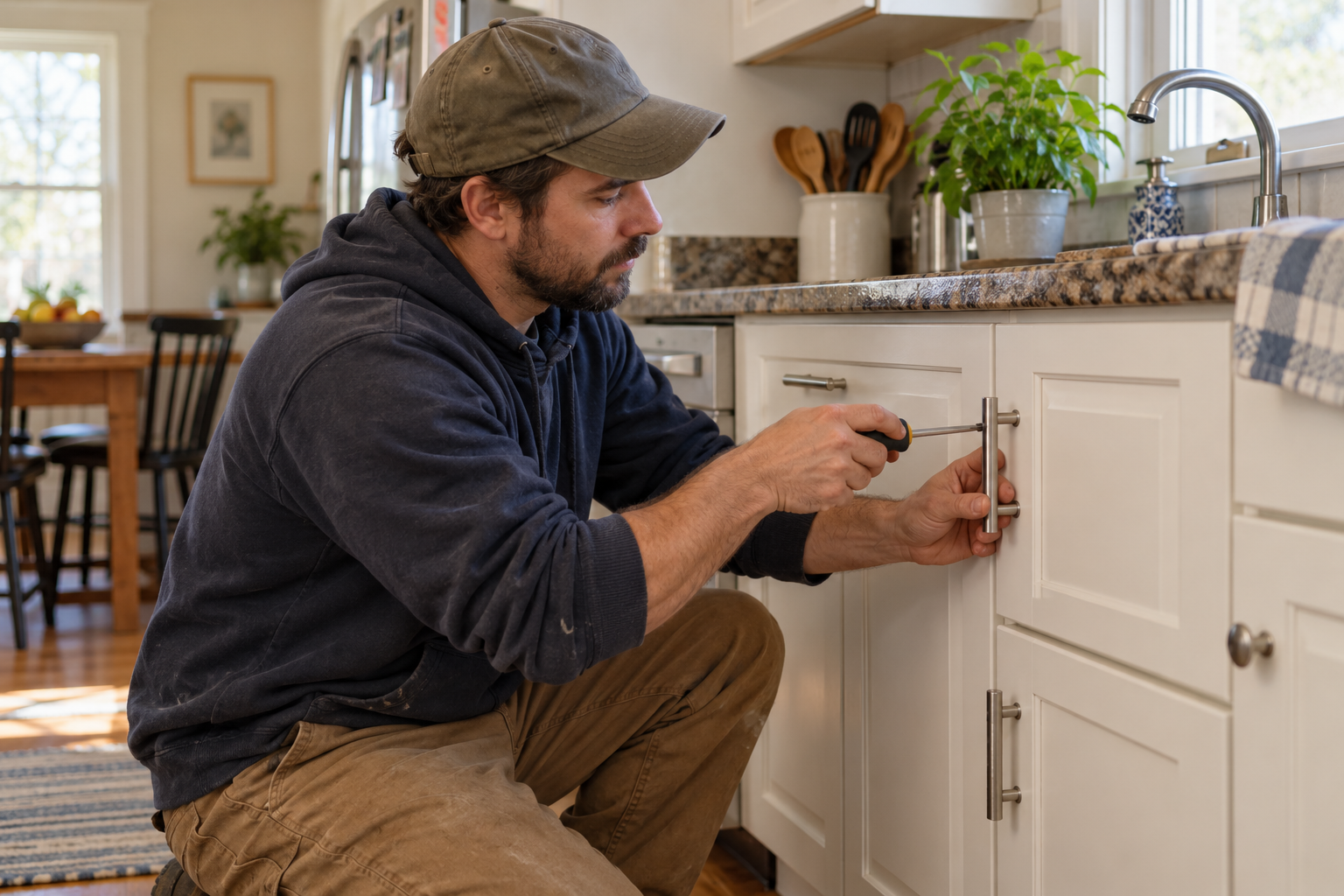
Home maintenance professional tightening a kitchen cabinet handle.

Arrange insurance and electricity before closing

Once the buyer’s conditions are confirmed, contact your insurance provider. Tell them the expected closing date and ask when your coverage should end. Keep coverage in place until the sale has closed and possession has transferred, and confirm how an early move-out could affect your policy.

If Nova Scotia Power supplies electricity to the property, arrange to stop your service for the appropriate date before closing. Nova Scotia Power asks for 10 days’ notice, and moving out does not automatically close your account. Contact them as soon as the sale is firm; if the property is supplied by a municipal utility, contact that provider instead. See Nova Scotia Power’s instructions for starting, stopping or moving service.

Keep essential services available for any remaining access or work required by the agreement. In colder weather, check before changing the heat settings or shutting off service.


Prepare for the buyer’s pre-closing viewing

The buyer may have a final pre-closing viewing under the terms of the agreement. Sometimes this is called a pre-closing inspection, but it is not a second home inspection. The Nova Scotia Real Estate Commission describes it as a final look to confirm that the property’s condition has not changed since the buyer agreed to purchase it. See the Commission’s explanation of the final pre-closing viewing.

Before the viewing, complete agreed work, remove your belongings and garbage, and leave items included in the sale. I’ll coordinate access with the buyer’s representative.

If you notice new damage or another change before closing, tell me right away so we can address it promptly.
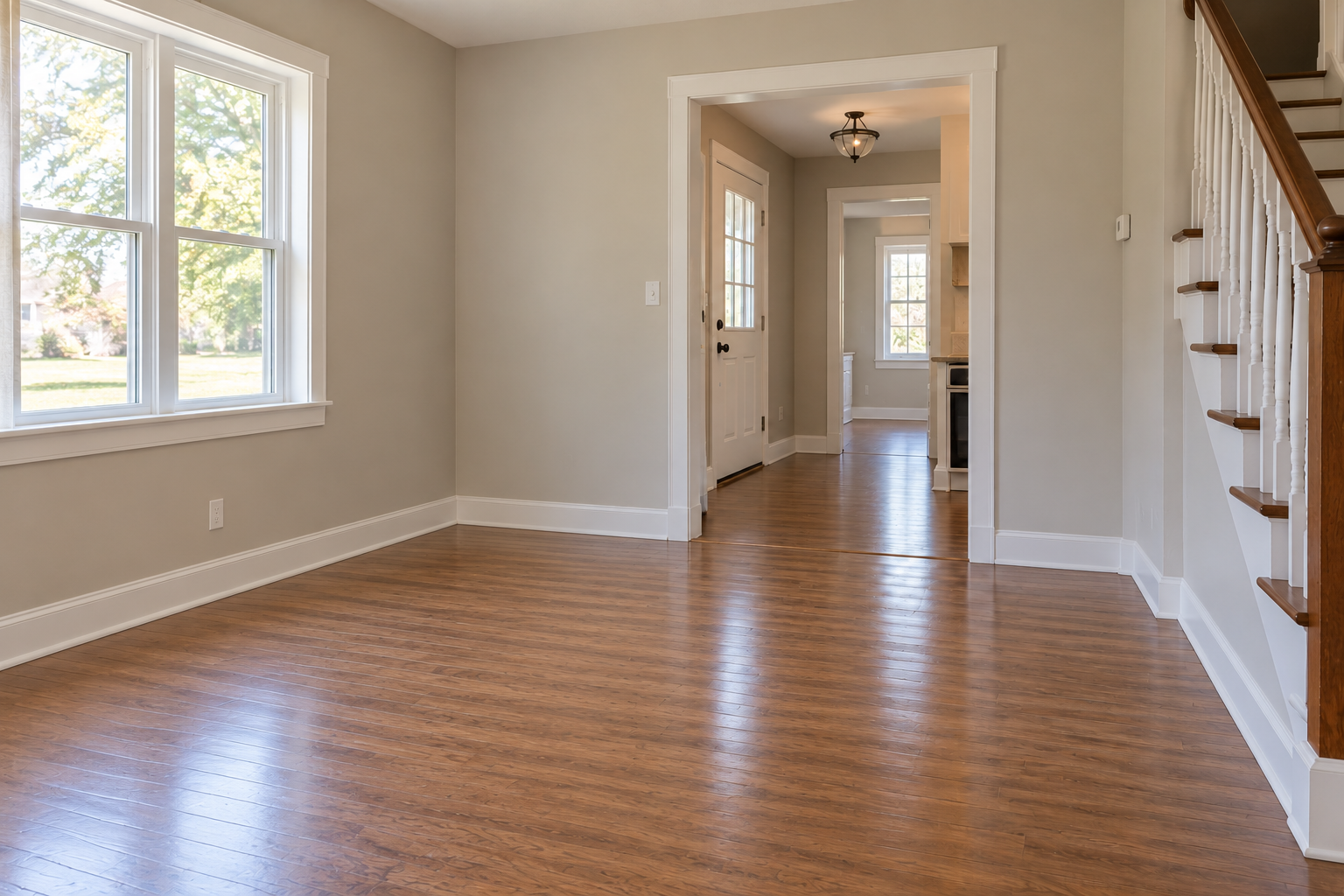
Empty home interior with clear floors and walkways, ready for inspection after the sellers have moved out.

Closing day and handing over the home

Your lawyer will guide you through the legal and financial steps and let you know what documents or information they need. Respond promptly to their requests, and ask them directly about the timing of the final accounting and sale proceeds.

Follow the agreement’s requirements for moving out and possession. Gather the keys, garage remotes and other access items for handover. I’ll confirm when the sale has closed and coordinate the handoff according to the agreement.

For the earlier offer-review stage, read Reviewing an Offer on Your Home in Nova Scotia. For the full selling process, visit my Selling Your Home in Nova Scotia guide.

I’ll help you keep track of what needs to happen between the accepted offer and closing day.

Read

Reviewing an Offer on Your Home in Nova Scotia

Receiving an offer is an important step, but the price is only one part of the decision. The conditions, deposit, closing date, included items and deadlines can all affect how the offer works for you.

I’ll review the written terms with you, explain how the pieces fit together and help you communicate your decision. We can compare an offer with your priorities and the plan we made for the sale.

Look at the whole offer

A strong offer is the one whose full terms fit your situation—not necessarily the one with the highest price.

When we review an offer, I’ll help you look at:

  • Price: How does it compare with your expectations and the market information we discussed?

  • Conditions: Has the buyer included conditions, such as financing, an inspection, or the sale of their current property? What are the deadlines?

  • Deposit: What amount is offered, when is it due, and what does the agreement say about it?

  • Closing date: Does the proposed date give you enough time to move and make your next arrangements?

  • Included or excluded items: Are fixtures, appliances or other items described clearly?

  • Other terms and deadlines: Are there requests or dates that affect your plans?

The written agreement matters. If something is unclear or an issue needs legal interpretation, I’ll help identify the question and involve your lawyer where appropriate.


Understand the conditions and timing

An offer may include conditions that give the buyer time to complete specific steps. The agreement should identify what the condition is and the deadline that applies. The wording and required notices matter, so we’ll read the actual terms rather than rely on assumptions about what a condition means.

A conditional offer is not the same as a completed sale with every step finished. We’ll keep track of the dates and required communication while the buyer works through the conditions. If a deadline or request raises a concern, we can discuss the available responses promptly.

Blank offer papers, a pen and a phone on a table during a home-sale discussion.

Decide whether to accept, reject or negotiate

You can accept an offer as written, reject it, or respond with different terms. A counteroffer may change the price, dates, included items or other terms. The buyer then decides whether to accept, reject or respond with another proposal.

Before deciding, we’ll consider what matters most to you. You might prefer a different closing date, clearer wording about an included item, or a change to another term. Negotiation should focus on the specific points you want addressed and the trade-offs involved.

The Nova Scotia Real Estate Commission explains the standard purchase and sale and counteroffer forms in its overview of Nova Scotia real estate forms.


After an offer is accepted

Once an offer is accepted, the Agreement of Purchase and Sale sets out the terms both parties must follow. If conditions remain, we’ll continue tracking the applicable deadlines and steps. I’ll keep you updated as the transaction moves forward and help coordinate communication with the buyer’s representative.

The offer-review stage follows the work that went into setting a price and bringing the home to market. You can revisit How to Price Your Home in the Annapolis Valley and From Pricing to Listing Day: How Your Nova Scotia Home Goes to Market.

When it’s time to sell, I’ll help you understand the offer in front of you, weigh the terms against your plans and decide how you want to respond. Visit my Selling Your Home in Nova Scotia guide to see the steps involved.

Read

From Pricing to Listing Day: How Your Nova Scotia Home Goes to Market

Putting a home on the market involves more than choosing an asking price and uploading a few photos. Before launch, the property details, presentation, timing and marketing plan all need to come together.

The process should fit the home and your plans. A property in town, an older home, an acreage and a waterfront property may each need a different approach to photography, information and marketing.


When Does Launch Planning Begin?

Launch planning starts before the listing appears online. We’ll discuss your timing, review the property and current competition, and decide what needs to be ready before the listing date.

That includes agreeing on a pricing strategy. My article How to Price Your Home in the Annapolis Valley explains how recent sales, competing properties and buyer response help inform that decision.

The timing also needs to work for you. We’ll discuss when you’d like the home to be available for showings, any scheduling limits and what needs to happen before photography.


Confirm the Details Before the Listing Is Written

A listing should describe the property clearly and accurately. Before launch, I’ll confirm the details that buyers are likely to look for, such as the home’s layout, features, services, heating, land and included items.

If there are property plans, service records, renovation details or other information that may help explain the home, we can review what you have. My article What to Prepare Before Listing covers records and property details that may be useful, depending on the home.

We’ll also clarify anything that could otherwise be easy to assume, such as what land or equipment is included and whether any items are rented or leased.

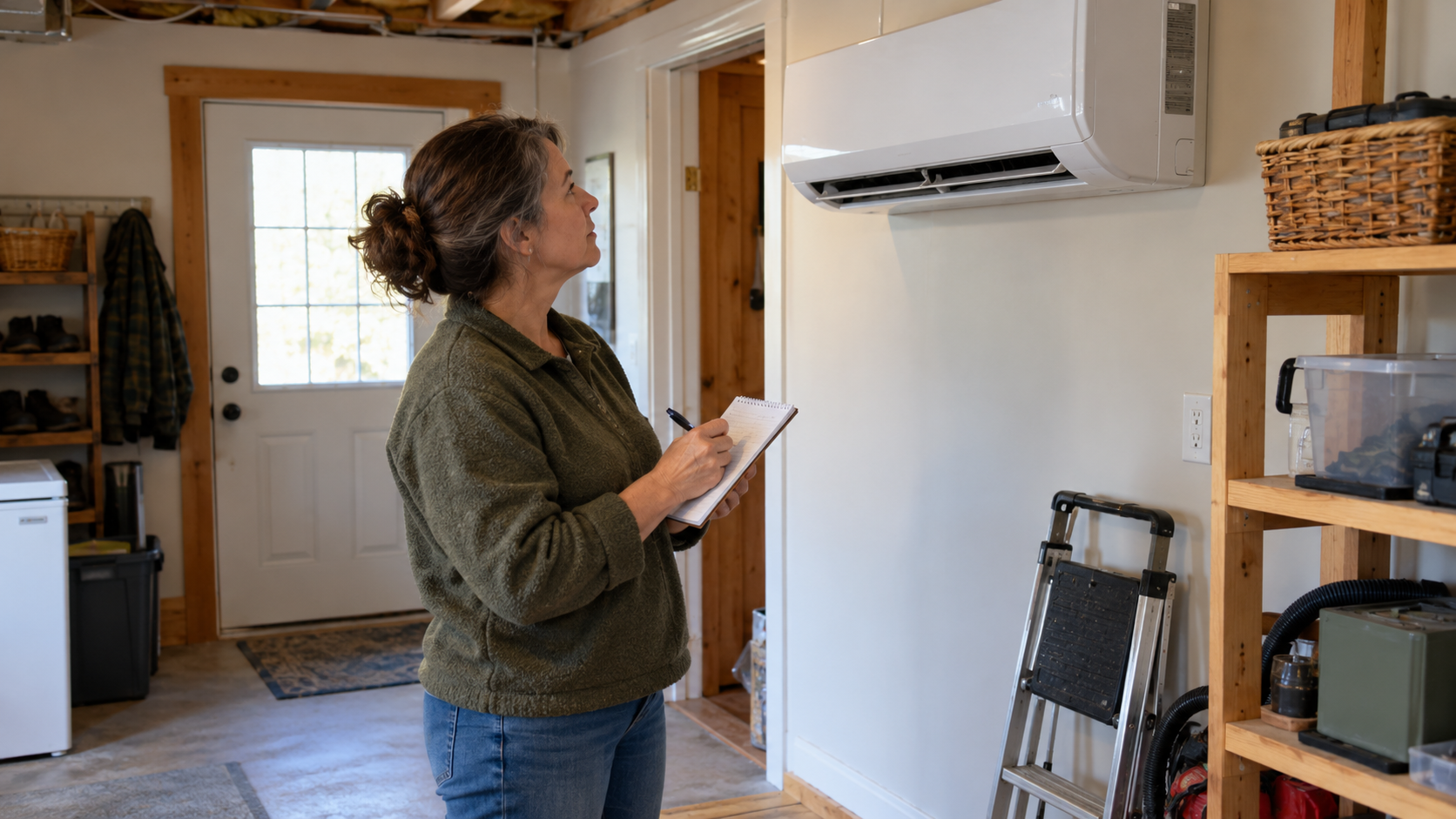
Homeowner checking a wall-mounted heat pump and recording a property detail before listing.

Prepare the Home for Photography

The goal of listing photography is to show the home accurately and help buyers understand the rooms, layout and important features. Preparation may involve tidying, cleaning, opening curtains, turning on appropriate lights and moving items that block a clear view.

Not every room needs to look staged, and preparation doesn’t automatically mean taking on a renovation. We can decide what is worth doing based on the home, its condition and your timing.

For more practical preparation ideas, read Preparing Your Home for Sale in Nova Scotia.


Choose Marketing That Fits the Property

Good listing information and photography are the foundation. Depending on the home, I may also recommend video, a virtual tour or drone imagery to help buyers understand the layout, land or surroundings.

Your listing is distributed through MLS® and major real estate websites. Social media and open houses may also be part of the plan when they suit the property and likely audience. Each tool has a purpose; the aim is to present the home clearly to the buyers who may be considering it.

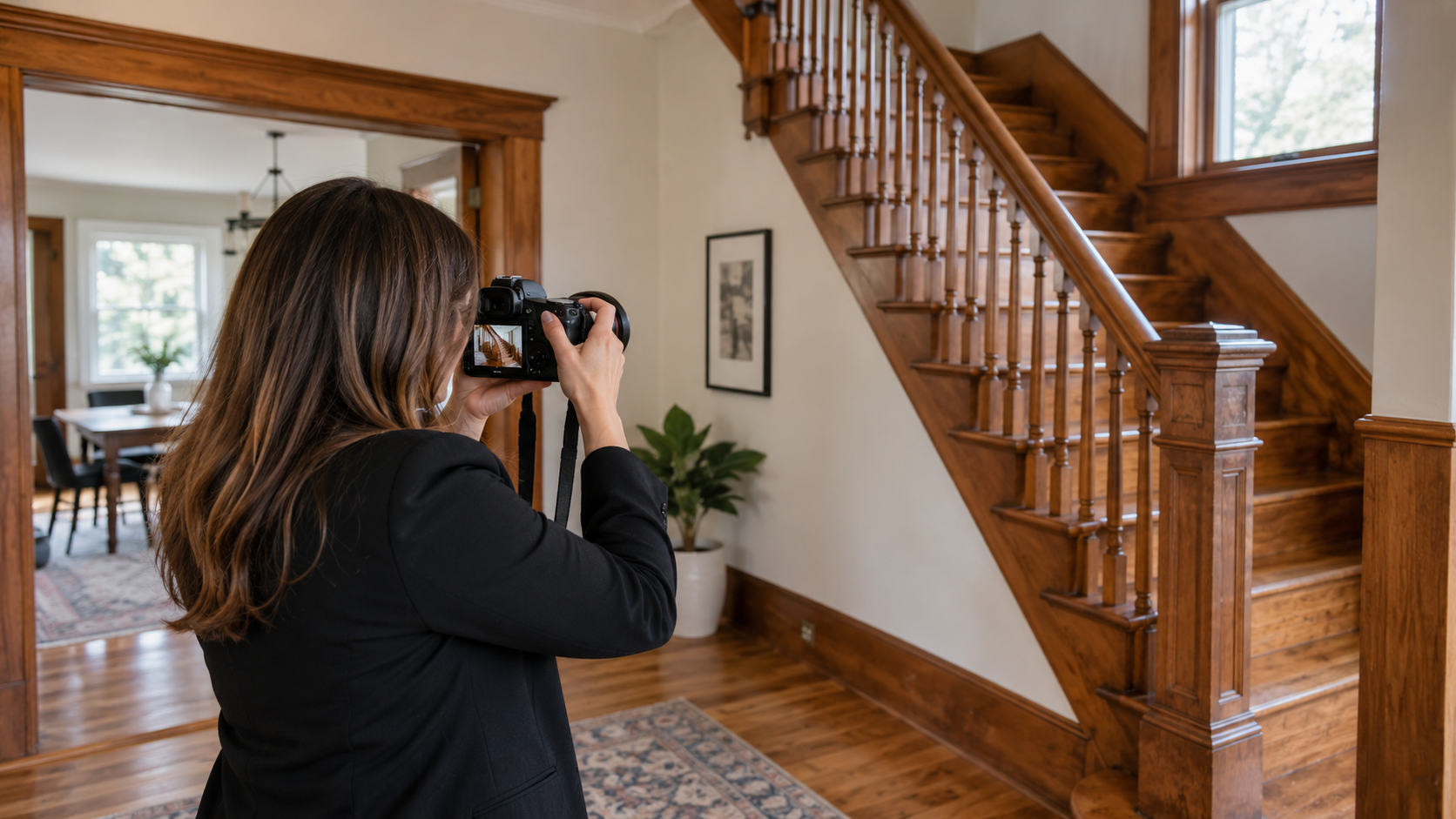
REALTOR® photographing a wood staircase inside a home for its listing.

What Happens on Listing Day?

Before the listing goes live, I’ll check the details and media that are ready for publication. Once launched, buyers can view the listing online and contact their REALTOR® to arrange a showing.

We’ll make sure the showing instructions are clear, including any access details or practical considerations for the property. If your schedule, pets or other circumstances affect access, we’ll plan around them.


Make Showings Practical

Showings are a chance for buyers to experience the home in person after seeing it online. A simple routine can make it easier to keep the property presentable without having to reset everything each time.

Before a showing, put away personal documents and valuables, clear walkways, manage pets safely and leave access to the rooms and features buyers may want to see. If the property includes an outbuilding, gate or particular access route, we’ll make sure the instructions are understood.


Review the Early Response Together

After launch, we can review activity such as online attention, showing requests and feedback. These signals can help us understand whether the listing is reaching buyers and how they’re responding to the property and its price.

One comment or a quiet day doesn’t necessarily mean a change is needed. It’s more useful to look at patterns alongside current competition and any new sales.

If the response suggests we should revisit the plan, we can discuss the evidence and your priorities before deciding what to do.

REALTOR® and homeowner discussing showing feedback at a kitchen table.

The Plan Should Fit Your Home

No single marketing plan works for every property. The right mix depends on the home, its features, your timing and the buyers who may be interested in it.

My Selling Your Home in Nova Scotia guide covers preparation, pricing, marketing, offers, conditions and closing. If you’re considering a sale, a home evaluation gives us a chance to discuss your property and what a realistic launch plan could involve.

I’m always here to help.

Read

How to Price Your Home in the Annapolis Valley

Choosing an asking price is one of the most important decisions when preparing to sell. It can influence which buyers find your home, how they compare it with other properties and the conversations that follow once it is on the market.

There isn’t one formula that sets the right price for every Annapolis Valley home. A useful pricing strategy considers the property, recent sales, current competition and what buyers are responding to in the market.


What Shapes a Home’s Market Position?

A home’s market position reflects more than its square footage or the number of bedrooms. Buyers may also consider its location, condition, layout, features, lot, services and the work they expect to take on after moving in.

Two homes with similar sizes can appeal to different buyers and occupy different positions in the market. A home in town, an older house, a newer property and a home with acreage may each need a different comparison set.

That’s why pricing starts with understanding the specific property—not relying on a broad average or a single recent sale.

Annapolis Valley home and surrounding property

How a Comparative Market Analysis Helps

A Comparative Market Analysis, or CMA, is one way to study how your property fits into its current market. It considers relevant recent sales and homes currently competing for buyers, along with differences in location, condition, features and property type.

No two properties are identical. A CMA is not an appraisal or a guarantee of what a buyer will offer. It is a reasoned estimate that helps inform the asking-price decision.

The most useful comparisons help explain why a similar property may have sold for more or less. The sale price matters, but so do the property’s features, timing and the choices available to buyers at the time.

REALTOR® reviewing comparable home sales

Price Also Affects How Buyers Find Your Home

Buyers often search within selected price ranges. An asking price can affect which searches include your property and how buyers compare it with other options.

That doesn’t mean there is one perfect price point or that a particular search range guarantees more interest. It means the asking price is part of how your home is positioned for buyers to consider.

Recent sales help show what buyers have paid. Active listings show what they can choose from now, though an asking price does not prove what a property will sell for.


Market Conditions Can Change

Buyer demand, available listings, interest rates, financing conditions and broader economic circumstances can all influence how buyers approach a purchase. Local market activity can also vary between communities and property types.

Season and timing may affect the number of buyers who are active, but there is no single season that guarantees a stronger result for every home. The relevant question is how your property fits the conditions and competition at the time you plan to sell.

That’s one reason a pricing discussion should use current information. The market when you first considered selling may not be the same market you face when you are ready to list.

Hand using a blue pen to review charts showing market trends.

The Risks of Getting the Price Wrong

A price that is higher than the available evidence may cause some buyers to rule out the property or focus on alternatives. If a home stays on the market while competing properties attract interest, buyers may start asking why. A later price reduction can also change how they interpret the listing.

Pricing below the evidence has different risks. It may fail to reflect the property’s features, condition or current competition, and it can leave the seller wondering whether a different strategy would have been more appropriate.

Neither outcome can be predicted with certainty. A supported asking price gives you a more informed starting point and a clearer basis for reviewing buyer response.


What Buyer Response Can Tell You

Once the home is listed, buyer activity provides new information. Online views, showing requests and feedback can help show whether the listing is reaching buyers and how they are responding to the property and its price.

One comment or one quiet day does not necessarily call for a change. It is more useful to look for patterns and consider them alongside current competition and any new sales.

If buyers are showing interest but raising similar concerns, that feedback may help clarify how they see the property. If your home is receiving little activity while comparable properties are drawing attention, it may be time to review the overall position.

REALTOR® and homeowner discussing feedback at a kitchen table.

Practical Steps for Sellers

When you’re considering an asking price:

  1. Review recent sales of properties that are genuinely comparable to yours.

  2. Compare your home with current listings buyers may also consider.

  3. Look at your property’s location, condition, features and services.

  4. Consider current market activity and your timing.

  5. Listen for patterns in showing feedback and buyer response.

  6. Revisit the strategy when new information gives you a reason to do so.

A CMA can provide a data-informed starting point, while local knowledge helps explain how the comparisons relate to your particular property.


Pricing Is Part of the Selling Plan

Price works alongside preparation, photography, marketing and the terms you are willing to consider. My role is to review the property and market information with you, explain how the comparisons apply and discuss whether any adjustments make sense as buyer response comes in.

My Selling Your Home in Nova Scotia guide explains how pricing fits into the broader selling process. You can also review 9 Home Selling Mistakes to Avoid in Nova Scotia while preparing to list.

If you’re thinking about selling, you can request a home evaluation. When we meet, I’ll review your property, recent sales, current competition and plans with you. I’ll also provide a copy of my Complete Home Seller Handbook to help you follow the process.

I’m always here to help.

Read

What to Prepare Before Listing

Getting ready to sell involves more than deciding what to clean or repair. It also helps to gather information about the home, its systems, past work and the items that may stay with the property.

You may already have many of these details in a folder, email or service record. You don’t need to have everything assembled before we talk. Start with what you have, and we can identify what may be useful for your particular home.


What information should I gather before listing?

Start with the basic property information and any records you already have. This may include the civic address, property tax information, a survey or property plan, utility details, appliance manuals and warranties.

If you own more than one parcel, make a note of each parcel you believe is part of the sale. If you have a survey or plan, keep it with the other property information. Don’t rely on a fence or other visible feature to confirm a boundary.

The useful records will vary from one property to another. Gather what you have rather than delaying a conversation because you’re missing a particular document.

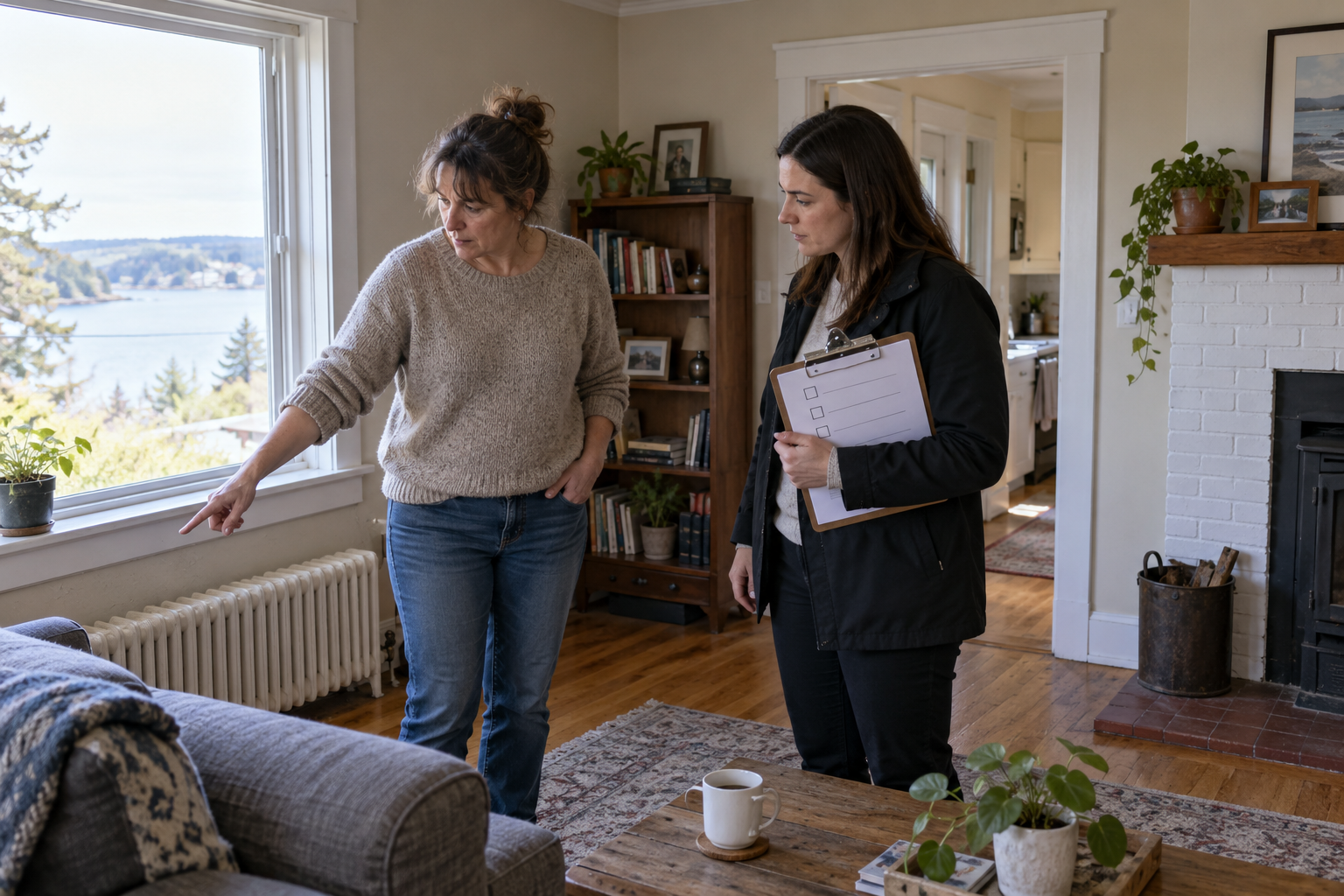
A homeowner and REALTOR® reviewing a room during a pre-listing walk-through.

What should I keep about repairs and improvements?

Make a simple list of significant work completed during your ownership. Include the approximate date, the type of work and any contractor or service information you still have.

Receipts, warranties, permits, manuals and service records can help explain what was done and when. Heat-pump installation or service records, roof work, window replacement and major renovations are examples of information a buyer may ask about.

If you aren’t certain of a date or detail, don’t guess. Note that you’re unsure, and we can decide how best to describe the information accurately.

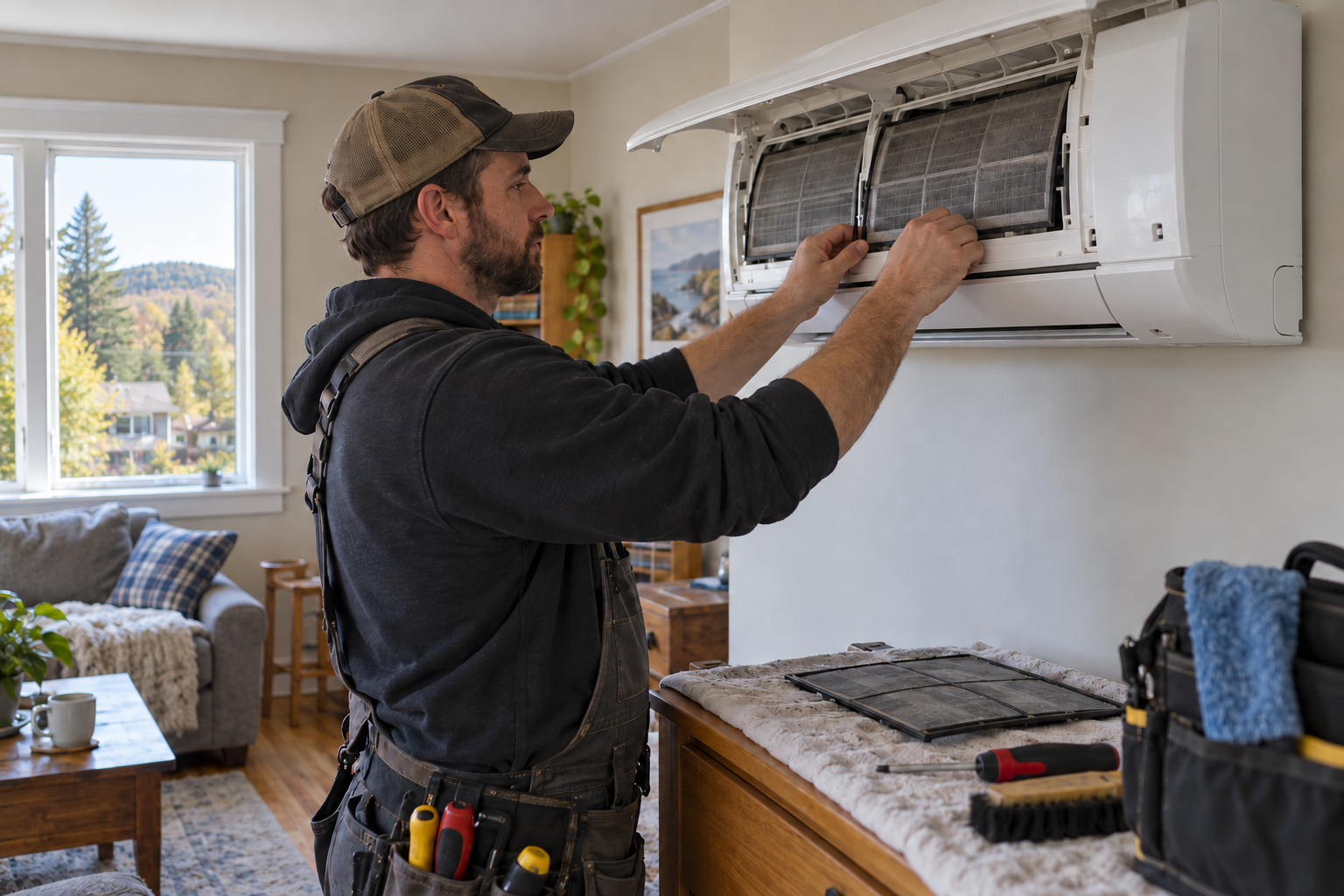
A home maintenance professional working on a heat pump in a house.

If your home has a private well

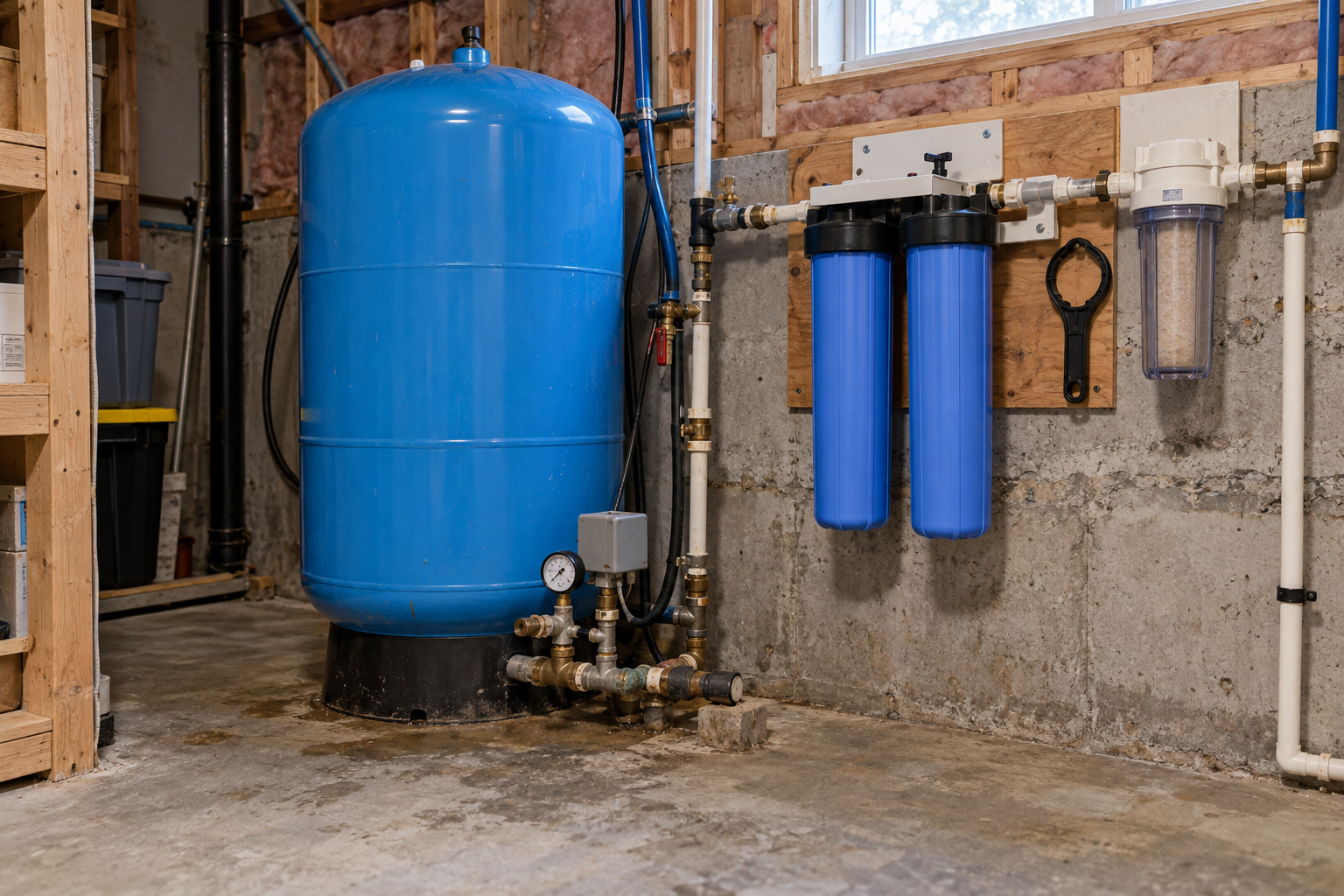
Private wells are found in rural areas and in some towns. If your home has one, gather any well installation, repair or service records you have. Water test results, pump or filter records and information about the well’s location may also be useful if available.

You don’t need to assume that every older record still exists or arrange new testing before we discuss the property. We can review what you have and consider whether anything else may be helpful for your listing.

A pressure tank and water-treatment equipment in a home with a private well.

If your home has a septic system

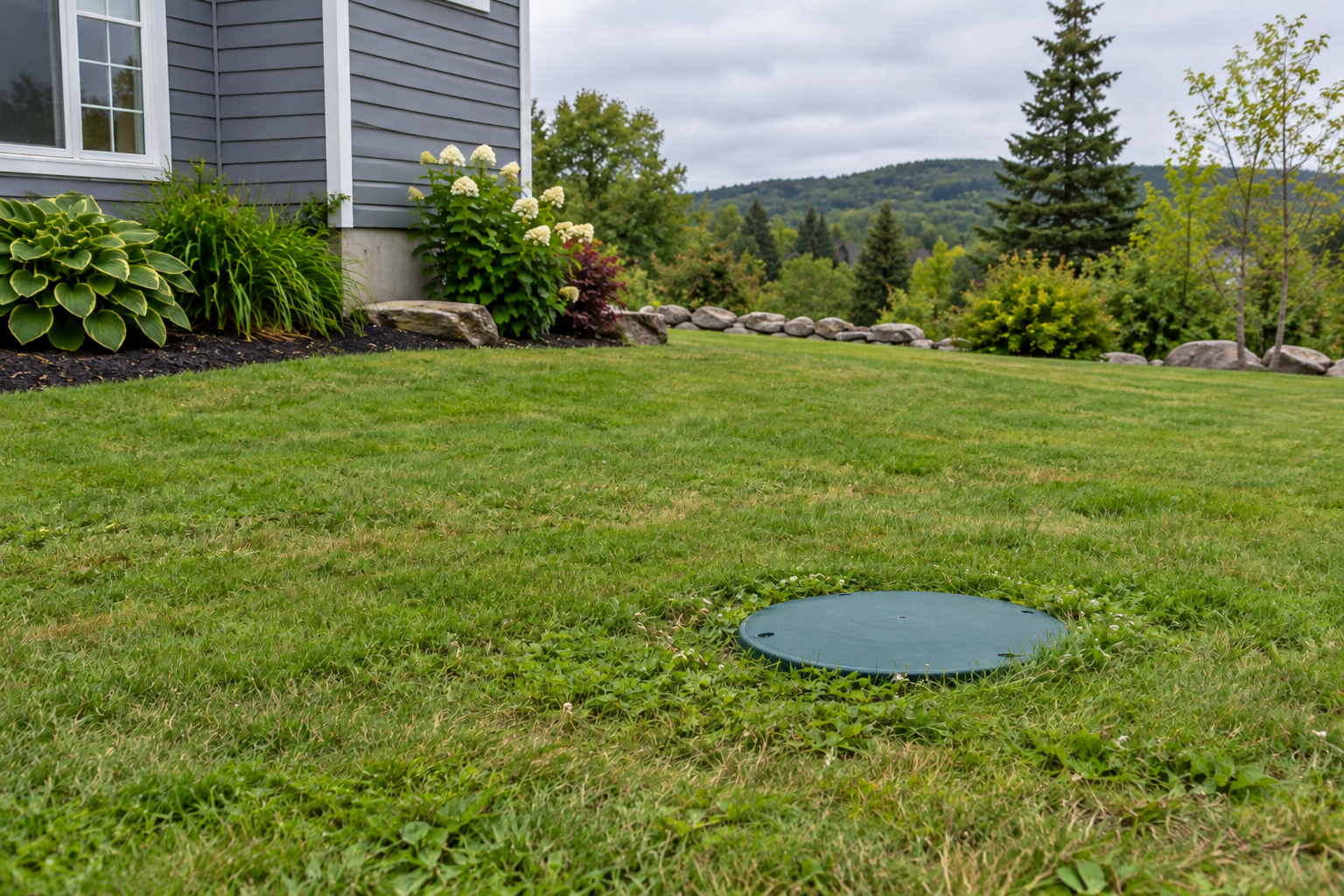
If your home has a septic system, gather any records you have about its type, location, installation, repairs, pumping or maintenance. A plan showing the system’s location may also be useful if you have one.

Records can be helpful even if they’re not recent. If you don’t know where the system is located or can’t find its paperwork, make a note of that rather than guessing. We can discuss the information you have and whether further investigation makes sense.

A green septic access cover visible in a residential lawn.

What if the property has heating equipment or leased items?

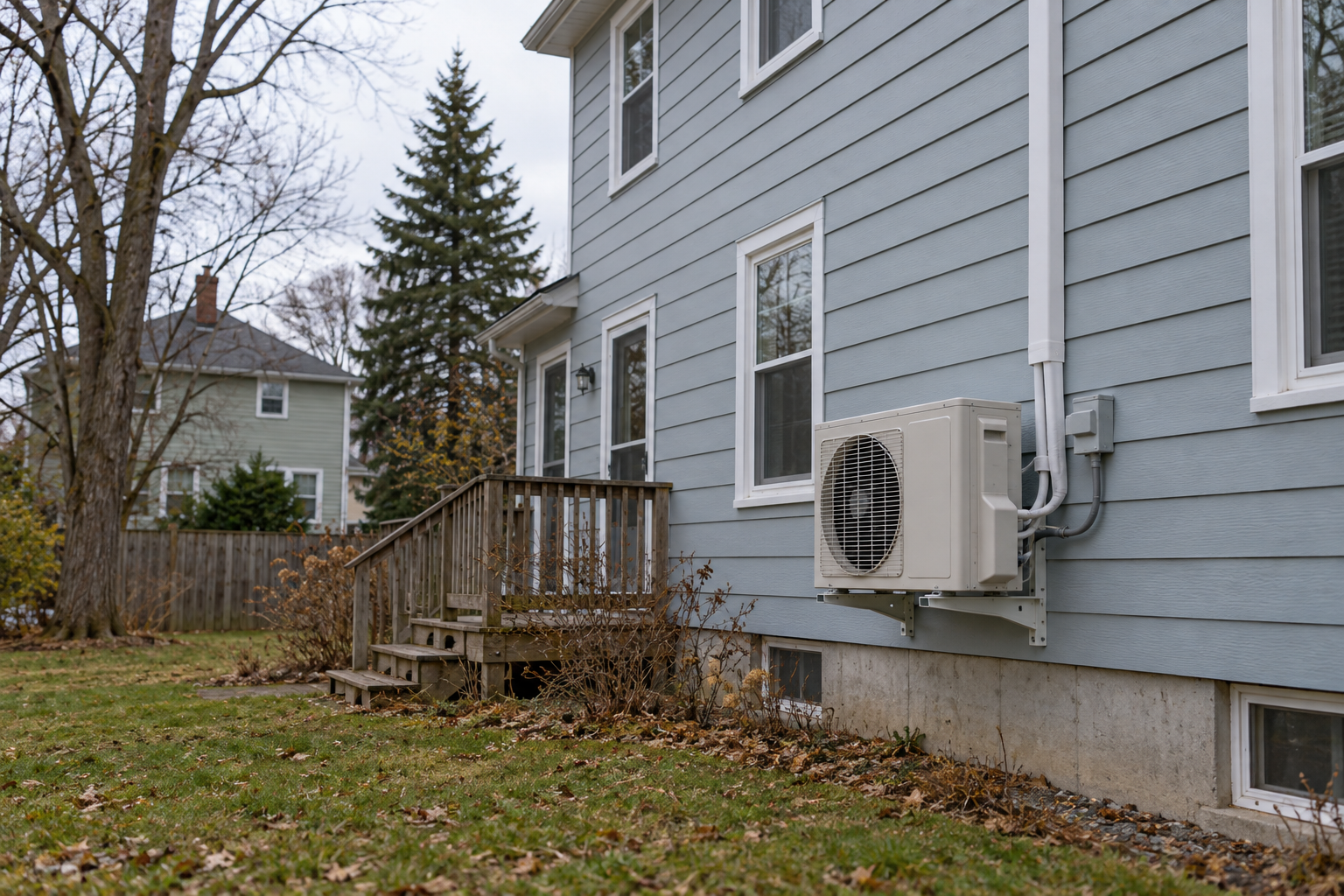
Make a note of the home’s main heating systems and any related service history you have. This may include heat pumps, oil or propane equipment, wood-burning appliances or other systems.

If equipment is rented or leased, gather the agreement and contact information for the provider. The same applies to other leased items or equipment connected with the property. Knowing what is owned, rented or subject to an agreement helps us describe it clearly.

An outdoor heat-pump unit mounted on an ordinary home in an inland residential neighborhood.

Does the property include land, access or outbuildings?

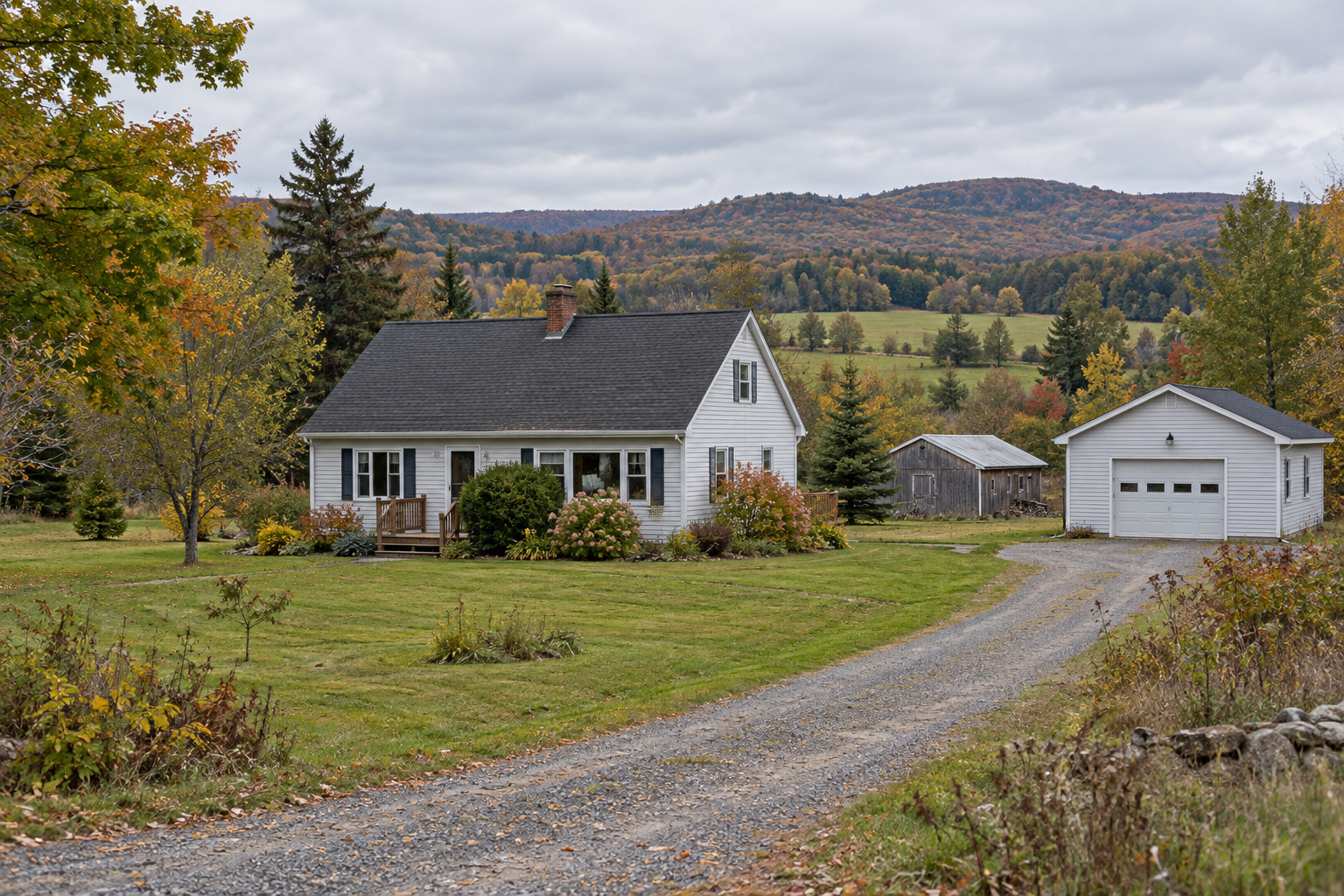
If the sale includes multiple parcels, an outbuilding or a private access arrangement, gather the information you already have about it. This might include property plans, road-maintenance agreements, access documents, building permits or records of work done to an outbuilding.

These details can matter for properties in town as well as those outside town boundaries. If the land, access or what’s included is unclear, don’t make assumptions. We can identify the question and decide who is best placed to answer it.

A driveway and outbuilding on a property in the Annapolis Valley.

What items will stay with the home?

Before listing, make a note of the appliances, fixtures and other items you expect to include, along with anything you intend to take with you. Also note any rented or leased equipment.

This gives us a chance to clarify expectations before the listing details and sale terms are prepared. Specific items can be easy to overlook when they’re part of everyday life in the home.


How should I organize everything?

A folder—paper or digital—is a simple place to keep the information together. You can add service records, receipts, warranties, plans and notes as you find them.

You don’t have to turn it into a complete property history. Start with the records you have and a short list of anything you’re unsure about. That will give us a useful starting point when we talk about the home and your plans.

For an overview of the selling process, read Selling Your Home in Nova Scotia.


Start with what you have

Every property is different, and the useful information depends on the home and its features. A private well, septic system, leased equipment, extra parcel or outbuilding may call for different details than a home with municipal services and no additional structures.

If you’re planning a sale, a home evaluation gives us a chance to discuss your property, timing and what may be worth gathering before listing.

Read

Preparing Your Home for Sale in Nova Scotia

Getting ready to sell doesn’t mean renovating every room or making your home look like somewhere else. The goal is to present it clearly, take care of the things that may distract buyers, and decide where your time and money are best spent.

The right preparation depends on the home, its condition, the likely buyers and your timing. Here’s a practical place to start for sellers in Nova Scotia and the Annapolis Valley.


Where should I start when preparing to sell?

Begin with a walk-through of your home as if you were seeing it for the first time. Look for things that may be difficult for buyers to overlook: unfinished repairs, cluttered surfaces, rooms that are hard to move through, or areas that need a good cleaning.

Make a short list and sort it into three groups:

  • Take care of: basic cleaning, easy maintenance and small repairs.

  • Consider: improvements that may help the home show better, depending on cost and condition.

  • Leave for now: projects that are expensive, disruptive or unlikely to make a meaningful difference.

You don’t need to have everything done before discussing a sale. A walk-through can help us identify what is worth addressing first and what may not be necessary.

A homeowner and real estate professional assess a room during a home-selling preparation walk-through using a short checklist.

Which repairs should I do before listing?

Start with visible maintenance and items that affect how the home functions. That might include a dripping tap, a loose handle, a burned-out bulb, a sticking door or a damaged screen. A clean, well-maintained home helps buyers focus on the property rather than a list of small distractions.

Before starting a larger renovation, consider its cost, the home’s current condition and what buyers are likely to value. A project can improve presentation without returning its full cost in the sale.

It’s also helpful to make a note of repairs, upgrades and work completed over time. If you know of an issue with the property, let’s discuss it early so we can describe the home accurately and determine what information should be available to buyers.

For other decisions that can make a sale harder than it needs to be, see 9 Home Selling Mistakes to Avoid in Nova Scotia.

Hands tightening a loose kitchen cabinet handle with a screwdriver.

How should I prepare for listing photos?

The photos are often a buyer’s first look inside your home. Preparation doesn’t require removing every personal item; it means making the rooms easy to see and understand.

Before the photographer arrives:

  • Clear kitchen counters and bathroom surfaces where practical.

  • Put away loose items, cords, laundry and everyday clutter.

  • Make beds and straighten cushions, towels and rugs.

  • Clean mirrors, windows and reflective surfaces.

  • Open curtains or blinds to let in natural light.

  • Replace burned-out bulbs and turn on lights where appropriate.

  • Move vehicles and bins away from the front of the home if possible.

  • Tidy the entry, porch and the areas immediately around the house.

The goal is a clear, accurate view of the home—not a staged look that misrepresents how it feels to live there. If a room has an important feature, make sure it isn’t hidden behind furniture or belongings.

A homeowner tidies a lived-in living room before listing photography.

What should I do before each showing?

It helps to have a simple routine you can repeat without having to reset the whole house each time.

Before a showing, put away personal documents, valuables and medications. Make sure pets are safely managed, clear walkways and leave access to rooms and features buyers may want to see. If there are special instructions for the property, such as a gate, outbuilding or access route, we can plan how to communicate those clearly.

You don’t need to make the home look perfect. A tidy, comfortable and accessible home gives buyers a better opportunity to focus on the property.

A tidy home entrance with a clear walkway prepared for a real estate showing.

What should Annapolis Valley sellers consider outside?

The season and property type can change what needs attention. In warmer months, mow or tidy the lawn, clear the entry and keep outdoor areas reasonably accessible. In wet or muddy weather, pay attention to the walkway and entrance. In winter, keep the approach safe and make sure visitors can reach the home.

For rural properties, consider the areas buyers may want to explore: the driveway, yard, outbuildings and access points. Clear paths where practical and make sure gates or other access arrangements are understood. The aim is to help buyers see the property clearly and move around it safely.

A clear walkway leading to a home entrance in the Annapolis Valley.

What should I avoid doing before I sell?

Avoid taking on a large project just because you assume every buyer expects it. The best next step may be a small repair, a thorough cleaning or simply removing clutter—not a major renovation.

Try not to leave all preparation until the last few days before photos. A little time to sort, clean and complete small jobs can make the process less stressful.

And don’t worry if you’re unsure what matters most. We can look at the home, talk about your timing and decide which preparation steps make sense for your situation.


A practical plan for your home

Every home needs a different level of preparation. What makes sense for a newer home in town may be different from what helps an older home, acreage or waterfront property show well.

For a broader overview of the process, read Selling Your Home in Nova Scotia. If you’re deciding what to tackle before listing, a home evaluation gives us a chance to discuss your property, timing and preparation priorities.


Want help deciding what to do first?

You don’t need to finish every project before we talk. We can walk through your home, discuss your timing and identify the preparation that makes the most sense for your property.

If you’d like to start with a conversation about your home, book a home evaluation.

Read