.png)

When you're buying a home, it's easy to focus on the property itself.
How many bedrooms does it have? Is the kitchen big enough? How much land comes with it? What kind of heating system does it use?
But there's another decision that can have just as much impact on how much you enjoy the home:
Where do you want to live?
In Nova Scotia, moving even a relatively short distance can change your commute, access to services, internet options, property taxes, water and wastewater systems, road maintenance and the type of property available to you.
The right location isn't necessarily the most popular town or the shortest drive to Halifax. It's the place that works for the way you want to live.
Start With Your Everyday Life
Before comparing communities, think about what an ordinary week will look like after you move.
Where will you work?
How often will you need to commute?
Do you want to walk to shops and restaurants, or are you comfortable driving for almost everything?
Will you regularly need access to healthcare, recreation, schools, groceries or other services?
Do you want neighbours nearby, or would you rather have more privacy and space?
For some buyers, being able to walk downtown for coffee is important. Someone else may happily drive 20 minutes for groceries if it means having several acres and no neighbours in sight.
Neither choice is inherently better.
The important part is recognizing which compromises you'll actually be happy living with.
Don't Choose a Community From the Map Alone
Distances in Nova Scotia can be deceptive.
Two properties might appear similarly located on a map while offering very different day-to-day experiences.
The route matters.
A 25-minute drive primarily on Highway 101 is different from 25 minutes on winding secondary roads. Winter conditions, traffic patterns and the direction of your commute can also affect how a location feels once you're making the trip regularly.
If commuting matters, don't just look at the number of kilometres between the house and your destination.
Drive the route.
Ideally, drive it around the time you would normally travel.
Something that seems perfectly reasonable while browsing listings on your computer may feel very different when you're doing it twice a day.
Town, Village or Countryside?
One of the biggest decisions for many Nova Scotia buyers is how close they want to be to a town or service centre.
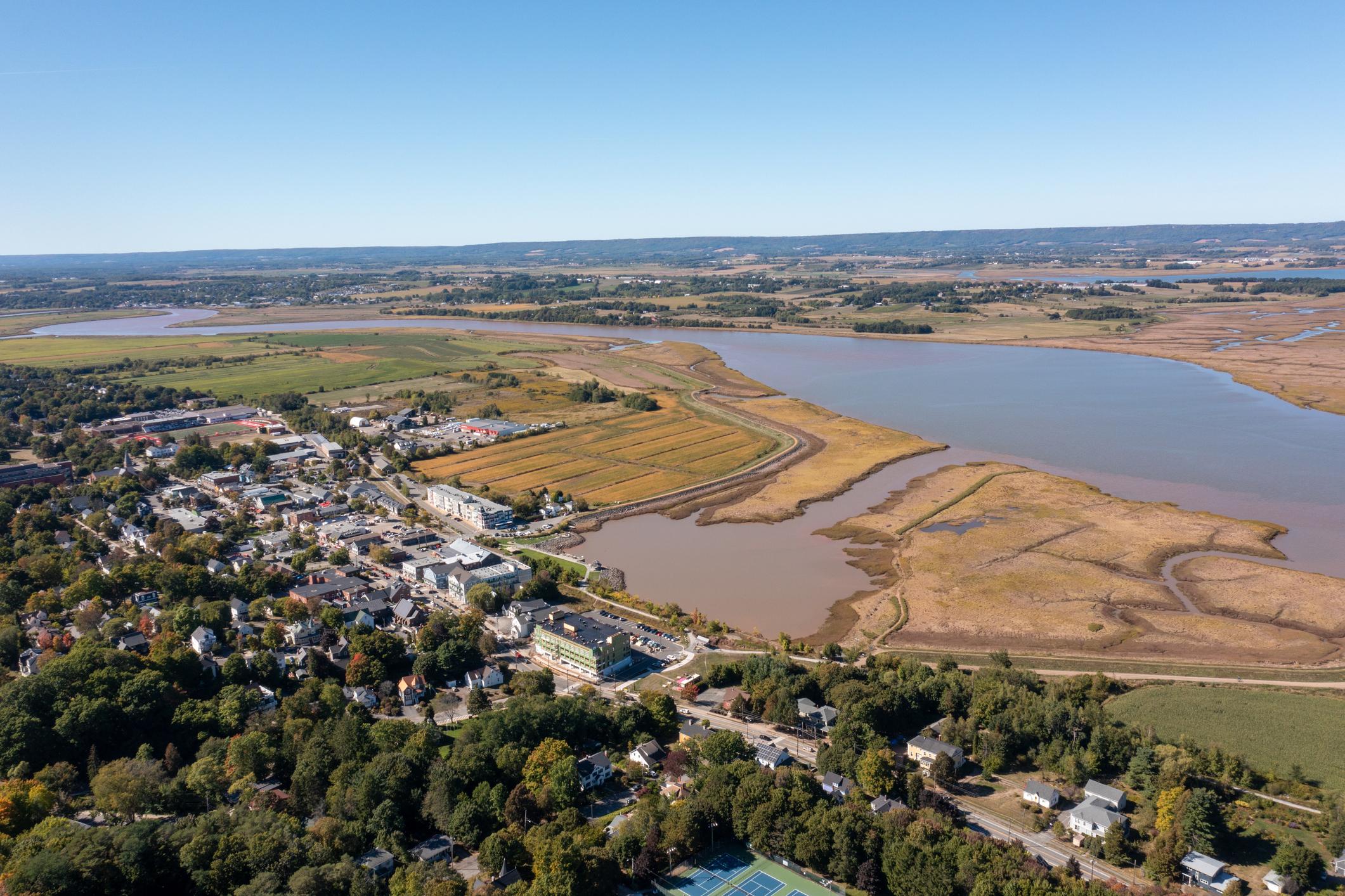
Living in or near communities such as Wolfville, Kentville, Berwick, Middleton, Annapolis Royal, Chester or Liverpool can put shops, restaurants, recreation and other services relatively close to home.
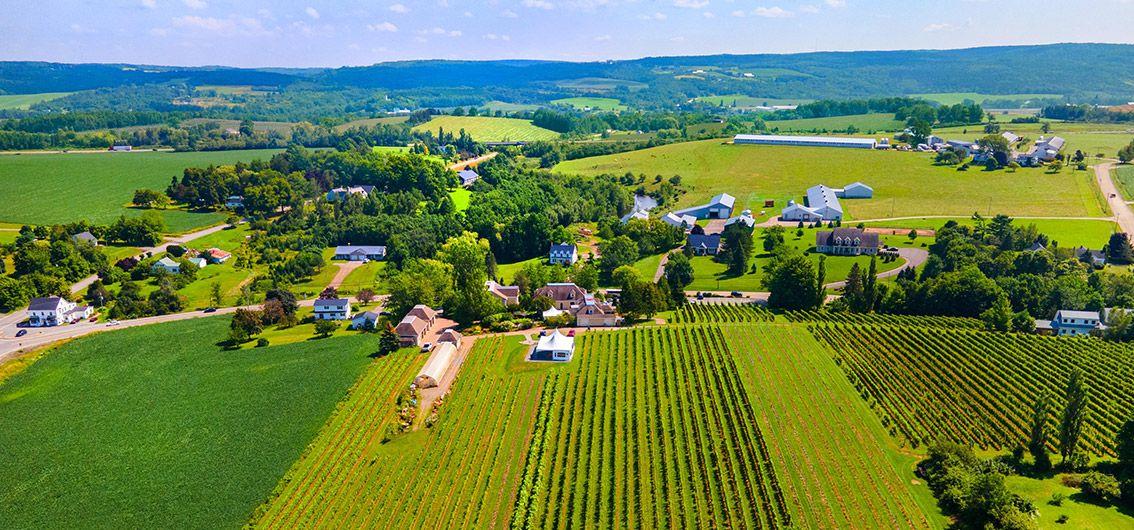
Move farther outside those centres and you may find larger lots, more privacy, different property types and more rural surroundings.
But there's a trade-off.
The farther you move from services, the more likely you are to depend on a vehicle for everyday life.
That can be exactly what you want. Just make sure it's a deliberate choice rather than something you discover after moving.
Municipal Services Can Change From One Property to the Next
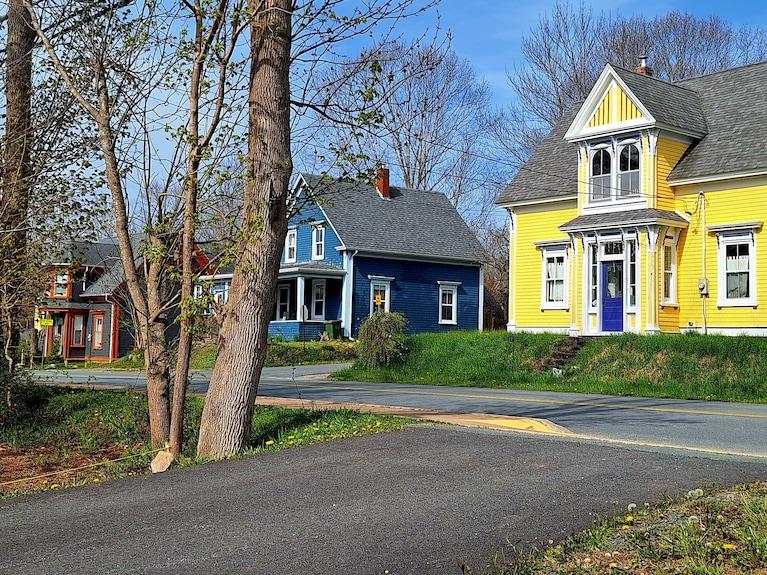
Don't assume two nearby homes have the same services.
One property may have municipal water and sewer while another a short distance away relies on a private well and septic system.
Municipal infrastructure varies by community and location. Nova Scotia municipalities are responsible for a range of infrastructure and services, including water, wastewater, stormwater, roads and other community infrastructure, but what's actually available depends on the municipality and the particular property. Nova Scotia News
This affects more than convenience.
If you're comparing properties, find out:
Is the property on municipal water or a private well?
Is wastewater handled by municipal sewer or a septic system?
Who maintains the road?
Is garbage and recycling collection available?
Are there municipal services or charges associated with the property?
These aren't reasons to avoid a particular location.
They're simply part of understanding what you're buying.
Internet and Cell Service Deserve More Attention Than They Usually Get
This is especially important if you work from home.
Don't assume that because a property has internet service, it has the kind of internet service you need.
Availability, provider, technology and speed can vary by location. Cell coverage can also change surprisingly quickly as you travel through parts of rural Nova Scotia.
If reliable connectivity matters to your work or lifestyle, investigate the specific property rather than relying solely on general coverage maps.
Ask what service the current owner uses, check directly with providers and, when possible, verify what's actually available at the civic address.
A beautiful property can become much less appealing if your workday depends on a connection that doesn't meet your needs.
Think About the Services You Use Regularly
It's easy to say that you don't mind living 30 minutes from town.
The better question is:
What will you be driving 30 minutes for?
Consider your regular trips:
Groceries. Pharmacy. Healthcare. Work. School. Childcare. Restaurants. Recreation. Hardware stores. Veterinary care. Airports. Family and friends.
You don't need to live beside every service you use.
But understanding where those services are located helps you decide whether the lifestyle makes sense.
Healthcare is particularly worth investigating rather than assuming every community offers the same access. Nova Scotia's healthcare system operates province-wide through provincial health authorities and programs, but facilities and individual services are distributed among communities. Government of Nova Scotia
If proximity to a particular type of healthcare is important to you, research that specifically before choosing an area.
What About Schools?
For buyers with children—or those planning for them—schools can be an important part of choosing a location.
But don't assume that the closest school is necessarily the school associated with a particular address.
School boundaries, grade configurations, transportation and programs can change.
If a particular school or program is important to your decision, confirm the current information directly with the appropriate school authority rather than relying on a real estate listing or an old online map.
The same principle applies to childcare.
Availability can matter just as much as location, so it's worth investigating early if childcare will be an important part of your move.
Your Address Doesn't Always Tell the Whole Story
Nova Scotia geography can be confusing when you're unfamiliar with the province.
A mailing address, community name and municipality aren't necessarily the same thing.
Properties described as being “near Wolfville,” for example, may actually be outside the Town of Wolfville. The same is true around many communities throughout the Annapolis Valley and South Shore.
That distinction can affect municipal services, taxation, planning rules and other aspects of the property.
Nova Scotia's Property Online system contains provincial land ownership information and property mapping, and municipal governments maintain their own planning and service information. Government of Nova Scotia
When the exact jurisdiction matters, verify the property rather than relying solely on the community name used to market it.
Property Taxes Can Be Different Between Communities
Property taxes are another reason to look beyond the purchase price.
Municipal tax rates and services vary, so two similarly priced homes in different locations don't necessarily have the same annual property tax.
There's another important Nova Scotia consideration as well: the Capped Assessment Program, commonly called the CAP.
The seller's current property tax bill may not represent what a buyer will pay after purchasing the property.
We'll cover the CAP separately in the Buyer Resource Centre because it deserves its own explanation.
For now, the important point is simple:
Don't compare locations based only on the current owner's tax bill.
The Road to the Property Matters Too
When viewing a property outside a town centre, pay attention to the road itself.
Is it publicly maintained?
Is it a private road?
Who plows it in winter?
Is there a road maintenance agreement?
What condition is it in?
How steep is the driveway?
A long country driveway can be beautiful in July and considerably more work after a January snowfall.
Private roads aren't automatically a problem, either. But buyers should understand who owns the road, who can use it and how maintenance costs and responsibilities are handled.
These questions become particularly important when looking at cottages, waterfront homes, acreages and more remote properties.

Think About the Property Types Available in Each Area
Choosing a location and choosing a property type often happen together.
If you want a walkable home close to restaurants and shops, your search may naturally concentrate in established towns.
If you're looking for five or ten acres, a large workshop or room for animals, you'll probably need to look farther outside those centres.
Waterfront creates another geographic constraint entirely.
And if you're looking for a historic home, certain communities may offer far more choices than others.
Rather than choosing a location first and then trying to force your ideal property into it, consider the two decisions together:
Where can I find the kind of home I want while still having the lifestyle I want?
That question often produces a much more useful search area.
Visit More Than Once If You Can
If you're seriously considering an unfamiliar community, try to experience it outside a scheduled home showing.
Walk around.
Get a coffee.
Visit the grocery store.
Drive through the neighbourhood in the evening.
See how long it takes to reach the places you'd actually use.
If you're relocating from outside Nova Scotia, this can be particularly valuable.
A community can look perfect in photographs and still not feel right once you're there.
Conversely, a place you barely considered on a map may immediately feel like somewhere you could live.
Don't Assume You Need to Know Exactly Where You Want to Live
This is something I encounter frequently with buyers moving to Nova Scotia.
You might know you like the Annapolis Valley without knowing whether Wolfville, Berwick, Kingston, Middleton or somewhere between them makes the most sense.
Or you may know you want the South Shore without knowing whether you should concentrate around Chester, Mahone Bay, Lunenburg, Bridgewater or farther along the coast.
That's completely reasonable.
You don't need to narrow your search to one town before you start looking.
Sometimes the first few showings aren't just about evaluating houses. They're also about learning what different areas feel like and discovering which trade-offs matter to you.
Use Area Guides for the Next Level of Research
Once you've narrowed your search to a few communities, that's the point where detailed local research becomes much more useful.
Instead of trying to turn this article into a description of every Nova Scotia town, my Area Guides explore individual communities in more detail—including the character of the area, housing, services and some of the practical considerations involved in living there.
That keeps the two questions separate:
This guide helps you decide what kind of location works for you.
The Area Guides help you investigate particular places.
The Best Location Is the One That Works for Your Life
There's no single Nova Scotia community that's right for every buyer.
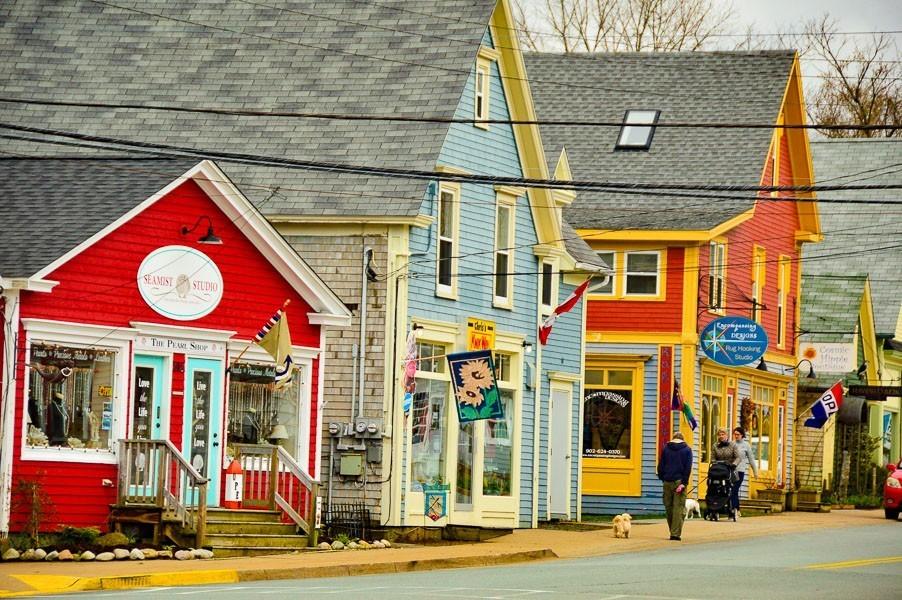
Someone who wants restaurants within walking distance may make a very different choice from someone who wants a workshop, ten acres and enough room that they can't see their neighbours.
The goal isn't to find the community everyone else thinks is best.
It's to understand the trade-offs well enough to choose a location that fits the way you actually intend to live.
When we begin a home search, that's one of the conversations I like to have early.
Not simply:
“Where do you want to buy?”
But:
“What do you want your life there to look like?”
The answer can lead us to places you may not have considered.
Part of the Buying a Home in Nova Scotia Buyer Resource Centre: Practical guides to help you prepare, evaluate a property and navigate the home-buying process.
.jpg)