.png)

Buying a home often starts long before you book your first showing.
A little preparation can make it easier to understand what you can comfortably afford, narrow down where and what you want to buy, and recognize when the right property comes along.
You don't need to have every detail figured out before you start talking to a REALTOR® or mortgage professional. But getting some of the important pieces in place early can make the home-buying process much easier to navigate.
Start With Your Financial Picture
Before focusing on listings and asking prices, take some time to look at your overall financial situation.
The question isn't simply how much a lender may be willing to lend you. It's also how much you're comfortable spending each month while still leaving room for everything else in your life.
Consider your existing monthly expenses, debts, savings and the amount you expect to have available for a down payment. Then think about the costs that will come with owning the type of property you're considering.
Two homes with the same purchase price can have very different ongoing costs. Property taxes, insurance, heating, electricity, water and wastewater services, maintenance and commuting can all affect what a home actually costs to own.
A realistic budget should consider both what it costs to buy the property and what it will cost to live there.
Talk to a Mortgage Professional Before You Start Looking
Getting pre-approved for a mortgage can give you a better idea of the price range you may be able to consider.
A mortgage professional can review your income, debts, credit and down payment and explain the financing options that may be available to you.
This is also a good opportunity to ask questions about the documentation you'll need and whether there are factors that could affect your eventual mortgage approval.
Keep in mind that a pre-approval isn't the same as final mortgage approval.
Once you have an accepted offer, your lender may still need to approve the property itself, review the purchase price and possibly obtain an appraisal before providing final financing.
Understanding that distinction before you begin your search can help prevent surprises later.

Know How Much Cash You May Need
Your down payment isn't the only money you may need when buying a home.
Depending on your purchase, you may also need funds for expenses such as:
The deposit submitted with your offer
Home inspection and other property investigations
Legal fees
Deed transfer tax
Adjustments made at closing
Moving expenses
Immediate repairs or maintenance
Utility or service setup
The exact costs will depend on the property and your circumstances, but it's worth leaving some room in your budget rather than using every available dollar for the purchase itself.
Having money available after closing can also make the first few months of homeownership considerably less stressful when an unexpected repair or expense appears.
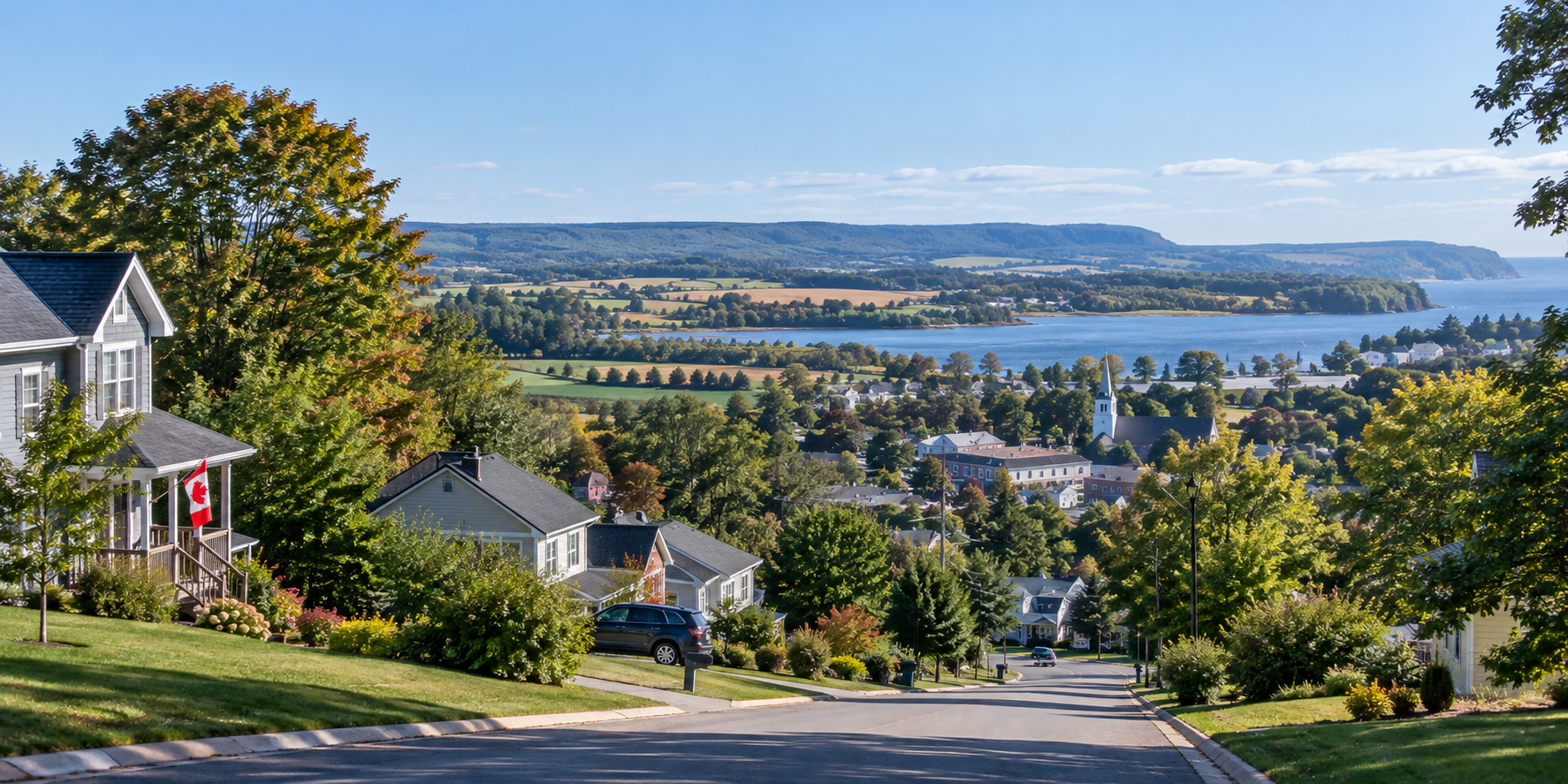
Think About Where You Want to Live
Before setting up a search based solely on price and bedroom count, think about how location will affect your everyday life.
Nova Scotia can change considerably within a relatively short drive. A home in town may have municipal water and sewer, nearby services and a short commute, while another property twenty minutes away may have a well, septic system, private road or significantly more land.
Neither is necessarily better. They're simply different ways of living.
Consider things such as:
Commute and travel time
Access to shopping and everyday services
Healthcare
Schools, if they're important to your household
Internet and cellular service
Road maintenance and winter driving
Municipal versus private water and wastewater systems
Property size and maintenance
Proximity to family, recreation and community activities
If you're relocating to Nova Scotia, spending some time understanding the communities you're considering can be just as important as researching the houses themselves.
Separate Your Needs From Your Wants
Most buyers begin with an idea of their ideal home. The challenge is deciding which parts of that picture are essential and which ones are flexible.
One useful approach is to divide your priorities into three groups.
Needs
These are the things the property realistically must have for it to work for you. That could include a certain number of bedrooms, accessibility requirements, a manageable commute or space for a particular use.
Wants
These are features you'd really like to have but could compromise on for the right property. A garage, finished basement, particular kitchen layout or larger lot might fall into this category.
Deal Breakers
These are characteristics that would cause you to rule out a property regardless of its other advantages.
Making these distinctions before you start looking can help when you eventually have to compare homes that each offer something different.
Your priorities may also change once you've seen a few properties—and that's perfectly normal.
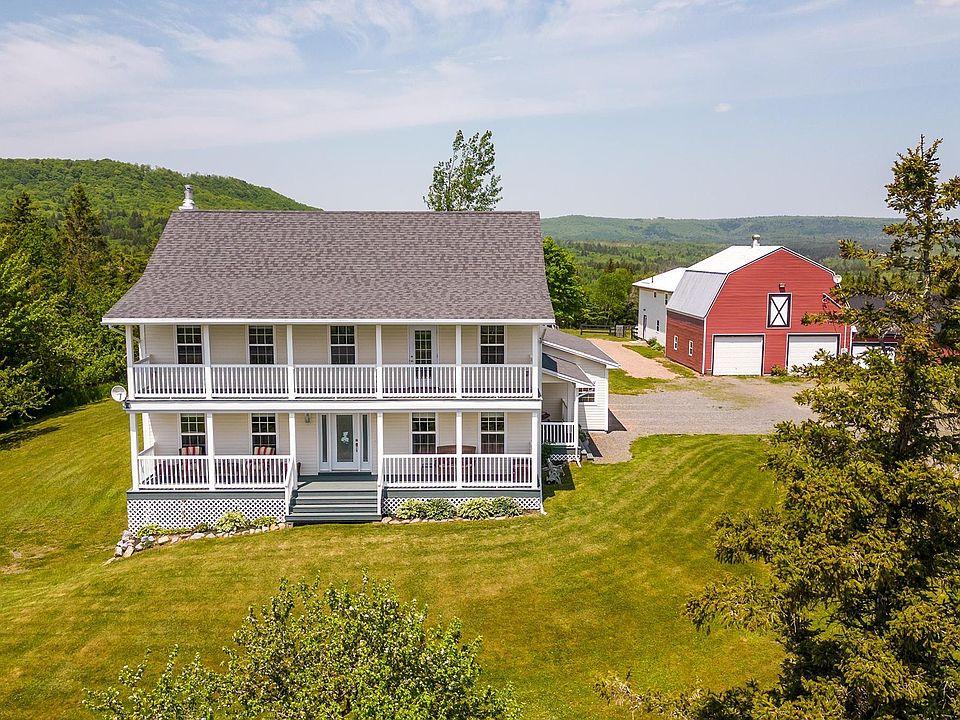
Consider the Type of Property You Want to Own
Nova Scotia offers much more than conventional subdivision homes.
Depending on where you're looking, you may encounter older homes, waterfront properties, acreages, hobby farms, cottages, mini or modular homes, vacant land and properties with private roads or unusual construction.
Different property types can bring different responsibilities and questions.
For example, owning several acres may sound appealing until you consider driveway maintenance, snow removal and the time required to maintain the land. Waterfront may be a priority, but shoreline conditions, insurance, access and exposure can become part of the decision.
The goal isn't to avoid properties that are different. It's to understand what comes with the type of property you're considering.
If You Already Own a Home, Think About How the Two Transactions Fit Together
Buying becomes more complicated when the money or timing for your next home depends on selling your current one.
Before beginning your search, it's worth understanding approximately what your existing property may sell for, how much equity you may have available and how the timing of a sale could affect your purchase.
Depending on your circumstances, you may need to consider questions such as:
Do you need to sell before you can buy?
Can you qualify to own both properties temporarily?
Would bridge financing be an option?
What happens if the closing dates don't line up?
Would your offer on another property need to depend on selling your current home?
Your REALTOR® and mortgage professional can help you understand how these pieces may fit together before you're trying to solve them in the middle of an offer.

Understand the Basic Buying Process
You don't need to become an expert in real estate contracts before you start looking for a home, but knowing the broad stages of the process can make everything feel much less unfamiliar.
A typical purchase may involve:
Preparing your finances and getting pre-approved
Identifying your priorities and beginning the property search
Viewing and evaluating potential homes
Preparing and negotiating an offer
Completing financing, inspections and other agreed conditions
Working with your lawyer, lender and other professionals toward closing
Completing a final walkthrough
Closing the transaction and taking possession
The details can vary from one purchase to another, particularly when you're buying a property with unusual features or circumstances.
That's why understanding the process is useful—but having the right professionals involved is equally important.

When Should You Contact a REALTOR®?
You don't have to wait until you're ready to book showings.
Speaking with a REALTOR® earlier in the process can help you understand local property types, communities, current listing conditions and some of the questions that may come up during your search.
It can also be useful if you're still trying to determine whether your expectations around location, property type and budget line up with what's available.
A REALTOR® isn't a substitute for your lender, lawyer, inspector, insurance provider or other specialists. Each professional has a different role.
Part of the REALTOR®'s job is helping you navigate the real estate transaction and recognize when a question should be answered by one of those other professionals.
You Don't Need to Have Everything Figured Out
Preparing to buy a home doesn't mean predicting every question you'll encounter.
It means getting enough of the important pieces in place that you can start your search with a clearer understanding of your finances, priorities and options.
Your ideas may change as you explore communities and see different properties. You may discover that something you originally considered essential isn't as important as you thought—or that a feature you hadn't considered becomes a priority.
That's part of the process.
The objective isn't to create the perfect checklist before you begin. It's to put yourself in a position to make informed decisions as the right property comes along.
Part of the Buying a Home in Nova Scotia Buyer Resource Centre: Practical guides to help you prepare, evaluate a property and navigate the home-buying process.
.jpg)