.png)

When buyers start looking for a home, it's easy to begin with a familiar checklist.
Three bedrooms. Two bathrooms. A garage. A certain price range.
Those things matter, but they don't necessarily tell you what type of property will work best for the way you actually want to live.
In Nova Scotia, buyers can encounter everything from newer subdivisions and century homes to condominiums, mini homes, rural acreages, waterfront properties and seasonal cottages—sometimes within a relatively small geographic area.
Each can offer a very different ownership experience.
Before narrowing your search too much, it can be helpful to think beyond the house itself and ask a bigger question:
What do you want owning your home to be like?
Start With the Lifestyle, Not the House Style
It's tempting to decide that you want a bungalow, two-storey home or particular architectural style.
But some of the more important differences between properties aren't architectural at all.
Think about what you want from the property.
Do you want enough land for a large garden?
Would you rather have very little exterior maintenance?
Do you need a workshop?
Do you travel frequently and want something easier to leave unattended?
Would you enjoy maintaining several acres?
Do you want to walk to cafés and shops?
Is waterfront part of the dream?
Would you rather renovate an older home or move into something newer?
The answers can lead to very different types of properties.
Finding the right home isn't only about what you can buy. It's about what you actually want to own.
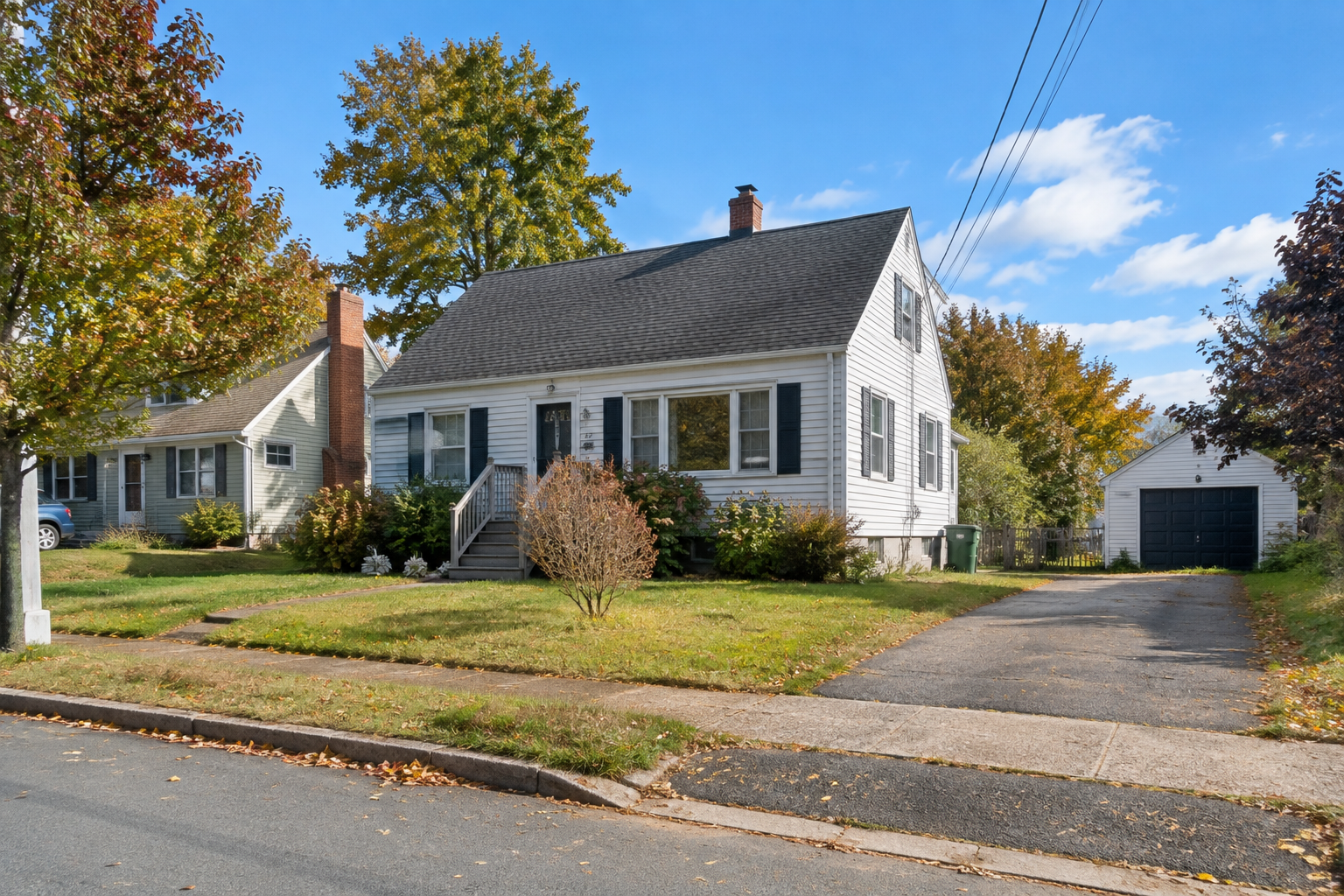
A Conventional Detached Home
For many buyers, a detached house is the starting point.
You own the home and, in most cases, the land beneath and around it. That gives you a degree of independence that appeals to many homeowners.
But detached homes themselves vary enormously.
A house in town might have municipal water and sewer, a small yard and sidewalks nearby.
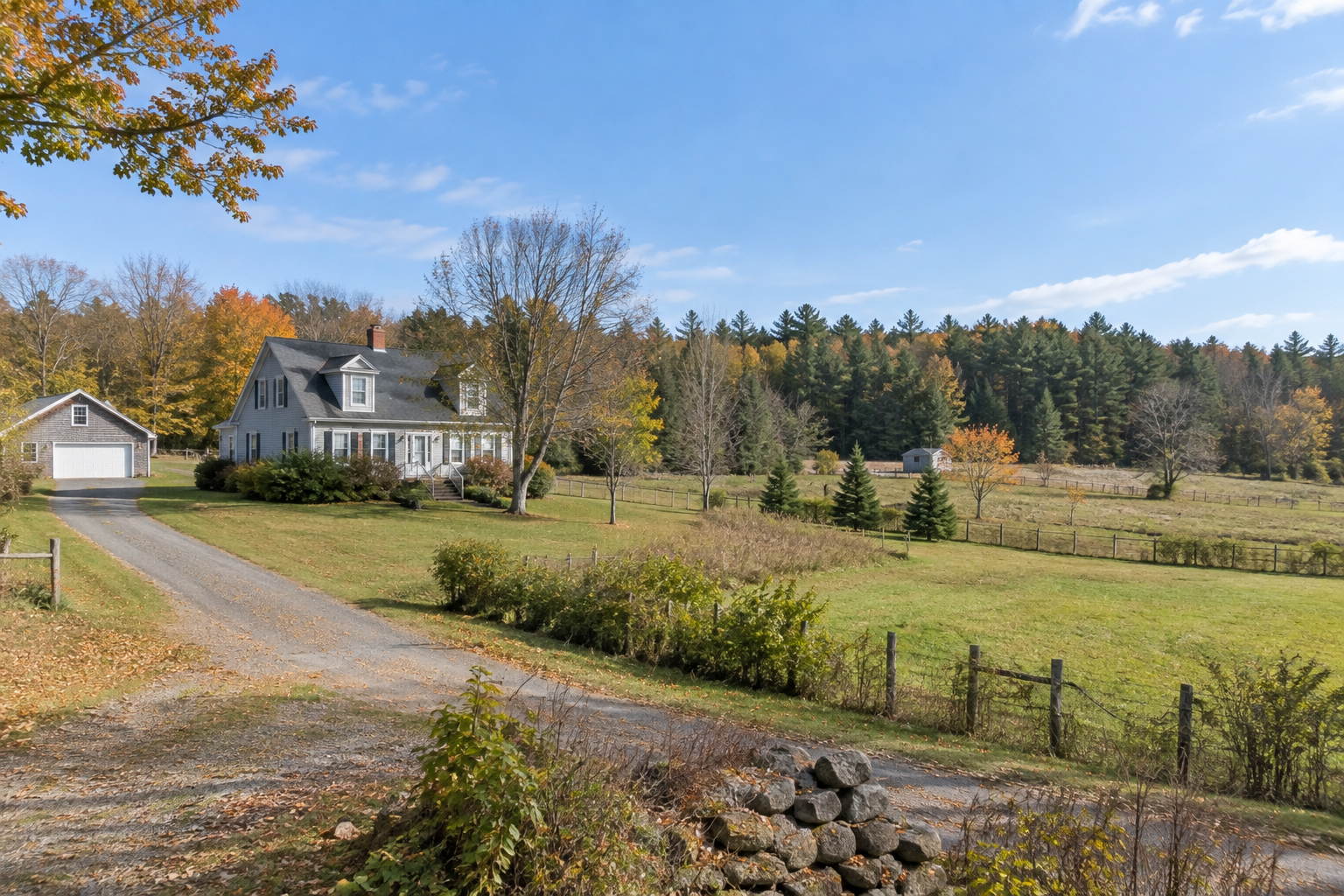
Drive ten minutes away and another detached house might have a well, septic system, two acres of land, a long driveway and several outbuildings.
The buildings might look similar while the ownership responsibilities are completely different.
That's why I encourage buyers to look beyond bedrooms and square footage.
The property around the house is part of what you're buying too.
A Condominium Changes What You Own—and What You Share
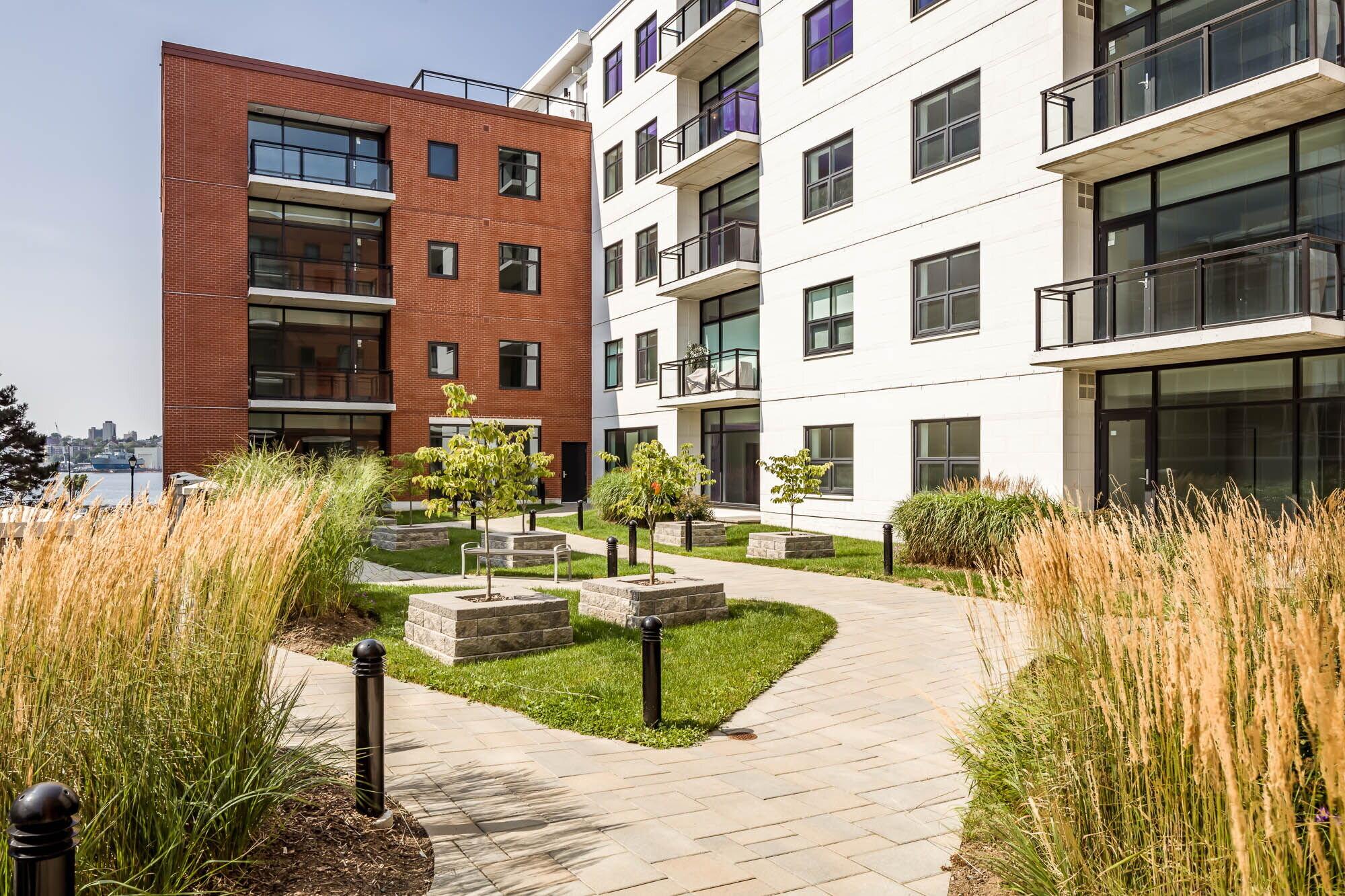
A condominium can appeal to buyers who want home ownership without taking responsibility for every part of the property themselves.
But buying a condo isn't simply buying an apartment.
You own your individual unit and have an interest in the condominium's common elements. The condominium corporation is responsible for managing and maintaining those common elements, while owners contribute through common-element fees. Government of Nova Scotia
Depending on the development, those shared responsibilities could involve things such as building exteriors, roofs, roads, landscaping, hallways, elevators or other facilities.
That can make ownership more convenient.
It also means you need to evaluate more than the unit you're standing in.
Before purchasing, Nova Scotia recommends reviewing documents including the declaration, bylaws, common-element rules, reserve fund information, estoppel certificate and financial statements. Buyers should also understand the monthly fees, what those fees cover, whether major repairs are anticipated and the financial condition of the condominium corporation. Government of Nova Scotia
Rules can matter too. Depending on the condominium, there may be restrictions involving pets, business use or other aspects of how a unit can be used. Government of Nova Scotia
So don't compare a condo and detached house on purchase price alone.
Compare the ownership experience and total responsibilities as well.
Mini Homes and Manufactured Homes
Mini homes can provide another path to home ownership in Nova Scotia.
Some are located on land that is individually owned. Others are situated in communities where the homeowner owns the home but leases the site beneath it.
That distinction matters.
If the land is leased, you'll want to understand the site arrangement and associated costs in addition to evaluating the home itself.
Financing can also depend on how a manufactured home and the land are structured. For example, Nova Scotia's current Down Payment Assistance Program requires a manufactured home to be permanently attached to property the buyer owns in order to qualify under that program. Government of Nova Scotia
Manufactured homes can also involve legal considerations different from conventional real estate. Nova Scotia's Personal Property Registry, for example, specifically includes mobile/manufactured homes among the types of property against which security interests can be registered. Government of Nova Scotia
That doesn't make a mini home inherently more difficult to buy.
It means you need to understand exactly what is included in the purchase and how ownership is structured.
Modular Doesn't Mean the Same Thing as a Mini Home
These terms are sometimes used interchangeably, but they shouldn't be.
A modular home is generally constructed in sections in a controlled environment and then assembled on a permanent foundation at the property.
Once completed, it may function much like another conventionally constructed house.
The construction method itself doesn't tell you whether a home will suit you.
Instead, evaluate the finished property as you would another home: its foundation, construction, heating, insulation, services, condition, location and land.
If you're uncertain about what type of construction you're looking at, find out rather than relying on the terminology used casually in conversation.
Older Homes Can Offer Something Newer Homes Can't
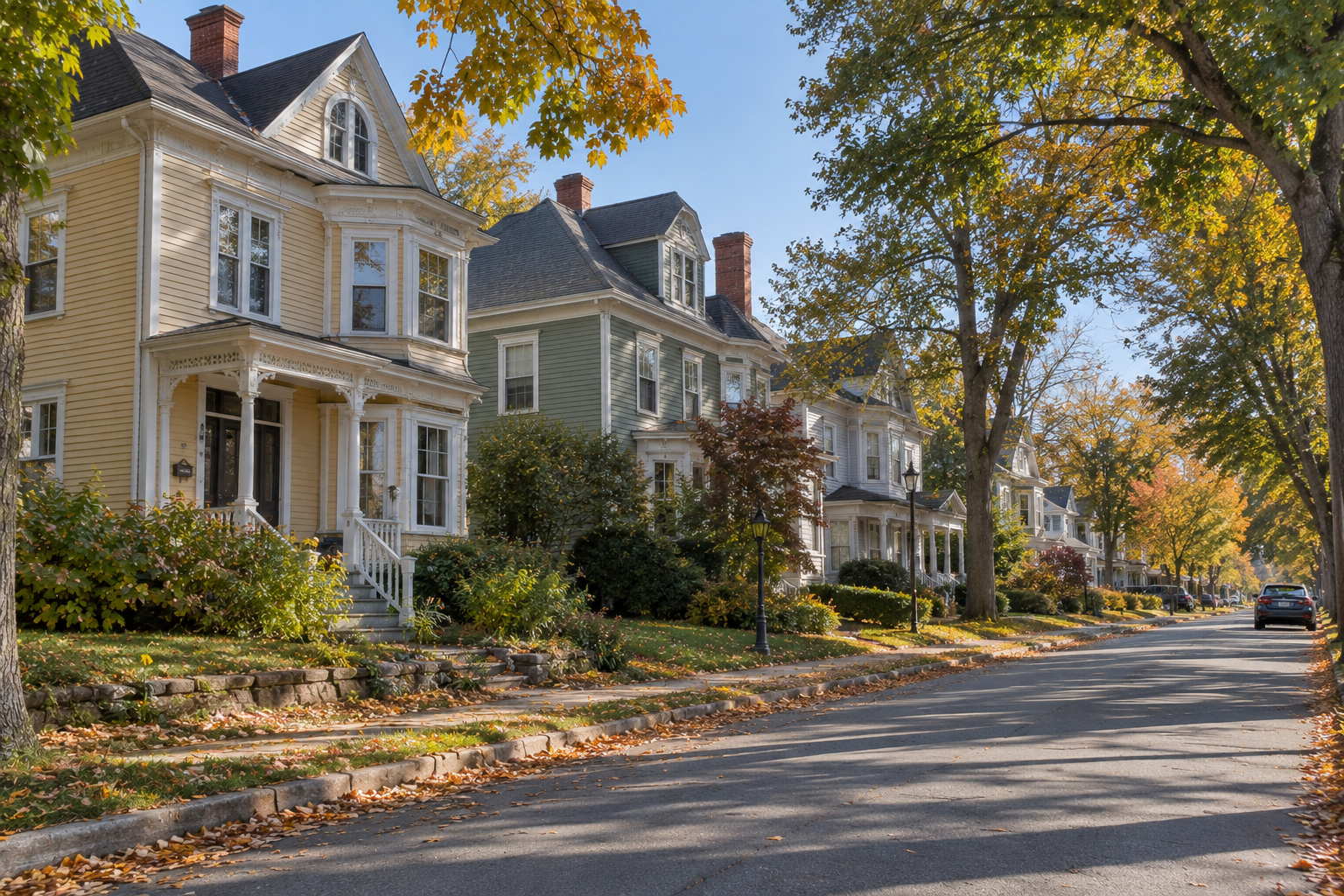
Nova Scotia has a large inventory of older homes, particularly in established communities.
For some buyers, that's part of the appeal.
Older homes can offer mature neighbourhoods, established trees, distinctive layouts, original woodwork and architectural details that would be difficult or expensive to reproduce today.
They can also require a different kind of due diligence.
Electrical systems, plumbing, foundations, insulation, heating equipment, roofing, additions and previous renovations may represent several generations of work.
Age alone doesn't tell you whether a house is good or bad.
A well-maintained 120-year-old house may be in better condition than a much newer home that hasn't been cared for.
The better question is:
What has happened to this particular house during its lifetime?
We'll explore that in much greater detail in Older Homes in Nova Scotia: What Buyers Should Look For.
Old Doesn't Automatically Mean Heritage
An older house and a registered heritage property aren't necessarily the same thing.
Nova Scotia has both provincial and municipal heritage registries, and a property can appear on one or both. Registered properties are subject to the Heritage Property Act and applicable heritage protections. CCTH
If you're considering a registered heritage property, understand its status and what that means before assuming you can make particular exterior changes or alterations.
But don't assume every century home has heritage restrictions simply because it's old.
Verify the actual property.
New Construction Offers a Different Set of Decisions
For some buyers, the appeal of new construction is straightforward.
New finishes.
Modern layouts.
Current building systems.
Less history to investigate.
Potentially fewer immediate repairs.
But buying new doesn't eliminate due diligence—it changes it.
You may need to understand exactly what the purchase price includes, which finishes and appliances are part of the agreement, whether landscaping and driveways are complete, how deficiencies will be handled and when the home will actually be ready for occupancy.
If you're buying before construction is complete, you're also making decisions based partly on plans, specifications and representations rather than solely on a finished building.
There may also be programs that apply specifically to new homes. For example, Nova Scotia currently offers an eligible first-time buyer rebate of up to $3,000 on a newly built home. Government of Nova Scotia
Programs and eligibility requirements can change, so verify what's available when you're actually preparing to buy.
A Home With Acreage Is More Than a Bigger Yard
A few acres can dramatically change what a property allows you to do.
Maybe you want privacy.
A large garden.
A workshop.
Space for animals.
Woodland.
Or simply some distance between you and your neighbours.
But don't evaluate acreage based only on the number in the listing.
Five acres of open, level land is very different from five acres that are mostly wooded, wet or steep.
Consider how much of the property is actually usable for what you want?
Then consider what you'll have to maintain.
More land can mean more mowing, tree maintenance, fencing, drainage, snow clearing, driveway maintenance and outbuildings.
If you're specifically looking for substantial acreage, barns or agricultural potential, we'll go much deeper in Buying a Hobby Farm or Acreage in Nova Scotia.
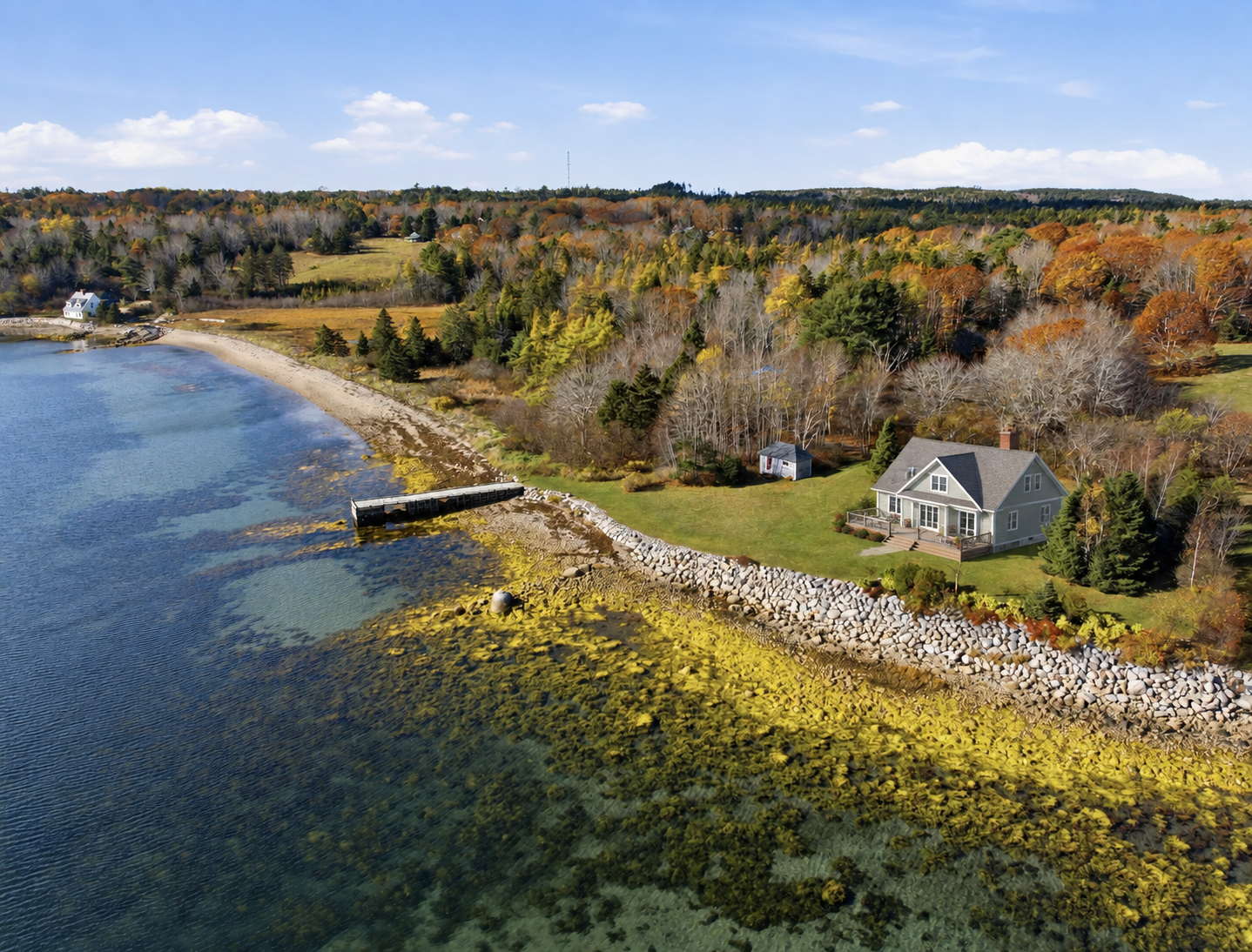
Waterfront Changes the Property, Not Just the View
For many buyers moving to Nova Scotia, waterfront is high on the wish list.
And it's easy to understand why.
But waterfront should be evaluated as a property characteristic—not simply as scenery.
Different properties can have very different shorelines and access.
Consider what you're actually hoping to do.
Do you want to swim?
Launch a kayak?
Keep a boat?
Walk along the shore?
Have an unobstructed view?
Or is simply being beside the water enough?
A beautiful waterfront property may not necessarily provide the type of water access you imagined.
You'll also want to investigate boundaries, access, erosion or flooding considerations, insurance and any restrictions that could affect what you intend to do with the property.
We'll treat this as its own subject in Buying Waterfront Property in Nova Scotia: What Should You Investigate?
A Cottage or Seasonal Property May Not Be a Year-Round Home
A cottage can look very much like a small house in listing photographs.
That doesn't necessarily mean it was designed or equipped for year-round living.
Some seasonal properties may have different water systems, limited insulation, seasonal road access or other services that aren't intended for twelve-month occupancy.
If you're buying a cottage to use as a cottage, those limitations may be perfectly acceptable.
If you're planning to turn it into your permanent home, they're much more important.
Don't assume that because you could stay somewhere in January, the property was designed to function as a conventional year-round residence.
A Property With Outbuildings Can Change What's Possible
A garage, barn or workshop can completely change whether a property works for you.
For someone who wants woodworking space, vehicle storage, equipment storage or room for a small business, the outbuilding might be nearly as important as the house.
But treat it that way during your evaluation.
Look at its structure.
Roof.
Foundation.
Electrical service.
Access.
Condition.
And whether your intended use is permitted.
A large old barn can be an extraordinary asset to the right buyer.
It can also be a very large building that needs a new roof.
Multi-Unit Properties Require a Different Mindset
Some buyers consider a duplex or another property with an additional unit because they want rental income, space for extended family or greater flexibility.
That changes the evaluation again.
Instead of looking only at whether the home suits you, you'll need to understand the additional unit, how it's currently used, whether it's legally established where relevant, the utilities, tenancy situation if occupied and the financial implications.
If rental income is necessary for your financing plan, discuss that with your lender early rather than assuming all potential rent will automatically be treated the way you expect.
A multi-unit property can be an excellent fit for some buyers, but it isn't simply a detached home with an extra kitchen.
The Cheapest Home Isn't Necessarily the Cheapest to Own
This is where comparing different property types gets interesting.
Imagine several properties with similar purchase prices.
One might be a condo with monthly common-element fees.
Another might have no condo fees but require you to maintain the roof, driveway and exterior yourself.
A rural home might have a well, septic system and several acres.
An older home might have inexpensive taxes but upcoming improvements.
A newer home might cost more initially but require fewer immediate projects.
A waterfront property may bring different insurance considerations.
A mini home on leased land may include ongoing site costs.
The purchase price tells you what it costs to acquire the property.
It doesn't necessarily tell you what it costs—or requires—to own it.
Think About the Home You'll Want Five Years From Now
You can't predict everything.
But it's worth looking beyond what works today.
If you're planning a family, will the property still work?
If you're approaching retirement, do you really want several acres to maintain?
If you expect to work from home, is there suitable space and connectivity?
If you love travelling, will you be comfortable leaving a rural property unattended?
If you've always wanted a workshop, will buying a property without one leave you searching again in two years?
You don't need to buy your "forever home."
But understanding where your life may be heading can prevent you from choosing a property that already conflicts with those plans.
Don't Eliminate a Property Type Too Quickly
Sometimes buyers begin with strong assumptions.
"I don't want a condo."
"I'd never buy an old house."
"I need at least five acres."
"I don't want a mini home."
"I only want waterfront."
Those preferences may ultimately be completely right for you.
But it's useful to understand why.
If you dislike condo rules and shared decision-making, that's meaningful.
If you simply assumed condos were all high-rise apartments, that's different.
If you need acreage for horses, acreage is a genuine requirement.
If you want acreage because you want privacy, there may be properties on much smaller lots that accomplish the same thing.
The goal isn't to talk yourself into a property type you don't want.
It's to make sure you're solving the right problem.
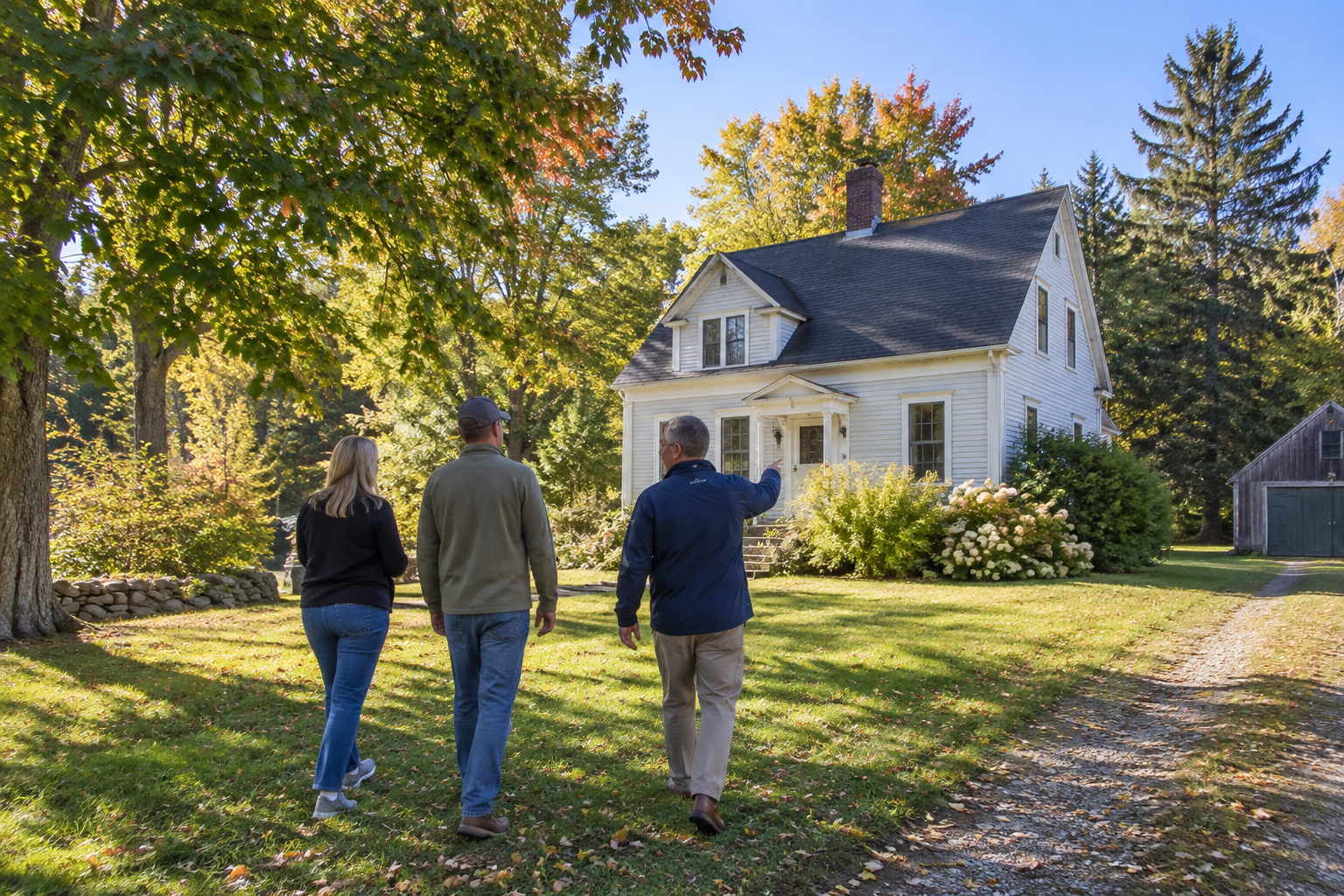
Compare Responsibilities, Not Just Features
When you're deciding what type of home is right for you, try making two lists.
The first is probably familiar:
Bedrooms.
Bathrooms.
Garage.
Location.
Price.
Lot size.
For the second, think about ownership:
How much maintenance do I want?
How much land do I genuinely want to look after?
Which responsibilities am I comfortable taking on myself?
Do I want shared amenities enough to accept shared rules and costs?
Do I want a finished home or a project?
How important are privacy, walkability, waterfront or outbuildings?
What will this property require from me after I get the keys?
That second list often tells you much more about the type of home you should be looking for.
There Isn't One "Best" Type of Home
A condo isn't inherently better or worse than a detached house.
A century home isn't automatically a money pit.
A new home isn't automatically problem-free.
A rural acreage isn't automatically more work than you want.
And a smaller property isn't automatically easier to own.
They're simply different.
The right property is the one where the home, location, responsibilities and costs fit the way you want to live.
Once you understand that, searching for a home becomes much more focused—and you're in a better position to recognize the right property when you find it.
Part of the Buying a Home in Nova Scotia Buyer Resource Centre: Practical guides to help you prepare, evaluate a property and navigate the home-buying process.
.jpg)