Start With These Guides

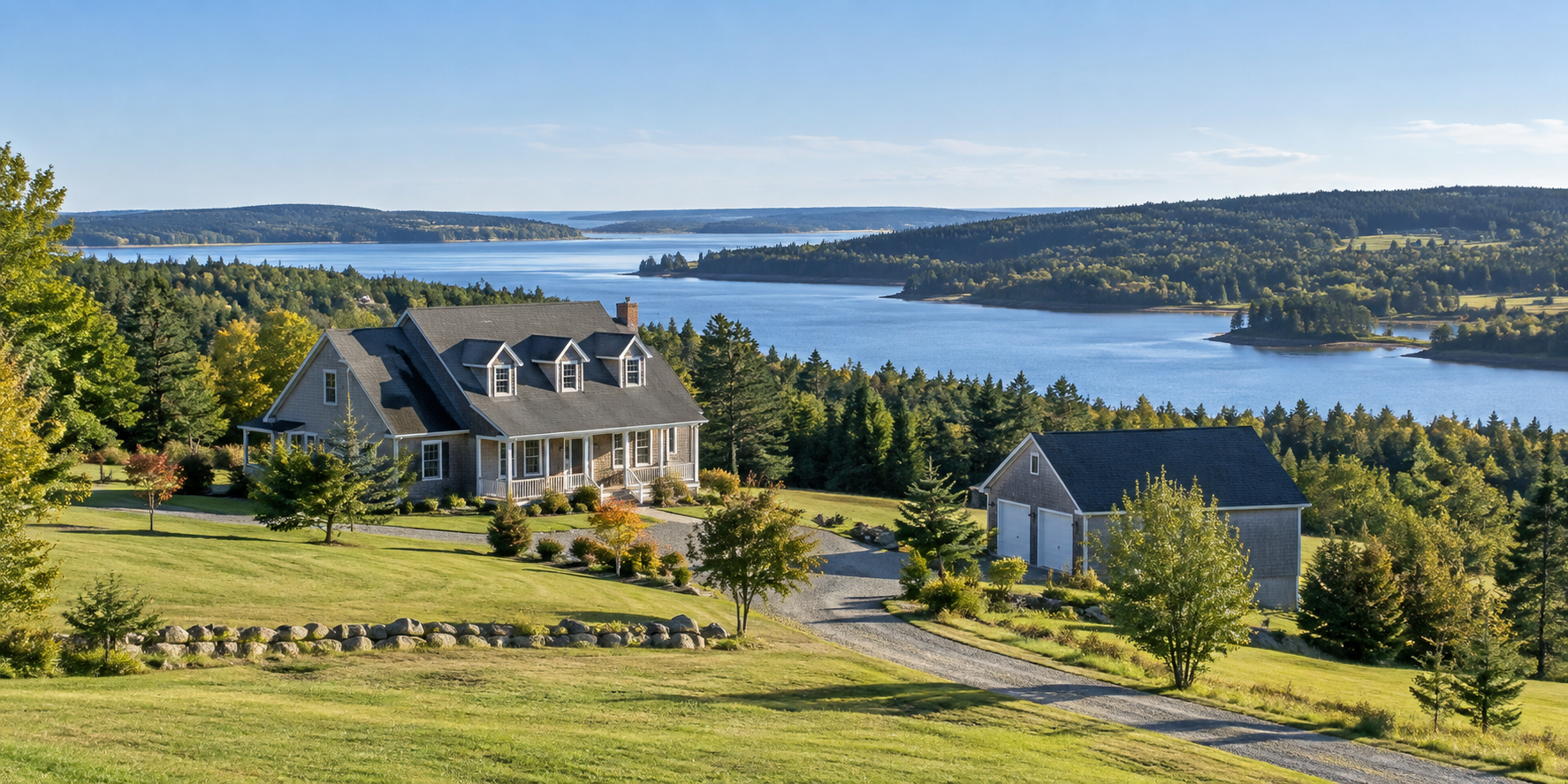
These three guides explore property types where the land, location, services or intended use can introduce additional questions beyond the home itself.

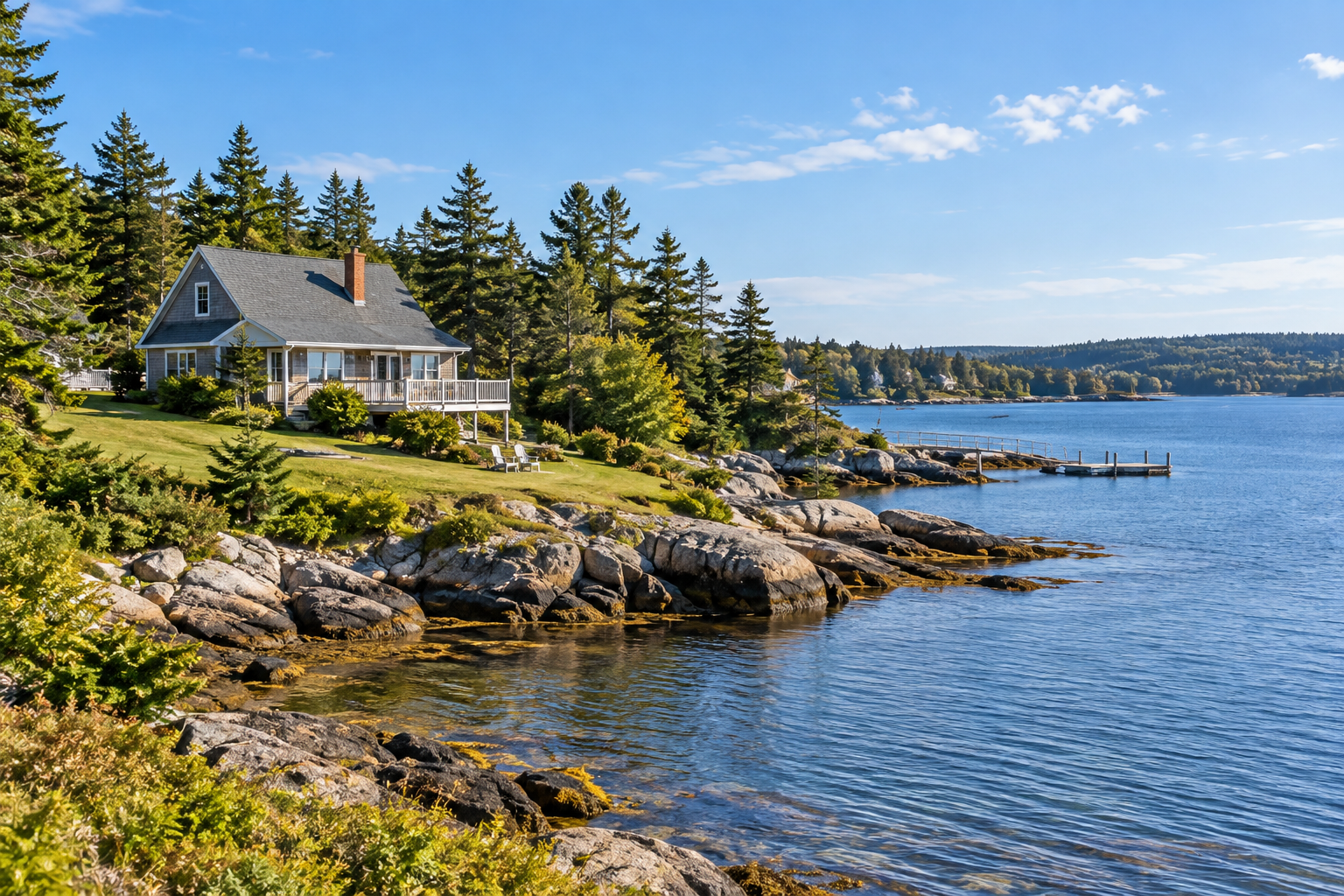
Buying Waterfront Property in Nova Scotia: What Should You Investigate?

Waterfront can add another layer to a property purchase. Learn about access, boundaries, shoreline conditions, wells and septic, insurance and other questions worth investigating before you buy.

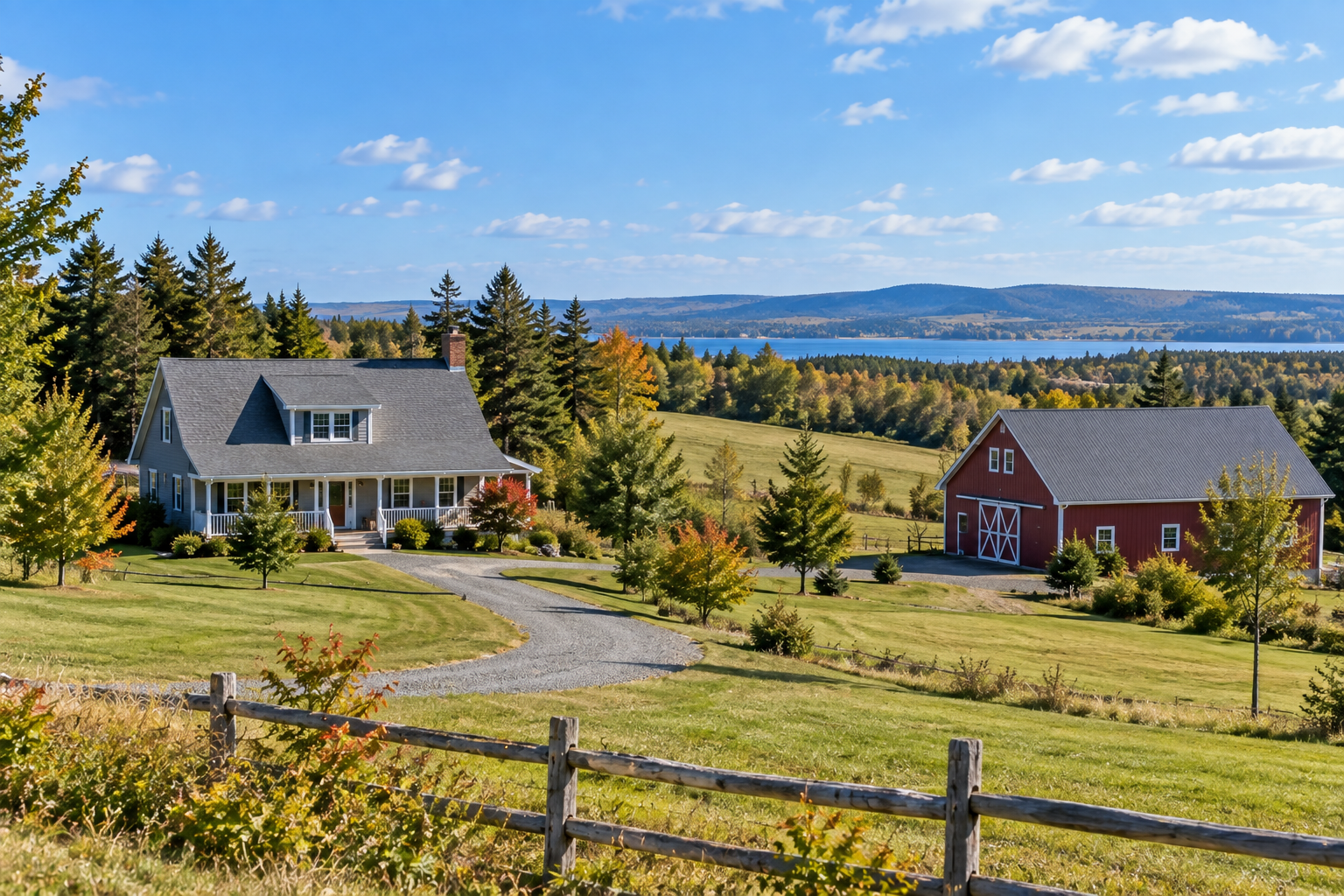
Buying a Hobby Farm or Acreage in Nova Scotia

More land can mean more things to consider. Learn about zoning, outbuildings, water, septic, access, land use and some of the practical questions that come with buying an acreage or hobby farm.

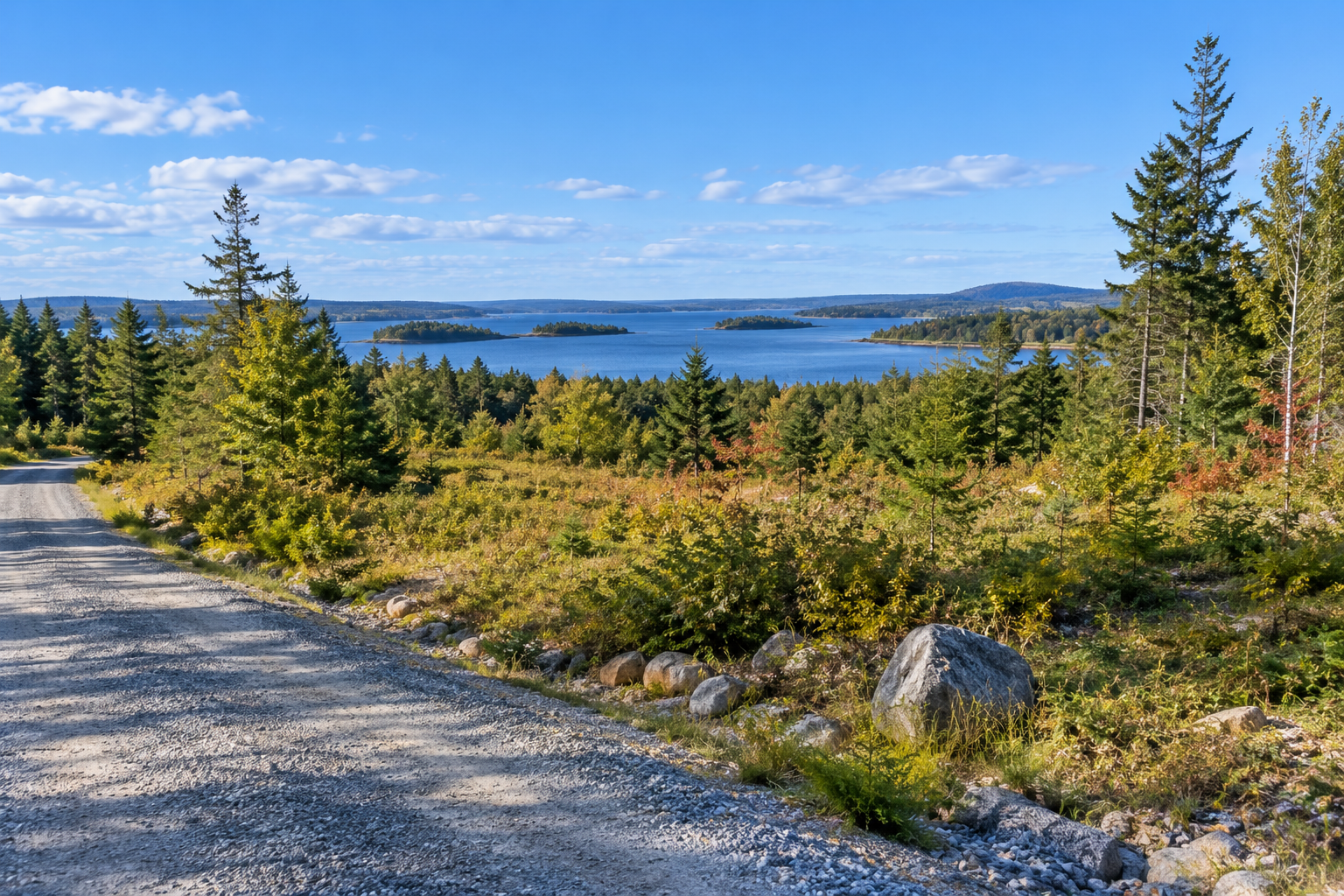
Buying Vacant Land in Nova Scotia: What to Check Before You Buy

A vacant lot may look straightforward, but what you can build and how you can service the property aren't always obvious. Learn about access, zoning, water, septic, utilities and other due-diligence questions.

Not Every Property Follows the Same Playbook

The usual questions about condition, financing and inspections still matter, but some properties introduce another layer of things to investigate.

The land itself, how the property is accessed, where services come from and what you intend to do with the property can all affect what should be investigated before you buy.

How Is the Property Accessed?

A driveway reaching the house doesn't necessarily tell you who owns the road, who maintains it or whether there are easements or rights-of-way affecting access.

What Services Are Available?

Water, septic, electricity, internet and other services may work differently—or may not yet exist—depending on the property and its location.

How Can the Property Be Used?

Zoning, land-use rules, restrictive covenants and other requirements can affect plans for additional buildings, businesses, animals or future development.

START WITH WHAT MAKES THE PROPERTY DIFFERENT

Before deciding what additional investigation is needed, identify the characteristics that make the property different from a typical residential purchase.

Consider:

  • Access and road ownership
  • Water and wastewater services
  • Existing outbuildings
  • Acreage and land use
  • Shoreline or water frontage
  • Utilities and communications
  • Intended future use

The goal isn't to assume these features are problems. It's to understand them well enough to know which questions need answers.

Waterfront Adds Another Layer to the Property

Buying waterfront isn't only about the view. The shoreline, access to the water and the characteristics of the lot can introduce questions that wouldn't normally arise with an inland property.

Two waterfront properties that look similar in a listing can also be very different once you start looking more closely.

Where Does the Property Actually End?

Understanding boundaries can be particularly important near the shoreline, especially when docks, paths, neighbouring properties or shared access are involved.

What Is the Shoreline Like?

Rock, beach, bank, marsh and other shoreline conditions can affect how you use and maintain the waterfront.

How Might the Location Affect the Home?

Exposure to wind and weather, erosion, drainage, access, insurance and servicing can all deserve additional attention depending on the property.


THE VIEW IS ONLY PART OF THE WATERFRONT

A beautiful setting can be an important reason for choosing a waterfront home, but understanding the land, shoreline, access and services is part of understanding what you're actually buying.

More Land Can Mean More Questions

An acreage or hobby farm can offer privacy, space and flexibility, but the property may include much more to understand than the house itself.

How the land is used, the condition and permitted use of outbuildings, access across the property and your plans for the acreage can all affect the questions worth asking before you buy.

The Land & How You Want to Use It

A large parcel isn't automatically suitable for every use. Zoning, soil and drainage, terrain, existing land use and other restrictions may matter depending on what you hope to do with the property.

Barns, Workshops & Other Buildings

Outbuildings can add considerable value for the right buyer, but their condition, electrical service, water supply and permitted use may deserve separate investigation from the home.

Access, Services & Maintenance

Long driveways, private roads, wells, septic systems, snow removal and maintaining larger grounds can all affect the practical cost and responsibility of owning the property.

START WITH WHAT YOU WANT THE PROPERTY TO DO

Buying an acreage for privacy is different from buying one because you want horses, a workshop, agricultural use or future development.

Your intended use can help determine which questions need to be answered before you buy.

Vacant Land Requires Different Due Diligence

With a house, many of the property's important systems already exist and can be inspected. With vacant land, some of the biggest questions may be about what isn't there yet.

Before buying a lot, it's important to understand whether the property can reasonably support what you intend to build or do with it.

Can You Access It?

Road frontage doesn't always mean the property has an existing driveway or that access can be created exactly where you expect. Private roads and rights-of-way can add other considerations.

Can You Build What You Have in Mind?

Zoning, lot dimensions, setbacks and other land-use requirements can affect where—and sometimes whether—your plans can be developed.

How Will the Property Be Serviced?

A vacant lot may require a well, septic system, electrical connection, driveway and other infrastructure. The feasibility and cost of those services can matter significantly.


A BUILDABLE-LOOKING LOT ISN'T THE SAME AS A BUILDABLE LOT

A piece of land can look ideal during a showing without answering the questions that determine whether it works for your plans.

The important part is verifying the details before you rely on assumptions about what can be built or how the property can be used.

Some Properties Don't Fit Neatly Into a Category

Waterfront, acreages and vacant land aren't the only purchases that can require a different approach. Seasonal properties, mini and modular homes, heritage properties and homes with income potential can each introduce their own considerations.

The important thing is recognizing when the property has characteristics that deserve additional investigation.

Cottages & Seasonal Properties

A property used seasonally may have different water systems, winterization, road access, insulation, heating or insurance considerations. If you plan to use it year-round, confirm that the property and its services are suitable for that use.

Mini, Mobile & Modular Homes

How the home was constructed, where it is located and whether the land is owned or leased can affect financing, insurance and the purchase itself. Don't assume every factory-built home is treated the same way.

Heritage, Multi-Unit & Other Unique Homes

Heritage restrictions, additional dwelling units, rental use, unusual construction or previous property modifications can raise questions about permitted use, financing, insurance and future plans.

THE PROPERTY TYPE HELPS SHAPE THE DUE DILIGENCE

There isn't one checklist that applies perfectly to every property.

Start with what makes the home or land different, then determine what needs to be verified and which professional is best qualified to help answer the question.

Different Properties May Need Different Expertise

When a property has unusual features, some questions may fall outside a typical home inspection or real estate showing.

Part of good due diligence is recognizing when another professional may be needed to help you understand a particular feature of the property.

Land & Boundaries

A surveyor or other appropriate professional may be needed when boundaries, acreage, access or rights-of-way require clarification.

Buildings & Property Systems

Inspectors and specialized contractors can help evaluate the condition of homes, barns, workshops, septic systems, wells and other improvements.

Planning & Intended Use

Municipal or planning authorities can help confirm zoning, permitted uses, setbacks and requirements that may affect what you want to do with the property.

Financing & Insurance

Some property types can be treated differently by lenders and insurers, making it worthwhile to ask questions early in the buying process.

DON'T RELY ON ASSUMPTIONS

If a particular feature is important to your decision, identify who can verify it.

For example:

  • Can the land be used as intended?
  • Is access legally established?
  • Can the property be insured?
  • Will a lender finance this property type?
  • Are existing buildings permitted for their current use?
  • Can the lot support the services you need?

The answer may come from different professionals depending on the question.

From Accepted Offer to Closing

WHERE TO GO FROM HERE

Once you've found the right property, completed your investigations and worked through your purchase conditions, the focus shifts toward closing.

There are still several important steps between an accepted offer and getting the keys—from satisfying conditions and working with your lawyer and lender to the final walkthrough, closing adjustments and preparing for possession.

The next section of the Buyer Resource Centre explains what happens during this final stage of buying a home in Nova Scotia—and some of the issues that can arise before closing.

Explore More Buyer Resources

CONTINUE EXPLORING

Different property types can bring different questions, but the buying process doesn't end once your investigations are complete.

Continue through the Buyer Resource Centre to learn what happens after an accepted offer, how the closing process works and what buyers should be prepared for as they move toward possession.

×

Do you have questions?

Call or text today.
I am always here to help!

902-300-8674