
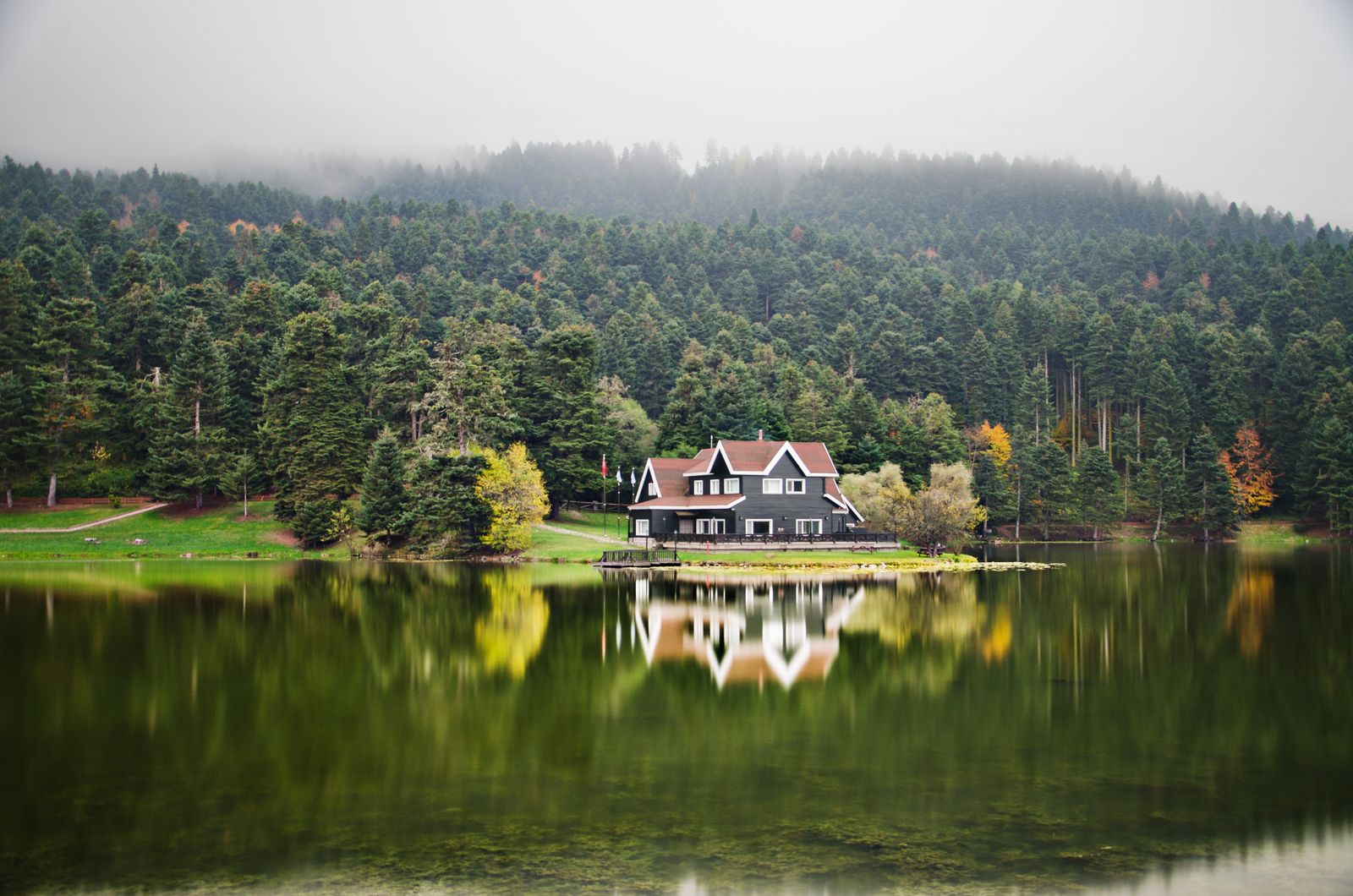
There's something special about living beside the water.
It might be a cottage overlooking a quiet lake, a home along the Annapolis River, a property beside a tidal inlet, or an oceanfront home with views across the Bay of Fundy.
Waterfront properties can offer privacy, scenery, recreation and a lifestyle that's difficult to duplicate.
But buying waterfront property involves more than evaluating the house and enjoying the view.
The water itself, the surrounding land and the rules governing how the property can be used all deserve careful investigation.
Flooding, shoreline erosion, insurance, building restrictions, septic systems, drinking water and legal access can all affect whether a property is suitable for your plans.
When I'm helping buyers consider waterfront homes in Nova Scotia, I encourage them to look beyond the appearance of the property and understand how it functions throughout the year.
Here are the important areas I recommend investigating before committing to a waterfront purchase.
Not All Waterfront Properties Have the Same Risks
One of the first things to understand is that waterfront properties can be very different depending on the type of water they border.
An oceanfront property may experience tides, storm surge, salt exposure and coastal erosion.
A lakefront property may experience seasonal changes in water levels, shoreline erosion, ice movement or flooding during periods of heavy rainfall.
Riverfront properties may be affected by spring runoff, heavy rain, ice jams and flooding from upstream.
Properties along tidal rivers and estuaries can experience a combination of river flooding and coastal water-level changes.
Even two properties on the same lake or river may have very different risks depending on their elevation, shoreline conditions and surrounding terrain.
Being beside the water doesn't automatically make a property high risk, but it does mean the location deserves more investigation than the view alone.
Is the Property Actually Waterfront?
A listing may describe a property as waterfront, water access or water view.
Those descriptions don't necessarily mean the same thing.
A waterfront property may have direct frontage on the ocean, a lake or a river.
A water-access property might be separated from the shoreline but have a deeded right-of-way or shared access area.
A water-view property may simply overlook the water without any legal right to reach it.
It's important to understand exactly what you're purchasing.
Questions worth investigating include:
Does the property legally extend to the shoreline?
Is there a road, separate parcel or Crown land between the property and the water?
Is access private, shared or provided through a right-of-way?
Are there restrictions on using the shoreline?
Does an existing dock or wharf belong to the seller?
Are there rights or easements benefiting neighbouring properties?
In Nova Scotia, ownership of waterfront land doesn't automatically mean ownership of the submerged land or every part of the shoreline.
Coastal submerged land is generally provincial Crown land unless a recognized exception applies. Inland water boundaries can also involve specific legal considerations.
When waterfront boundaries or access rights are important to a purchase, I encourage buyers to have their lawyer review the title and any relevant surveys or easements.
A licensed land surveyor may also be needed to establish where the property boundaries actually lie.
Never assume that a visible shoreline, pathway or dock is legally included simply because it appears to be part of the property.
Flood Zones and Flood History Should Be Investigated
Flooding is one of the most important considerations when buying waterfront property.
And it isn't limited to oceanfront homes.
River valleys, lakeshores, low-lying land and properties near streams can all experience flooding under certain conditions.
In Nova Scotia, potential causes include:
Heavy or prolonged rainfall
Rapid snowmelt
River overflow
Ice jams
Storm surge and unusually high tides
Blocked drainage systems or culverts
Changes in upstream water flow
Water collecting in low-lying areas
The Annapolis River and its tributaries are examples of waterways where buyers should consider surrounding terrain and the possibility of high-water events.
Along the Bay of Fundy and other coastal areas, tides and storm surge introduce additional considerations.
One of the first steps is to investigate whether the property is located within a known flood-risk area.
Municipal planning departments may have floodplain information, development restrictions or mapping relevant to a particular location.
For coastal properties, the Nova Scotia Coastal Hazard Map can help buyers investigate potential coastal flooding and erosion risks. However, it does not provide a complete assessment of river or lake flooding.
The absence of a property from a flood map doesn't guarantee that it has never flooded or cannot flood in the future.
Flood mapping has limitations, and not every watercourse or potential flood area has been mapped in the same detail.
I encourage buyers to ask about previous flooding, review available mapping and consider professional advice when the location raises concerns.
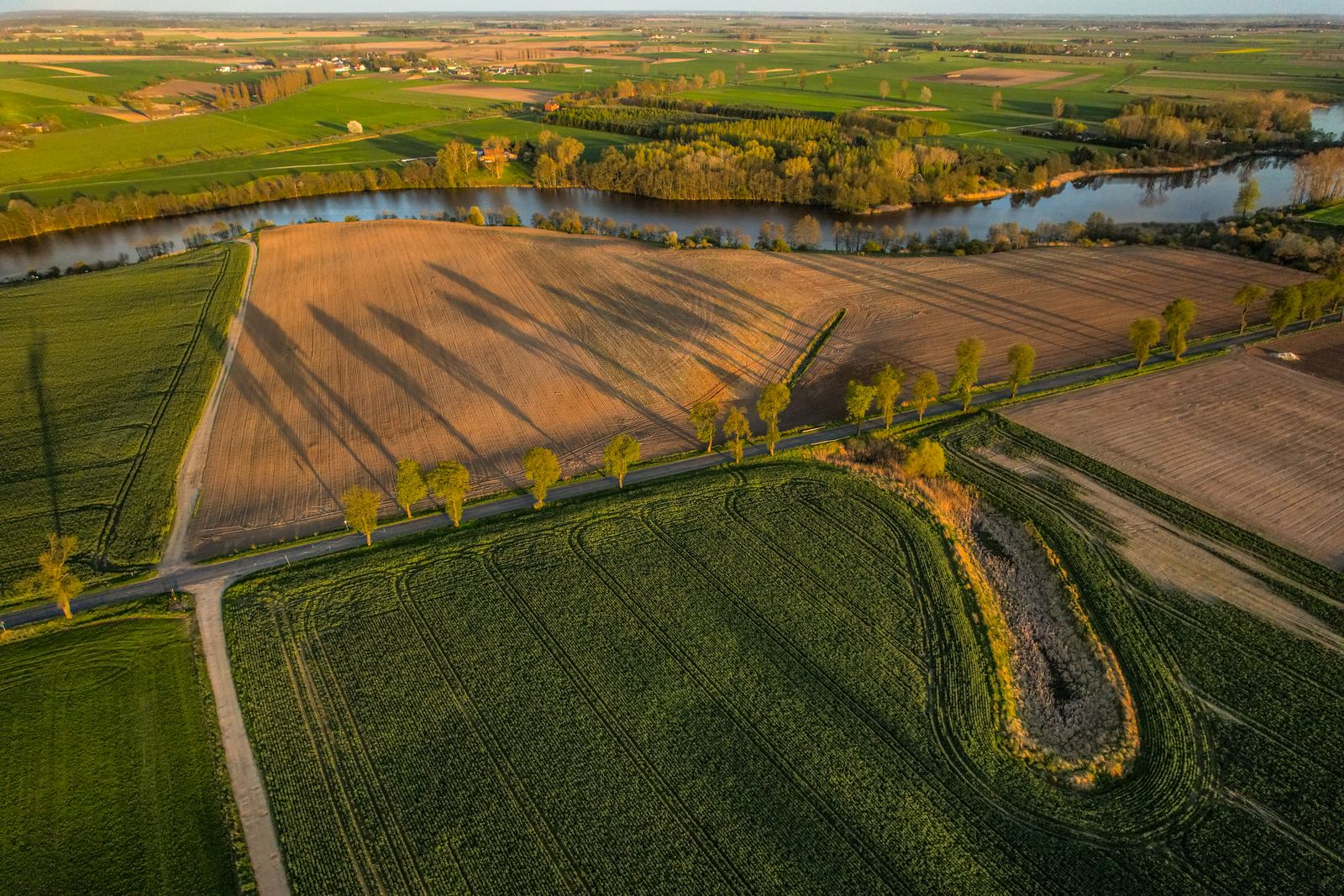
Look for Evidence of Previous Flooding
Maps are useful, but the property itself may also provide important information.
During a viewing, I pay attention to the surrounding land as well as the house.
Potential indicators worth investigating include:
Water staining in a basement or crawl space
Repeated repairs to lower-level finishes
Erosion or deposited debris along the shoreline
Drainage channels leading toward the home
Low areas where water may collect
Sump pumps or drainage systems
Evidence of previous shoreline protection work
Changes in grading around the foundation
None of these automatically proves that a property has experienced damaging flooding.
A sump pump, for example, may simply be part of an appropriate drainage system.
But these features can justify additional questions.
Ask whether the seller is aware of previous flooding, water intrusion, erosion or insurance claims.
Where appropriate, a home inspector, drainage specialist, engineer or other qualified professional can help assess concerns.
A property that looks dry during a summer viewing may behave very differently during spring runoff or a major rainstorm.
Shoreline Erosion Can Change a Property Over Time
Waterfront land isn't always static.
Waves, currents, ice, storms and changing water levels can gradually alter the shoreline.
Some properties have rocky shorelines that are relatively resistant to erosion.
Others have softer soil, steep banks or exposed areas where erosion may be more noticeable.
This can affect more than the appearance of the property.
Over time, erosion may threaten:
Buildings located close to the shoreline
Decks, stairs and walkways
Driveways and access routes
Septic systems
Landscaping and retaining structures
The amount of usable land
Existing retaining walls, rock protection or other shoreline structures should also be examined.
Their presence doesn't necessarily mean the shoreline is permanently protected.
Repairs or new shoreline protection work may require permits or professional design.
For oceanfront buyers, Nova Scotia provides a Coastal Hazard Map and a property-specific Coastal Hazard Assessment Report service.
These can be useful starting points, but they aren't substitutes for a site-specific professional assessment when erosion is a serious concern.
A beautiful waterfront location today should also be evaluated for how it may change in the years ahead.
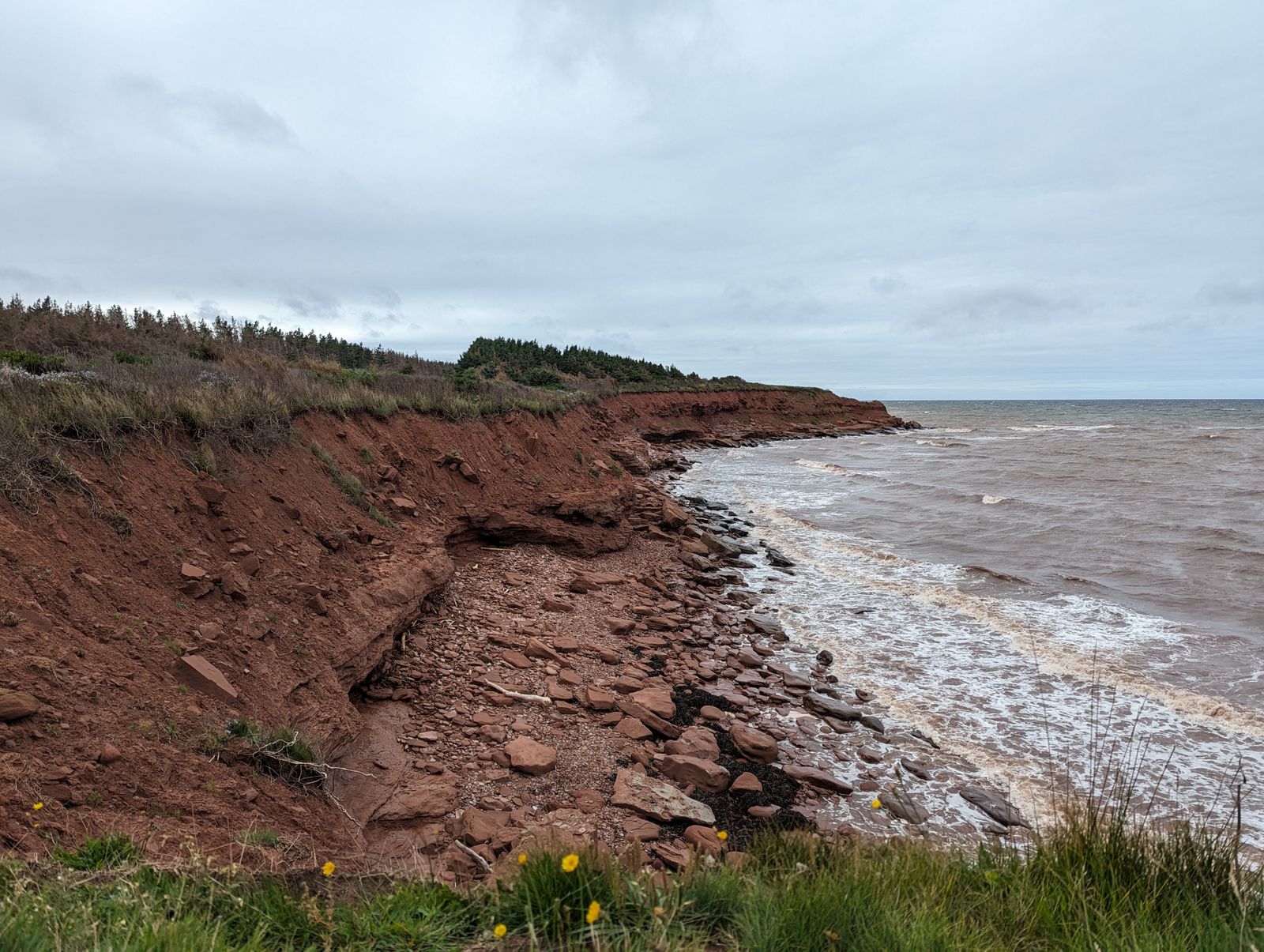
Insurance Can Be More Complicated Near Water
Home insurance is another important part of waterfront due diligence.
A standard home insurance policy doesn't necessarily cover every type of water-related damage.
For example, coverage for sewer backup, overland flooding and coastal flooding may be treated differently depending on the insurer and policy.
Some types of coverage may be optional, restricted or unavailable for certain properties.
Insurance companies may consider factors such as:
Distance from the shoreline
Property elevation
Flood history and mapped risk
Proximity to rivers or other watercourses
Construction type and foundation
Whether the property is seasonal or occupied year-round
Previous claims
Access for emergency services
An insurer may provide coverage for the home while excluding certain flood-related losses.
That distinction matters.
Having home insurance doesn't automatically mean every potential source of waterfront flooding is insured.
I encourage buyers to speak directly with an insurance broker or provider early in their purchase conditions.
Ask specifically what types of water damage are covered, what exclusions apply, whether deductibles differ and whether the insurer has any property-specific requirements.
If you're obtaining a mortgage, the lender will also need to be satisfied with the insurance arrangements.
An insurance problem can therefore become a financing problem.
Check Local Zoning, Building Setbacks and Development Restrictions
One of the biggest mistakes a waterfront buyer can make is assuming that owning the property means they can build wherever they want.
Municipal land-use bylaws may establish restrictions involving:
Minimum setbacks from shorelines or watercourses
Building setbacks from property boundaries
Minimum lot sizes
Building height and permitted uses
Development within floodplains
Construction on steep slopes
Accessory buildings, garages and boathouses
Renovations or expansions of existing buildings
Subdivision of waterfront land
Requirements vary by municipality, zoning designation and property.
A setback is generally the minimum required distance between a building or development and a specified boundary or feature.
On a waterfront lot, that feature may include a shoreline, watercourse or wetland.
A property may have a substantial amount of land on paper but a much smaller area where construction is permitted.
This is particularly important when buying vacant waterfront land or a cottage you hope to expand.
An existing building close to the water may also be subject to rules that limit reconstruction or expansion.
The fact that a building already exists doesn't automatically mean you can enlarge it, replace it in the same location or rebuild it after major damage.
Before relying on future development plans, I encourage buyers to contact the municipality's planning or development department and obtain property-specific guidance.
Depending on the proposed work, provincial or federal requirements may also apply.
Can You Build a Dock, Wharf or Shoreline Structure?
A dock can be a major attraction when purchasing waterfront property.
But installing or replacing one isn't always as straightforward as it appears.
Different rules may apply to:
Floating docks
Permanent docks and wharves
Boat launches
Shoreline stairs and access structures
Retaining walls and erosion protection
Dredging or shoreline excavation
Culverts and watercourse crossings
In Nova Scotia, alterations to the bed or bank of a watercourse, or to water flow, may require a provincial notification or approval.
Buyers planning shoreline work should review the Nova Scotia watercourse alteration requirements to understand when provincial authorization may be necessary.
Work involving submerged Crown land may require separate authorization.
Federal requirements may also apply to certain projects affecting navigation or fish habitat.
The exact requirements depend on the location and type of work.
If a property already has a dock, ask whether permits or other authorizations were required and obtained.
If you intend to install one, investigate the requirements before purchasing.
Don't assume that because neighbouring properties have docks, you will automatically be permitted to build one.
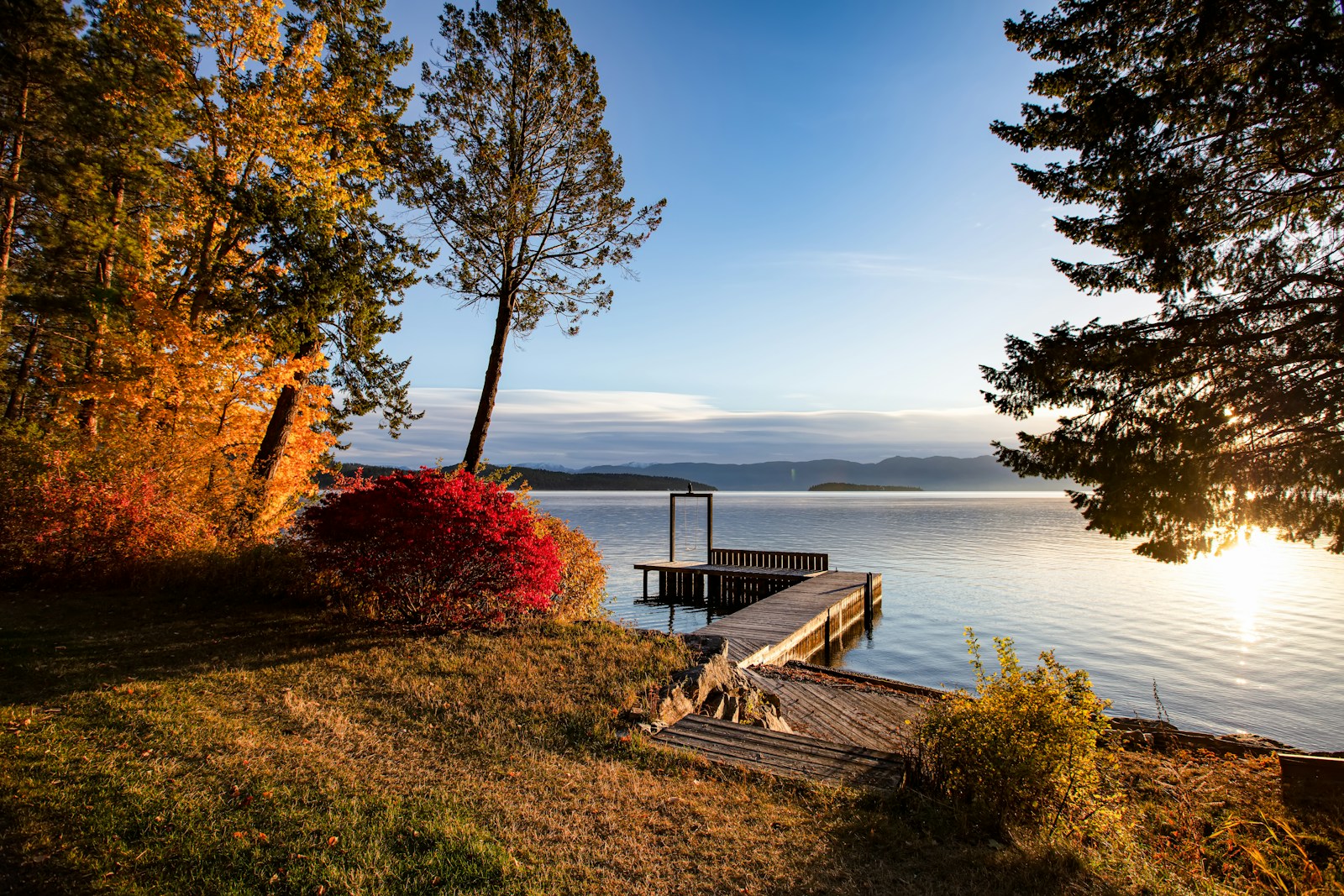
Wetlands and Environmentally Sensitive Areas Can Affect Your Plans
Not every part of a waterfront property is suitable for development.
Some lots include wetlands, marshes, seasonal drainage areas or other environmentally sensitive features.
These areas can play an important role in water filtration, wildlife habitat and floodwater storage.
They may also be subject to restrictions on filling, draining, excavation or construction.
A wet area that appears insignificant during a dry summer may be part of a larger wetland or drainage system.
If you're purchasing land with the intention of building, clearing or landscaping near the water, it's important to establish whether protected or regulated features are present.
A municipality, Nova Scotia Environment and Climate Change, or a qualified environmental professional may need to be consulted.
Septic Systems Deserve Special Attention on Waterfront Properties
Many waterfront homes and cottages in Nova Scotia use private septic systems.
Their location and condition can be especially important when the property is close to a lake, river or ocean.
A septic system generally includes a tank and a disposal area that treats wastewater through the surrounding soil.
Waterfront lots may present challenges involving:
Limited space between the house and shoreline
High groundwater
Shallow soil or bedrock
Poor drainage
Steep terrain
Older or undocumented systems
Difficulty locating a suitable replacement area
A system that appears to be functioning today may still create problems if it needs to be replaced.
For example, a small waterfront lot may have limited room for a new disposal field that meets current requirements.
That's why I encourage buyers to investigate not only the condition of the existing system but also its location and available documentation.
A septic inspection can help identify concerns, but it doesn't automatically establish that a replacement system could be installed in the same location.
If the septic system fails in the future, where could a replacement system go?
That question is particularly important for small waterfront lots.
Investigate the Well and Drinking Water Supply
A waterfront location doesn't guarantee a reliable or safe drinking water supply.
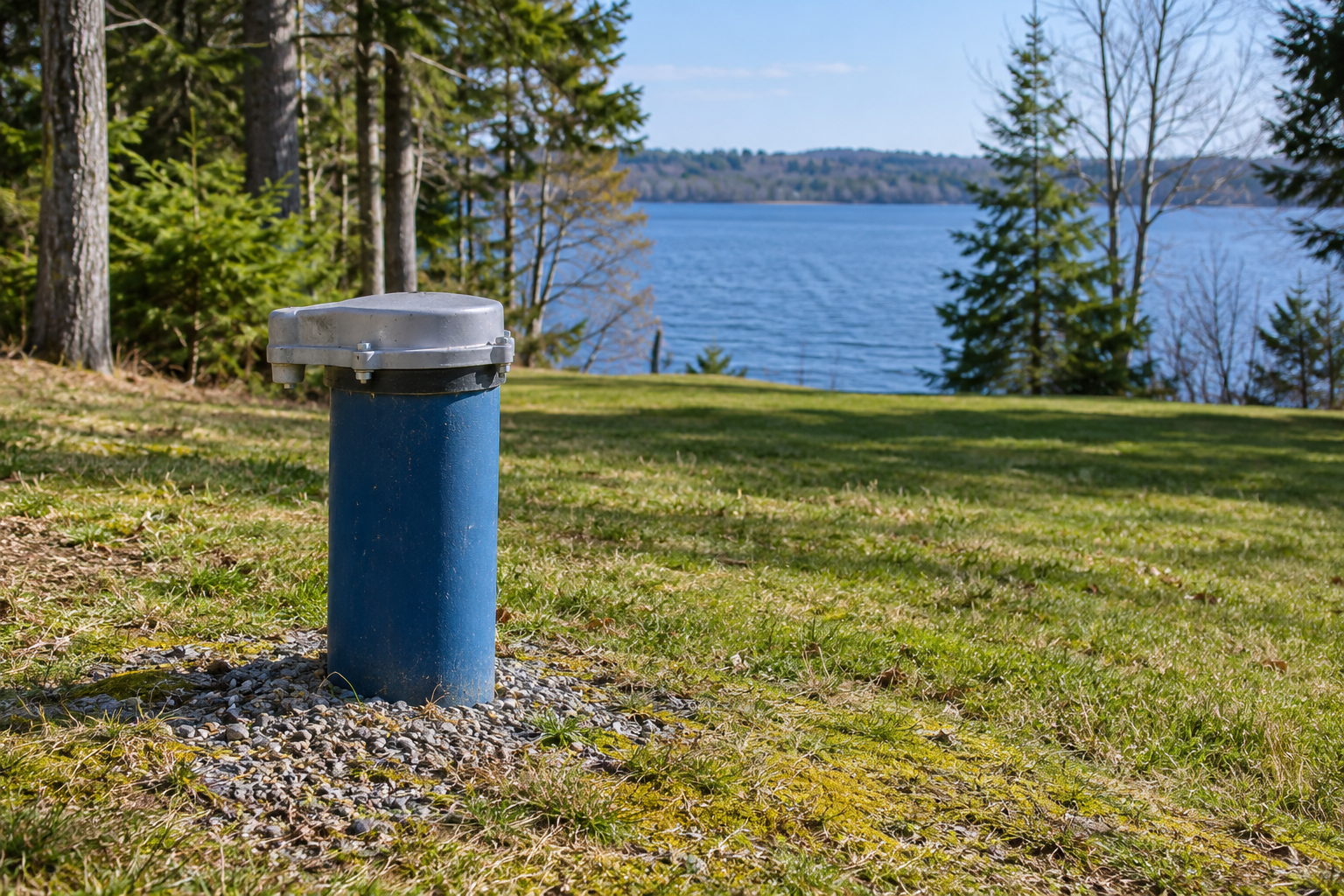
Many Nova Scotia waterfront properties rely on private wells.
Others, particularly older cottages, may draw water from a lake, river, spring or another surface-water source.
It's important to establish exactly where the household water comes from.
Private wells
Water testing is an important part of investigating a private drinking water supply.
Nova Scotia recommends testing private well water for bacteria every 6 months and chemical contaminants at least every five years. More frequent testing may be appropriate depending on the well's condition or potential contamination risks. Buyers can review Nova Scotia's well water testing recommendations for guidance on testing and interpreting results.
A satisfactory water test provides information about the sample collected at that time. It does not guarantee that water quality or quantity will remain unchanged.
For a drilled or dug well, buyers should investigate:
The type and location of the well
Available well records
Water quantity and recovery
Bacterial water quality
Chemical water quality
Proximity to septic systems and potential contamination sources
Whether the well has experienced shortages
Whether treatment equipment is installed
Waterfront properties can have additional concerns where groundwater interacts with nearby surface water.
Low-lying areas may also be more vulnerable to contamination during flooding.
Along coastal properties, saltwater intrusion can sometimes affect groundwater supplies.
Testing for chloride and related indicators may be appropriate where saltwater intrusion is suspected.
In Nova Scotia, naturally occurring substances such as arsenic, uranium and manganese are also important considerations for private well owners.
Lake, river or spring water
Some cottages use water drawn directly from a lake, river or spring.
This should not be treated as equivalent to a properly constructed private well.
Surface water can contain bacteria, parasites and other contaminants, even when it looks clear.
A surface-water supply intended for household drinking water generally requires appropriate filtration, disinfection, testing and ongoing maintenance.
The source may also be affected by seasonal water levels, drought or freezing.
When I'm helping buyers consider a property with an unconventional water supply, I encourage them to involve a qualified water-treatment professional and confirm that the system can reliably provide water suitable for its intended use.
Being surrounded by water doesn't mean you have an adequate supply of safe drinking water.
Is the Property Accessible Year-Round?
Some of Nova Scotia's most attractive waterfront properties are located along private roads or seasonal access routes.
That can be part of their appeal, but it also deserves investigation.
Questions include:
Is the road publicly maintained or privately owned?
Who is responsible for grading, repairs and snow removal?
Is there a formal road maintenance agreement?
Are there annual fees?
Is access legally registered?
Can emergency vehicles reach the property?
Is the road vulnerable to flooding or washouts?
Are bridges or culverts maintained?
Can the property be accessed during winter?
A cottage that is easy to reach in July may be more challenging during a February snowstorm.
If you plan to live there year-round, reliable access becomes particularly important.
Road conditions and legal access can also affect insurance and financing.
Understand Seasonal Water Levels and Recreational Use
Waterfront properties often look their best during the summer.
But water levels can change significantly throughout the year.
On lakes and rivers, spring runoff and heavy rainfall can raise water levels.
During dry periods, water may recede, exposing mud, rocks or shallow areas.
On tidal waterfront, the shoreline may look completely different at high tide and low tide.
This is especially noticeable around the Bay of Fundy.
If swimming, boating or fishing is important to you, investigate the actual conditions.
Consider:
Water depth near the shore
Rocky, muddy or sandy bottom conditions
Currents and tidal movement
Seasonal weeds or aquatic vegetation
Water quality and swimming advisories
Boat access at different water levels
Whether the water is suitable for the type of boat you intend to use
Winter ice conditions
Nearby recreational activity and noise
A property with a beautiful view may not provide the swimming or boating experience you expect.
When possible, I encourage buyers to see the shoreline under different conditions rather than relying entirely on listing photographs.
Existing Buildings and Cottages May Have Additional Limitations
Many older homes and waterfront cottages were built decades ago, sometimes under different building standards or planning requirements.
Some were originally designed for seasonal use and later converted for year-round living.
That history can raise questions involving:
Insulation and heating
Foundation construction
Plumbing and freeze protection
Electrical systems
Septic capacity
Permits for additions or renovations
Legal use and occupancy
Insurance eligibility
Mortgage financing
An attractive renovated cottage isn't automatically suitable for year-round use.
If you're planning to convert a seasonal cottage into a permanent residence, investigate the building, services and applicable municipal requirements before assuming that conversion is possible.
Consider Ongoing Maintenance and Long-Term Costs
Waterfront ownership may involve maintenance that isn't typical of an inland property.
Depending on the location, this could include:
Shoreline vegetation management
Dock removal and installation
Maintaining shoreline stairs or walkways
Erosion monitoring
Drainage and culvert maintenance
Salt-related corrosion
Repairs to private roads
Maintaining water-treatment equipment
Septic system maintenance
Higher or more specialized insurance costs
Not every waterfront property will have these expenses.
However, buyers should understand which responsibilities apply to the property they're considering.
A relatively inexpensive cottage can become costly if major shoreline, access or infrastructure work is required.
Questions to Ask Before Buying Waterfront Property
Before removing your purchase conditions, I encourage buyers to work through questions such as these:
Does the property legally include waterfront frontage, or is access shared or provided through an easement?
Are the boundaries and shoreline ownership clear?
Has the property experienced flooding, erosion or water intrusion?
Is it within a mapped flood-risk or coastal hazard area?
What flood-related losses are covered or excluded by insurance?
Are there municipal shoreline setbacks or restrictions on construction?
Can existing buildings legally be expanded or replaced?
Are permits required for a dock, wharf, retaining wall or shoreline work?
Are there wetlands or other regulated environmental features?
Where are the septic tank and disposal field located, and is there room for a replacement system?
What is the drinking water source, and has it been properly tested?
Is there reliable legal and physical access throughout the year?
How do seasonal water levels affect the shoreline and recreational use?
Are existing structures and improvements properly authorized?
Are there ongoing maintenance costs or responsibilities that aren't immediately obvious?
Not every property will require the same level of investigation.
A modern year-round home on a large lakefront lot may present different concerns from an older cottage on a narrow tidal shoreline.
The goal is to identify the questions that matter for the specific property.

Waterfront Living Can Be Wonderful — When You Understand What You're Buying
Waterfront property can offer an exceptional lifestyle.
Whether you're looking for a lakefront cottage, a riverfront home in the Annapolis Valley or a property overlooking the Bay of Fundy, the setting may be one of the biggest reasons you're interested.
But the most important details aren't always visible during a showing.
Flood exposure, erosion, legal boundaries, insurance, drinking water, septic systems and development restrictions can all affect how you use and maintain the property.
When I'm helping buyers explore waterfront properties in Nova Scotia, I encourage them to investigate these issues early and involve the appropriate professionals when additional information is needed.
A waterfront property doesn't need to be free of every potential concern. You need to understand the risks, restrictions and responsibilities before deciding whether it's the right property for you.
Part of the Buyer Resource Centre: Practical guides to help you prepare, evaluate a property and navigate the home-buying process in Nova Scotia.

Comments:
Post Your Comment: