

Buying a home involves more than finding the right property, arranging a mortgage and completing inspections.
You also need to know whether you can insure it.
For many buyers, home insurance seems like a straightforward final step. They expect to contact an insurance company, provide the property details, receive a quote and arrange coverage for closing.
Often, that's exactly what happens.
But some homes raise questions that aren't immediately obvious during a showing.
A home that's more than 100 years old, an aging oil tank, a wood stove, certain electrical systems, a deteriorating roof or even the property's location can affect the insurance available.
And if you're buying with a mortgage, an insurance problem can become a financing problem.
The time to discover an insurance concern is while you're investigating the property—not a few days before closing.
Why Home Insurance Matters Before Closing
Most mortgage lenders require acceptable property insurance before they will advance funds for a home purchase.
The insurance generally needs to be in place for the closing date and meet the lender's requirements.
If an insurer declines the property, requires work that cannot be completed in time, or offers coverage that doesn't satisfy the lender, closing could be affected.
Even when buying without a mortgage, appropriate insurance is an important part of protecting what may be one of your largest investments.
A common misconception is that if a home passes its inspection, obtaining insurance should be automatic.
It isn't.
A home inspection evaluates the visible condition of the property and its systems.
An insurance company assesses the risks it is prepared to insure, using its own underwriting requirements.
Those assessments can produce different conclusions about the same property.
An Insurance Quote Isn't Always Final Approval
There is an important difference between receiving an estimated premium and having an insurance company confirm that it will issue a policy.
An initial quote may be based on information you provide about the property.
The insurer may subsequently ask for photographs, inspection reports, details about heating systems, or confirmation of previous improvements.
In some situations, an insurer may require work before coverage begins or impose conditions that must be satisfied afterward.
A quote may also change if new information becomes available.
Before removing your purchase conditions, ask whether the insurer has sufficient information to accept the property and whether any outstanding requirements could affect coverage.
Knowing the estimated annual premium is useful. Knowing the home can actually be insured is more important.
Homes Over 100 Years Old Can Be More Difficult to Insure
Nova Scotia has an abundance of older homes, including many that are more than 100 years old.
These properties can offer beautiful architectural details, craftsmanship and character that are difficult to find in newer construction.
However, the age of a home can sometimes create additional challenges when arranging insurance.
Some insurance companies have specific underwriting guidelines for older properties, particularly homes that are 100 years old or more.
That doesn't mean these homes are uninsurable.
It does mean that insurers may want more information before agreeing to provide coverage.
They may ask about:
The age of the home and its construction
Whether the electrical system has been updated
The condition and age of the plumbing
The type and age of the heating system
When the roof was last replaced
Whether major renovations or structural improvements have been completed
Whether original building materials or unusual construction methods could make repairs more complicated
One important distinction is that the age of the home and the age of its major systems are not necessarily the same thing.
A home built in 1890 may have modern wiring, updated plumbing, a newer roof and a recently installed heating system.
Another home of the same age may still contain several original or outdated components.
Those two properties could be viewed quite differently by an insurance company.
Some insurers may decline older homes based on their underwriting guidelines, while others may offer coverage after reviewing the property's condition and improvements.
When I'm helping buyers consider a century home, I encourage them to contact their insurance provider early and provide as much information as possible about renovations and major system upgrades.
A home's age shouldn't automatically discourage you from buying it, but it should be part of your insurance investigation before you commit to the purchase.

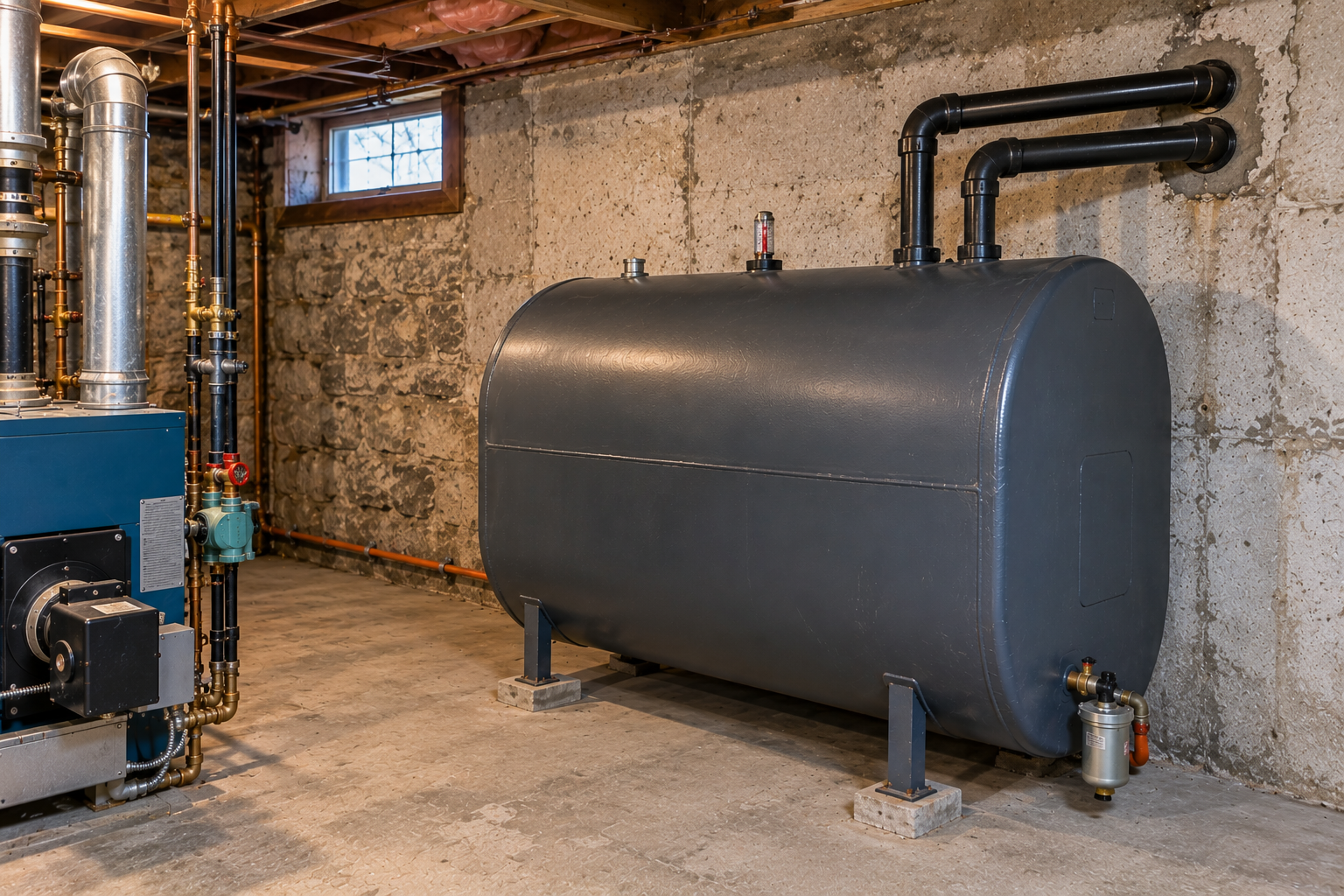
Oil Tanks Can Create Insurance Complications
Oil heating remains common in Nova Scotia, particularly in older homes.
An oil-fired furnace or boiler doesn't automatically make a property difficult to insure, but the oil storage tank can be an important consideration.
Insurance companies may ask:
How old is the tank?
Is it located indoors or outdoors?
Is it steel, fibreglass or another approved construction?
Is it a single-wall or double-wall tank?
Is there evidence of corrosion, damage or leakage?
Is documentation available showing when it was installed?
Some insurers apply age limits or other requirements to particular tank types.
A tank may appear to be functioning normally but still fall outside an insurer's guidelines.
For example, a buyer might discover that the insurer requires replacement of an older tank before issuing coverage.
That creates an unexpected expense and potentially a timing problem if closing is approaching.
If the property has oil heating, ask about the tank's age and installation history early, rather than assuming that a functioning heating system will be acceptable.
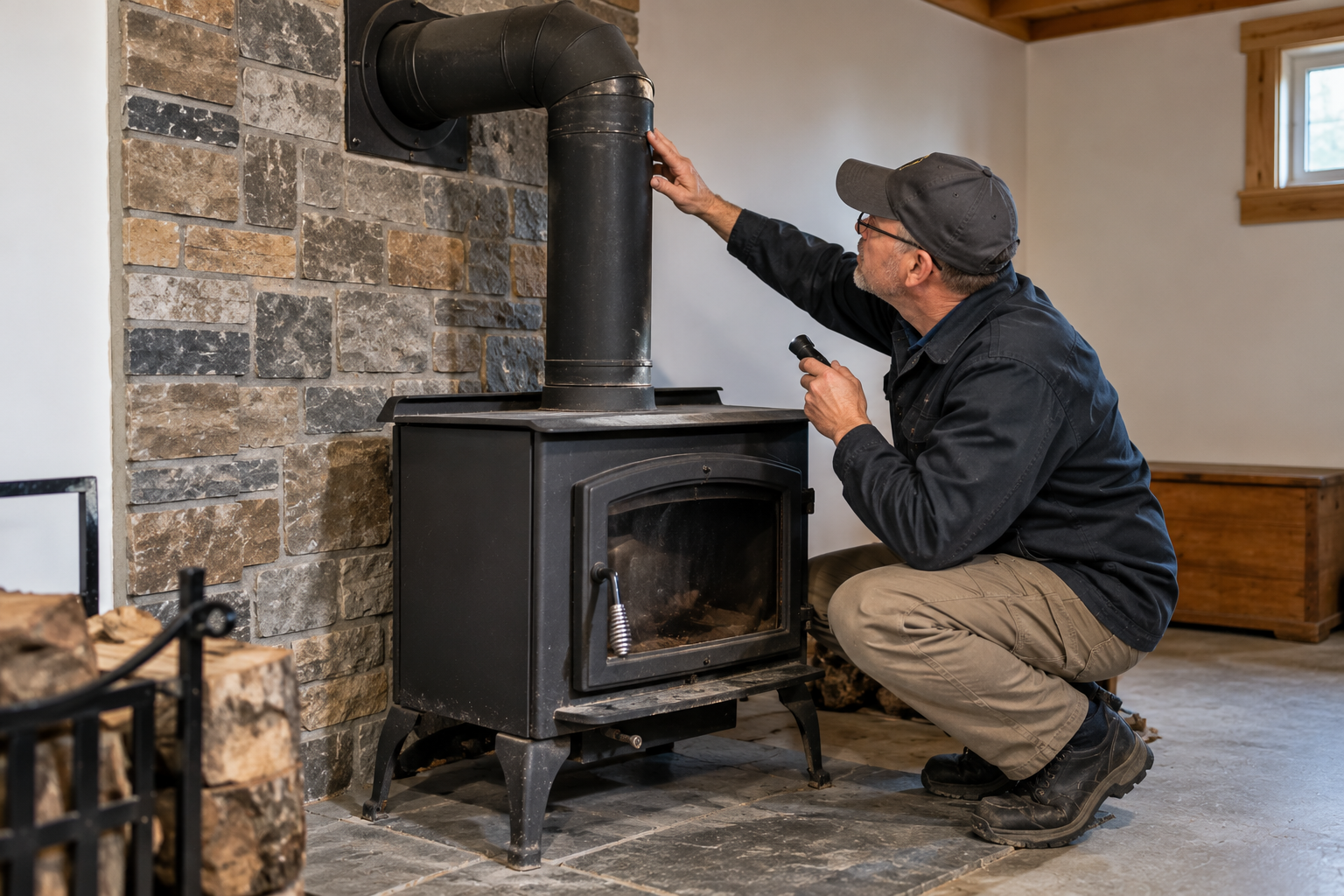
Wood Stoves, Fireplaces and Wood Furnaces May Require Additional Documentation
Wood-burning heating systems are common throughout rural Nova Scotia.
While wood stoves and fireplaces are often used for supplemental heating, some homes have wood-fired furnaces or boilers that provide much of the home's heat.
Other properties have combination heating systems, such as wood-and-oil furnaces.
These systems can be economical and practical, but they can also create additional insurance requirements.
One common requirement is a WETT inspection.
WETT stands for Wood Energy Technology Transfer. A WETT-trained professional can examine a wood-burning installation and document observations concerning its condition and installation.
Depending on the equipment, an insurer may require a WETT inspection for:
Wood stoves
Wood-burning fireplaces and fireplace inserts
Wood-fired furnaces
Wood-fired boilers
Combination wood-and-oil heating systems
Potential concerns include:
Clearance from combustible materials
Chimney and flue condition
Proper installation of the appliance
Floor and wall protection
Visible deterioration or unsafe modifications
Connections between heating appliances and the chimney
A WETT inspection isn't an insurance approval or a blanket certification that every aspect of an installation is compliant.
The insurer determines what documentation it will accept.
Some insurers may also ask whether wood is the primary or supplemental heating source.
When I'm helping buyers consider a property with wood-burning equipment, I encourage them to confirm the insurer's requirements early, particularly when a wood furnace or combination heating system is involved.
If a home has a wood stove, fireplace, wood furnace or other solid-fuel heating appliance, find out what the insurer requires before your purchase conditions expire.
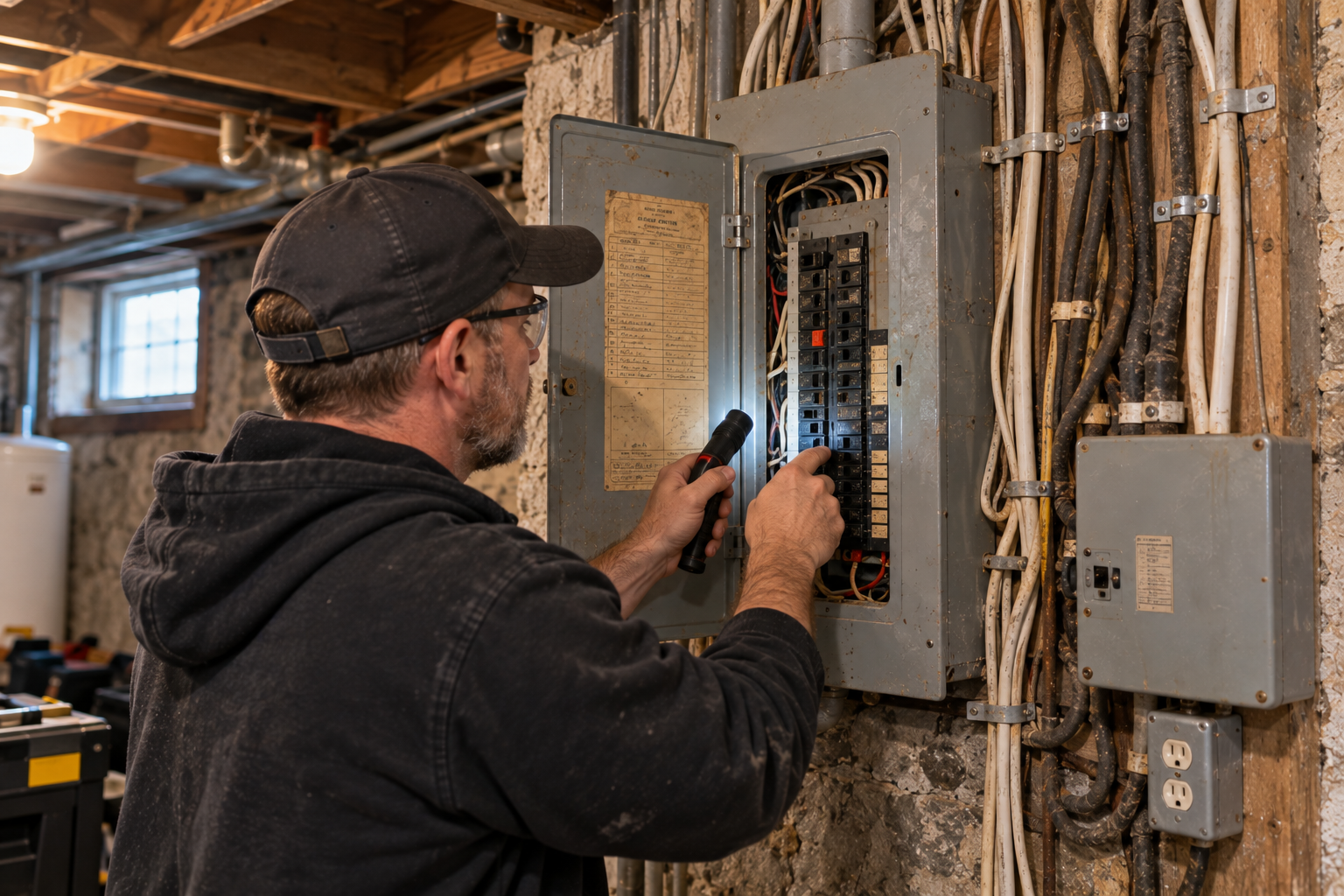
Older Electrical Systems Can Be a Concern
Nova Scotia has many older homes, including properties that have been renovated and expanded over several decades.
Some contain a combination of newer electrical components and older wiring.
Insurance companies may have concerns about:
Knob-and-tube wiring
Aluminum branch-circuit wiring
Older fuse panels
Certain electrical panel models with known safety concerns
Visible unsafe electrical installations
Electrical work that requires further professional assessment
Not every older electrical installation is automatically unacceptable.
For example, a properly maintained older system may be treated differently from one with evidence of overheating, damaged wiring or unsafe modifications.
An insurer may request an electrician's report or require specific upgrades.
It's also important not to assume that replacing an electrical panel automatically resolves concerns elsewhere in the system.
If an inspection identifies an electrical concern, I encourage buyers to have it assessed by a qualified electrician and confirm any insurance requirements before making a decision.
The insurance question is not simply whether the electricity works. It's whether the insurer considers the installation acceptable.
Roof Age and Condition Can Affect Coverage
A roof doesn't have to be new to obtain home insurance.
However, insurers may consider its age, roofing material, visible condition and history of leaks.
Missing shingles, significant deterioration, damaged flashing or evidence of ongoing water intrusion may create concerns.
Depending on the circumstances, an insurer might:
Request additional information
Require repairs or replacement
Apply limitations to certain coverage
Offer different settlement terms for roof damage
Decline coverage until the issue is addressed
It's also worth understanding that insurance is not a maintenance plan.
A roof reaching the end of its useful life doesn't automatically qualify for replacement through an insurance claim.
Coverage generally depends on the cause of damage and the policy's terms.
If the roof is older, ask the seller about its replacement history and discuss the information with your insurance provider.
Don't rely on an estimated roof age alone if the insurer needs more specific documentation.
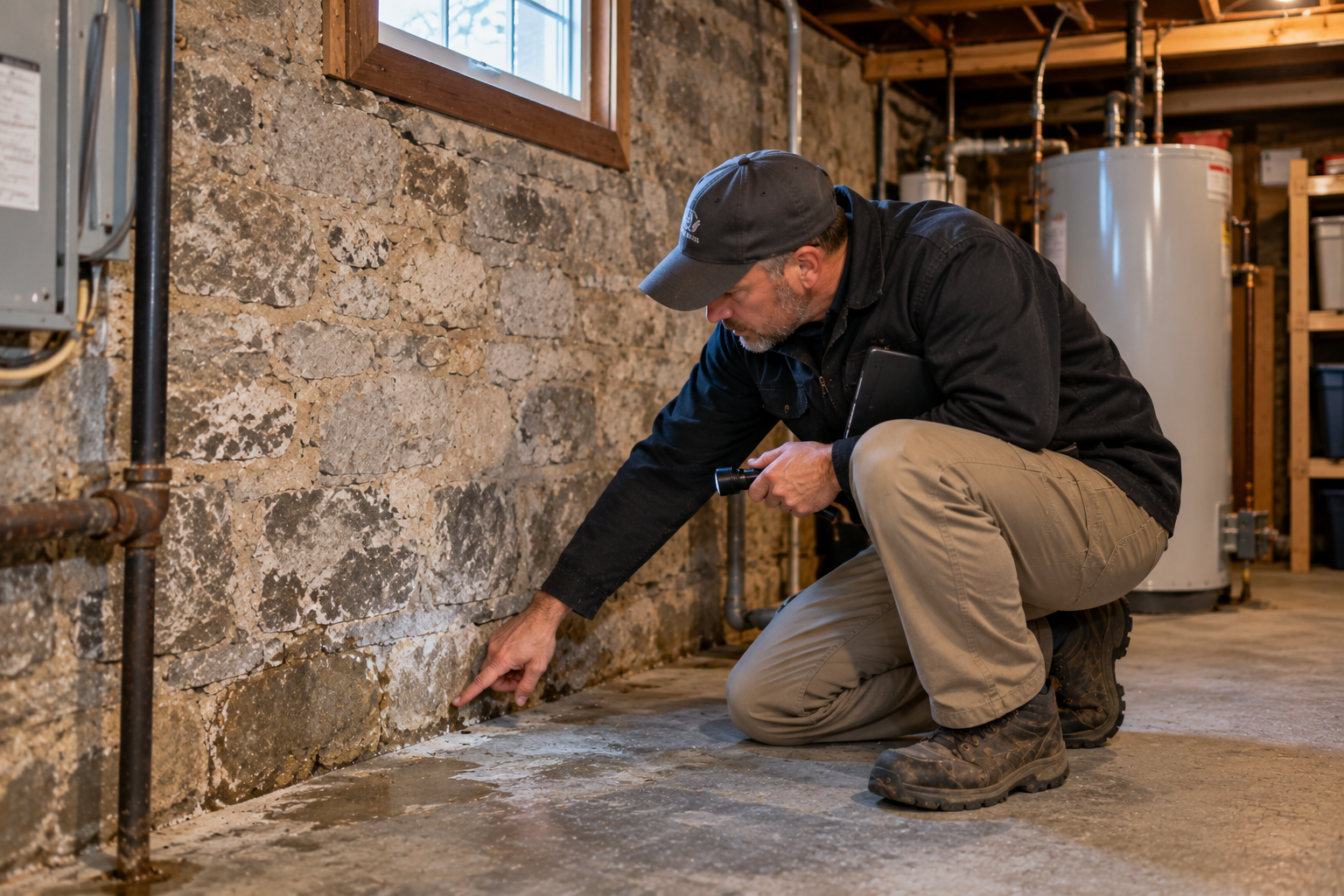
Previous Water Damage and Plumbing Problems
Water damage can be expensive, and insurers often pay particular attention to a property's water-related risks.
Concerns may include:
Previous basement flooding
Recurring water intrusion
Older or deteriorated plumbing
Past water-damage claims
Evidence of unresolved leaks
Drainage or sewer backup problems
A previous claim doesn't automatically mean the property is uninsurable.
The nature of the incident, whether repairs were completed, and whether the underlying cause was corrected can all matter.
It's also important to distinguish between different types of water coverage.
Damage from a sudden plumbing failure may be treated differently from sewer backup, overland flooding or coastal flooding.
These risks aren't necessarily covered in the same way, and some coverage may be optional, restricted or unavailable for a particular property.
Ask what is actually covered rather than assuming that a policy described as comprehensive includes every kind of water damage.
Rural Homes May Have Different Insurance Considerations
Living in the country is one of the attractions of buying in the Annapolis Valley and other parts of Nova Scotia.
More land, privacy and distance from neighbouring properties can be appealing.
But location can affect insurance.
An insurer may consider:
Distance from a responding fire station
Availability of fire hydrants or other firefighting water sources
Access for emergency vehicles
Road conditions and accessibility
Construction materials
Heating systems and occupancy
A home located outside a community with municipal fire hydrants may be assessed differently from a similar home in town.
That doesn't mean rural homes are necessarily difficult to insure.
It does mean that insurance costs and requirements may differ, even between properties that otherwise appear similar.
Get a quote for the actual property rather than assuming the insurance cost will be comparable to your current home.
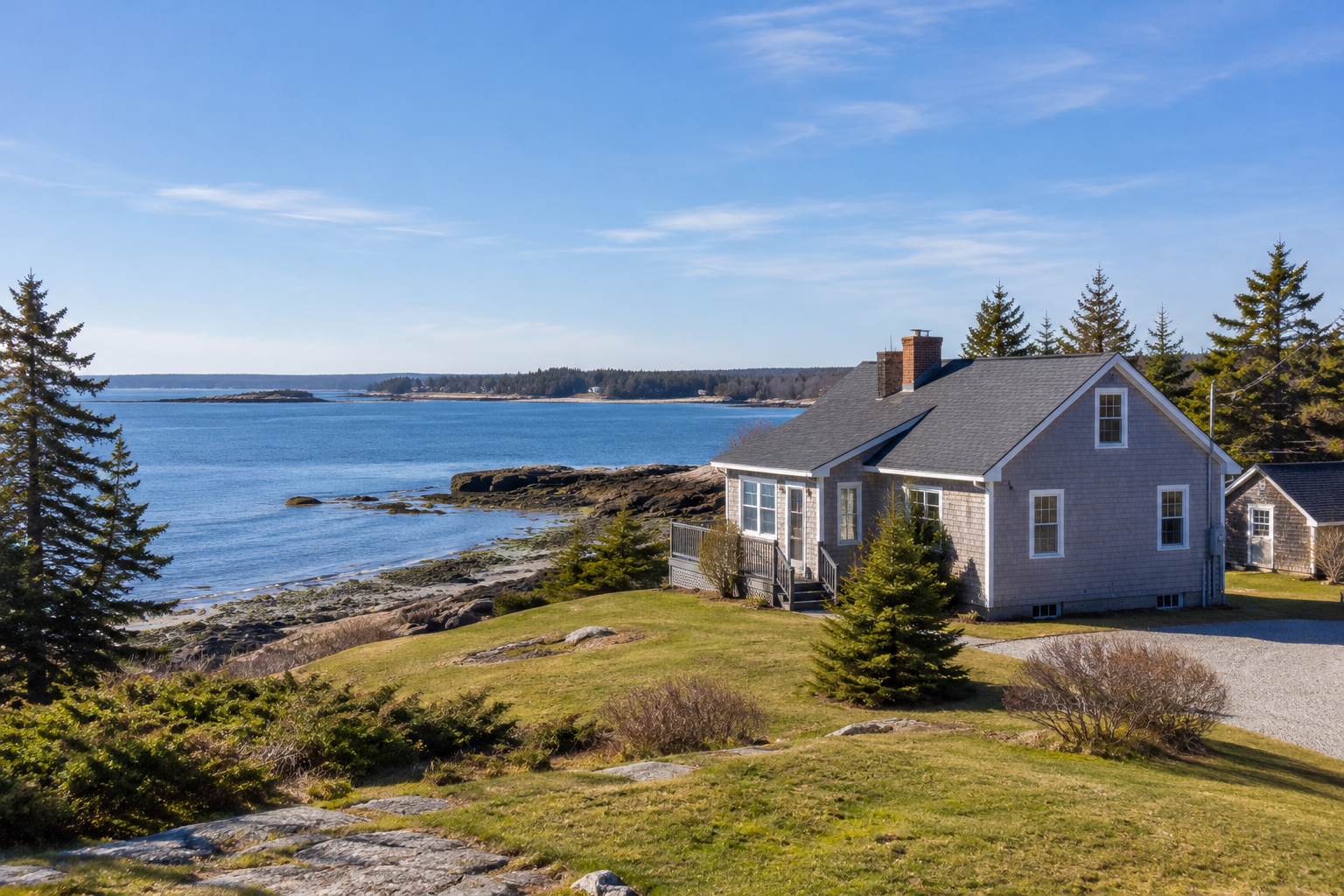
Coastal and Waterfront Properties Need Special Attention
Nova Scotia offers beautiful coastal, lakefront and riverfront properties.
But water access and scenic views can come with insurance considerations.
Depending on the location, insurers may assess exposure to:
Coastal flooding
Storm surge
Overland flooding
Erosion
Wind and storm damage
Previous water-related losses
Not every waterfront property faces the same risks.
A home elevated well above the shoreline may present different concerns from one located close to the water at a low elevation.
Waterfront properties can introduce additional insurance considerations, particularly around flooding, shoreline erosion and the property's location. My guide to buying waterfront property in Nova Scotia explains what buyers should investigate before committing to a purchase.Some risks may be excluded, while others may be available through additional coverage.
Before buying, ask the insurer to explain the relevant exclusions and limitations for the specific property.
Being able to obtain home insurance doesn't necessarily mean every risk associated with a waterfront location is covered.
Vacant Homes, Cottages and Renovation Properties
How you intend to use a property can be just as important as its physical condition.
An insurer may treat a year-round residence differently from:
A seasonal cottage
A property that will remain vacant
A home awaiting major renovations
A property undergoing substantial construction work
A home occupied only occasionally
Insurance companies commonly distinguish between a home that is temporarily unoccupied and one considered vacant under the policy.
Those distinctions can affect coverage.
This is particularly important for buyers relocating to Nova Scotia.
Perhaps you're purchasing several months before your move.
Maybe you plan to renovate before occupying the home.
Or perhaps you're buying a cottage that will only be used during part of the year.
Tell the insurer exactly how the property will be used, when you expect to occupy it and whether significant work is planned.
Don't assume a standard owner-occupied policy will automatically fit your circumstances.
What Happens If an Insurance Company Refuses the Property?
An insurance refusal can be unsettling, particularly after you've already invested time and money in inspections.
But one insurer declining a property doesn't necessarily mean no insurer will cover it.
Different companies have different underwriting requirements and risk tolerances.
Depending on the issue, possible next steps may include:
Providing additional property information
Obtaining a specialist inspection
Supplying documentation of previous repairs
Completing a required improvement
Contacting another insurance provider
Working with an insurance broker to explore other options
Sometimes the concern can be resolved relatively easily.
For example, the insurer may simply need confirmation of when an oil tank was installed.
Other situations may be more complicated.
An insurer might require a major electrical upgrade, roof replacement or correction of a heating-system concern.
These can involve substantial costs and may not be practical before closing.
Don't assume that agreeing to complete repairs after purchasing the home will satisfy the insurer. Get confirmation of what is required and when.
Can an Insurance Problem Affect Your Mortgage?
Yes.
If you're purchasing with mortgage financing, your lender will generally require acceptable property insurance.
A problem obtaining coverage may prevent the lender from advancing funds.
It's also possible for an insurer to offer a policy that doesn't meet the lender's requirements.
For example, a lender may have requirements concerning the insured amount, coverage type or how its interest in the property is recorded.
This is why buyers should keep their mortgage professional informed if an insurance issue arises.
A mortgage pre-approval doesn't guarantee that every property will meet the lender's requirements.
And a home that satisfies the lender's property assessment may still need to satisfy the insurance company's requirements.
Insurance is just one of several issues that can affect mortgage approval. I explain other potential complications in my article, Your Mortgage Is Pre-Approved — So Why Can Financing Still Fall Through?
Financing and insurance are separate parts of the purchase, but they can affect one another.
What If an Insurance Problem Is Found During Your Purchase Conditions?
Suppose you've had an offer accepted on an older home.
During your insurance inquiries, you discover that the insurer requires the oil tank to be replaced.
What happens next?
First, establish exactly what the insurer requires.
Is replacement mandatory before coverage begins?
Would another insurer accept the existing tank?
Is an inspection or additional documentation sufficient?
If replacement is necessary, what will it cost, and can the work be completed within the available time?
Once you understand the issue, you can consider your options under the Agreement of Purchase and Sale.
Depending on the circumstances, you might decide to proceed, investigate further, propose an amendment to address the concern, or determine that you're not comfortable continuing.
A seller isn't automatically required to complete work simply because an insurance company has requested it.
Any proposed change to the agreement is subject to the seller's acceptance.
The original condition deadline also remains important unless the parties agree to amend it.
Discovering an insurance problem doesn't automatically change the purchase agreement or extend your deadline.
When an insurance issue arises during a purchase, I help my buyers understand their options under the agreement, coordinate communication with the seller's representative, and keep track of important condition deadlines.
I can help navigate the real estate process, while the insurance professional determines coverage requirements and a lawyer provides legal advice when needed.

Don't Wait Until the Last Few Days Before Closing
One of the simplest ways to avoid an insurance surprise is to start the process early.
When I'm working with buyers, I encourage them to contact their insurance provider early in the conditions period, rather than waiting until closing approaches.
Provide accurate information about the property, including its heating systems, roof, electrical system and intended occupancy.
If the insurer needs additional documentation, there may still be time to obtain it.
If a problem arises, you may have time to investigate alternatives before deciding whether to proceed.
Waiting until closing is only a few days away can leave limited options.
This is especially important for buyers moving from another province who may be unfamiliar with some of the heating systems, property types and rural conditions commonly found in Nova Scotia.
Questions Worth Asking Your Insurance Broker
Before finalizing your purchase, consider asking:
Is this particular property acceptable to the insurer?
Are there concerns about the age of the home, heating system, oil tank, wood stove, electrical wiring or roof?
Will additional inspections or documentation be required?
Are any repairs or upgrades required before or after closing?
Are there coverage exclusions or limitations I should understand?
What water, flood, sewer backup and storm-related coverage is available?
Does the policy reflect how I intend to use and occupy the property?
What deductible will apply, including for weather-related losses?
Is the quoted premium subject to further underwriting review?
Can acceptable coverage be confirmed in time for closing?
An insurance broker may be able to compare options from multiple insurers, while a direct insurance provider can explain its own requirements.
The important thing is to understand the coverage being offered and any outstanding conditions.
The Home Inspection and Insurance Review Should Work Together
A home inspection can provide valuable information that helps with your insurance inquiries.
For example, the inspector may identify an older oil tank, a wood stove without available documentation, or electrical components that warrant further evaluation.
Those findings may prompt questions for the insurer.
Likewise, an insurance company may request information that wasn't part of the general home inspection.
Neither process replaces the other.
A home inspector doesn't approve insurance coverage.
And an insurance company doesn't provide a comprehensive home inspection simply because it agrees to issue a policy.
When I'm helping buyers, I encourage them to consider both the inspection findings and any insurance requirements before making their final decision.
Use both processes to understand the property before making your final purchase decision.
Don't Choose Insurance Based on Price Alone
It's natural to compare premiums.
But the least expensive policy isn't necessarily the most suitable one.
Two policies with different premiums may also have important differences in:
Coverage limits
Deductibles
Water damage protection
Exclusions
Replacement-cost provisions
Coverage for detached buildings
Requirements concerning occupancy or maintenance
For a rural home, waterfront property, older house or cottage, these differences can be particularly important.
Ask your insurance professional to explain the policy rather than comparing only the annual cost.
A lower premium may be attractive, but understanding what you're purchasing matters more.
Home Insurance Is Part of Understanding the Property
When buying a home, it's easy to focus on whether you like the layout, location and condition.
Those things matter.
But so does understanding what it will take to own and maintain the property.
A century-old home may require additional insurance investigation, even if it has been beautifully maintained.
An older oil tank may represent a future replacement expense.
A wood stove may require additional inspection.
A rural location may affect insurance costs.
A waterfront setting may come with coverage limitations that deserve careful consideration.
None of these automatically means the property is a poor purchase.
They are simply part of understanding what you're buying.
When I'm helping buyers purchase a home in Nova Scotia, I encourage them to investigate insurance early, particularly when a property has older systems, unusual features or a rural location.
An insurance concern doesn't automatically mean a home is a poor choice. What matters is understanding the requirements, potential costs and available options before making a final commitment.
If you're planning to buy a home in Nova Scotia, I'm always happy to help you work through the buying process, ask the right questions and connect with the appropriate professionals when additional information is needed.
The goal is to identify potential problems early, understand the requirements and make your decision with the right information.
Part of the Buyer Resource Centre: Practical guides to help you prepare, evaluate a property and navigate the home-buying process in Nova Scotia.

Comments:
Post Your Comment: