Start With These Guides

These three guides cover some of the financial issues that can affect a purchase even after you've started looking for a home—from changing property taxes to insurance and final mortgage approval.

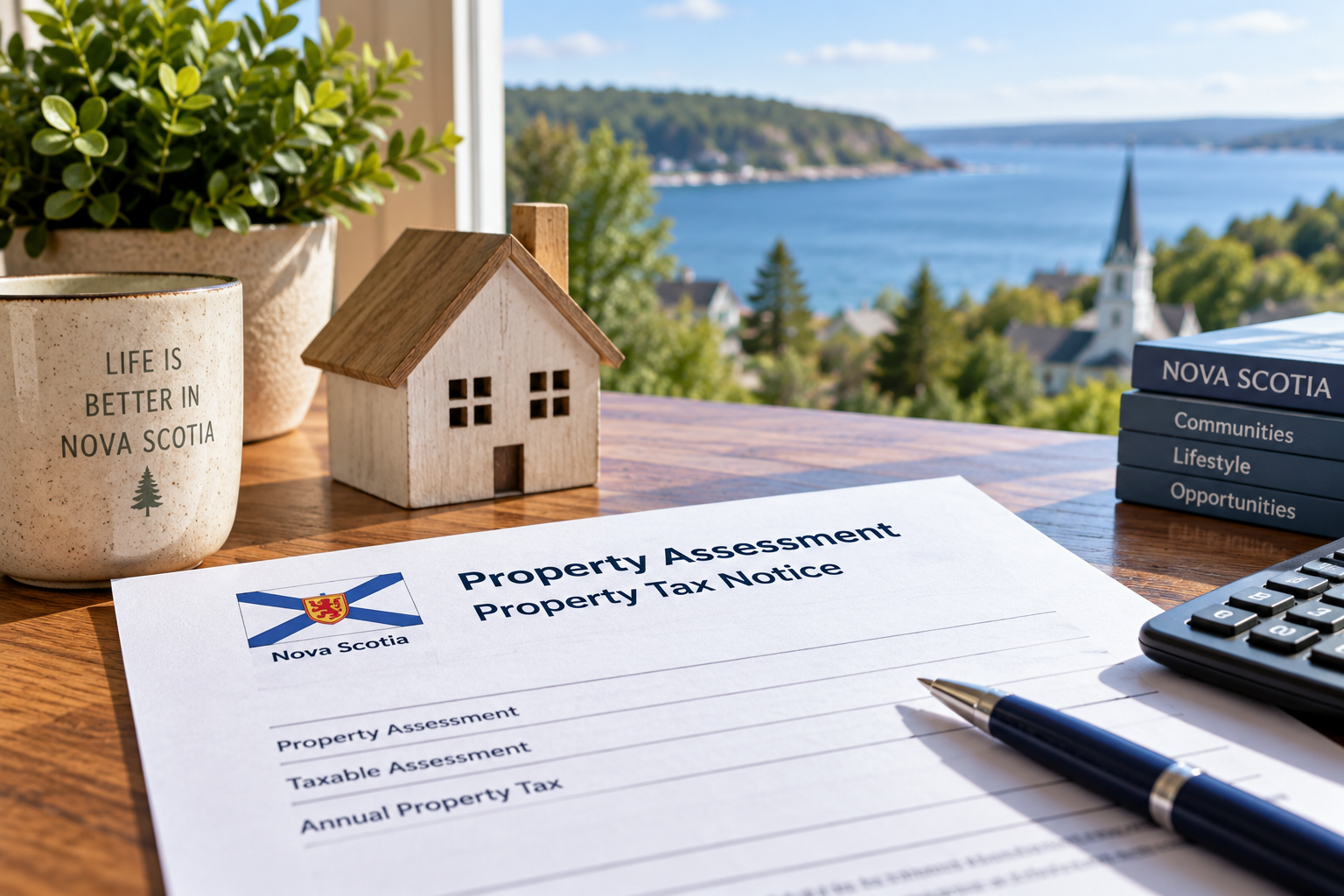
Nova Scotia's Property Tax CAP: What Home Buyers Need to Know

The property taxes a seller pays may not be the taxes you pay after purchasing the home. Learn how Nova Scotia's CAP works and why buyers should consider the property's potential taxable assessment.

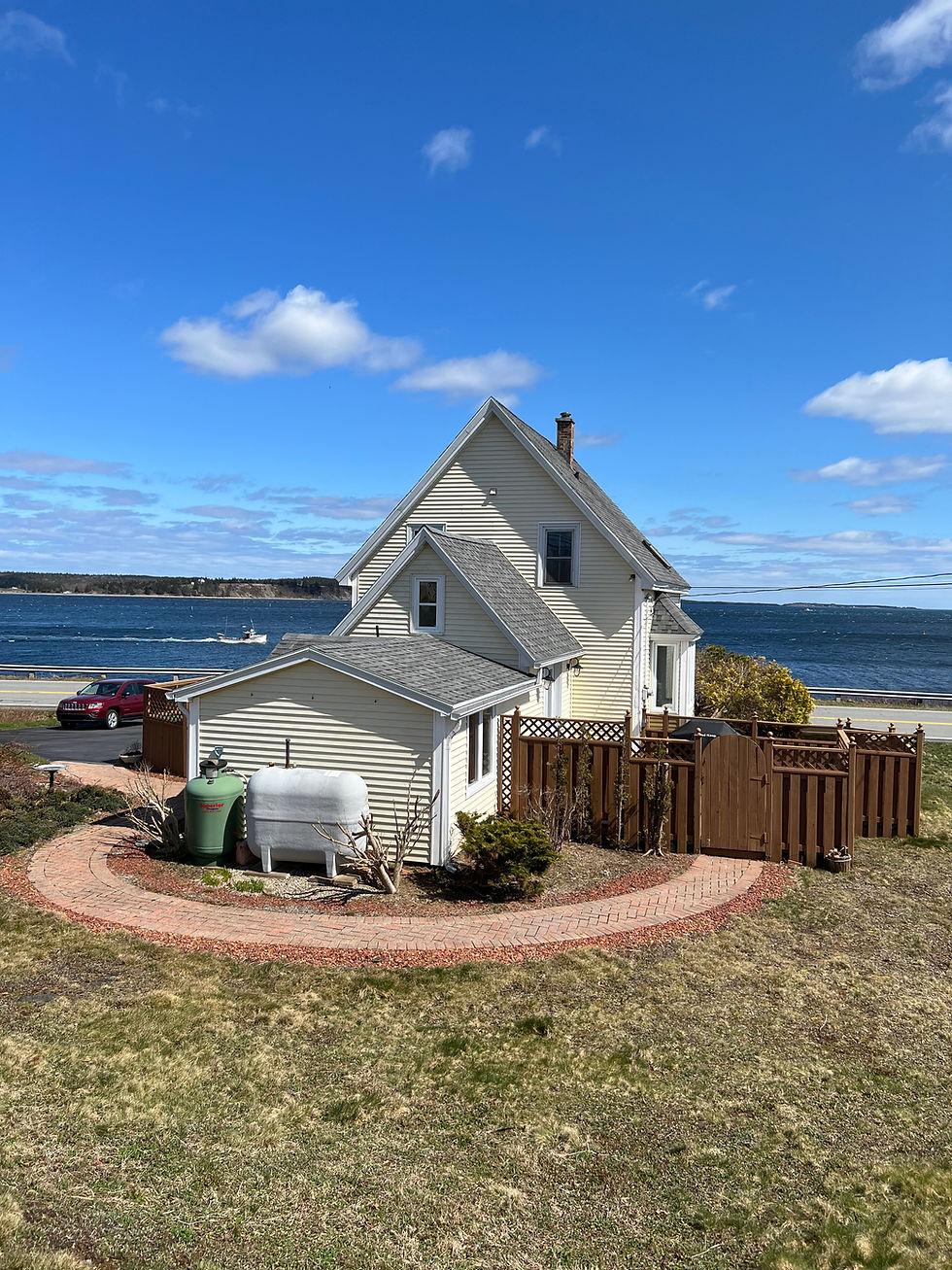
Well-maintained century home in Nova Scotia where buyers may need to investigate insurance requirements

Home Insurance When Buying in Nova Scotia: What Can Cause Problems?

Insurance isn't always automatic. Learn why features such as older electrical systems, oil tanks, wood heat, roofs and other property conditions can affect coverage.

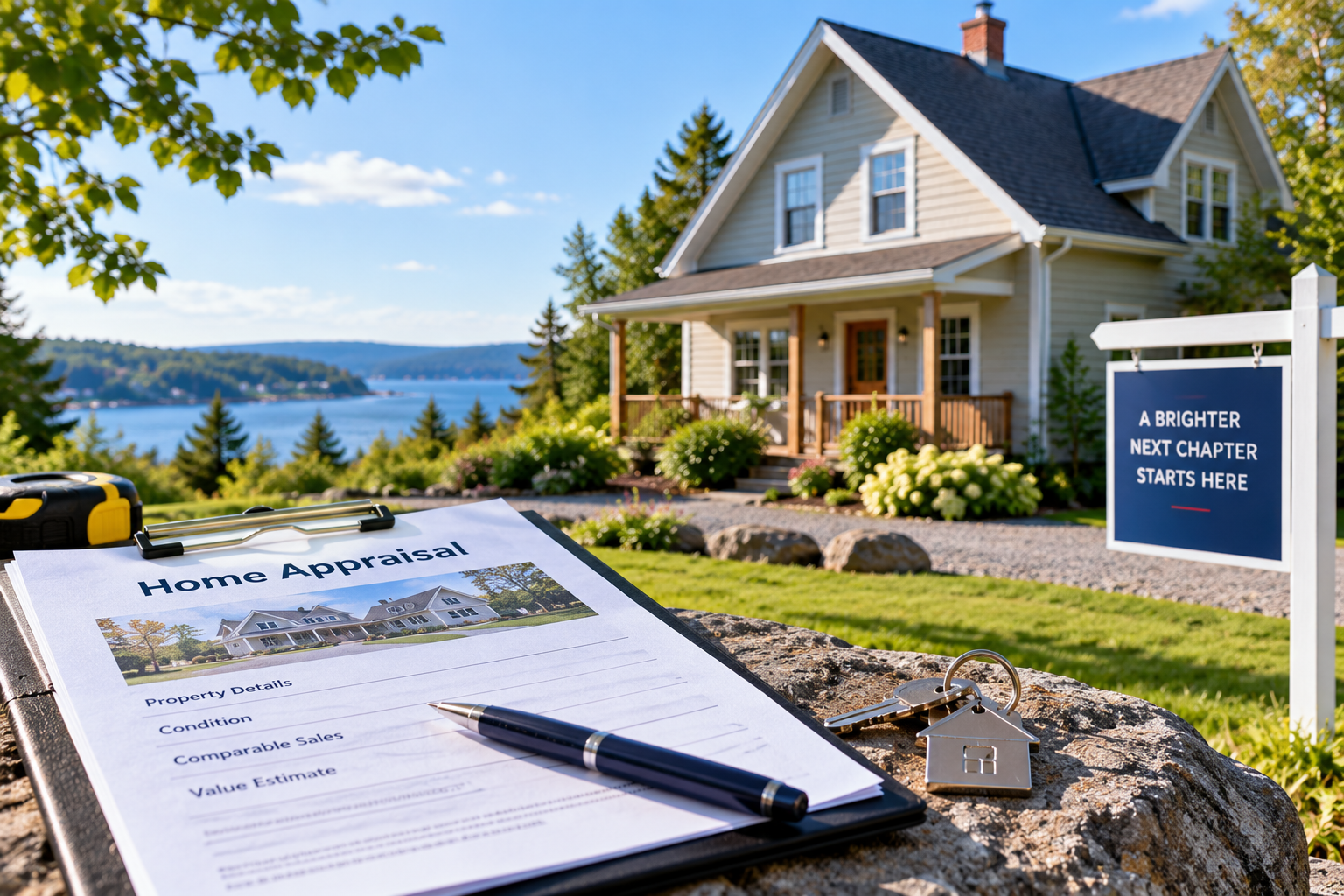
Your Mortgage Is Pre-Approved — So Why Can Financing Still Fall Through?

A mortgage pre-approval doesn't guarantee that every property will qualify. Learn why the home, appraisal, insurance and changes in your finances can still affect final approval.

Pre-Approval Is the Beginning, Not the Final Approval

A mortgage pre-approval can help you understand your potential price range, but it doesn't mean a lender has agreed to finance every property you may choose.

Once you have an accepted offer, the lender may need to review the property, purchase price and other information before providing final approval.

The Property Matters

The lender may consider the type, condition, location and intended use of the property. Some properties can be more difficult to finance than others.

The Value Matters

A lender may require an appraisal or other valuation. If the property's appraised value is lower than the purchase price, it can affect the amount the lender is prepared to finance.

Your Circumstances Still Matter

Changes to employment, debt, credit or other financial circumstances before closing can affect a mortgage application even after you've been pre-approved.

PRE-APPROVAL ISN'T THE SAME AS FINAL APPROVAL

Before You Remove a Financing Condition

  • Confirm your lender has reviewed the property.
  • Ask whether an appraisal is required.
  • Make sure insurance won't affect financing.
  • Avoid major financial changes before closing.
  • Understand whether the lender has any remaining conditions.

A financing condition gives buyers time to confirm the mortgage for both themselves and the property before becoming fully committed to the purchase.

Insurance Isn't Just Something You Arrange for Closing

Most buyers with a mortgage will need property insurance in place before closing. But the ability to insure a home—and sometimes the cost or conditions of that coverage—can depend on characteristics of the property itself.

A home that looks perfectly suitable during a showing may contain features an insurer wants more information about before agreeing to provide coverage.

Older Electrical Systems

Some electrical systems, panels or wiring may lead an insurer to ask for additional information, an inspection or upgrades.

Oil & Wood Heat

The age and condition of an oil tank, or the installation and certification of a wood-burning appliance, may affect an insurer's requirements.

Roof & Property Condition

Roof age, previous damage, vacancy, unfinished renovations and other property conditions can sometimes affect coverage or underwriting.

CHECK INSURANCE EARLY

Don't assume that because your current home is insured, the next one will be straightforward. Contact your insurance professional early enough to identify questions or requirements before your purchase conditions expire.

The Seller’s Property Tax Bill May Not Be Yours

When you're considering the ongoing cost of a home, the seller's current property tax bill can be useful information—but it doesn't necessarily tell you what you will pay after purchasing the property.

Nova Scotia's Capped Assessment Program (CAP) can limit annual increases in the taxable assessment of eligible properties. When a property is sold outside certain family transfers, that CAP is generally removed for the following assessment year. This can result in the new owner's taxable assessment being different from the seller's.

Assessment and Taxable Assessment Aren't Always the Same

A property's market assessment and the amount used to calculate its property taxes can be different when the CAP applies.

A Sale Can Change the Taxable Assessment

A buyer shouldn't assume the seller's current tax bill will simply continue after ownership changes.

Include Future Taxes in Your Budget

When comparing homes, consider what the property taxes could look like after the sale—not only what the current owner is paying today.

The current tax amount shown on a listing or property record reflects the seller's situation.

Before relying on that figure for your own budget, look at the property's assessment information and understand how a change in ownership may affect its taxable assessment.

Plan for More Than the Purchase Price

The price you agree to pay for a home is only part of the financial picture. Buyers may also have costs connected with completing the purchase, setting up the property and owning it after closing.

Knowing about these expenses before you buy can make it easier to build a realistic budget and avoid treating every available dollar as part of the purchase price.

Costs Around Closing

Depending on the purchase, buyers may need to budget for legal fees, inspections and testing, adjustments, deed transfer tax and other expenses associated with completing the transaction.

Getting the Home Ready

Moving expenses, utility setup, immediate repairs or maintenance and purchases for the new home can create additional costs shortly before or after closing.

Ongoing Ownership Costs

Property taxes, insurance, heating, electricity, water and wastewater services, maintenance and other expenses all contribute to what a home actually costs to own.

LEAVE ROOM IN THE BUDGET

Using your entire available budget for the purchase itself can leave little flexibility for closing costs, moving expenses or the unexpected things that often come with a new home.

A realistic home-buying budget should consider both what it costs to buy the property and what it will cost to own it.

Know Who to Ask About the Financial Details

Buying a home can involve several professionals, and each brings a different area of expertise. Your REALTOR® can help identify questions that may affect the transaction, but specialized financial, insurance and legal advice should come from the appropriate professional.

Mortgage Professional

Your lender or mortgage broker can explain financing options, approval requirements, appraisals and what may affect your final mortgage approval.

Insurance Professional

An insurance broker or provider can determine whether a property can be insured, what coverage is available and whether any conditions or upgrades are required.

Lawyer

Your lawyer can advise you on legal matters connected with the purchase, including title, closing adjustments and the transfer of ownership.

REALTOR®

Your REALTOR® can help you understand how these issues fit into the purchase, identify when additional information may be needed and help coordinate the real-estate side of the transaction.

ASK THE RIGHT PROFESSIONAL

A question about a home can sometimes cross several areas of expertise.

For example, an older oil tank might raise questions about:

Insurance — Will the insurer provide coverage?

Financing — Could insurance requirements affect the mortgage?

Inspection — What is the tank's condition?

Real Estate — How should the issue be addressed within the transaction?

Getting the right information from the right source can help you make a more informed decision.

Look at the Cost of the Home as a Whole

Two homes with similar purchase prices can have very different financial implications. Property taxes, insurance, heating, utilities, maintenance and the condition of major systems can all affect what a home costs to own.

That doesn't necessarily make one property better than another. It means the purchase price alone doesn't tell you whether a home fits comfortably within your budget.

Compare Ongoing Costs

Consider property taxes, insurance, heating and utilities alongside the mortgage payment when comparing properties.

Think About the Home's Systems

The age and condition of the roof, heating equipment, electrical system, well, septic system and other major components can influence future expenses.

Leave Room for Ownership

A budget that works comfortably on closing day should also leave room for maintenance, repairs and the normal costs that come with owning a home.

PRICE AND AFFORDABILITY AREN'T THE SAME THING

The right question isn't simply, “Can I buy this home?” It's also worth asking, “Does the overall cost of owning this home work for me?”

Special Property Types & Situations

WHERE TO GO FROM HERE

Financing, insurance and ownership costs can become even more important when the property you're considering is a little different from a typical home.

Waterfront properties, acreages, hobby farms, vacant land, seasonal properties and other less conventional purchases can introduce additional questions about financing, insurance, services, access and how the property can be used.

The next section of the Buyer Resource Centre looks at some of these property types and the additional things worth investigating before you buy.

Explore More Buyer Resources

CONTINUE EXPLORING

Understanding financing, insurance, taxes and ownership costs is one part of making an informed home-buying decision. Continue through the Buyer Resource Centre to explore different property types, what happens after an accepted offer and other questions that may come up along the way.

Buying or selling a home is more than just a transaction—it’s a life-changing experience. That’s why we are dedicated to providing exceptional, personalized service for every client we work with. Whether you’re a first-time buyer, upgrading to your dream home, or downsizing for the next chapter, our team brings local expertise, proven marketing strategies, and a commitment to achieving the best results for you.

We pride ourselves on building strong relationships based on trust, communication, and results. From the first conversation to the final handshake, we’ll be by your side to ensure a smooth, successful real estate journey.

×

Do you have questions?

Call or text today.
I am always here to help!

902-300-8674