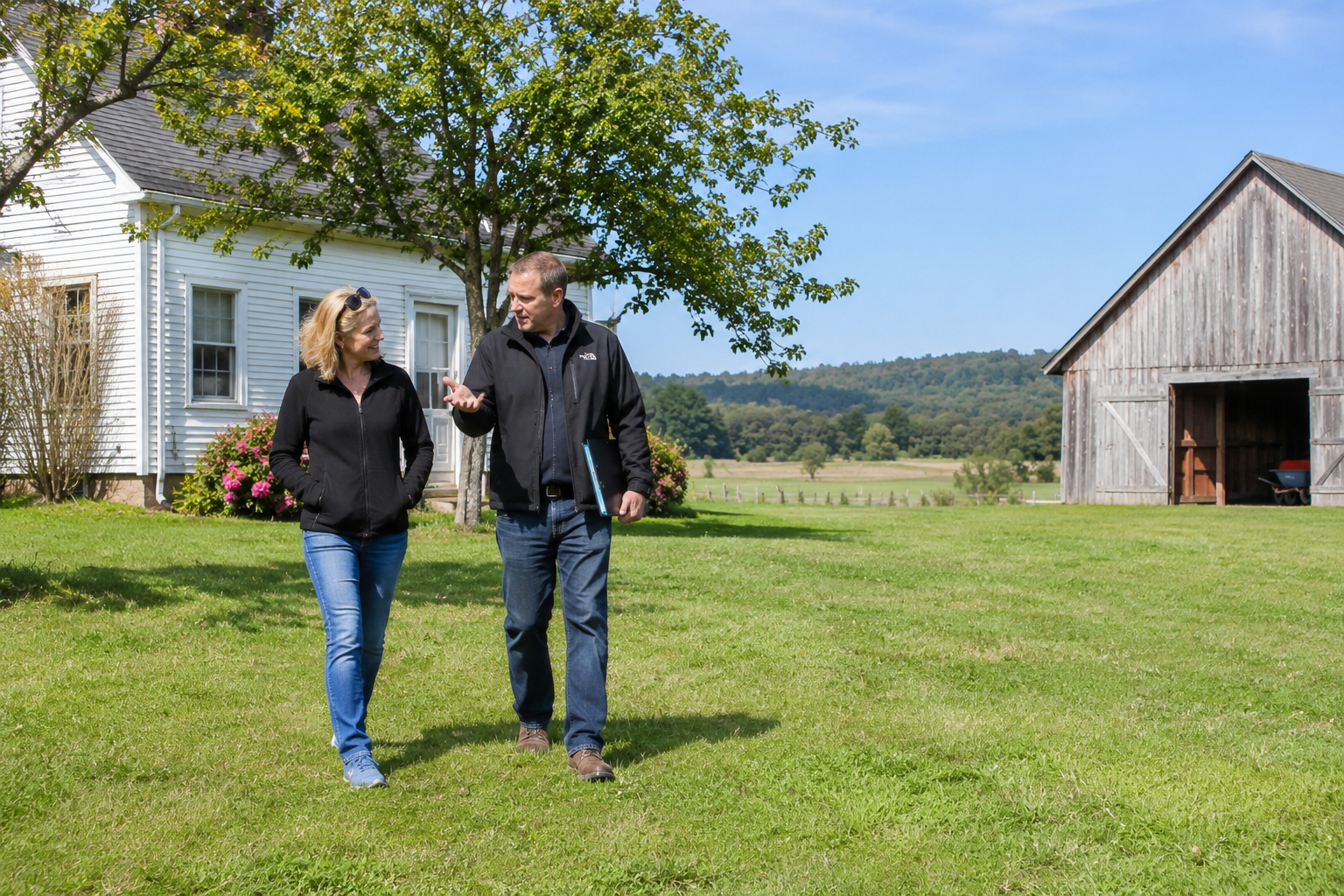
Buying vacant land in Nova Scotia can be an exciting opportunity. You might be looking for a place to build your next home, a quiet wooded property for recreation, a future retirement location or a larger parcel with room for a workshop, gardens and privacy.
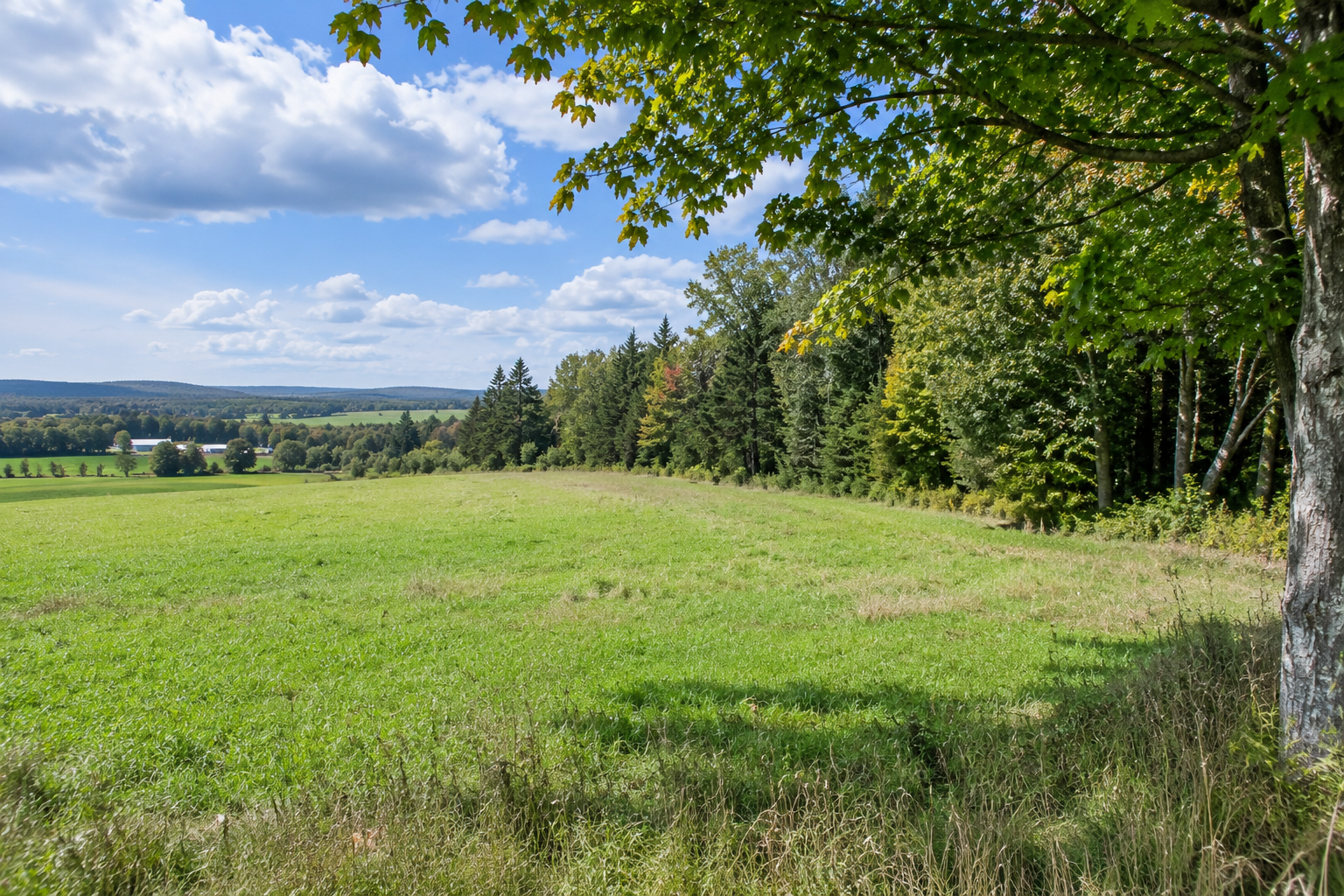
Across the Annapolis Valley and South Shore, vacant land ranges from small residential building lots to wooded acreage, former farmland and remote rural parcels.
But buying land is different from buying an existing home. With a house, you can inspect the building, test the water and evaluate many of the systems already in place. With vacant land, some of the most important features may not exist yet.
The challenge is determining whether the property can actually be used for what you have in mind, what approvals may be required and how much additional work will be needed.
When I'm helping buyers evaluate vacant land, I encourage them to look beyond the asking price and the number of acres. A property that appears affordable can become much more expensive once driveway construction, clearing, excavation, water, septic and electrical services are considered.
Start With Your Intended Use
Before looking at vacant land, identify what you want to do with the property.
Are you planning to build a year-round home? Would you like a seasonal cottage, a recreational retreat or a place to park an RV? Are you buying land for future construction, or do you hope to divide it into smaller lots?
These plans can involve very different requirements.
For example, a wooded property may be suitable for recreational use but difficult or expensive to develop into a residential building lot.
A parcel with road frontage may appear ready for a home, but that doesn't necessarily mean a driveway can be approved or a septic system installed.
Even relatively simple plans, such as placing a tiny home or recreational vehicle on a property, may be affected by local land-use rules.
The first question isn't just whether you like the land. It's whether the land can legally and practically accommodate your plans.
Is the Property an Approved Building Lot?
One of the most important distinctions is the difference between vacant land and land that can be developed for a particular purpose.
Terms such as building lot, approved lot and ready to build may appear in real estate listings, but buyers should investigate exactly what those descriptions mean.
An approved subdivision plan, for example, does not necessarily establish that every permit needed for your proposed home has been issued.
Depending on the property and municipality, development may involve:
Confirming the intended use is permitted
Meeting applicable zoning and building setbacks
Establishing legal and suitable road access
Obtaining required driveway authorization
Confirming water and wastewater servicing arrangements
Obtaining a building permit
Meeting environmental or other site-specific requirements
Nova Scotia's Building and Subdividing guidance explains that municipalities coordinate building and subdivision approvals, with other provincial agencies involved where necessary.
Before making a purchase decision, I recommend speaking with the municipal development or building department about the specific parcel and the type of structure you intend to build.
Ask what approvals already exist, what remains outstanding and whether there are any known restrictions that could affect your project.
Check Zoning and Development Restrictions
Zoning can affect how land is used, what can be constructed and where buildings may be located.
Rules vary across Nova Scotia, and requirements can differ between neighbouring communities or even nearby properties.
Depending on the location, you may need to investigate:
Permitted residential, recreational or agricultural uses
Minimum building setbacks
Building height or size restrictions
Additional dwellings or accessory buildings
Home-based businesses
Recreational vehicle and seasonal accommodation rules
Subdivision requirements
Special planning or environmental restrictions
Not every rural area has the same zoning framework, and the absence of a particular zoning restriction does not mean all development is automatically permitted.
If you're hoping to build a small home, place a manufactured home or establish a seasonal retreat, explain those plans specifically when contacting the municipality.
Don't rely solely on what neighbouring property owners have built. Their structures may have been approved under different rules or at another time.
Confirm the Property Boundaries and What You're Actually Buying
Vacant land can be difficult to evaluate without clearly established boundaries.
A clearing, fence, driveway, stream or tree line may give the impression of where the property begins and ends, but those features aren't necessarily legal boundaries.
Before buying, investigate:
Whether a survey plan is available
Whether the parcel has been surveyed recently
Whether boundary markers can be located
Whether the advertised acreage matches the available records
Whether there are encroachments or neighbouring uses
Whether the sale includes one parcel or multiple parcels
Whether easements or rights-of-way affect the land
Nova Scotia properties are commonly identified by a Property Identification Number, or PID. A PID helps identify a parcel in provincial property records, but it doesn't replace a legal survey.
The province's Property Online system provides land ownership information, property mapping and registered documents through its subscription-based service.
Online mapping can be useful for understanding the general shape and location of a parcel, but it shouldn't be treated as proof of precise boundary locations.
If the boundaries are important to your intended building location, driveway or future use, a Nova Scotia Land Surveyor may be needed.
Legal Access Is Not the Same as Physical Access
A property may appear accessible from a road or trail without having legally established access suitable for development.
This is particularly important for wooded parcels, back lots and properties reached by private roads.
Questions worth investigating include:
Does the property have direct frontage on a public road?
If access crosses another property, is there a registered right-of-way?
Does the right-of-way permit the intended type of access?
Who owns and maintains the private road?
Are there shared maintenance agreements?
Can construction vehicles and emergency services reach the proposed building site?
An existing path across neighbouring land doesn't automatically establish a legal right to use it.
Your lawyer should review title and access arrangements where there is uncertainty.
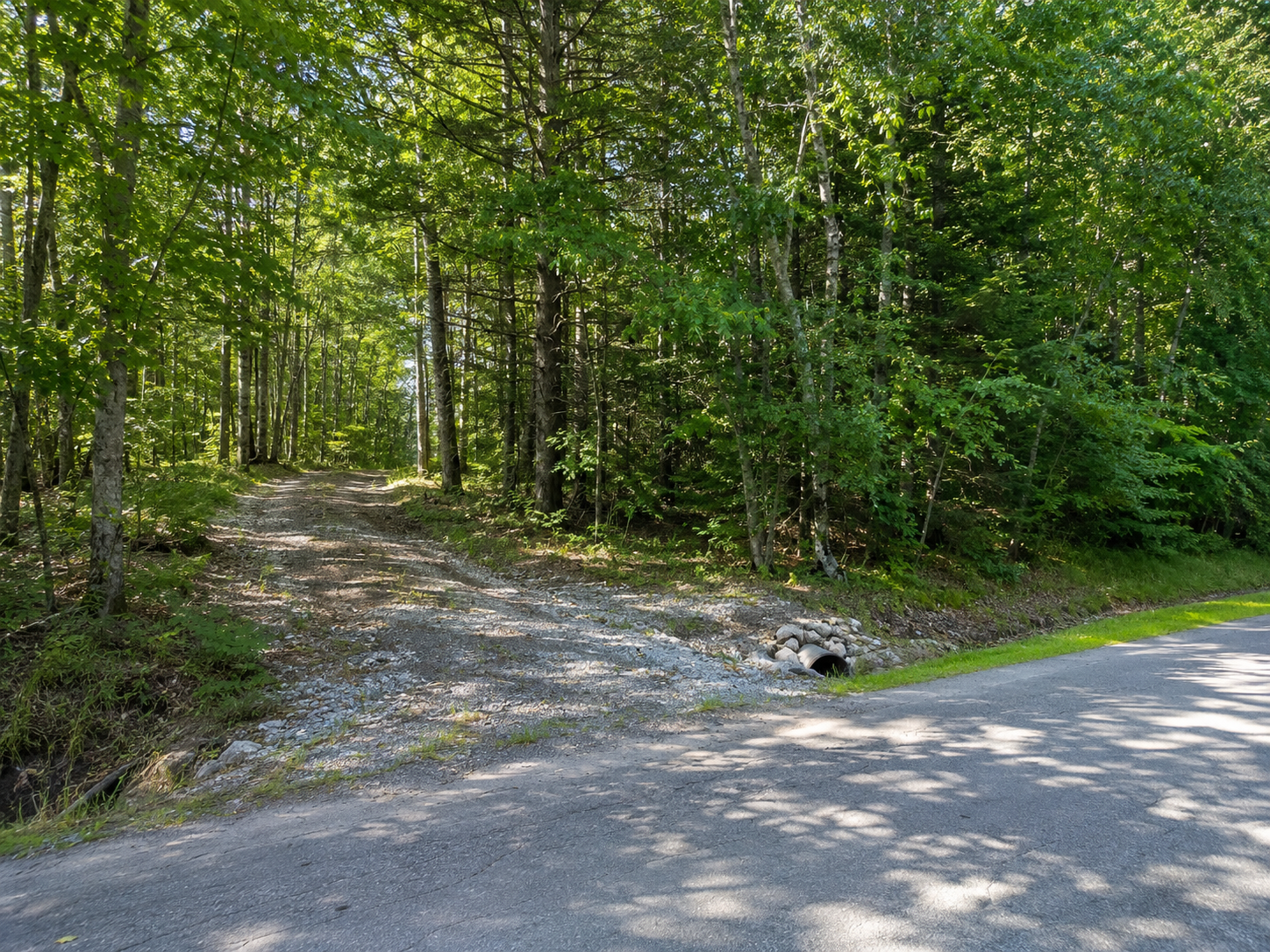
Can You Install a Driveway?
Even when a lot fronts on a public road, you shouldn't assume a driveway can be installed wherever you choose.
For access from a provincially maintained road, the Nova Scotia Department of Public Works may need to approve the driveway location.
Sightlines, road conditions, drainage and the location of the proposed entrance can affect whether approval is available.
This is particularly important on roads with hills, curves or higher traffic speeds.
A lot with plenty of road frontage may still have limited suitable locations for an entrance.
Before purchasing, investigate whether the driveway location you need is likely to be approved and whether culverts, grading or other work will be required.
Can the Land Support a Septic System?
For many rural vacant lots, one of the most important questions is whether an appropriate on-site sewage disposal system can be installed.
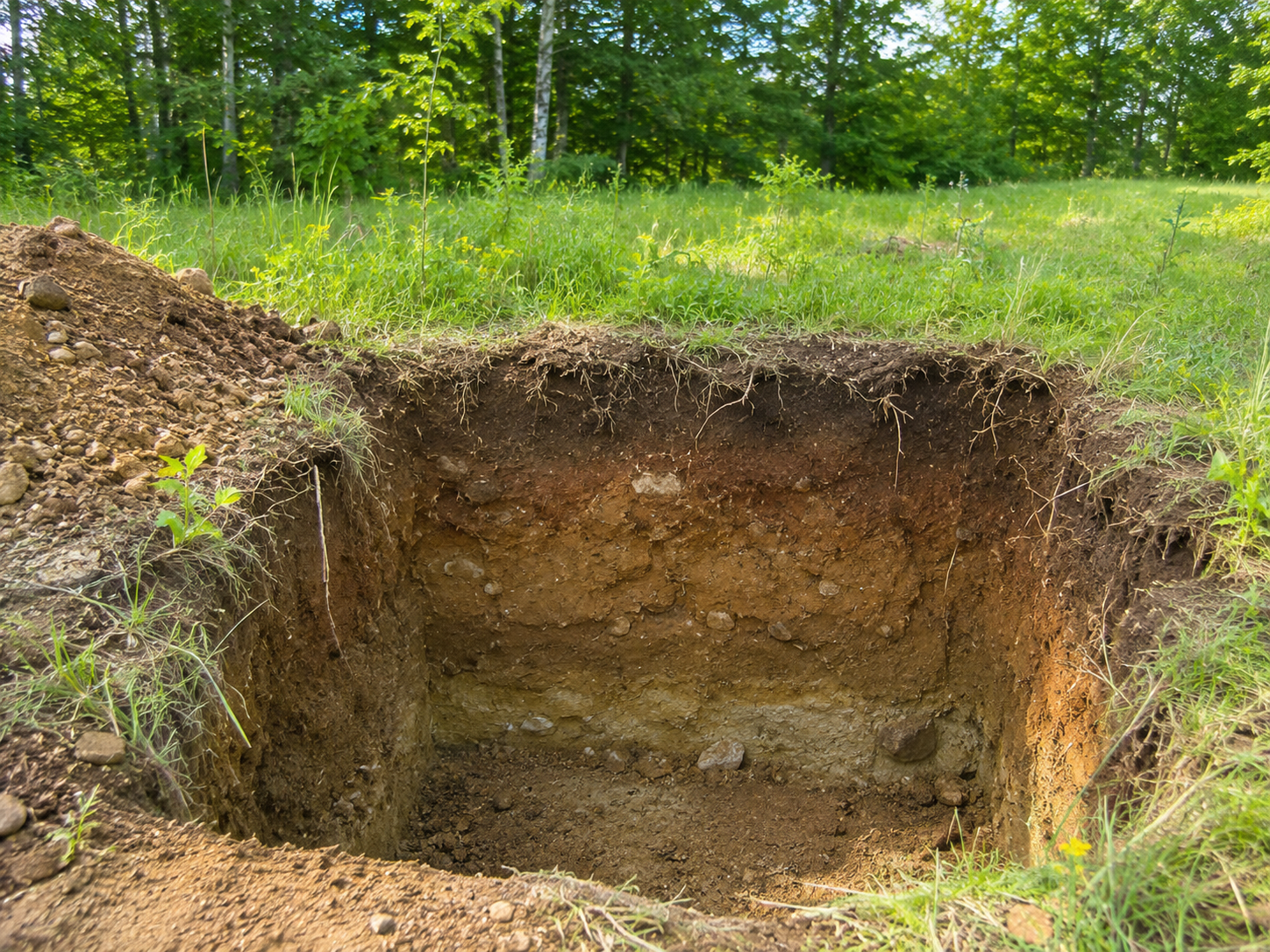
Land that looks dry and level from the surface may have soil conditions, bedrock, groundwater or drainage characteristics that make septic installation difficult.
A septic assessment considers more than whether there is enough room for a tank.
Depending on the property, factors may include:
Soil characteristics and permeability
Depth to bedrock or groundwater
Slope and drainage
Available area for the disposal field
Required separation distances
Nearby wells, watercourses and wetlands
The proposed home's wastewater needs
Nova Scotia requires appropriate authorization for the installation of on-site sewage disposal systems. The province's On-site Sewage Disposal guidance explains the system and approval process.
A qualified person may need to assess the site and determine what type of system could be installed.
Some lots may require a more complex or expensive design than a conventional septic system.
It's also important to distinguish between a preliminary assessment, documentation associated with an earlier subdivision and authorization for the system you actually intend to install.
If you're buying land to build a home, I recommend investigating septic suitability early, rather than assuming it can be resolved after closing.
What About a Well and Drinking Water?
Many vacant properties outside serviced communities will require a private well.
If no well exists, the future water supply is an important unknown.
A neighbouring property may have a productive well, but that doesn't guarantee the same results on the lot you're considering.
Drilling depth, available yield and water quality can vary, even within a relatively small area.
Before purchasing, consider:
Whether municipal water is available
Whether there are existing wells on the property
What is known about nearby well depths and yields
Where a new well could be located
Whether the proposed septic system affects well placement
Whether additional water treatment might be required
The potential cost of drilling and connecting a well
Nova Scotia's well records and provincial groundwater resources may provide useful background information, but they cannot guarantee the performance of a future well.
If a well already exists, investigate its condition, water quality and available supply.
For additional information about private water supplies and septic systems, see my guide to Well and Septic Systems: What Nova Scotia Home Buyers Need to Know.
Look Carefully at the Terrain, Soil and Drainage
The physical characteristics of the land can have a major effect on construction costs.
A level, cleared lot with accessible soil conditions may be relatively straightforward to prepare.
A steep or heavily wooded property may require significant excavation, grading, retaining structures or specialized foundation work.
When viewing vacant land, consider:
Slopes and changes in elevation
Exposed bedrock and large rocks
Low-lying or wet areas
Drainage patterns
Evidence of erosion
Soil stability
Areas requiring clearing
Accessibility for excavation equipment
In the Annapolis Valley, properties can range from relatively level valley-floor land to sloping sites along the North and South Mountains.
A hillside property may offer attractive views, but the costs of preparing a building site and driveway can be considerably higher than expected.
Likewise, a low-lying property may have drainage concerns that aren't obvious during a dry summer viewing.
If the land has challenging conditions, advice from an excavation contractor, geotechnical professional or other qualified specialist may be worthwhile before committing to the purchase.
Wetlands, Watercourses and Flooding
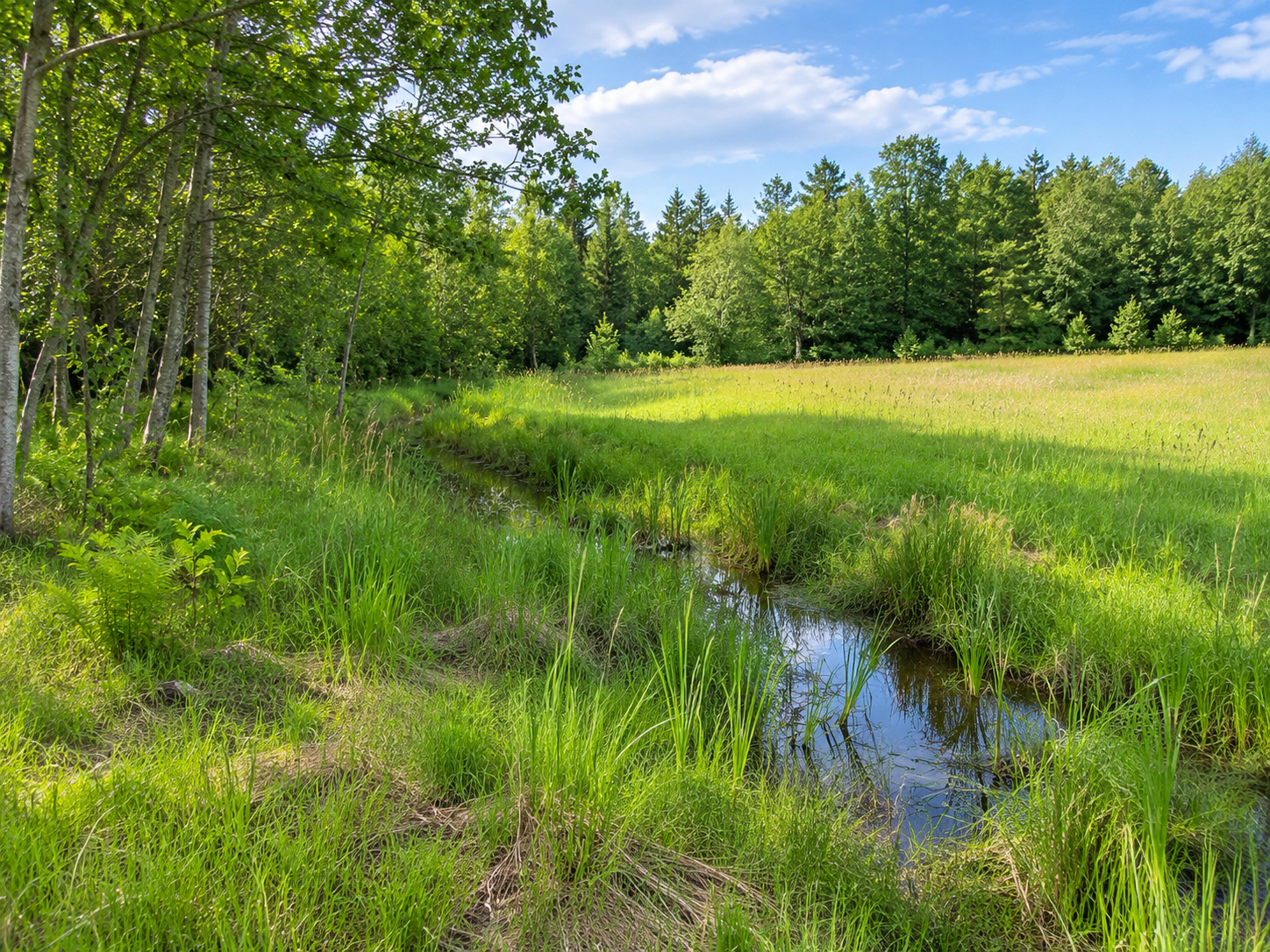
Streams, ponds, wetlands and low-lying areas can affect where a home can be built and what work is permitted.
These features may not always be obvious from the road or from online listing photographs.
A property may also experience seasonal flooding or standing water even if there is no visible water during a showing.
Before buying, investigate whether the parcel includes:
Wetlands or watercourses
Flood-prone areas
Seasonal drainage channels
Shoreline or watercourse setbacks
Areas requiring environmental approvals
Restrictions on filling, clearing or altering drainage
Nova Scotia has provincial requirements for certain activities affecting wetlands and watercourses. Review the province’s Wetland Alteration Approval Process and Watercourse Alteration guidance when investigating work that could affect these features.
If the property borders an ocean shoreline, lake or river, there may be additional considerations involving flooding, erosion and waterfront access.
I cover those issues in more detail in Buying Waterfront Property in Nova Scotia: What to Check.
Investigate Electrical, Internet and Other Services
A vacant lot may be close to existing homes without having services available at the proposed building location.
Before buying, investigate what is available and what it would cost to connect.
Electrical Service
If power lines run along the road, that doesn't necessarily mean bringing electricity to the building site will be inexpensive.
Costs may depend on the distance from existing infrastructure, the required service capacity, terrain and whether new poles or other equipment are needed.
A long driveway or building site set well back from the road can add considerable expense.
Contact the electricity provider for information about service availability and the process for obtaining an estimate.
Internet and Cellular Coverage
Reliable internet access is important for many buyers, particularly those who work from home.
Coverage can vary considerably across rural Nova Scotia.
Don't assume that because a nearby community has high-speed internet, a particular parcel has the same options.
Check the actual service address or location with available providers and investigate cellular reception while visiting the property.
Municipal Services
In some communities, municipal water or sewer services may be available nearby.
However, a service line running along a road doesn't automatically mean the property can connect.
Confirm availability, connection requirements, applicable fees and whether infrastructure extensions would be needed.
Budget for More Than the Purchase Price
Vacant land can look affordable compared with an existing home, but the purchase price may represent only a portion of the total project cost.
Depending on the property, additional expenses could include:
Surveying and legal work
Site assessments and professional reports
Tree clearing and stump removal
Driveway construction and culverts
Excavation and grading
Foundation preparation
Well drilling and water treatment
Septic design and installation
Electrical service installation
Permits and development fees
Drainage improvements
Construction access and temporary services
Some of these costs may be relatively predictable. Others can remain uncertain until testing, design or excavation has been completed.
I encourage buyers to obtain realistic estimates from appropriate contractors and service providers before relying on a construction budget.
A lower-priced lot with difficult access, extensive clearing and challenging soil conditions may ultimately cost more to develop than a more expensive lot that is already serviced or easier to prepare.
Financing Vacant Land Can Be Different
Financing vacant land isn't necessarily the same as obtaining a mortgage on an existing home.
Lenders may distinguish between serviced building lots, unserviced vacant land, large rural parcels and recreational properties.
Depending on the lender and the property, buyers may face different down-payment requirements, loan terms or financing conditions.
If you're planning to build, the financing may also involve construction draws, appraisals, builder requirements and additional documentation.
A mortgage pre-approval for an existing home shouldn't be assumed to cover a vacant land purchase.
Before making an offer, speak with a mortgage professional about the specific property and your intended timeline.
For more information about how financing can change after pre-approval, see Your Mortgage Is Pre-Approved — So Why Can Financing Still Fall Through?.
Consider Property Taxes, HST and Other Purchase Costs
Vacant land purchases can have tax considerations that differ from buying an existing residential property.
One important question is whether Harmonized Sales Tax (HST) applies to the transaction.
Not every vacant land sale is subject to HST, and not every sale is exempt.
The treatment can depend on the seller, the property's use and the circumstances of the sale.
Buyers should have their lawyer or tax professional confirm the applicable treatment before finalizing their budget.
Municipal deed transfer tax may also apply, depending on the municipality and the transaction.
Property assessment and annual taxes should be reviewed as well, particularly where land has agricultural, resource or other classifications.
If you're purchasing land with the intention of developing or subdividing it, future assessment and tax treatment may change.
Are You Buying Land to Build Now or Hold for Later?
Some buyers purchase vacant land intending to build within a year or two. Others hope to hold it for retirement or future family use.
If you're not planning to build immediately, it's still worth investigating the property's current development potential.
Municipal planning rules, servicing requirements, construction costs and neighbouring land uses may change over time.
An assessment completed today may not remain sufficient for a project many years in the future.
You should also consider the costs of holding the property, including taxes, insurance where appropriate, maintenance and any private-road obligations.
If your long-term plan depends on building a particular type of home, it's better to investigate the feasibility now rather than assume the opportunity will remain unchanged indefinitely.
What If You Want to Subdivide the Land?
A larger parcel may appear to offer the possibility of creating several smaller lots.
However, acreage alone doesn't determine whether subdivision is possible.
Subdivision approval may depend on:
Municipal subdivision requirements
Road frontage and access
Minimum lot dimensions
Suitable wastewater servicing
Water supply considerations
Environmental constraints
Applicable planning policies
Survey and application requirements
Even if a property has enough land on paper, its shape, terrain or access arrangements may prevent the subdivision you have in mind.
If future subdivision is part of your investment decision, discuss the proposal with the municipality and a Nova Scotia Land Surveyor before purchasing.
For buyers interested in larger rural parcels, my article on Buying a Hobby Farm or Acreage in Nova Scotia covers additional considerations involving land use, outbuildings, agriculture and ongoing maintenance.
Protect Yourself With Appropriate Purchase Conditions
With vacant land, many of the most important investigations need to happen before the purchase becomes firm.
The appropriate conditions will depend on the property and your plans.
For example, a buyer intending to build a year-round home may need to investigate:
Municipal confirmation of the proposed use
Building permit requirements
Septic suitability and required authorization
Water availability
Driveway access and permits
Survey and boundary concerns
Financing
Environmental or site conditions
Utility availability and installation costs
Nova Scotia's real estate transaction documents include provisions that can address vacant-land investigations, but the conditions used in an offer should reflect the specific property and the buyer's objectives.
Some assessments require physical access, test pits or other work on the land. Permission and arrangements for that work should be addressed appropriately.
When I'm helping buyers purchase vacant land, I want them to understand what needs to be verified, who should complete each investigation and how much time may be needed.
The objective is to identify major concerns before the buyer becomes committed to a property that may not meet their needs.
Questions to Ask Before Buying Vacant Land in Nova Scotia
Before purchasing, consider the following questions:
What do I want to use the property for?
Is my intended use permitted?
Is the parcel an approved lot, and what approvals are still required?
Can I obtain a building permit for the structure I want?
Are the boundaries established by a reliable survey?
Does the property have legal access?
Can a driveway be approved in a suitable location?
Is the land suitable for an on-site septic system?
Is municipal water available, or will I need to drill a well?
What is known about nearby well depths and water availability?
Are there wetlands, watercourses or flooding concerns?
Will the terrain require significant clearing, grading or excavation?
What will it cost to bring electricity to the building site?
Are reliable internet and cellular services available?
Are there easements, restrictions or neighbouring uses that affect my plans?
Does HST apply to the purchase?
Can I obtain financing for this particular parcel?
What are the annual property taxes and ongoing maintenance costs?
Can the property be subdivided if that is part of my plan?
What investigations and approvals should be addressed before my purchase becomes firm?
Not every question will apply to every property. A small serviced residential lot is very different from a remote wooded parcel or a large tract of undeveloped land.
The goal is to identify the questions that matter for your intended use and obtain reliable answers before committing to the purchase.
The Right Piece of Land Starts With the Right Information
Vacant land can offer the opportunity to create something that suits your needs, whether that's a new home, a recreational retreat or a place to enjoy more privacy.
But buying land involves more than finding a location you like.
Access, building approvals, water, septic, terrain, utilities and development costs all influence what a property can realistically become.
When I'm helping buyers evaluate vacant land in the Annapolis Valley and South Shore, I encourage them to investigate these details early and bring in the appropriate professionals when needed.
A property doesn't have to be fully serviced or ready to build to be a good purchase. It does need to be suitable for your plans, with costs and limitations you understand.
For more information about purchasing property in Nova Scotia, visit my Buyer Resource Centre, where I cover financing, wells and septic systems, inspections, waterfront properties and other practical considerations involved in buying a home.