

For many buyers, the appeal of a rural property in Nova Scotia is easy to understand. A few acres of land can mean more privacy, room for gardens, space for a workshop or the opportunity to keep chickens, horses or other animals. Others are looking for a hobby farm, a small homestead or simply a home surrounded by fields and woodland.
Across the Annapolis Valley and South Shore, rural properties can offer all of these possibilities. But buying a property with acreage involves considerations that may not come up when purchasing a conventional home on a residential lot.
The size of the property is only part of the picture. How much land is usable? What activities are permitted? Are the boundaries clearly established? What condition are the outbuildings in? And what will it cost to maintain everything?
When I'm helping buyers consider rural properties, I encourage them to look beyond the house and think carefully about how they intend to use the land, both now and in the future.
Start With How You Want to Use the Property
Before searching for a hobby farm or acreage, it helps to identify what you're hoping to accomplish.
You might want:
A larger yard and more privacy
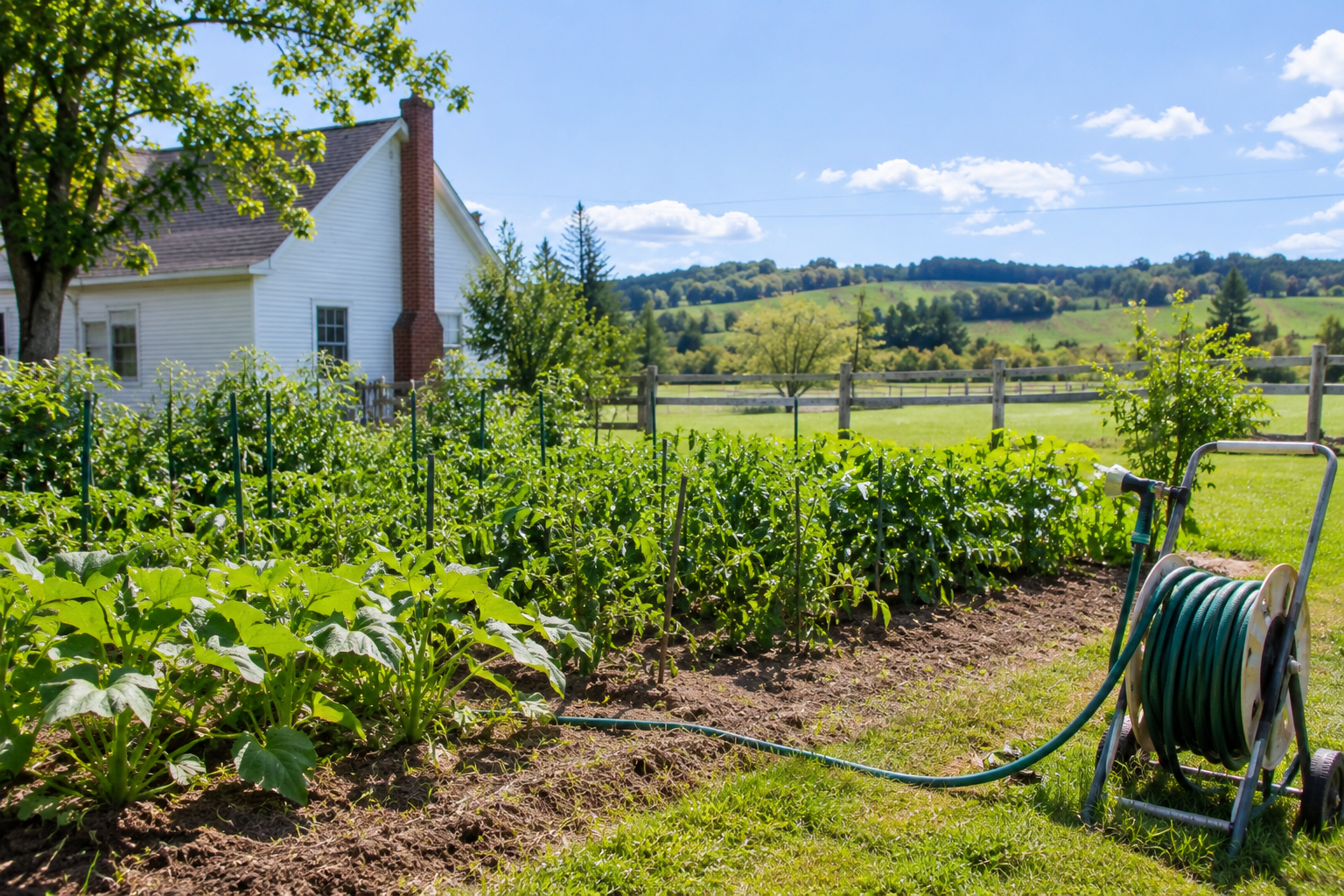
Space for vegetable gardens, fruit trees or a greenhouse
A few chickens or other small livestock
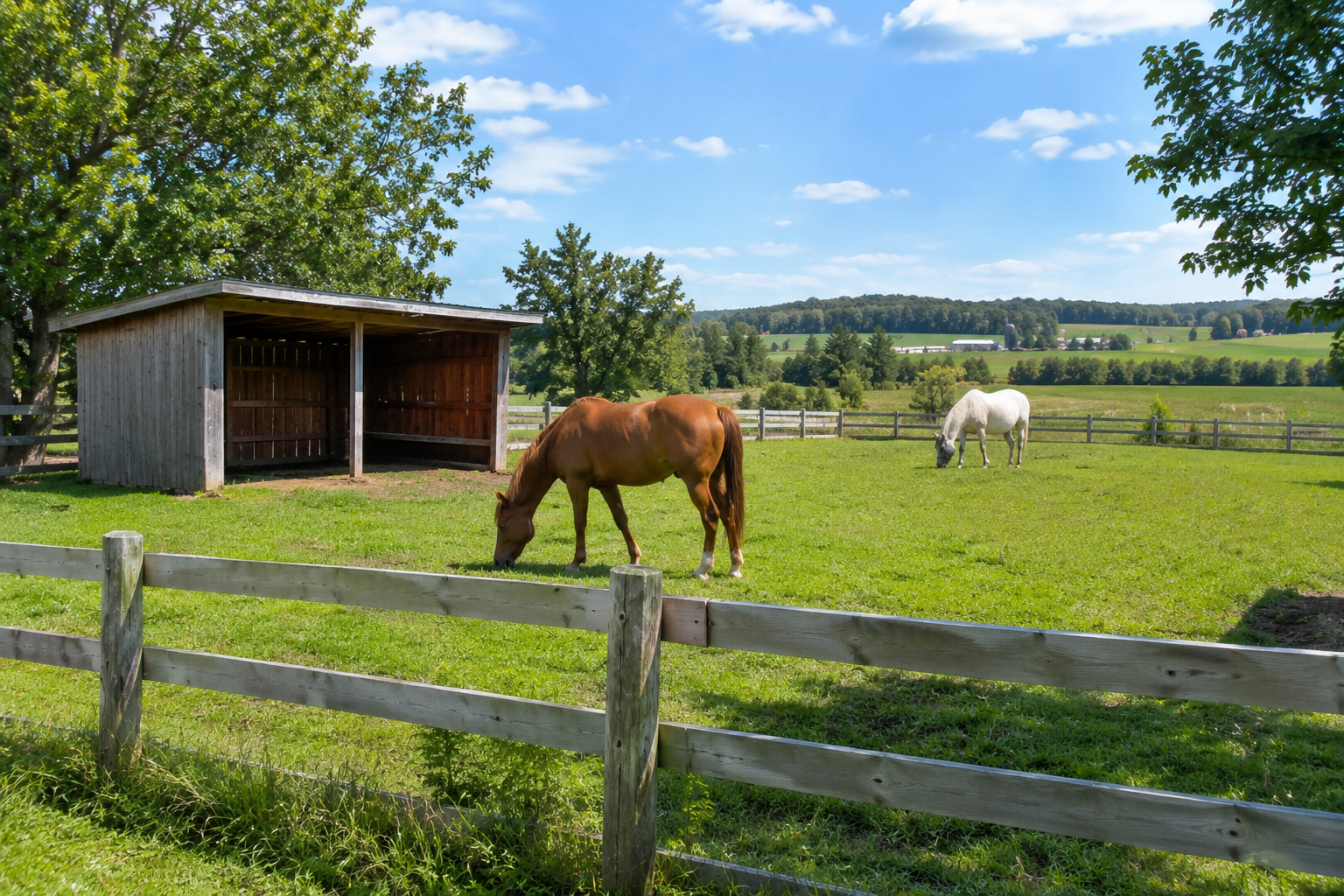
Pasture and shelter for horses
A barn, workshop or equipment storage
Woodland for recreation or firewood
A small agricultural business or roadside farm stand
Enough land for a future building or additional dwelling
These uses can involve very different requirements.
A property that works well for a large garden may not be suitable for horses. A wooded acreage may provide privacy but require considerable clearing before it can support agricultural activities.
The important question isn't simply how many acres you're buying. It's whether those acres can support what you want to do.
Check Zoning Before Assuming You Can Farm the Land
One of the most important investigations is confirming what activities are permitted under the property's zoning and applicable land-use rules.
In Nova Scotia, zoning and development requirements vary by municipality and sometimes by location within the same municipality.
Depending on the property, rules may affect:
Keeping chickens, horses or other livestock
The number or type of animals permitted
Constructing barns, sheds or agricultural buildings
Operating a home-based business
Selling agricultural products from the property
Building an additional dwelling
Subdividing the land
Minimum setbacks from roads and neighbouring properties
A property described as a hobby farm in a real estate listing isn't necessarily approved for every agricultural activity a buyer might have in mind.
Likewise, land that appears rural or is surrounded by farms may have restrictions that aren't obvious during a viewing.
Before purchasing, I recommend contacting the municipality's planning or development department with your specific plans. Rather than asking only whether farming is allowed, explain what you want to do and what buildings or facilities you may need.
Nova Scotia also has provincial policies intended to protect agricultural land. These can influence municipal planning and restrictions on non-agricultural development.
Not All Acreage Is Usable Acreage
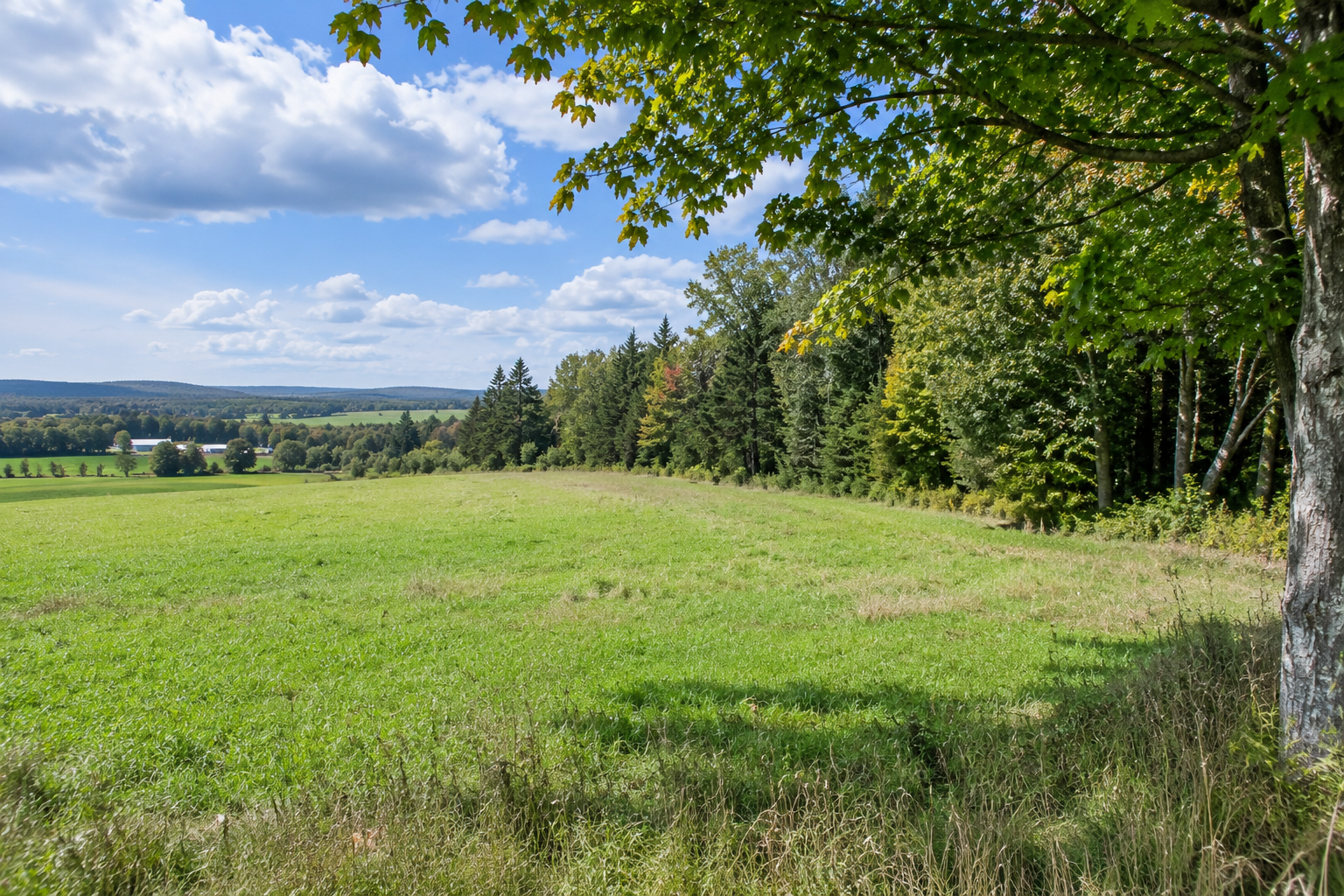
A listing might advertise five, ten or fifty acres, but the total area doesn't tell you how much of the property can realistically be used.
Land conditions can vary significantly, even within a single property.
Cleared Land Versus Woodland
Open fields may be suitable for gardens, pasture or recreation, depending on soil and drainage conditions.
Wooded land can offer privacy, trails and a supply of firewood, but clearing it for another purpose may involve substantial expense.
Tree removal, stump grinding, grading and establishing pasture can cost considerably more than buyers initially expect. Environmental restrictions may also affect what clearing is permitted.
Slopes and Drainage
A property may contain steep hillsides, wet areas or sections that become difficult to access during spring thaw.
In the Annapolis Valley, the difference between a relatively level valley-floor property and a hillside acreage can be significant.
Look for evidence of standing water, drainage channels, erosion and areas where equipment might have difficulty operating.
Wetlands and Watercourses
Ponds, streams and wetlands can be attractive features, but they may also limit development or require approvals for certain work.
Before planning to fill a wet area, install a culvert, redirect drainage or build a crossing, determine whether provincial requirements apply.
A large parcel isn't automatically a large building site, pasture or garden.
Understand the Property Boundaries and Legal Access
With larger properties, boundaries are often less obvious than they are in a subdivision.
A fence line, old stone wall, driveway or tree line may not represent the legal boundary.
I recommend investigating:
Whether a current survey or survey plan is available
Where the property boundaries are located
Whether boundary markers can be identified
Whether any neighbouring properties have rights-of-way across the land
Whether access to the property is legally established
Whether utility easements affect future building locations
Whether the acreage consists of one parcel or several separate parcels
This becomes particularly important when a property includes woodland or fields extending beyond the area surrounding the house.
Access to Rear Acreage
Sometimes the only practical way to reach a back field or wooded section is through a narrow lane, across another parcel or over land that isn't owned by the seller.
A visible trail or a route used for many years doesn't necessarily establish a legal right to use it.
If access depends on another property, your lawyer should review the applicable title documents and any registered easements or rights-of-way.
A surveyor may also be needed to establish where boundaries or access routes are located.
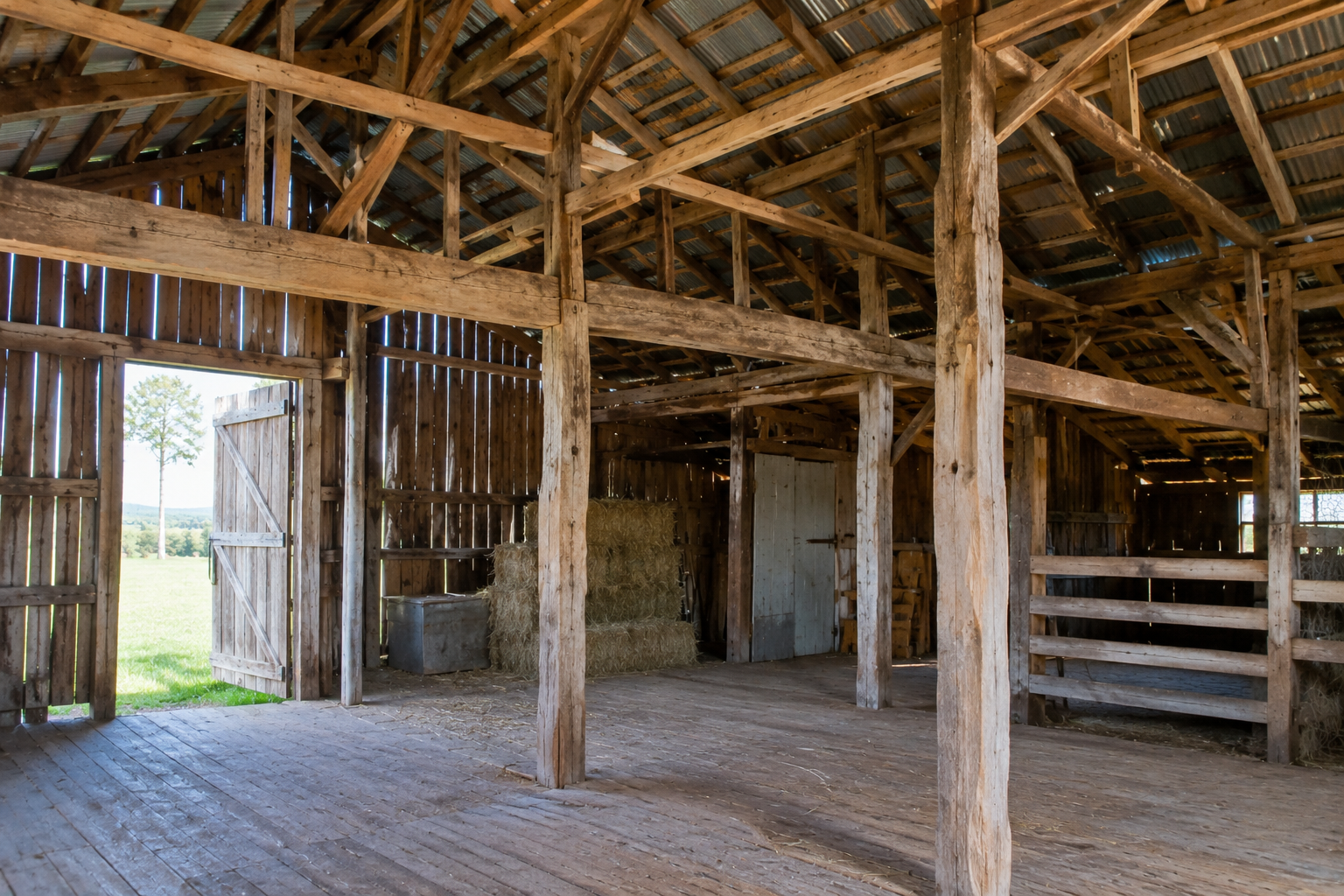
Inspect Barns, Workshops and Other Outbuildings
Outbuildings can add considerable value to a rural property, particularly when they suit the buyer's intended use.
But they can also become expensive liabilities.
A barn that looks attractive from the driveway may need major structural repairs. An older workshop might have electrical wiring that isn't suitable for modern equipment.
When reviewing outbuildings, consider:
Foundation condition and evidence of movement
Roof condition and water penetration
Structural framing, posts and beams
Rot or insect damage
Electrical installation and service capacity
Ventilation and moisture
Floor condition and load capacity
Doors and access for equipment
Whether buildings were constructed with required permits
Whether the buildings are insurable for their intended use
A conventional home inspection may not include a detailed assessment of every agricultural or accessory building.
Depending on the property, a structural engineer, electrician or other qualified professional may be appropriate.
It's also worth confirming which buildings and equipment are included in the purchase. Items such as portable shelters, livestock equipment, feeders, storage containers and machinery shouldn't be assumed to be included simply because they're present during a viewing.
Consider the Soil Before Planning Gardens or Pasture
The appearance of a field doesn't necessarily tell you whether the soil is suitable for your plans.
Some land may have shallow topsoil, poor drainage, heavy clay, excessive stone or soil conditions that make particular crops difficult to grow.
If gardening or agriculture is a major reason for buying the property, consider investigating:
Soil texture and drainage
Soil depth and rock content
Soil pH and nutrient levels
Previous agricultural use
Whether soil amendments or drainage improvements may be needed
Sun exposure and growing conditions
A soil test can help identify conditions relevant to growing crops.
For buyers considering more substantial agricultural activities, advice from an agronomist or agricultural specialist may be worthwhile.
It's also important to investigate previous uses of the land. Former fuel storage areas, waste disposal locations or other activities may warrant further environmental investigation.
Make Sure the Water Supply Meets Your Plans
Many rural properties in Nova Scotia rely on private wells.
For a typical household, buyers should investigate water quality, available supply, well condition and any treatment equipment.
For a hobby farm, the demands on the water supply may be considerably greater.
Think about whether you'll need water for:
Household use
Vegetable gardens or greenhouses
Horses or livestock
Cleaning barns and equipment
Irrigation during dry periods
A well that adequately serves a household may not provide enough water for significant irrigation or livestock needs.
A water-quality test doesn't establish the well's available yield. Depending on the intended use, a well-yield or recovery assessment may be appropriate.
If the property has multiple wells, confirm their locations, conditions and intended uses.
The location of wells relative to septic systems, manure storage, livestock areas and other potential contamination sources also deserves attention.
For more information, see my guide to Well and Septic Systems: What Nova Scotia Home Buyers Need to Know.
Septic Systems and Future Development
Rural properties commonly rely on private septic systems rather than municipal sewer services.
When buying acreage, it's important to investigate the existing system's condition, location and available documentation.
But buyers should also think about how the septic system affects their future plans.
For example, the septic field may occupy part of the land you hoped to use for a barn, driveway, garden or additional building.
There may also be restrictions on driving heavy equipment over a disposal field or making changes that interfere with the system.
If you're considering adding another dwelling, converting a building to residential use or expanding the existing home, don't assume the current septic system can accommodate those changes.
A qualified professional may need to assess whether an appropriate system can be installed or modified.
Consider the Realities of Keeping Livestock
A hobby farm may begin with the idea of keeping a few chickens, goats or horses.
However, keeping animals involves more than having enough land.
Depending on the animals, you'll need to consider:
Suitable shelter and ventilation
Fencing and gates
Access to reliable drinking water
Feed and bedding storage
Manure management
Pasture condition and rotation
Veterinary access
Safe handling areas
Winter shelter and snow removal
For horses, pasture quality, fencing, footing and shelter can be particularly important.
An existing barn doesn't automatically mean the property is suitable for the animals you want to keep.
Before buying, investigate both the legal requirements and the practical costs of establishing and maintaining the facilities.
If you're new to livestock ownership, advice from an experienced owner or agricultural professional can help identify expenses and responsibilities that may not be obvious during a property viewing.
Understand Your Neighbours and Surrounding Land Uses
One of the attractions of acreage is privacy, but rural living doesn't always mean complete peace and quiet.
In agricultural areas, normal activities can include tractors operating early in the morning, machinery moving along roads, livestock, seasonal spraying, manure spreading and harvesting.
These activities are part of life in many Annapolis Valley farming communities.
Before buying, spend some time understanding how neighbouring properties are used.
Consider whether nearby land includes:
Active livestock operations
Orchards, vineyards or crop production
Commercial workshops or agricultural businesses
Forestry operations
Shared access routes
Fields that may be developed or used differently in the future
It's important to consider both how neighbouring activities may affect your enjoyment of the property and how your own plans could affect others.
Rural Roads, Driveways and Winter Access
A long driveway can provide privacy, but it also creates additional maintenance responsibilities.
Some rural properties have gravel driveways that require grading, ditch maintenance and occasional resurfacing.
In winter, snow clearing can become a significant consideration, particularly where the driveway is steep, shaded or exposed to drifting snow.
When viewing a property, investigate:
Whether the road is publicly or privately maintained
Who is responsible for snow clearing
The driveway's length, grade and condition
Whether emergency vehicles can access the home
Whether delivery trucks and service vehicles can turn around
The condition of culverts and drainage ditches
Whether there are shared-road maintenance agreements
If the property includes a private road or shared driveway, establish who is responsible for maintenance and whether any formal agreements exist.
Acreage Requires More Maintenance Than a Typical Residential Lot
Acreage can be rewarding, but it requires time, equipment and an ongoing budget.
Even buyers who don't intend to farm may need to manage:
Mowing or brush cutting
Fallen trees and storm damage
Fence repairs
Driveway grading and snow removal
Ditch and culvert maintenance
Invasive plants and overgrowth
Drainage problems
Outbuilding maintenance
Woodlot management
The amount of work depends on the land.
A wooded property with established trails may require different equipment and maintenance than several acres of open grass.
Before buying, consider whether you'll need a compact tractor, riding mower, brush cutter, chainsaw or other equipment.
Hiring contractors for larger jobs is another option, but those costs should be included in your budget.
Can You Build Another Home or Subdivide the Property?
Some buyers see acreage as an opportunity to build a second home, create a family compound or sell off part of the land later.
These possibilities shouldn't be assumed.
Subdivision and development may depend on:
Municipal zoning and subdivision requirements
Minimum lot sizes
Road frontage and legal access
Availability of suitable water and septic services
Agricultural land protection policies
Environmental constraints
Applicable development setbacks
Even where a property contains enough land to create another lot, the proposed subdivision may not meet the requirements for approval.
If future development is an important part of your purchase decision, investigate it with the municipality and appropriate professionals before committing.
Financing and Insurance May Require Additional Investigation
A rural home on a few acres may be financed similarly to other residential properties, but larger acreages and working farms can present additional challenges.
Lenders may consider the amount of land, the property's primary use, the condition of the residence and whether significant value is associated with agricultural buildings or operations.
A mortgage pre-approval doesn't necessarily confirm that a particular hobby farm or acreage will qualify for financing.
For more information, see Your Mortgage Is Pre-Approved — So Why Can Financing Still Fall Through?.
Insurance is another consideration.
A standard residential policy may not automatically cover every barn, workshop, agricultural activity or liability associated with livestock.
Before purchasing, explain the property's buildings and your intended activities to an insurance professional.
My article Home Insurance When Buying in Nova Scotia: What Can Cause Problems? explains why confirming insurability early in the buying process is important.
Property Taxes, Farm Classification and Registration
Rural properties can have different assessment classifications for the residence, agricultural land, woodland and other portions of the property.
Nova Scotia has specific property-tax treatment for qualifying agricultural land, but owning acreage doesn't automatically mean it qualifies for an agricultural tax exemption.
The property's assessment classification and how the land is used can affect the taxes payable.
Buyers should review the existing assessment and investigate whether their intended use could affect future classification.
Operating an agricultural business can introduce additional considerations involving farm registration, taxation, insurance and regulatory requirements.
If you intend to operate a farm business rather than maintain a property for personal use, I recommend discussing your plans with an accountant and the appropriate provincial agricultural resources.
Questions to Ask Before Buying a Hobby Farm or Acreage
Every rural property is different, but these questions provide a useful starting point:
What activities are permitted under the property's zoning?
Can I legally keep the animals I want?
How much of the acreage is cleared, usable or suitable for my plans?
Are the property boundaries clearly established?
Are there any easements, rights-of-way or shared access arrangements?
What condition are the barns, workshops and other outbuildings in?
Are there permits or documentation for existing structures?
Is the well capable of supporting household and agricultural water needs?
Where are the septic system and disposal field located?
Are there wetlands, watercourses or drainage problems?
Is the soil suitable for gardening, pasture or crops?
Who maintains the road and driveway?
What equipment will I need to maintain the property?
Are there neighbouring activities that could affect how I use the land?
Can the property be subdivided or developed further if I choose?
Will the property qualify for the financing and insurance I need?
What are the current property-tax classifications?
Are there any existing leases, agricultural agreements or other arrangements affecting the land?
Not every question will apply to every property. A wooded acreage purchased for privacy has different considerations than a property intended for horses or small-scale farming.
The goal is to identify which investigations matter for your plans and make sure they're addressed before the purchase becomes firm.
Buying Acreage Is About More Than Buying Land
A hobby farm or rural acreage can offer a lifestyle that's difficult to find in a conventional residential neighbourhood.
Whether you're hoping to grow your own food, keep animals, build a workshop or simply enjoy more space, Nova Scotia has a wide variety of rural properties worth exploring.
But the house, land, buildings and intended uses all need to work together.
When I'm helping buyers evaluate acreage, I encourage them to consider not only what the property offers today, but also what it will take to maintain it and whether it can accommodate their longer-term plans.
A little extra investigation before buying can help avoid expensive surprises after moving in.
For more information about purchasing property in Nova Scotia, visit my Buyer Resource Centre, where I cover inspections, financing, insurance, wells and septic systems, waterfront properties and other practical considerations involved in buying a home.

Comments:
Post Your Comment: